- Better: health insights depth Business Insider found Oura Ring 4 stronger for app depth and actionable insights.
- Worse: charging case and physical design Wired said the Galaxy Ring compared favorably to the Oura Ring from the unboxing onward.
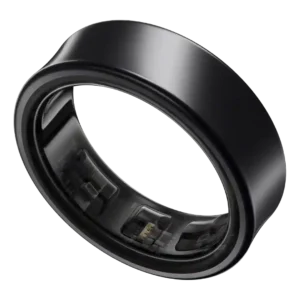
Samsung Galaxy Ring Oura Ring 5 Review
Bottom Line
Choose it if you want a comfortable Android smart ring with strong sleep basics, a great charging case, and no subscription. Skip it for serious workout tracking, reliable SpO2, iPhone use, or the deepest recovery insights.
Best for
Best for Android or Samsung users who want passive sleep, steps, readiness-style scores, and health trends without wearing a watch or paying a subscription. It also suits users who value comfort and an easy travel charging case.
Not for
Not for iPhone users, serious athletes, or buyers who need reliable workout metrics, strong SpO2 accuracy, detailed recovery coaching, or smartwatch-style notifications and controls.
Verdict
Reviewers consistently framed the Galaxy Ring as a comfortable, discreet health tracker rather than a watch replacement. Its strongest evidence is hardware: light fit, attractive design, a portable charging case, week-ish battery life, and subscription-free Samsung Health data. The tradeoff is depth and trust. Sleep basics and Energy Score were often useful, but SpO2, workout detection, distance, and hard-exercise heart rate were repeatedly inconsistent. It fits casual Android or Samsung users who want passive sleep and wellness trends, yet it struggles to justify its price for athletes, iPhone users, or anyone expecting Oura-level insight depth or smartwatch-grade fitness tracking.
Compared in Reviews
Products reviewers directly compared with this model, grouped into quick takeaways.
Oura Ring Gen 3
- Better: fitness tracking software Android Central saw Oura Ring Gen 3 as better for serious fitness tracking software.
- Compared: price and platform compatibility CNET compared the Galaxy Ring with Oura Ring Gen 3, noting similar capability but differences in price, iOS support, and subscriptions.
Ultrahuman Ring Air
- Better: overall value and features Android Central judged Ultrahuman Ring Air a better overall buy than the Galaxy Ring.
- Compared: price and platform compatibility CNET compared the Galaxy Ring with Ultrahuman Ring Air as a similar smart ring option.
Feature Scorecards
Summary
52 reviewed features- Very positive 4.5-5.0 19% 10 features
- Positive 3.5-4.4 38% 20 features
- Neutral 2.5-3.4 31% 16 features
- Negative 1.5-2.4 12% 6 features
- Very negative below 1.5 0% 0 features
Pros
-
Charging convenience was one of the strongest attributes thanks to the portable charging case, though one review noted charging habits can still be easy to forget.
-
Weight was consistently praised, with reviewers calling the ring light, barely noticeable, or easy to forget.
-
Pairing reliability was praised in the few reviews that discussed setup, with seamless or straightforward pairing.
-
Comfort was the strongest point across reviewers, with repeated praise for the light, unobtrusive, sleep-friendly ring form.
-
Build quality was broadly praised for titanium, slim hardware, and excellent design, with only isolated durability concerns.
-
Cadence tracking had limited but positive evidence, matching the Apple Watch Ultra 2 in one test run.
-
Habit tracking evidence was positive where the ring helped a reviewer stay accountable to daily health goals.
-
Menstrual cycle tracking had positive evidence, with reviewers reporting close date alignment or successful period prediction.
-
Subscription value was a major positive, with reviewers repeatedly appreciating that Samsung does not lock data behind a monthly fee.
-
Strava compatibility had limited positive evidence because workout heart-rate data could sync to Strava for download.
-
User interface evidence was positive where Samsung presented data clearly and gave simple overviews with drill-downs.
-
Swimming tracking had limited positive evidence, with one reviewer impressed that the ring auto-detected pool time.
-
Resting and sleeping heart-rate tracking generally scored well, with reviewers finding it close to baselines, chest straps, Oura, or Whoop during sleep.
-
Goal tracking was praised for clear, motivating heart-style progress visuals, though dynamic target adjustment was limited elsewhere.
-
Water resistance was viewed positively in practical use, with reviewers comfortable wearing it around soap, sweat, swimming, and showering.
-
Battery life was generally a strength, often near a week, though long-term degradation and shorter real-world results appeared in some reviews.
-
Design and appearance were usually positive for the sleek, understated ring, though some reviewers found it bulky or not discreet enough.
-
Alarm control was limited but useful where supported, with reviewers finding alarm dismissal or snoozing convenient.
-
Connected GPS reliability was acceptable when phone GPS was used, but it depends on carrying the phone.
-
GPS accuracy evidence was limited but positive when judged as dependent on the paired phone's GPS.
-
Sleep tracking accuracy was broadly useful but not flawless, with many accurate bedtime or sleep-duration results and some missed sleep, gaps, or bad nights.
-
Durability was mixed: some rings held up well or resisted marks, while others scuffed quickly or looked heavily worn.
-
Step counting was split, ranging from dead-on or tremendously useful step tracking to outlier days and inaccuracies versus watches.
-
Stress tracking was useful for broad accountability in some reviews, but one reviewer found it poor at separating cardio strain from stress.
-
The Energy or readiness score was often liked as a quick daily signal, though some reviewers found it surface-level, static, or not always aligned with real context.
-
Sleep stage tracking was mixed: several reviewers saw close alignment with Oura or reference devices, while others found inconsistent staging or weak REM/deep-sleep results.
-
Fit evidence was mostly positive after proper sizing, but reviewers warned about smaller sizing, finger choice, and pressure points.
-
Third-party or non-Samsung compatibility was mixed, with Android support praised but key features lost outside Samsung phones.
-
Charging speed was mixed, with fast top-ups in some reviews and very slow charging in another.
-
Automatic workout detection worked well for some walks and runs but was inconsistent, delayed, or limited for other exercise types.
Cons
-
Ring locating was helpful when LEDs or location worked, but limited by no sound, daylight visibility, or Samsung-phone restrictions.
-
Coaching evidence was mixed: some sleep or wellness coaching felt thoughtful or helpful for beginners, while other tips were obvious or not beneficial.
-
Companion app quality was mixed: Samsung Health could be organized, approachable, or excellent, but the two-app setup and auto-detection settings confused reviewers.
-
Health trend insights were useful for basic or temperature-related awareness but often criticized as light, surface-level, or lacking helpful next steps.
-
Heart rate accuracy was highly context-dependent: resting or simple checks often matched references, while workouts produced spikes, gaps, or poor cycling performance.
-
Gesture/button-style controls were novel but limited, with praise for photo/alarm gestures and repeated requests for more actions.
-
Value for money was split: no subscription helped, but many reviewers called the ring pricey or best bought on sale.
-
Recovery insights were mixed, with useful rest prompts in some cases but limited adjustment or static next steps in others.
-
Activity reminders were only lightly scored, with one reviewer saying phone-based move alerts were easy to miss hours later.
-
Activity tracking drew mixed evidence: some reviewers found the basic activity picture comprehensive, while others questioned data quality and regular-activity counts.
-
Workout tracking accuracy was the biggest divide: it worked for basic movement or heart-rate checks in some cases but failed serious gym, cycling, and broader fitness needs.
-
Customization options were limited, especially around rest days or gesture choices.
-
Smartphone notification evidence was negative because the ring provides no on-device buzz, screen, or comprehensive inputs.
-
Workout mode variety was consistently limited, with repeated criticism that automatic or ring-supported workouts focus mainly on walking and running.
-
Route tracking was limited because the ring lacks onboard GPS and often requires a phone or cannot show a route map.
-
Pace tracking suffered when estimated distance was wrong, and one reviewer found walking speed not entirely accurate.
-
Distance tracking was a common weakness when the ring estimated workouts, with reviewers reporting shortened or inflated runs.
-
Reliability was mixed to weak because several reviewers trusted some basics but questioned the consistency of overall health and fitness measurements.
-
Elevation tracking evidence was negative, with a reviewer reporting far fewer floors climbed than a watch.
-
Blood oxygen tracking was one of the weaker health metrics, with repeated reports of unreliable, wildly low, or consistently off SpO2 readings.
-
Calorie tracking was criticized when limited workout detection caused calorie burn and daily activity totals to be understated or off.
-
Sleep apnea monitoring was a negative gap where reviewers noted the feature is not available on the ring.
Compared With Category Average
Compared with other Activity & Fitness Trackers, this product is above average in cadence tracking, GPS accuracy, swimming tracking, below average in sleep apnea monitoring, blood oxygen tracking, reliability.
Summary
8 compared features- Above average 0.4+ pts higher 38% 3 features
- Same as average within 0.3 pts 0% 0 features
- Below average 0.4+ pts lower 63% 5 features
| Attribute | This product | Category average | Difference |
|---|---|---|---|
| cadence tracking | 4.6 | 1.8 | +2.8 |
| sleep apnea monitoring | 1.8 | 4.1 | -2.4 |
| blood oxygen tracking | 2.2 | 3.7 | -1.5 |
| reliability | 2.3 | 3.6 | -1.4 |
| GPS accuracy | 4.0 | 2.7 | +1.3 |
| value for money | 3.1 | 4.1 | -1.0 |
| swimming tracking | 4.4 | 3.1 | +1.3 |
| activity reminders | 2.9 | 4.2 | -1.3 |
FAQ
Is the Galaxy Ring comfortable enough for sleep?
Yes. Comfort was the most consistent strength, with many reviewers saying it was light, unobtrusive, and easy to forget while sleeping.
How accurate is its sleep tracking?
Most reviewers found sleep timing and basic sleep data useful, but there were also reports of missed morning sleep, gaps, and occasional inaccurate nights.
Is it good for workouts?
It is best for basic walking and running credit. Reviewers repeatedly criticized limited workout modes, weak gym support, and inconsistent heart-rate or distance data during harder exercise.
Does it require a subscription?
No. Reviewers repeatedly praised Samsung for keeping health data and insights available without a monthly subscription.
How long does the battery last?
Most short-term tests found about five to seven days, with the charging case adding convenience. One long-term reviewer reported a major decline after a year.
Does it work with iPhone?
No. The review evidence describes it as Android-only, with some features requiring Samsung Galaxy phones.
Is the Galaxy Ring worth the price?
Reviewers were split. They liked the comfort, hardware, and no-subscription model, but many thought the $400 price was hard to justify given the limited fitness and insight depth.
Sample Expert Reviews We Analyzed
These are a few of the reviews included in our analysis.
Video Reviews

YouTube - Sean Talks Tech
- Review score
- 4.0/5


Article Reviews
markellisreviews.com
- Review score
- 4.1/5
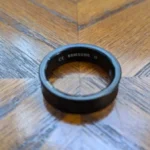
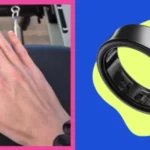
womenshealthmag.com
- Review score
- 3.8/5

androidcentral.com
- Review score
- 2.6/5
Consider This Instead
If you want better workout mode variety
Choose Fitbit Charge 6. It scores 4.7 vs 2.5 for workout mode variety, with a 3.6 overall score.
If you want better reliability
Choose RingConn Gen 2. It scores 4.5 vs 2.3 for reliability, with a 3.7 overall score.
If you want better value for money
Choose RingConn Gen 2 Air. It scores 4.8 vs 3.1 for value for money, with a 3.6 overall score.
If you want better sleep tracking accuracy
Choose Oura Ring 4. It scores 4.9 vs 3.8 for sleep tracking accuracy, with a 4.1 overall score.
Overall Top Activity & Fitness Trackers Alternatives
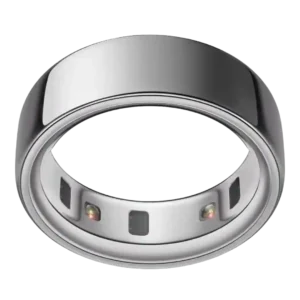
Best for comfortable, screen-free sleep and recovery insight with a polished app. Skip it if you want subscription-free value, serious training metrics, or a ring that stays pristine.
Pros: GPS accuracy, swimming tracking
Cons: alarm function, calorie tracking usefulness
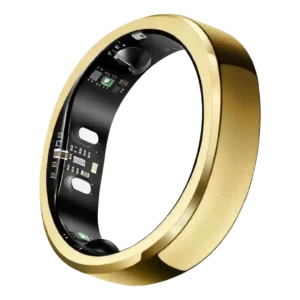
Best for long battery life, comfort, sleep/apnea insights, haptic health nudges, and no subscription. Skip it for serious workout heart-rate accuracy, full phone notifications, or a true silent alarm.
Pros: pairing reliability, charging speed
Cons: alarm function, Strava compatibility
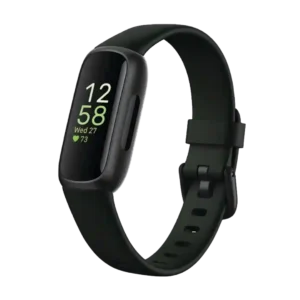
Good if you want a light, comfortable tracker with long battery life and strong sleep/activity basics. Skip it if you need built-in GPS, a larger screen, advanced training data, or...
Pros: fitness coaching, Strava compatibility
Cons: music controls, third-party app compatibility
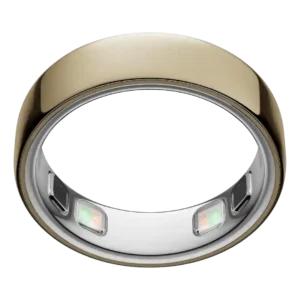
Good if comfort, discreet wear, sleep tracking and week-long battery matter most. Skip it if you need serious workout GPS metrics, subscription-free value or already like your Ring 4.
Pros: pairing reliability, comfort
Cons: GPS accuracy, cadence tracking