Best for connected GPS reliability
Xiaomi Smart Band 9 Pro
4.0 feature score
Highest scored product for this feature based on supporting review evidence.
Highest scored product for this feature based on supporting review evidence.
Balances feature score, supporting reviews, and overall product strength.
Has the broadest review evidence for this feature.
Strongest overall product among items with scored evidence for this feature.
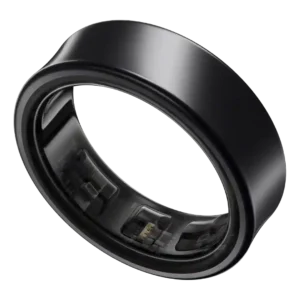
Connected GPS reliability was acceptable when phone GPS was used, but it depends on carrying the phone.
Pros: weight, charging convenience
Cons: sleep apnea monitoring, calorie tracking usefulness
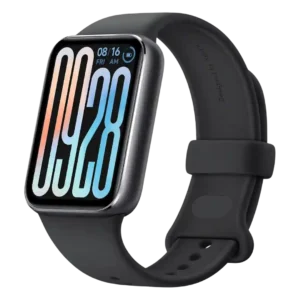
One review evaluated connected GPS positively, saying phone-based GPS accuracy was still useful and not something to dismiss.
Pros: workout mode variety, durability
Cons: activity reminders, calorie tracking usefulness
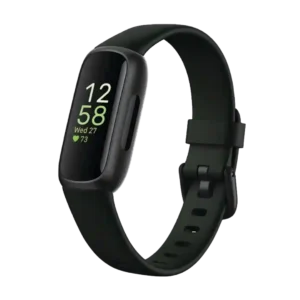
Connected GPS evidence was mixed: it could connect quickly and work well, but some reviewers found it finicky or had failed phone-GPS connections.
Pros: fitness coaching, Strava compatibility
Cons: music controls, third-party app compatibility
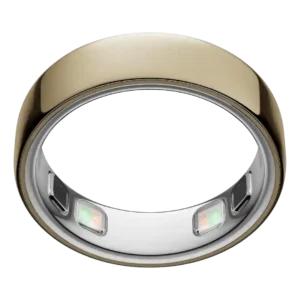
Connected GPS was useful when available, but reviewers emphasized dependence on phone GPS and found that this may not suit all runners or hikers.
Pros: pairing reliability, comfort
Cons: GPS accuracy, cadence tracking
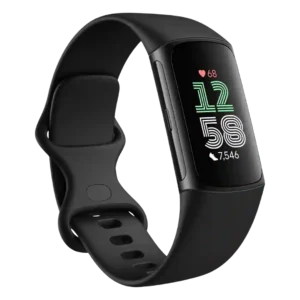
Connected GPS was generally more dependable than built-in GPS, but evidence also noted dynamic GPS could lose connection or rely heavily on the phone.
Pros: Strava compatibility, workout mode variety
Cons: elevation tracking, data syncing reliability
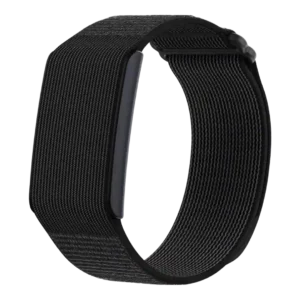
Connected GPS can provide maps and outdoor workout context through the phone, but reviewers repeatedly note the need to carry a phone and the absence of onboard GPS.
Pros: weight, calorie tracking usefulness
Cons: app alerts, button controls
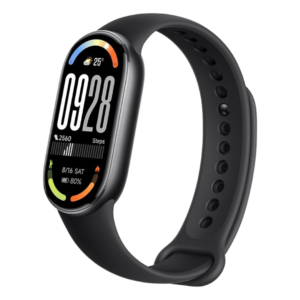
Connected GPS was acceptable when the paired phone had signal, but reviewers noted phone dependence and occasional reliability or accuracy drawbacks.
Pros: Bluetooth reliability, weight
Cons: readiness score, GPS accuracy
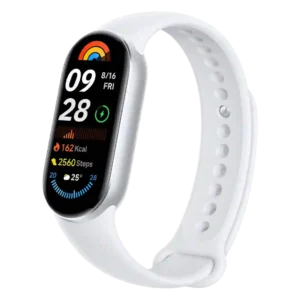
Connected GPS reliability varied, with one review reporting reliable quick connection and others noting overreported distance or unreliable phone connection.
Pros: subscription value, cadence tracking
Cons: fit, GPS accuracy
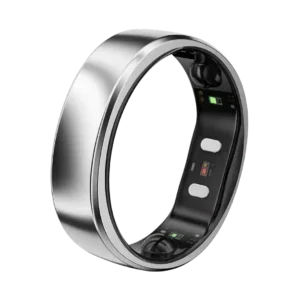
Connected GPS depends on a phone; reviewers accepted that for basic routes but treated it as a limitation for outdoor tracking.
Pros: pairing reliability, subscription value
Cons: smartphone notifications, workout mode variety
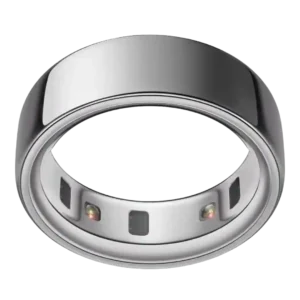
Connected GPS reliability was limited by phone location and Bluetooth requirements, which one reviewer found restrictive.
Pros: GPS accuracy, swimming tracking
Cons: alarm function, calorie tracking usefulness
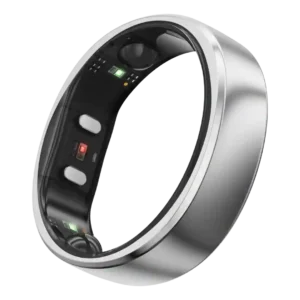
Connected GPS reliability was limited because reviewers had to bring a phone for accurate outdoor distance tracking.
Pros: subscription value, weight
Cons: Strava compatibility, third-party app compatibility
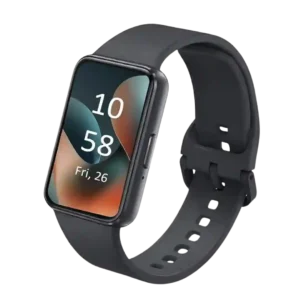
Connected GPS was specifically described as affecting tracking accuracy and proving fiddly in at least one review.
Pros: cadence tracking, find my phone feature
Cons: data syncing reliability, sleep apnea monitoring
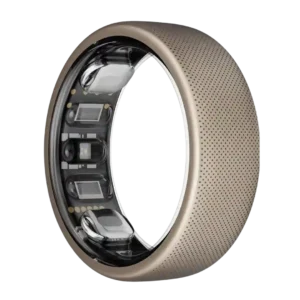
Connected GPS reliability was limited by phone dependence and connection issues, including one review that lost ring connection during a ride.
Pros: distance tracking accuracy, pairing reliability
Cons: automatic workout detection, activity reminders

Connected GPS reliability is weak in demanding scenarios, with missed maps, lost workouts, and phone-dependence repeatedly noted.
Pros: weight, step counting accuracy
Cons: cadence tracking, elevation tracking
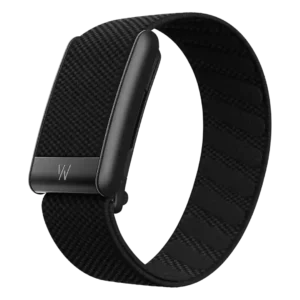
Connected GPS was limited by its phone dependence, which made the tracker less useful as a standalone workout device.
Pros: activity reminders, goal tracking
Cons: music controls, smartphone notifications
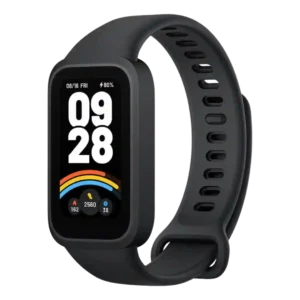
Connected GPS reliability was criticized by TechRadar, which linked distance loss to how the band connects to the phone.
Pros: alarm function, data syncing reliability
Cons: connected GPS reliability, GPS accuracy