

Review: Sennheiser IE 200 Wired Earbuds
Updated: 3 weeks ago
3.6
Based on methodology below
297
Insights analyzed
27
Grouped by key features
20
From expert reviews
Scores below reflect consolidated expert coverage across these features.
Bottom Line
Choose it for comfortable, spacious, detail-rich wired listening under $150. Skip it if you need call features or want a stock cable and tip setup that feel polished out of the box.
Best for
Audiophiles, musicians, and detail-focused listeners who want a lightweight wired IEM with strong separation and a secure, comfortable fit. It also suits people willing to tweak tips or use a better source to get the most from it.
Not for
Shoppers who want wireless convenience, calls, workout durability, or easy on-cable controls should look elsewhere. It is also a weaker fit for bassheads or anyone unwilling to deal with the stock cable and fit sensitivity.
Verdict
The IE 200 lands as a strong entry-level audiophile IEM because it combines excellent comfort, unusually good separation, and a balanced, revealing sound that works across many genres without turning boomy or muddy. Its best performance comes when the fit is right, and several reviewers say foam tips or aftermarket tips help unlock the bass and isolation. The main tradeoff is convenience: there is no mic, no inline control, and the stock MMCX cable draws repeated criticism for tangling, noise, or awkward compatibility. Even so, the core sound quality is good enough that many reviewers still see it as one of the better wired options around $150.
Pros
-
5.0based on 10 reviewsWeight comfort: 5.0, based on 10 reviewsThe tiny 4-gram earpieces are repeatedly praised for disappearing in the ear and reducing fatigue.
-
4.6based on 17 reviewsComfort during long use: 4.6, based on 17 reviewsComfort is a major strength, with many reviewers calling the small shells easy to wear for hours, even in bed or during long sessions.
-
4.5based on 9 reviewsStability: 4.5, based on 9 reviewsOnce fitted correctly, the over-ear design and secure seal keep the earbuds stable for long listening or light movement.
-
4.3based on 20 reviewsSound quality: 4.3, based on 20 reviewsReviewers consistently praise clear, balanced, high-fidelity sound with strong detail and musicality, though a few say it lacks some technical finesse or excitement versus stronger rivals. Across laptops, phones with adapters, DACs, and desktop gear, the IE 200 sounds notably clean and revealing, and several reviews say it scales up with better sources.
-
4.3based on 12 reviewsInstrument separation: 4.3, based on 12 reviewsInstrument separation and imaging are standout traits, making individual lines easy to place, though a few reviews find layering flatter than top competitors.
-
4.3based on 16 reviewsFrequency response accuracy: 4.3, based on 16 reviewsThe tuning is commonly described as balanced, mildly V-shaped, or reference-leaning, with strong overall coherence even if it is not perfectly neutral.
-
4.3based on 4 reviewsAndroid compatibility: 4.3, based on 4 reviewsWired playback on Android phones works well with the right USB-C adapter or DAC, according to the reviews that tested it.
-
4.3based on 4 reviewsIncluded accessories: 4.3, based on 4 reviewsAccessory coverage is good for the class with multiple ear tips and a pouch, though the case and cable quality keep it from feeling especially generous.
-
4.2based on 17 reviewsMidrange clarity: 4.2, based on 17 reviewsMids and vocals are usually clear, natural, and well-positioned, though some reviewers hear slightly lean lower mids or a cooler tone on guitars.
-
4.2based on 5 reviewsMulti-platform compatibility: 4.2, based on 5 reviewsThe 3.5mm connection works broadly across laptops, music players, and phones with appropriate adapters, making the IE 200 flexible across devices.
-
4.2based on 20 reviewsTreble clarity: 4.2, based on 20 reviewsTreble is widely seen as crisp and detailed without being brutally harsh, but it can sound bright, spicy, or a touch sibilant on some material.
-
4.1based on 12 reviewsSoundstage width: 4.1, based on 12 reviewsThe stage is unusually spacious for the price, often described as wide and sometimes tall, though depth and layering are less impressive than on pricier IEMs.
-
4.0based on 12 reviewsDesign and Aesthetics: 4.0, based on 12 reviewsReviewers like the compact, understated black design and discreet fit, even if it lacks the luxury feel of metal-bodied siblings.
-
4.0based on 11 reviewsEar tip size options: 4.0, based on 11 reviewsThe package includes both silicone and foam tips in multiple sizes, but several reviews say seal quality is highly tip-dependent and stock silicone tips can be finicky.
-
4.0based on 5 reviewsBuild quality: 4.0, based on 5 reviewsBuild quality is usually viewed as solid and functional for the price, but the plastic shells feel less premium than higher IE models.
-
4.0based on 2 reviewsMaximum volume clarity: 4.0, based on 2 reviewsLimited evidence says the IE 200 stays composed at higher playback levels without turning muddy or congested.
-
4.0based on 19 reviewsBass performance: 4.0, based on 19 reviewsBass is generally controlled, punchy, and well-balanced rather than bloated, but seal sensitivity can thin it out and bassheads may want more weight or texture.
-
4.0based on 12 reviewsNoise isolation (passive): 4.0, based on 12 reviewsPassive isolation is generally good with a proper seal and improves with foam tips, though silicone tips can leak more and it is not close to ANC silence.
-
3.8based on 6 reviewsVolume output: 3.8, based on 6 reviewsPower demand is mixed: some find it easy enough to drive, while others report limited headroom from weaker phone outputs and better dynamics from DACs or amps.
-
3.6based on 16 reviewsDetachable cable convenience: 3.6, based on 16 reviewsRemovable MMCX cables improve repairability, but the recessed connector design limits easy aftermarket replacements and reduces convenience.
Cons
-
3.0based on 18 reviewsCable quality: 3.0, based on 18 reviewsThe cable is the most divisive part: some like the light braided design, but many criticize tangling, microphonics, cheap feel, or proprietary fit frustrations.
-
3.0based on 8 reviewsCarry case quality: 3.0, based on 8 reviewsThe included pouch is serviceable for storage, but reviewers often describe it as basic, soft, and not especially protective or premium.
-
1.0based on 7 reviewsButton control usability: 1.0, based on 7 reviewsThe IE 200 has no inline remote or physical controls, so playback and volume changes must be handled on the source device.
-
1.0based on 7 reviewsIntegrated microphone: 1.0, based on 7 reviewsThese earbuds do not include an integrated microphone.
-
1.0based on 7 reviewsMicrophone quality for calls: 1.0, based on 7 reviewsBecause there is no mic, the IE 200 is a poor fit for calls unless you use another microphone.
-
1.0based on 1 reviewWater/sweat resistance rating: 1.0, based on 1 reviewOne review explicitly says there is no water resistance, and no review presents it as a workout-focused model.
FAQ
Is the Sennheiser IE 200 good for audiophile listening at this price?
Yes. Across the reviews, its biggest strengths are clear sound, strong instrument separation, a spacious stage for the class, and excellent comfort. It is widely treated as a serious wired option around $150, even if a few rivals beat it on accessories or raw technical value.
Does it have a microphone or playback controls?
No. Multiple reviews explicitly note that there is no integrated mic and no inline remote, so calls and playback controls must be handled on your phone, laptop, or DAC.
Do you need a DAC or adapter to use it with a phone?
Usually yes. The IE 200 terminates in a 3.5mm plug, so modern phones typically need a USB-C or Lightning adapter. Some reviews also say the earbuds sound more dynamic from better sources, though others found them easy enough to drive.
What is the main weakness buyers should know about?
The stock cable and fit tuning are the biggest recurring complaints. Several reviews mention tangling, cable noise, awkward MMCX compatibility, or the need to experiment with foam or aftermarket tips to get the best bass and seal.
Reviews we analyzed
Video Reviews




Article Reviews



Sound Guys

Trustedreviews

Pocket-lint
Best Earbud Headphones
#1
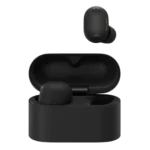
4.3
Choose Sony WF-1000XM6 for top-tier noise canceling and a spacious, punchy sound; Skip if you struggle with foam-tip comfort/fit or want the most...
Pros: USB-C, LDAC, Codec support, Smudge resistance, Soundstage width, Active noise cancellation effectiveness, Sound quality
Cons: None
#2
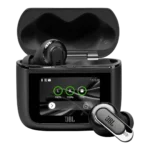
4.3
Choose JBL Tour Pro 3 for feature-hungry listeners who want a smart-case transmitter and lively sound. Skip if you need the smallest, most...
Pros: Dongle, Codec support, Ear tip size options, Equalizer customization, LDAC, Android compatibility, Carry case quality
Cons: None
#3
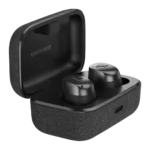
4.3
Choose for top-tier sound and a feature-rich, future-proof codec stack; Skip if you prioritize the very best ANC or consistently clean calls in...
Pros: Codec support, aptX, Sensors, Build quality, Sound quality, Soundstage width, Bass performance
Cons: Spatial audio, Find My
#4
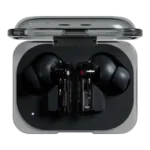
4.2
Choose Nothing Ear (a) if you want standout design, very good sound, and easy daily comfort for under $100. Skip it if you...
Pros: Comfort during long use, Software/setup simplicity, LDAC, Multi-platform compatibility, Design and Aesthetics, Noise cancellation adjustability, Instrument separation
Cons: none