Best for Android compatibility
EarFun Clip 2
5.0 feature score
Highest scored product for this feature based on supporting review evidence.
Highest scored product for this feature based on supporting review evidence.
Balances feature score, supporting reviews, and overall product strength.
Has the broadest review evidence for this feature.
Strongest overall product among items with scored evidence for this feature.
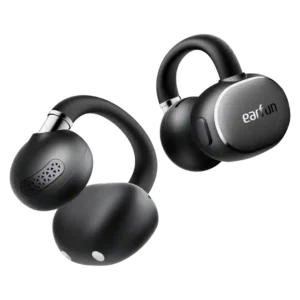
Google Fast Pair and LDAC make Android setup and daily use especially strong across Samsung, Pixel, Motorola, and other compatible phones.
Pros: Weight comfort, Hinge durability
Cons: Active noise cancellation, Sensors
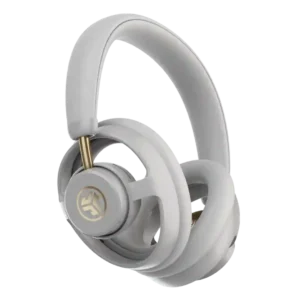
Google Fast Pair works quickly, and Android users report an easy setup with the JLab app. The Android experience is considered convenient and less intrusive than some competing apps.
Pros: Headband adjustability, Voice assistant integration
Cons: Maximum volume clarity, Xbox compatibility
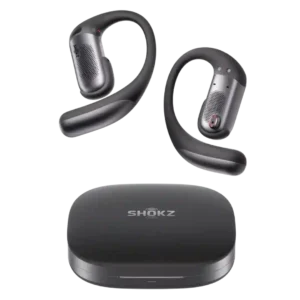
Android and Pixel use is broadly smooth, with easy connection and full app compatibility reported.
Pros: Voice assistant integration, Android compatibility
Cons: Maximum volume clarity, Packaging condition
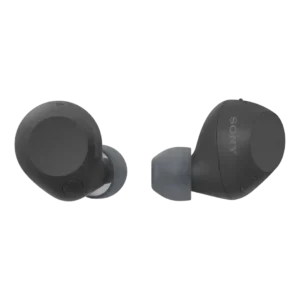
Android compatibility was positive where tested, including Android pairing and no cross-platform issues.
Pros: Weight comfort, Android compatibility
Cons: Lossless audio support, Ear tip size options
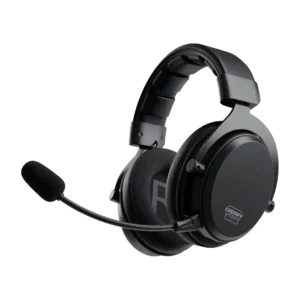
Android compatibility was supported by a reviewer who paired the headset with a Pixel phone and said it worked seamlessly.
Pros: Volume output, Audio-video sync accuracy
Cons: Xbox compatibility, Equalizer customization
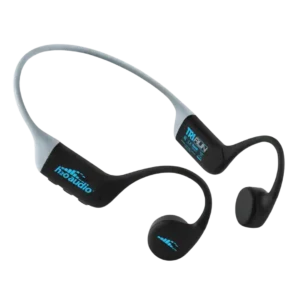
Pairing with a Samsung Galaxy phone worked without issues in the available Android test. No broader Android-specific problems were reported.
Pros: Weight comfort, Water/sweat resistance rating
Cons: Microphone noise reduction, Equalizer customization
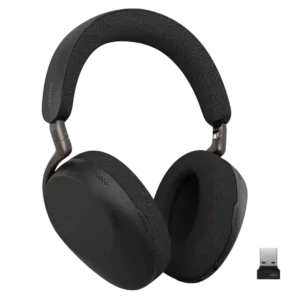
A Samsung/Android setup handled dual Bluetooth media output without the shared-audio restriction the tester encountered on iPad.
Pros: Frequency response accuracy, Clamping force comfort
Cons: Volume output, aptX
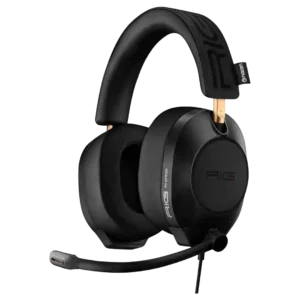
Android compatibility worked well in the test evidence, with Android included among platforms that had no issues.
Pros: Audio-video sync accuracy, Battery
Cons: Bluetooth, Active noise cancellation
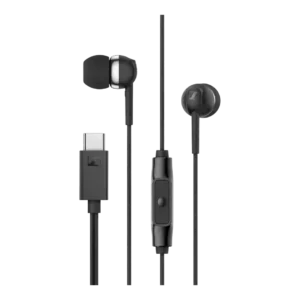
Android-style USB-C use was strong in Tom’s Guide testing, where the earbuds worked seamlessly with a Google Pixel phone.
Pros: Comfort during long use, USB-C
Cons: Microphone noise reduction, Water/sweat resistance rating
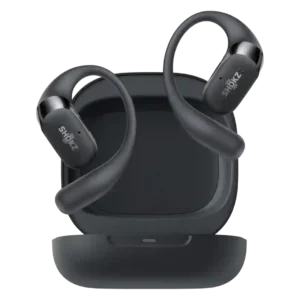
One reviewer reports no issues using the earbuds with a Google Pixel, supporting Android compatibility in practice.
Pros: Microphone noise reduction, Bluetooth
Cons: Active noise cancellation, Codec support
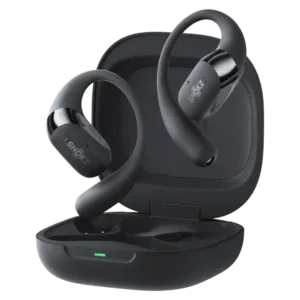
Android compatibility received one direct positive test result alongside iOS compatibility.
Pros: Clamping force comfort, Battery
Cons: Active noise cancellation, Noise isolation (passive)
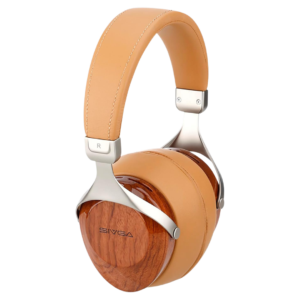
One owner reported excellent performance with an LG G8X, though phones without a headphone jack may still need an adapter.
Pros: Button control usability, Removable microphone
Cons: Customer support, Workout heat and sweat buildup
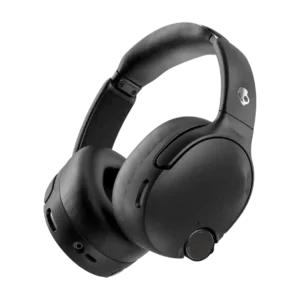
Android pairing is straightforward through Google Fast Pair. The app and multipoint features also worked smoothly in direct Android testing.
Pros: Treble clarity, Instrument separation
Cons: Codec support, Headband adjustability
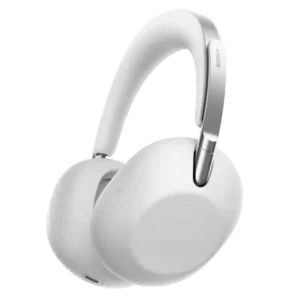
Android pairing is quick through Google Fast Pair, and Android users also gain straightforward access to LDAC and Sony’s full app controls.
Pros: Microphone noise reduction, Multipoint connectivity reliability
Cons: Water/sweat resistance rating, Gaming performance

Android compatibility had limited but strong support, including near-instant Google Fast Pair and Android-specific hi-res support.
Pros: Android compatibility, Software/setup simplicity
Cons: Active noise cancellation, Noise isolation (passive)
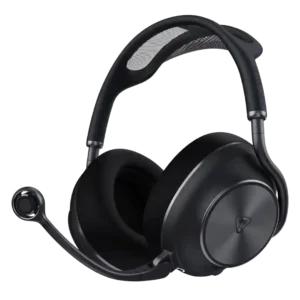
The Android version of Swarm II mirrors the useful PC controls, letting players adjust headset settings from a phone while using another gaming source.
Pros: Codec support, Packaging quality
Cons: Multipoint connectivity reliability, Replaceable ear plates
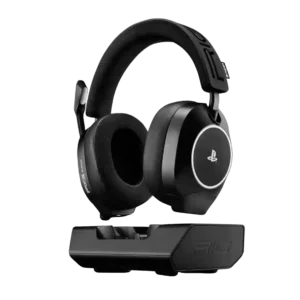
Android compatibility worked well in one review, with virtually instant connection on a Galaxy Fold device.
Pros: Spatial audio, Positional audio accuracy
Cons: Carry case quality, Detachable microphone convenience
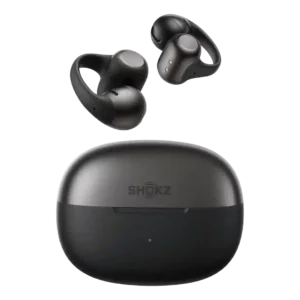
Android pairing came across as easy in the hands-on test, with Google Fast Pair connecting quickly. Android-specific feedback is limited but positive.
Pros: Android compatibility, Multi-platform compatibility
Cons: Auracast support, Active noise cancellation
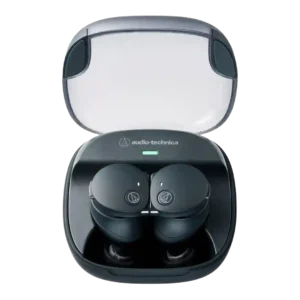
Android pairing was praised through Google Fast Pair and straightforward setup on Android devices.
Pros: Battery, Software/setup simplicity
Cons: Sensors, Voice assistant integration
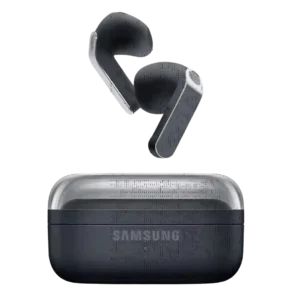
Android use is a clear strength, especially on Galaxy phones where pairing and settings feel deeply integrated. Non-Samsung Android phones generally work well too, but some premium features remain Galaxy-only.
Pros: Audio-video sync accuracy, Integrated microphone
Cons: Warranty and support service, Ear tip size options

Android compatibility is strong because reviewers emphasize that a OnePlus phone is not necessary to access core features.
Pros: Android compatibility, Bluetooth
Cons: Smudge resistance, Cable quality
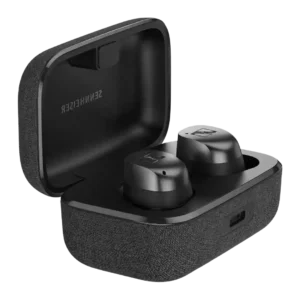
Android compatibility is praised where Snapdragon/lossless support and Android EQ options matter, with no Android issues in one test.
Pros: Maximum volume clarity, Stability
Cons: Spatial audio, Microphone noise reduction

Android compatibility was a strength because Fast Pair and LDAC access made Android the fuller experience.
Pros: Smart Pause performance, Wear detection performance
Cons: Water/sweat resistance rating, Wind noise handling
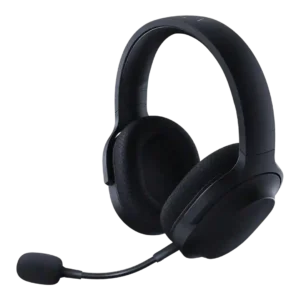
Android compatibility was consistently positive when mentioned, with reviewers appreciating USB-C or wireless use on Android phones.
Pros: Cable quality, Hinge durability
Cons: aptX, Active noise cancellation
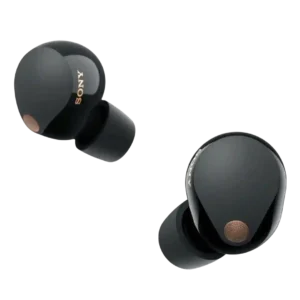
Android compatibility was a strength thanks to easy pairing, LDAC, app support, and better value for Android users than AirPods-style ecosystems.
Pros: Weight comfort, Noise isolation (passive)
Cons: aptX, Find My
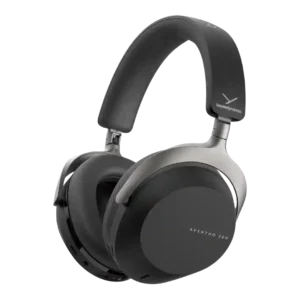
Android compatibility is positive in testing that found Android and iOS pairing/features equally smooth.
Pros: Battery, Volume output
Cons: Preset EQ profile quality, Weight comfort
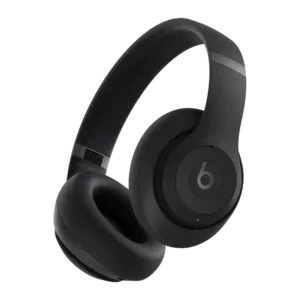
Android compatibility was a major strength, with reviewers praising cross-platform support and Android-specific pairing features.
Pros: Audio-video sync accuracy, Android compatibility
Cons: Water/sweat resistance rating, Auto-play/wear detection
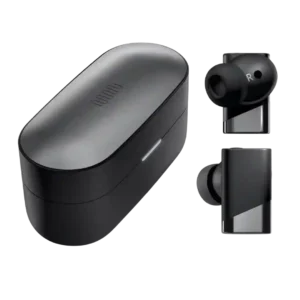
Android compatibility is a strength thanks to easy pairing, LDAC, Fast Pair, and generally Android-friendly positioning.
Pros: Maximum volume clarity, Sound quality
Cons: Spatial audio, Software/setup simplicity
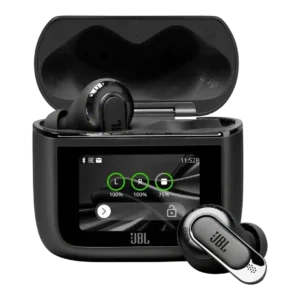
Android compatibility was praised mainly through LDAC support and Android hi-res advantages.
Pros: Codec support, Dongle
Cons: Sound leakage, Find My
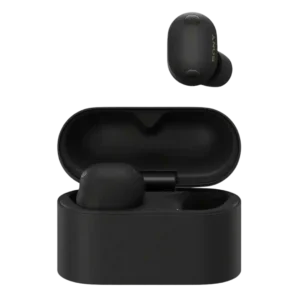
Android support is a clear strength because LDAC and Android-only spatial features can matter, though several reviewers noted iPhone users miss those benefits.
Pros: Maximum volume clarity, Audio-video sync accuracy
Cons: Sidetone adjustment quality, Software/setup simplicity
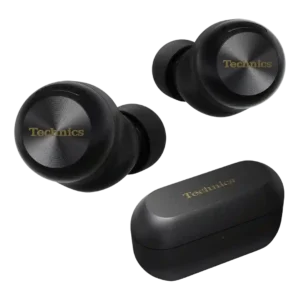
Android compatibility is praised for LDAC, fast pairing, and strong ANC value with Android phones.
Pros: Volume output, Maximum volume clarity
Cons: aptX, Auracast support
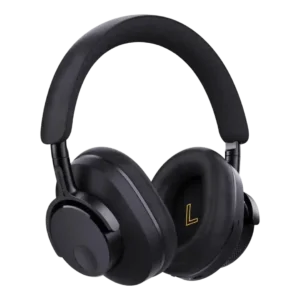
Android compatibility was positive, with Android USB recognition and Google Fast Pair both described favorably.
Pros: Award recognition, Battery
Cons: Water/sweat resistance rating, Touch control responsiveness
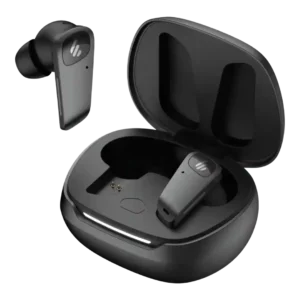
Android compatibility is positive, with easy Android pairing and Android-only hi-res codec benefits noted.
Pros: Instrument separation, Codec support
Cons: Spatial audio, Volume output
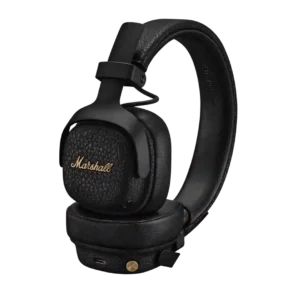
The Marshall app works on both Android and iOS, giving both platforms access to sound and ANC customization.
Pros: Multipoint connectivity reliability, Codec support
Cons: aptX, Smart Pause performance
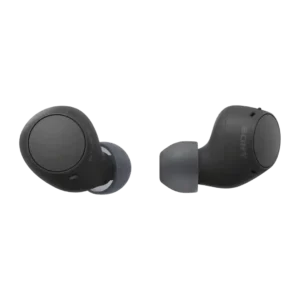
Android compatibility is positive where tested, especially Google Fast Pair and app-supported pairing that reviewers describe as uncomplicated or fast.
Pros: Weight comfort, Multipoint connectivity reliability
Cons: aptX, Active noise cancellation
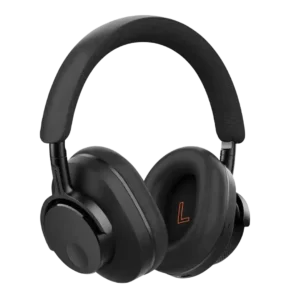
Android setup worked smoothly in the tested pairing flow, with the reviewer connecting quickly to a Samsung foldable device.
Pros: Codec support, aptX
Cons: LDAC, Water/sweat resistance rating
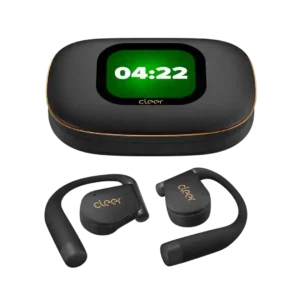
Android users receive the fullest codec experience, including LDAC and Snapdragon-related options. iOS remains usable and solid but is limited to SBC and AAC.
Pros: Instrument separation, Multipoint connectivity reliability
Cons: Noise isolation (passive)
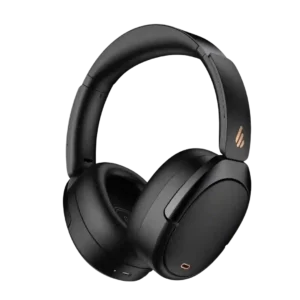
Android users were presented as getting the strongest wireless-quality benefit from LDAC support.
Pros: Instrument separation, USB-C
Cons: Button control usability, Maximum volume clarity
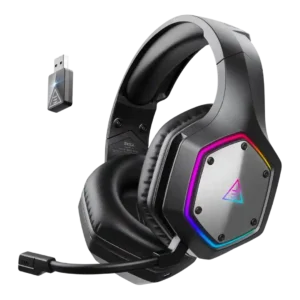
Android compatibility had limited but positive evidence from one reviewer who reported the same good listening experience on Android.
Pros: Audio-video sync accuracy, Wireless latency
Cons: Midrange clarity, Ear cup swivel/rotation range
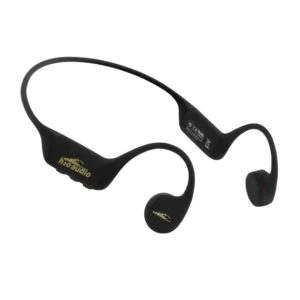
Android compatibility is supported by a reviewer pairing successfully with a Google Pixel phone.
Pros: Water/sweat resistance rating, Weight comfort
Cons: Equalizer customization, Instrument separation

Android users get the fullest wireless experience through LDAC, with cleaner and more detailed playback reported on compatible Samsung hardware.
Pros: Maximum volume clarity, Charging
Cons: 3.5mm analog input availability, Cable quality
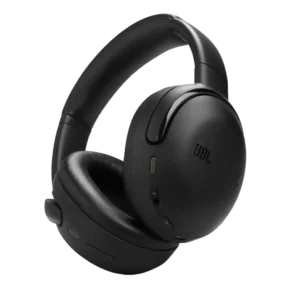
Android setup received a positive note for Google Fast Pair, which made pairing quick and simple.
Pros: Immersive audio quality, ANC background noise level
Cons: Replaceable pads/headband, Replaceable earpads
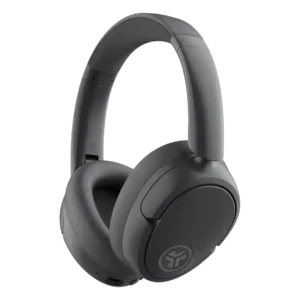
Android pairing was praised as breezy in Tom’s Guide, with additional Android Find My support noted elsewhere.
Pros: Multipoint connectivity reliability, Battery
Cons: Water/sweat resistance rating, Transparency mode quality
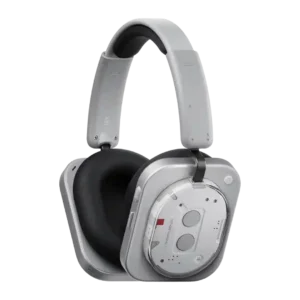
The six-month review praised the app for working on both iOS and Android, supporting strong Android usability.
Pros: Smart Pause performance, App
Cons: Wear detection performance, Wear detection auto-pause
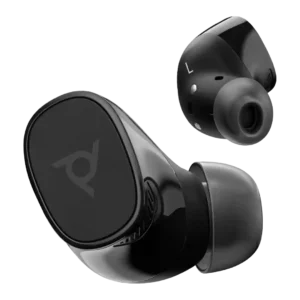
Android use was supported by real-world Samsung pairing in one review, where switching among devices was described as seamless.
Pros: Charging, Instrument separation
Cons: Spatial audio, Sidetone adjustment quality
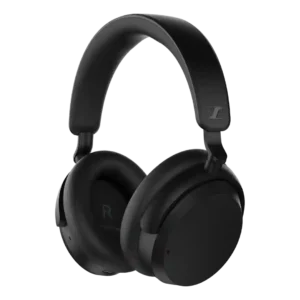
Android compatibility was positive in the one review that described Android pairing as quick and easy.
Pros: Audio-video sync accuracy, Software/setup simplicity
Cons: Water/sweat resistance rating, 3.5mm analog input availability
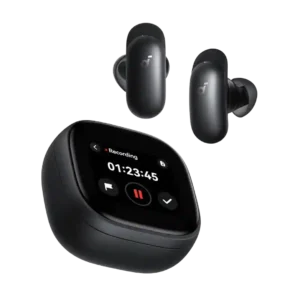
Android users benefit from Fast Pair, LDAC, and reported success with Samsung and Honor phones. The best Android experience comes when users accept the LDAC and multipoint tradeoffs.
Pros: Microphone noise reduction, Stability
Cons: Lossless audio support, Spatial audio
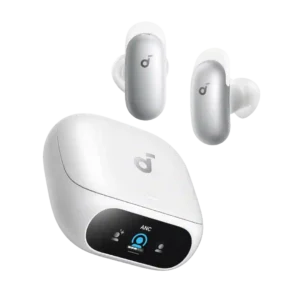
Android users have a better story here than iPhone users. One customer says the buds work very well with Android, while expert coverage also highlights Android-friendly LDAC support.
Pros: Maximum volume clarity, Noise isolation (passive)
Cons: Apple H2 chip support, Treble clarity
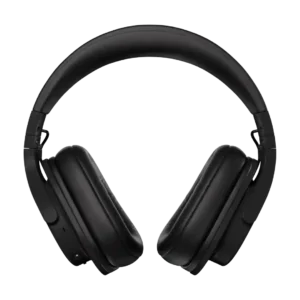
Android compatibility was praised because Google Fast Pair got Android users running quickly.
Pros: Audio-video sync accuracy, Clamping force comfort
Cons: Transparency mode quality, Sustainability and repairability
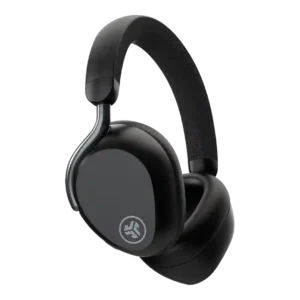
Android compatibility was positive in the direct mentions, especially with Google Assistant and Android use.
Pros: Award recognition, Audio-video sync accuracy
Cons: ANC sound impact on audio, ANC effect on sound signature