If you want better art direction
Choose Ghost of Yōtei. It scores 4.9 vs 1.5 for art direction, with a 4.4 overall score.
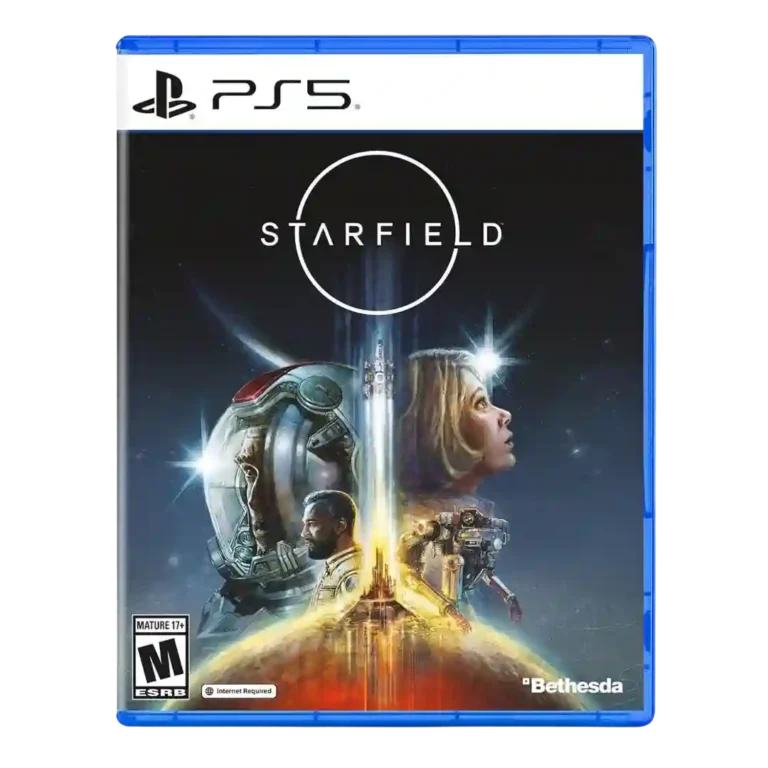
Choose Starfield if you want a huge Bethesda-style sci-fi sandbox with ship building, quests, and room to wander. Skip it if loading screens, menus, bugs, or thin planet exploration will wear you down.
Best for players who want a long sci-fi RPG sandbox with ship building, side quests, faction stories, and lots of systems to tinker with.
Not for players who need seamless exploration, tight pacing, clean menus, or a polished story-first space adventure.
Starfield lands as a big, messy Bethesda RPG in space: deep enough to absorb players who enjoy self-directed questing, ship building, combat, and long-haul character growth, but uneven enough to frustrate anyone expecting seamless space exploration. Reviews repeatedly praise the scope, side quests, audio-visual presentation, and improved gunplay. The tradeoff is just as clear: menus, fast travel, loading screens, empty planets, and lingering bugs often break the fantasy. Its best moments come when you accept the game on its own sandbox terms; its weakest moments come when it asks the universe to feel vast through interfaces and repeated transitions.
Compared with other Video Games, this product is above average in family friendliness, puzzle design, polish, near average in fun factor, bug frequency, below average in art direction, accessibility options, gameplay mechanics.
| Attribute | This product | Category average | Difference |
|---|---|---|---|
| art direction | 1.5 | 4.5 | -3.0 |
| accessibility options | 1.0 | 3.9 | -2.9 |
| gameplay mechanics | 1.5 | 4.1 | -2.6 |
| level design | 1.5 | 3.9 | -2.4 |
| onboarding experience | 1.5 | 3.9 | -2.4 |
| world-building | 2.0 | 4.3 | -2.3 |
| load times | 2.2 | 3.9 | -1.8 |
| atmosphere | 2.5 | 4.5 | -2.0 |
Choose Ghost of Yōtei. It scores 4.9 vs 1.5 for art direction, with a 4.4 overall score.
Choose Kingdom Come: Deliverance II. It scores 4.7 vs 2.3 for writing quality, with a 4.3 overall score.
Choose Monster Hunter Stories 3: Twisted Reflection. It scores 4.8 vs 1.5 for level design, with a 4.2 overall score.
Choose The Rogue Prince of Persia. It scores 5.0 vs 2.5 for crash stability, with a 4.0 overall score.
Products reviewers directly compared with this model, grouped into quick takeaways.
It can be very fun for Bethesda RPG fans who enjoy wandering, building ships, chasing quests, and making their own goals. Reviewers who wanted seamless exploration or a sharper story were much less enthusiastic.
Combat is usually seen as one of Starfield’s better systems, with several reviewers calling the gunplay strong for Bethesda. A minority still find it basic or only serviceable.
Reports are mixed. Some reviewers and customers call it relatively polished, while others describe freezes, crashes, broken interactions, and bugs that interrupt play.
No. Many reviews complain that menus, loading screens, and fast travel make space feel fragmented, even though updates and ship systems improve parts of the experience.
The story is divisive. Some reviews like the main quest or use it as a guide through the world, while others call the writing flat, weak, or forgettable.
Players who like open-ended RPGs, ship customization, faction quests, long playtimes, and Bethesda’s familiar structure are the strongest fit.
These are a few of the reviews included in our analysis.
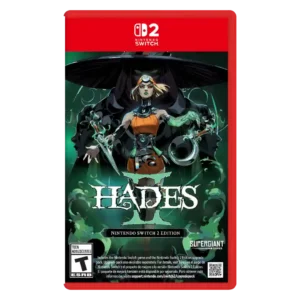
Good if you want fast, tactical roguelite combat with huge progression depth, striking art, and standout music. Skip it if repetition, resource micromanagement, or a less emotionally satisfying sequel story...
Pros: skill tree depth, dialogue quality
Cons: emotional impact, economy and resource balance
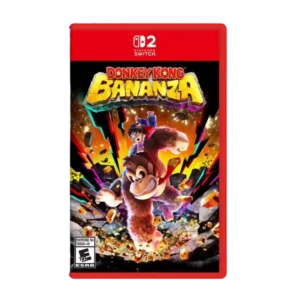
Best for joyful destruction, dense exploration, and a charming DK-Pauline adventure. Skip it if camera quirks, frame-rate dips, easy bosses, or premium Switch 2 pricing are dealbreakers.
Pros: gameplay mechanics, world interactivity
Cons: economy and resource balance, enemy variety
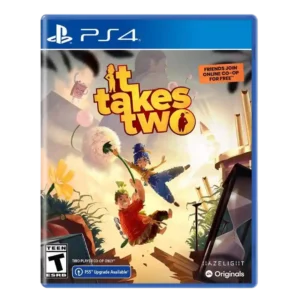
Best for joyful, inventive co-op with a partner, especially on couch. Skip it if divorce themes, uneven story tone, or Switch visual compromises would distract you.
Pros: core gameplay loop, movement feel
Cons: character development, dialogue quality
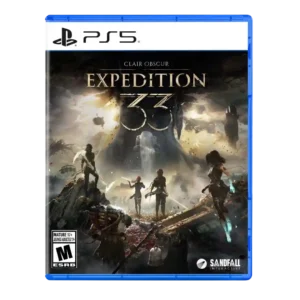
Choose Clair Obscur if you want a story-rich RPG with thrilling timed combat, gorgeous art, and standout music. Skip it if poor maps, tight parry timing, or occasional bugs and...
Pros: monetization fairness, microtransaction impact
Cons: platforming precision, menu usability