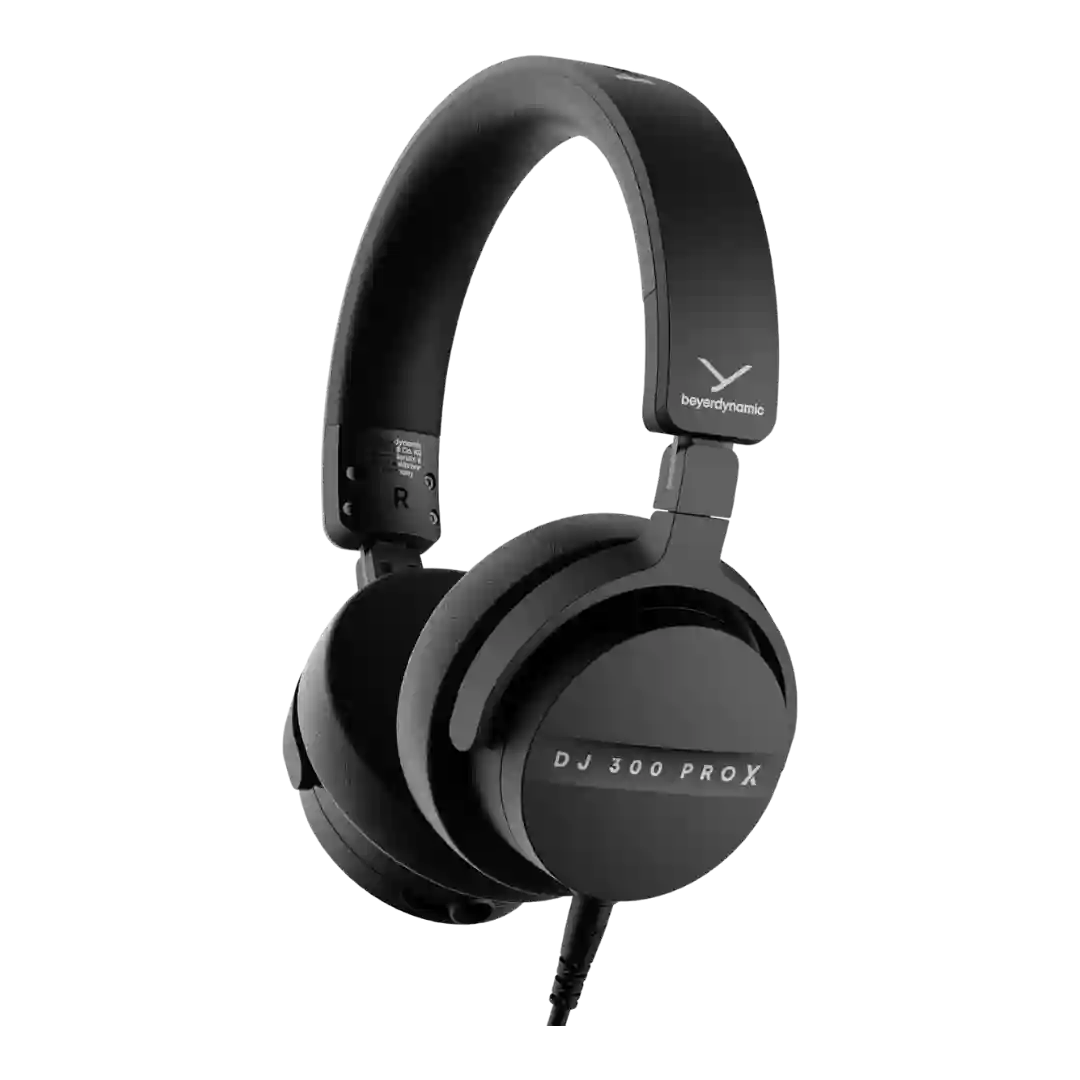
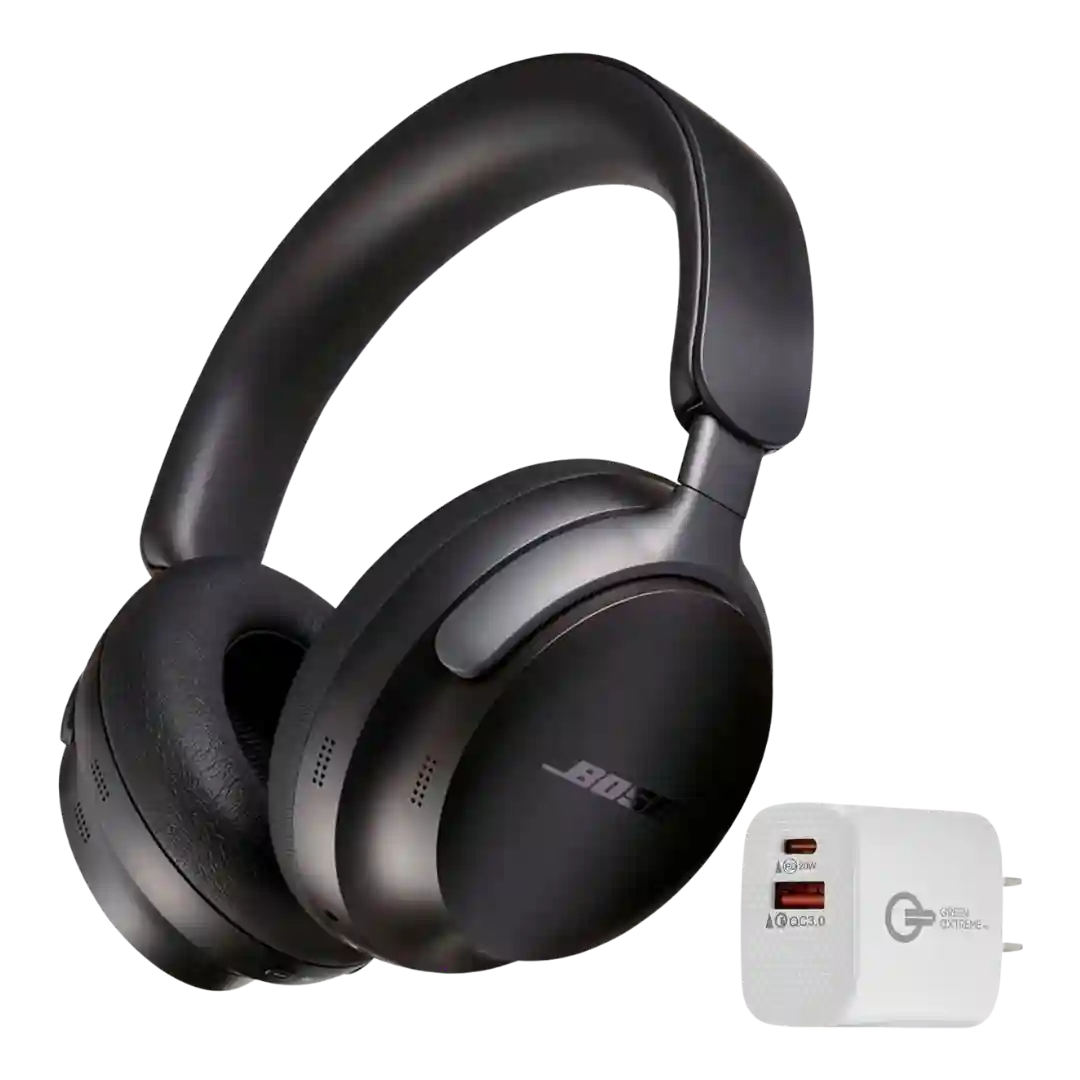
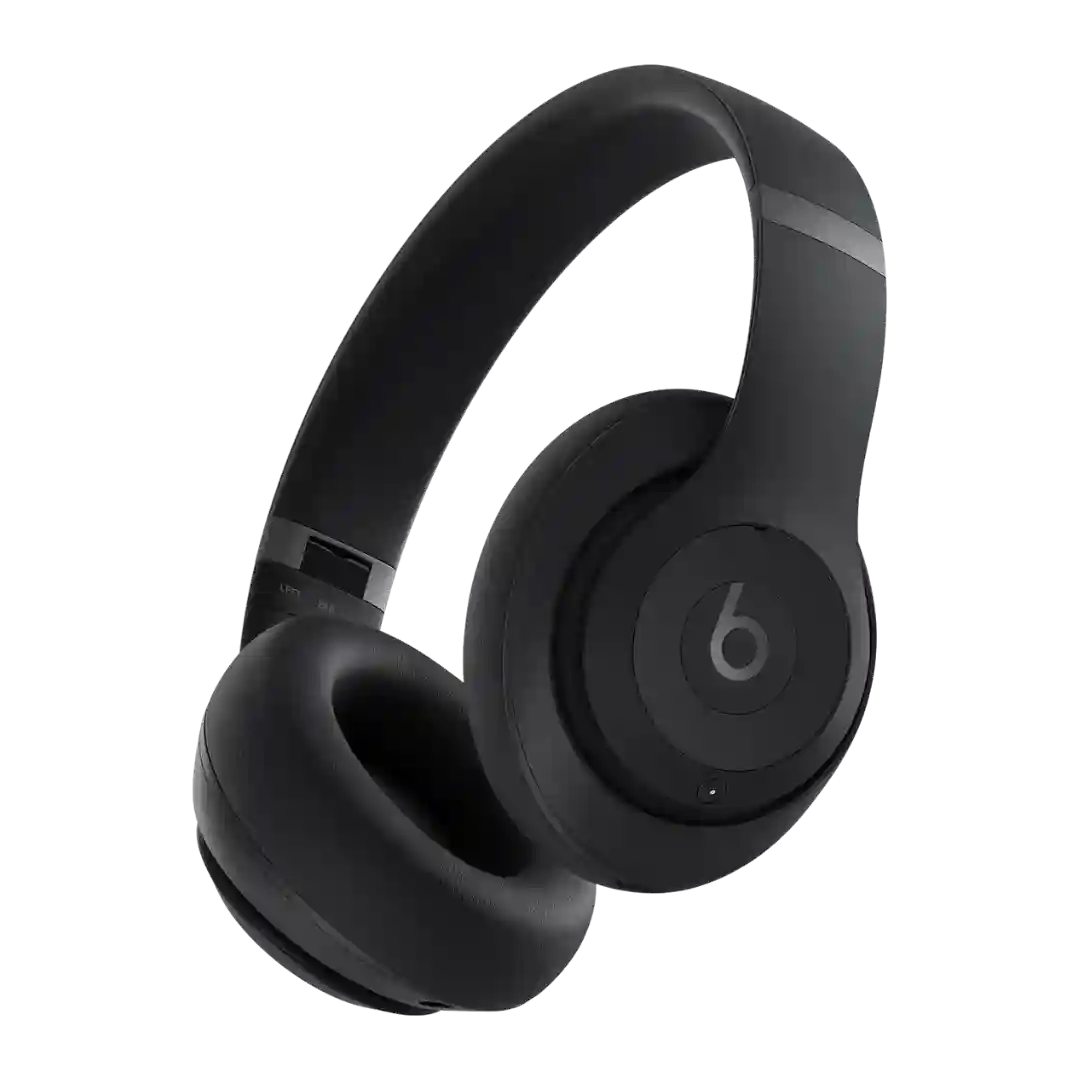
Bass is one of the most praised traits, described as deep, punchy, controlled, and well suited to beatmatching and cueing. Reviewers repeatedly say it hits hard without turning muddy or boomy.
Bass is repeatedly described as deep, powerful, or bass-forward, with good impact for games and music, though a few reviews note a warmer tilt rather than ultra-tight neutrality.
Bass is repeatedly described as deep, punchy, and well controlled, adding weight without drowning details. Some listeners feel the stock bass tilt is more consumer-friendly than neutral, and prefer trimming it via EQ.
Bass is typically described as tight and controlled in Hi-Fi mode with convincing weight, while Bass mode adds slam and warmth without turning into a boomy mess, though it can trade away some treble presence.
Bass is consistently described as impactful and controlled rather than boomy, with strong definition. Some listeners find it bass-forward at higher volumes, while others want a bit more sub-bass weight.
Bass is described as deep, rich, and punchy with better control than prior generations, though some call it intentionally boosted. EQ tools make it easy to rein in low-end weight or add more slam.
Bass is generally praised for depth, slam, texture, and control, though several reviewers note the default tuning can run a little warm, boomy, or heavy before EQ.
Bass is punchy and deep with strong slam, and many reviewers highlight it as a core strength. A few find the stock low end a bit thick for vocals or podcasts, but EQ presets make it easy to trim or boost.
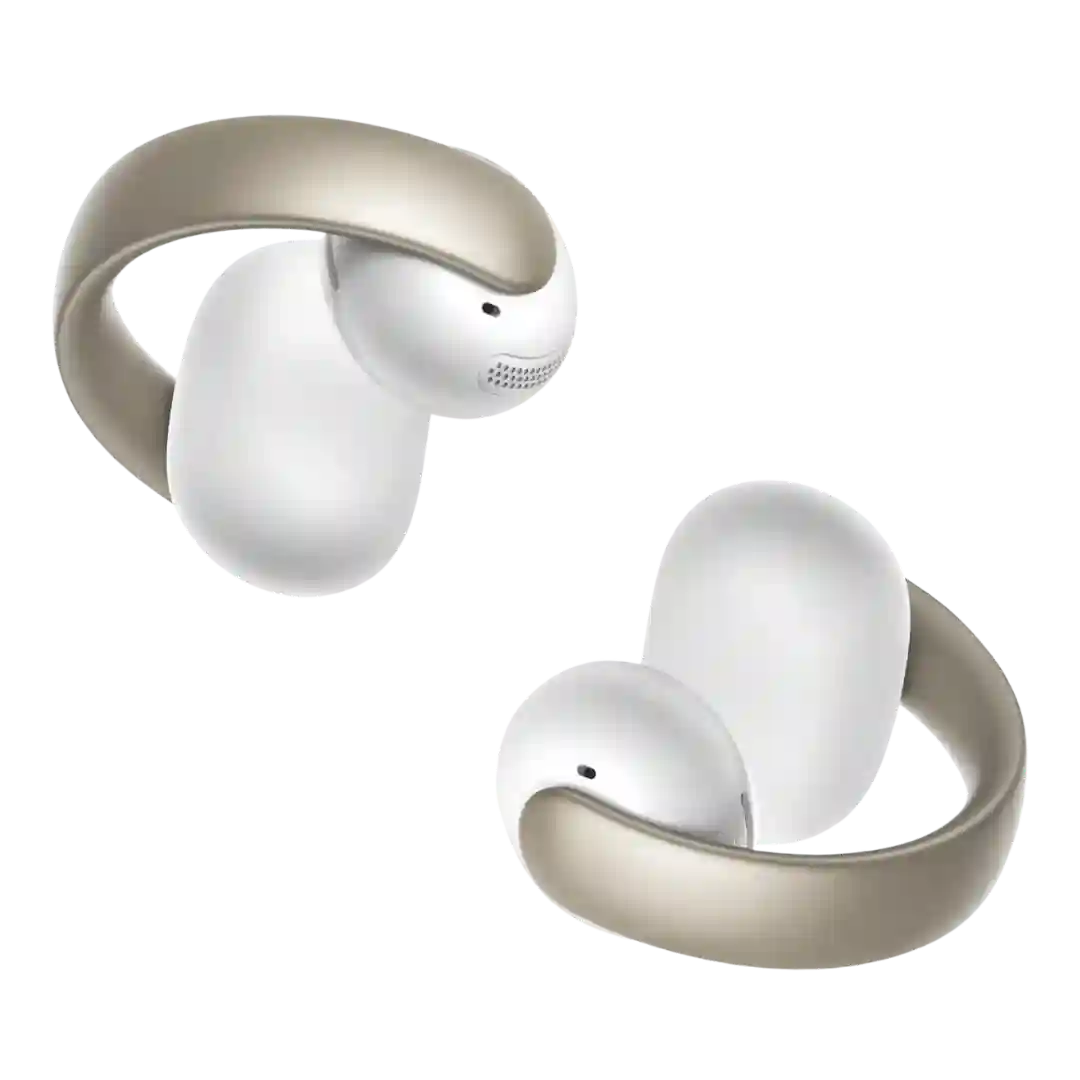
Bass is repeatedly described as improved, richer, and stronger for an open-ear design, but reviewers still note it cannot match the punch of good in-ear earbuds.
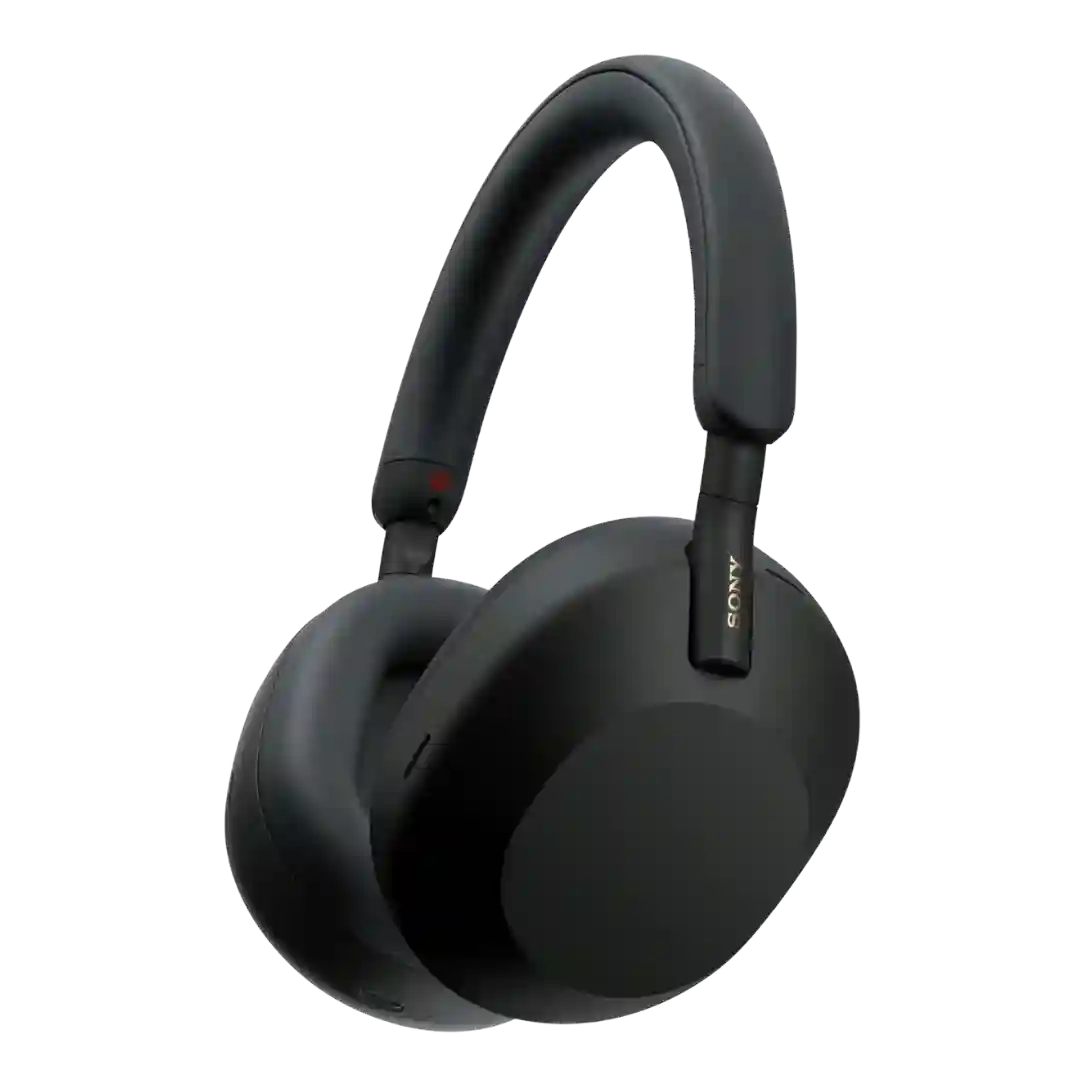
Bass is widely described as punchy and satisfying with better control than XM5, though a few listeners still find the low end a bit dominant unless you EQ it.
Bass is a standout: reviewers repeatedly call it deep, punchy, and well controlled, especially with bass-boost options, though some feel the default tuning can lean too bassy.
Bass is generally praised as tight and controlled with good punch for explosions and low-end detail; several reviewers note it can be tailored further with game presets or EQ when you want more impact.
Bass is typically slightly boosted yet controlled, giving impact for games and music without turning muddy. Several reviewers note it does not become subwoofer-like even with EQ, but it stays punchy and clean.
Bass is widely described as deep, punchy, and well-controlled, but a minority of reviewers thought the low end could overpower some tracks without EQ tweaks.
Bass is a standout strength, with reviewers repeatedly calling it punchy, warm, and satisfyingly deep for an open-fit earbud. It is not as textured as the Pro model, but it gives the Buds 4 a lively, full sound.
Bass is frequently praised as impactful and well controlled, with Immersion mode letting you add heft without obvious bleed; a few listeners still find the default or certain profiles bass-light or overly sculpted.
Bass is widely called strong and satisfying with good sub-bass presence for an in-ear seal. Some critiques mention it can be less tight or less dominant than bass-forward competitors depending on track and preference.
Bass is a defining trait: many call it punchy, tight, and engaging, but several note the default tuning can be bass-forward (or fit-dependent) and may need EQ to avoid mid-bass dominance.
Bass is commonly described as impactful and powerful, especially with DynamEQ, but a few reviewers find it can get boomy or overpowering on the stock SE tuning and can vary by track.
Bass is consistently highlighted as powerful and well-controlled for a Beats product, adding drive without usually overwhelming the mix, though it can boom at high volumes for some listeners.
Bass is generally described as punchy and impactful for games without overwhelming everything else. A few reviewers call it only above-average for music, and some note bass balance changes depending on ANC or EQ settings.
Bass is generally described as punchy and well-controlled, elevated enough for impact without smothering the mix; a few note it is not the hardest-hitting choice for bass-heavy electronic tracks.
Bass is commonly described as elevated and impactful without constant bleed, but several reviewers note it can be a bit much stock and may benefit from EQ to reduce boom or flab in some tracks.
Bass is frequently described as punchy and textured without obvious distortion, though a few reviewers prefer a leaner low end and rely on EQ to tailor it.
Bass is generally controlled and textured, with some listeners hearing a fuller, pillowy low end and others calling it restrained or dry compared with bassier alternatives. Sub-bass is present but not the main emphasis, so slam-heads may want more weight.
Bass is energetic and satisfying, with enough weight for pop and hip-hop, but the default tuning can lean bass-heavy until you dial it back in the app.
Bass is widely praised as deeper, punchier, and more controlled than the prior model, though a couple reviewers still describe it as warm or occasionally one-note depending on genre and settings.
Bass is generally punchy and full, helping games feel lively, but some reviewers found it a bit too forward or aggressive and less controlled than pricier alternatives.
Bass is a defining trait: often described as powerful and punchy, sometimes even thunderous. Whether it is a plus or a minus depends on your taste, and several reviews suggest using EQ/BassWave to moderate it.
Bass is generally portrayed as well-defined with a mild boost; it competes with outside noise without dominating vocals for most listeners. Some reviewers wanted more bass punch, while others felt the boosted low end contributed to a muddier presentation on certain tracks.
Bass is generally punchy and enjoyable, but the default low-end emphasis can bleed into the mids for some content; reducing Clear Bass or using EQ is a frequent recommendation.
Bass is generally described as punchy and better controlled than older Beats, with satisfying sub-bass that usually avoids bloat. A few listeners want either more thump or less heft, but distortion at high volumes is rarely reported.