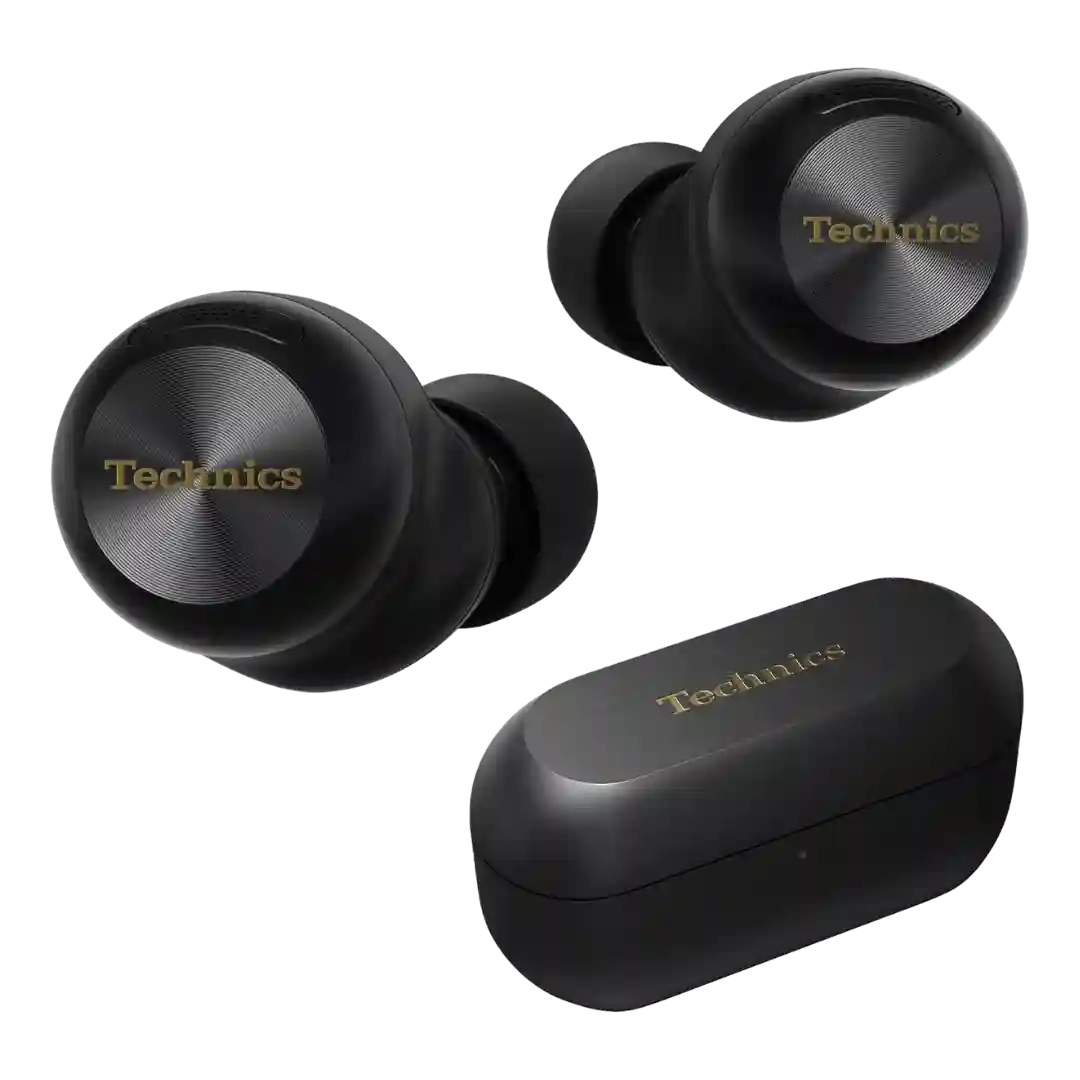
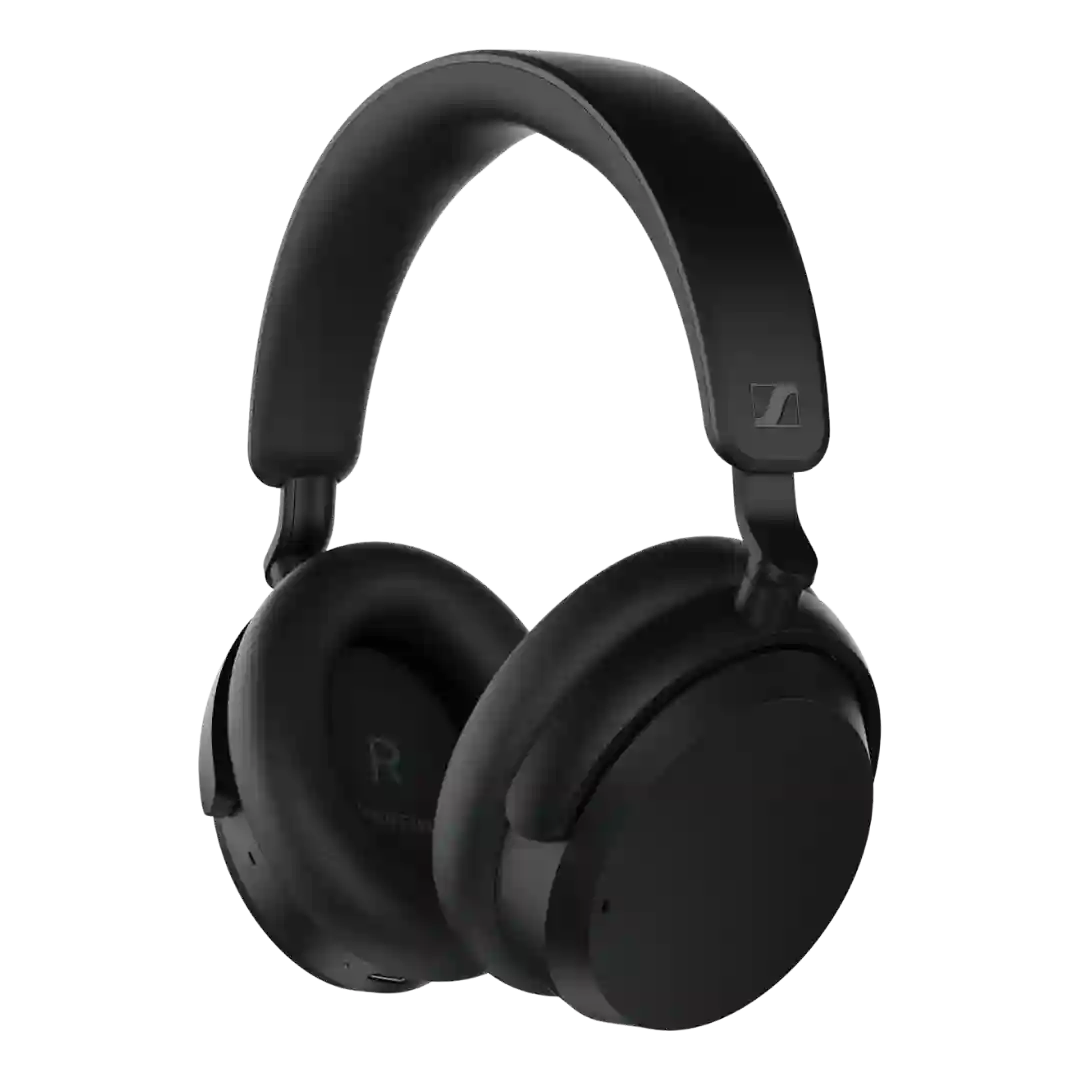
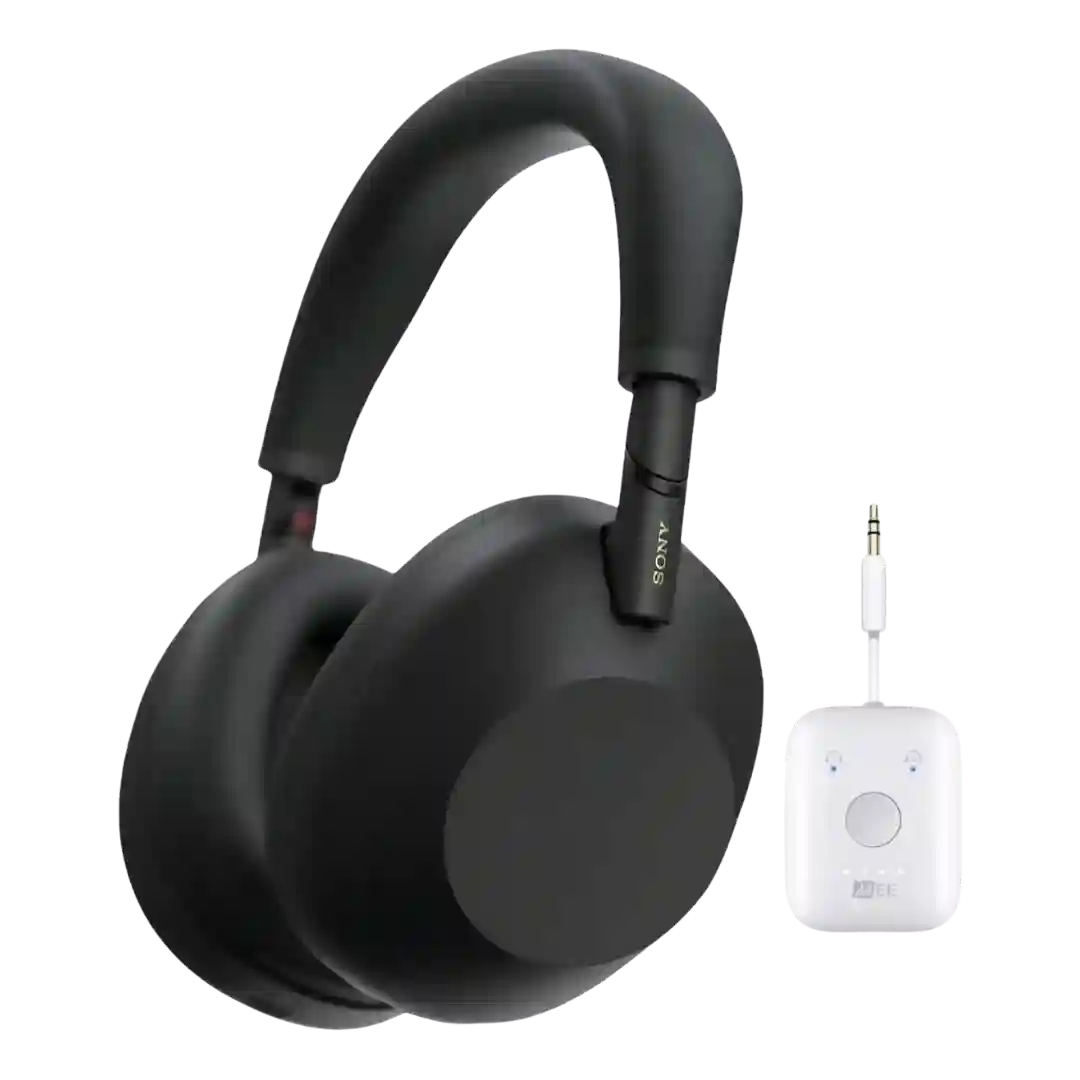
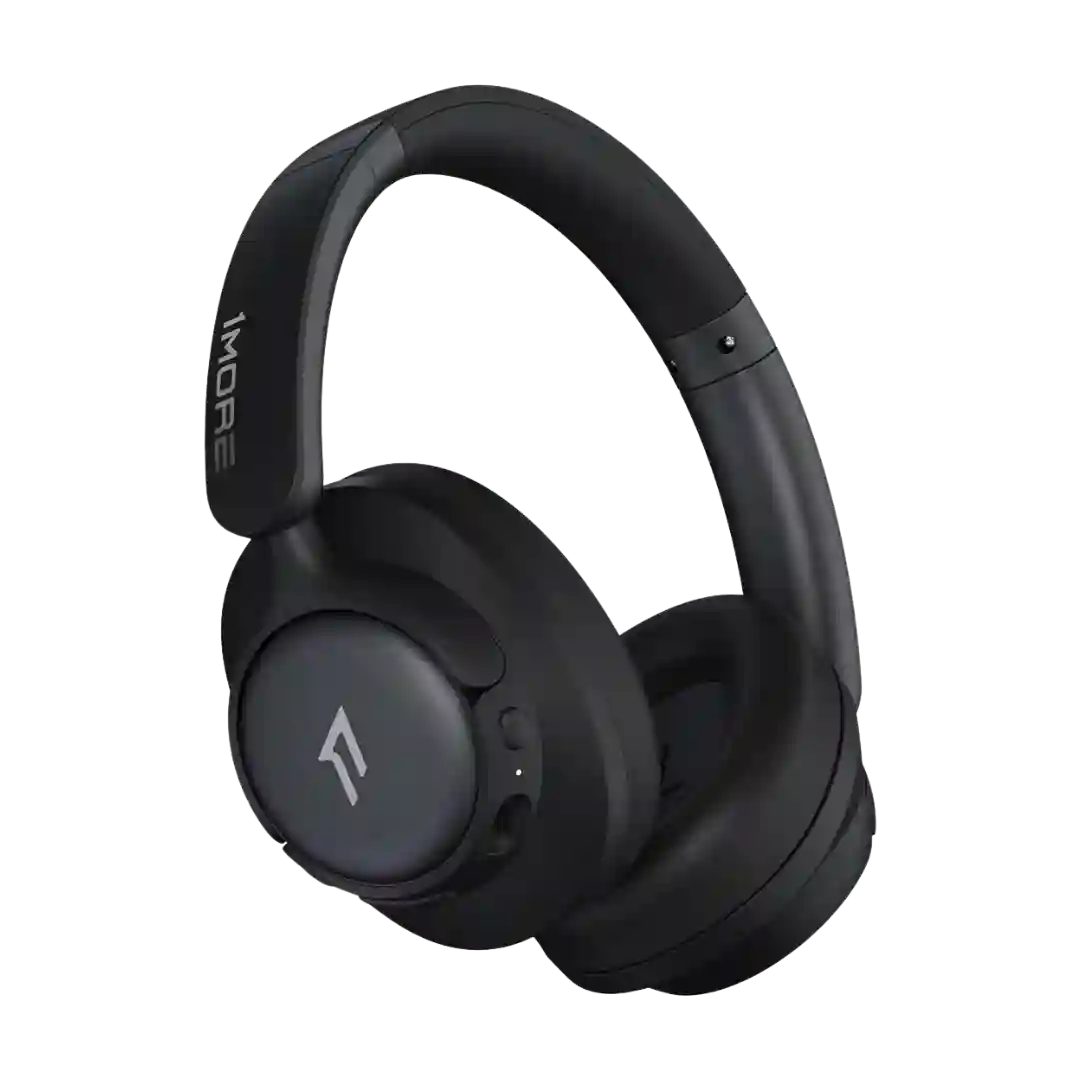
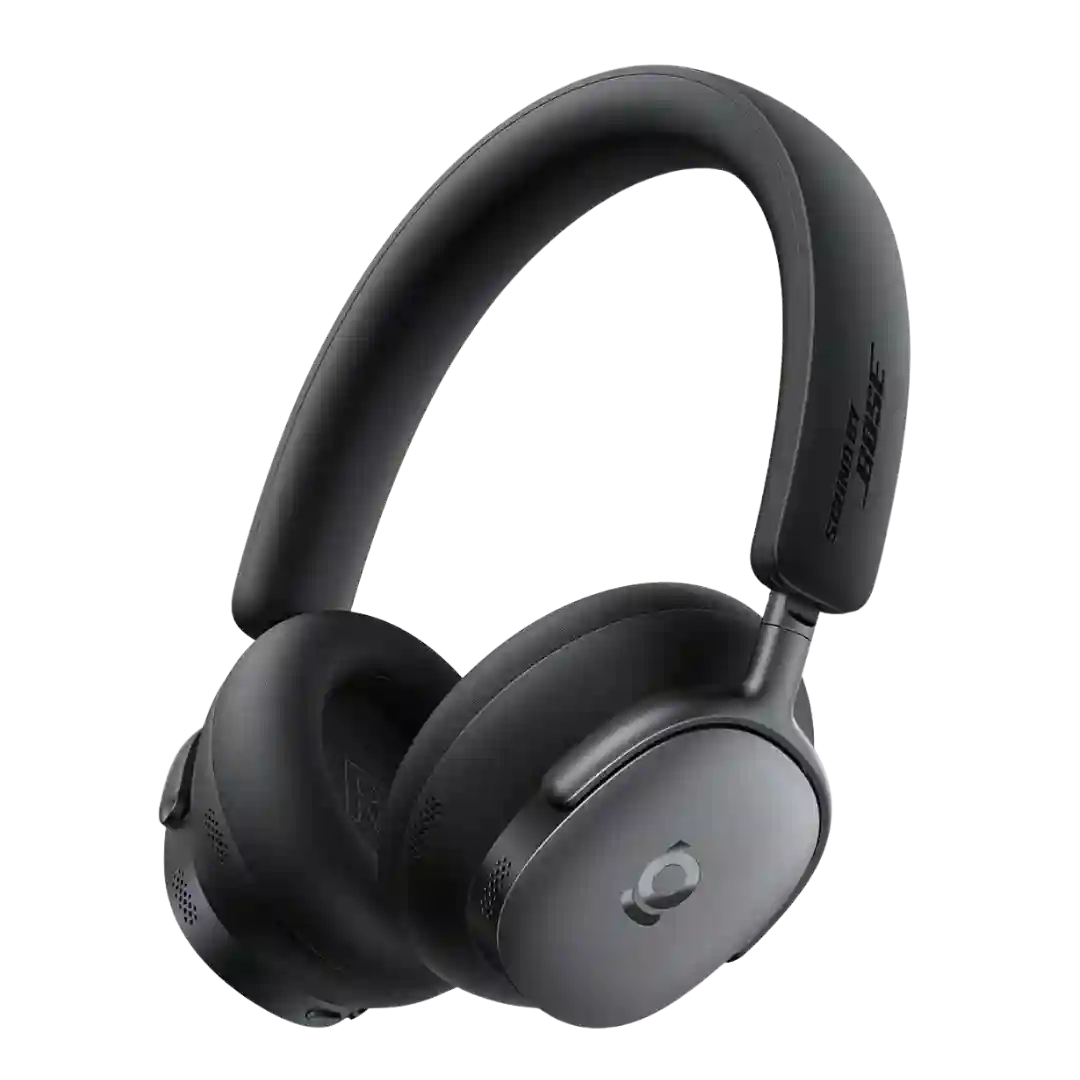
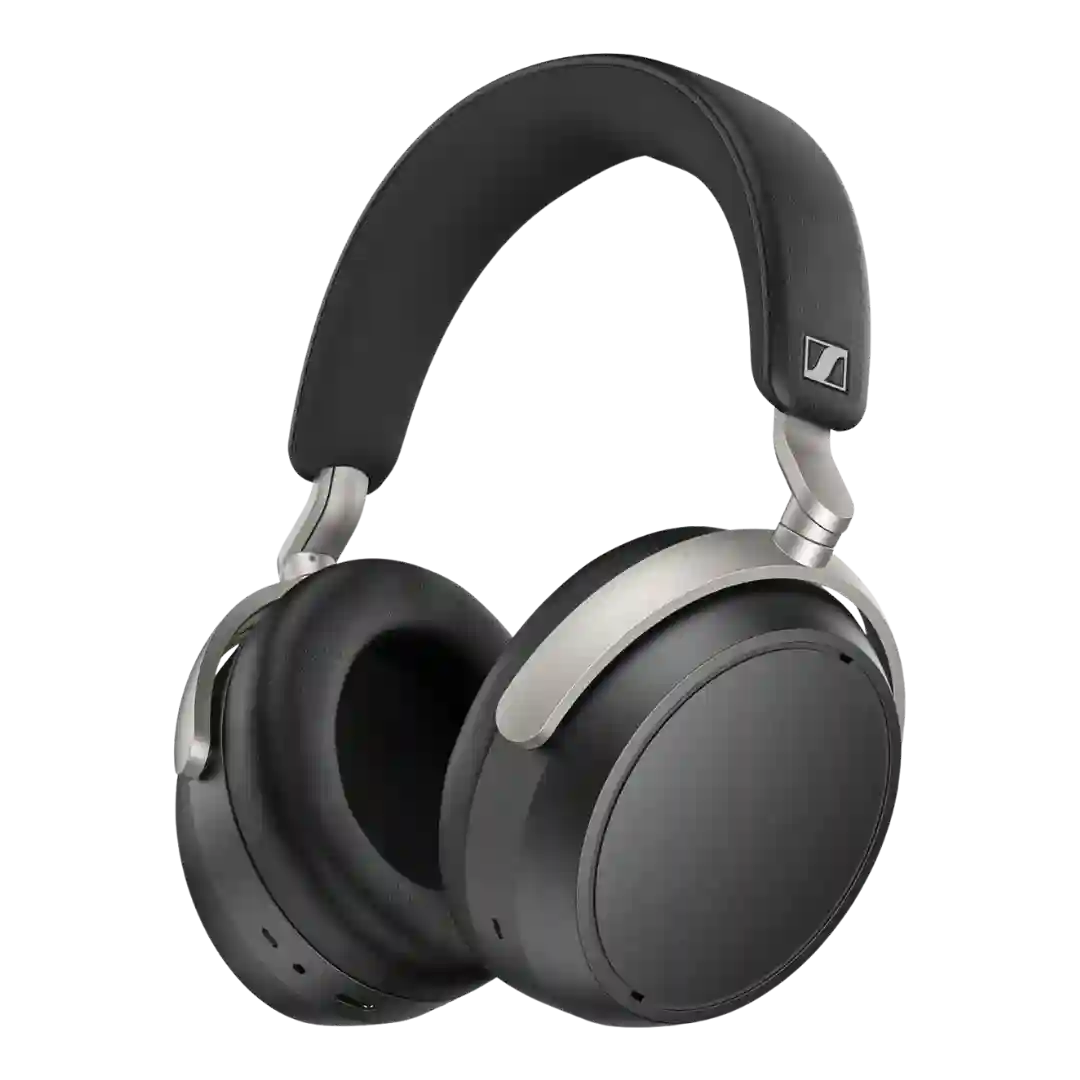
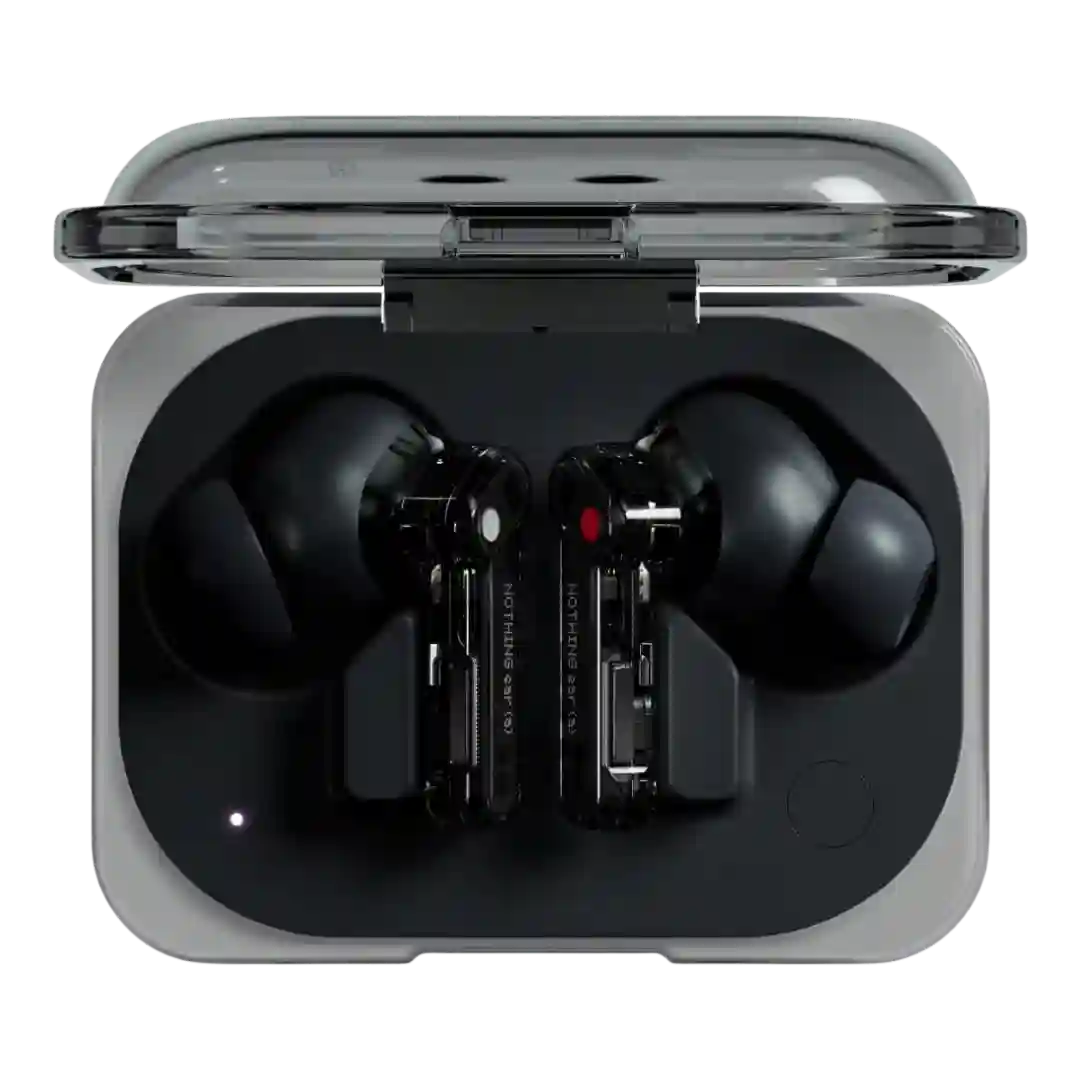
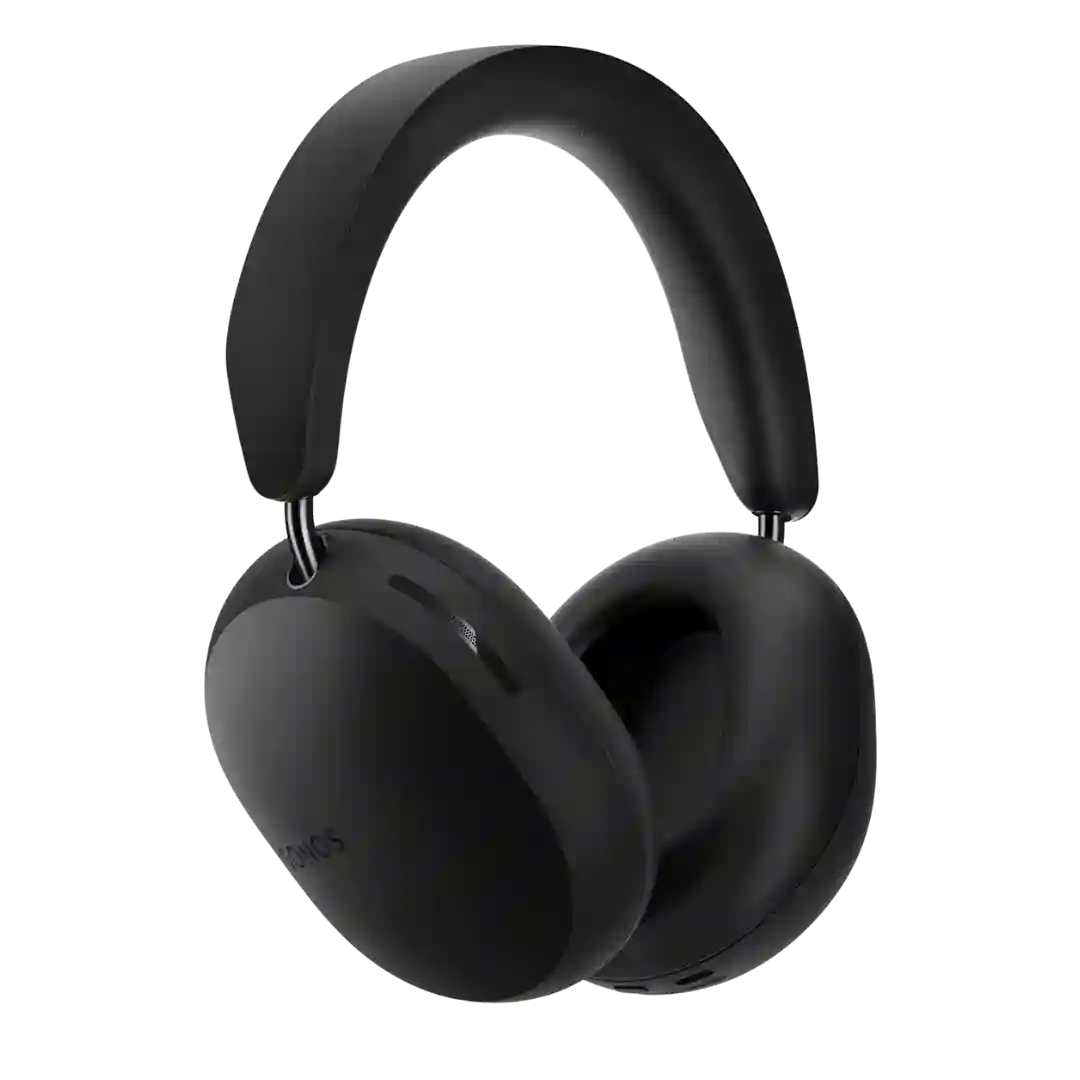
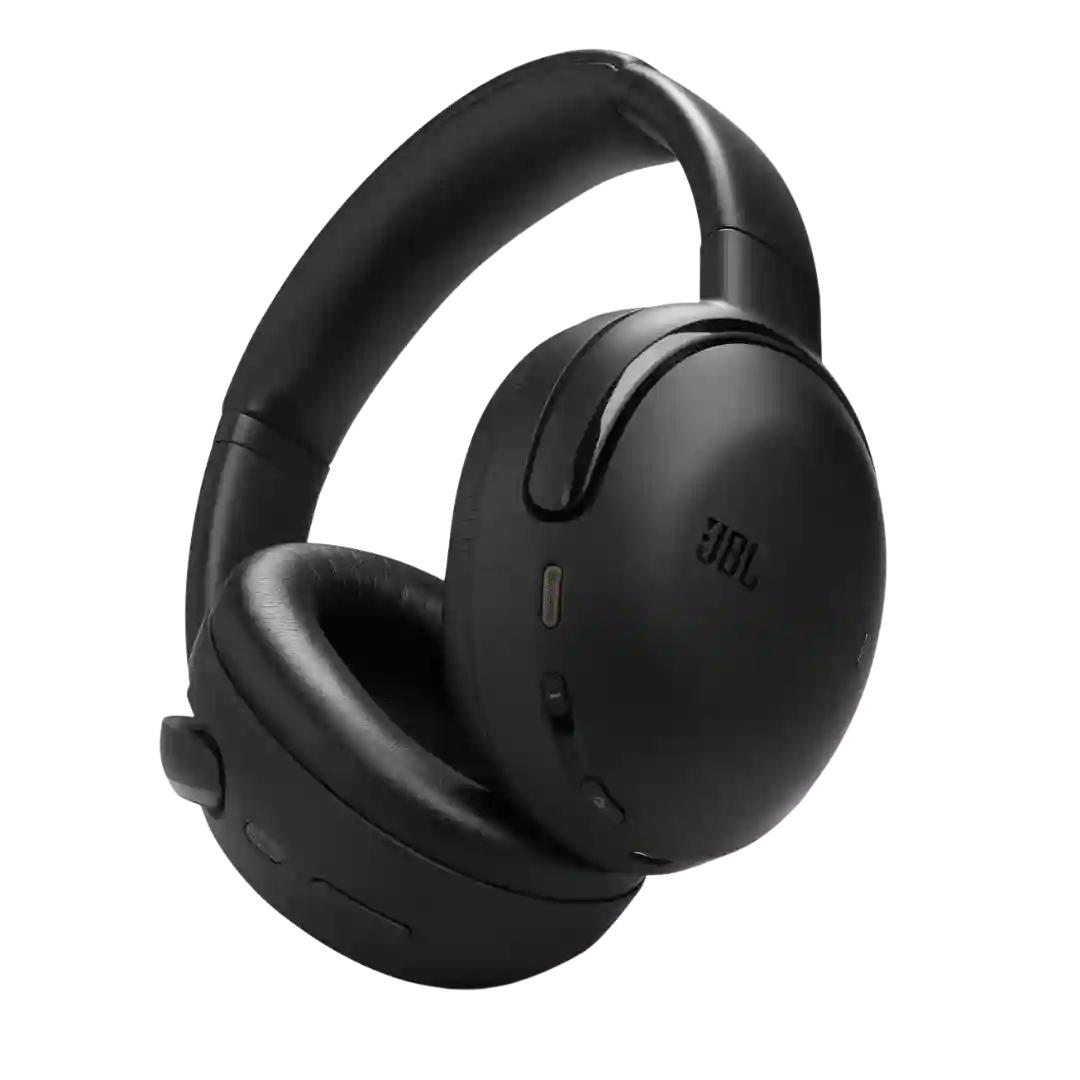
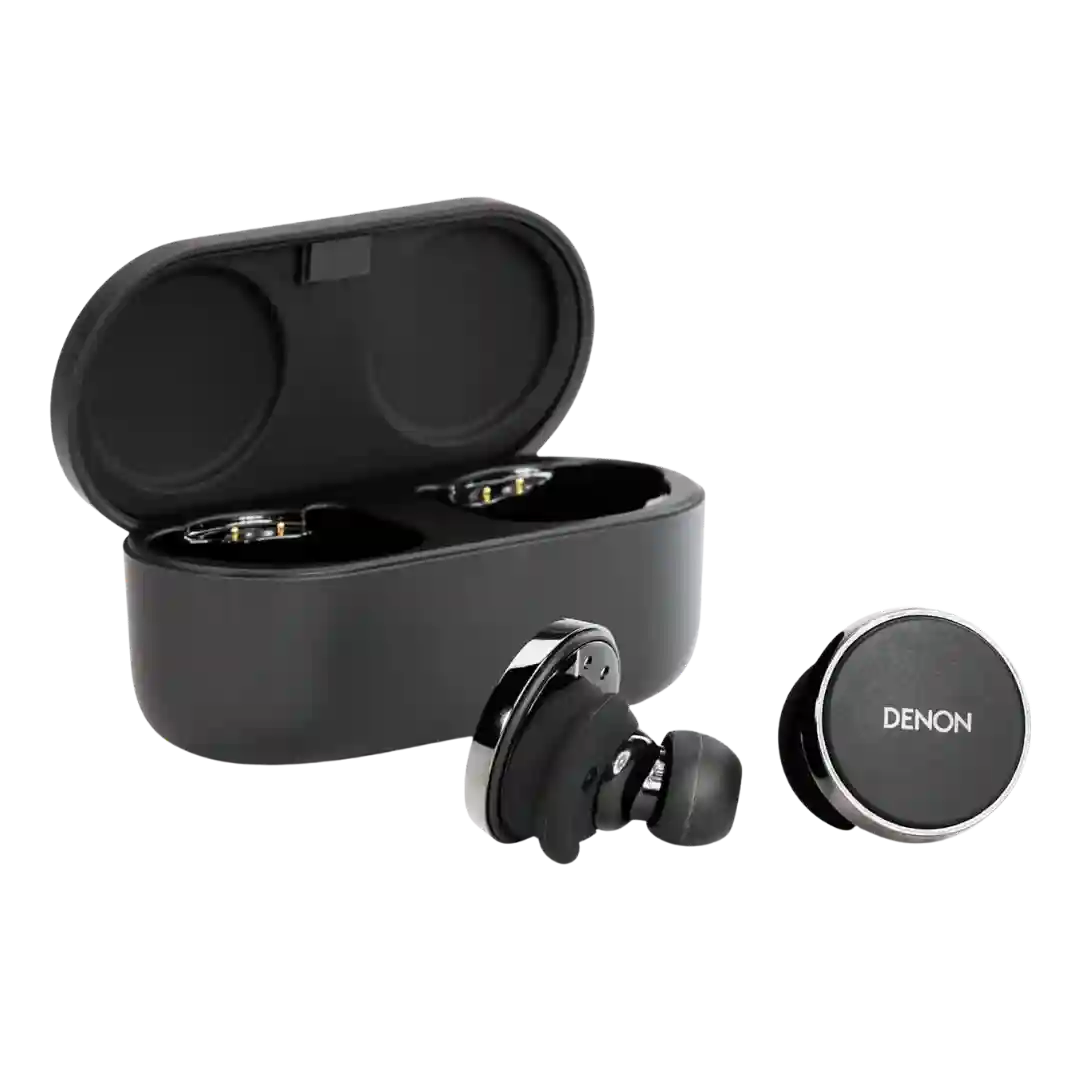
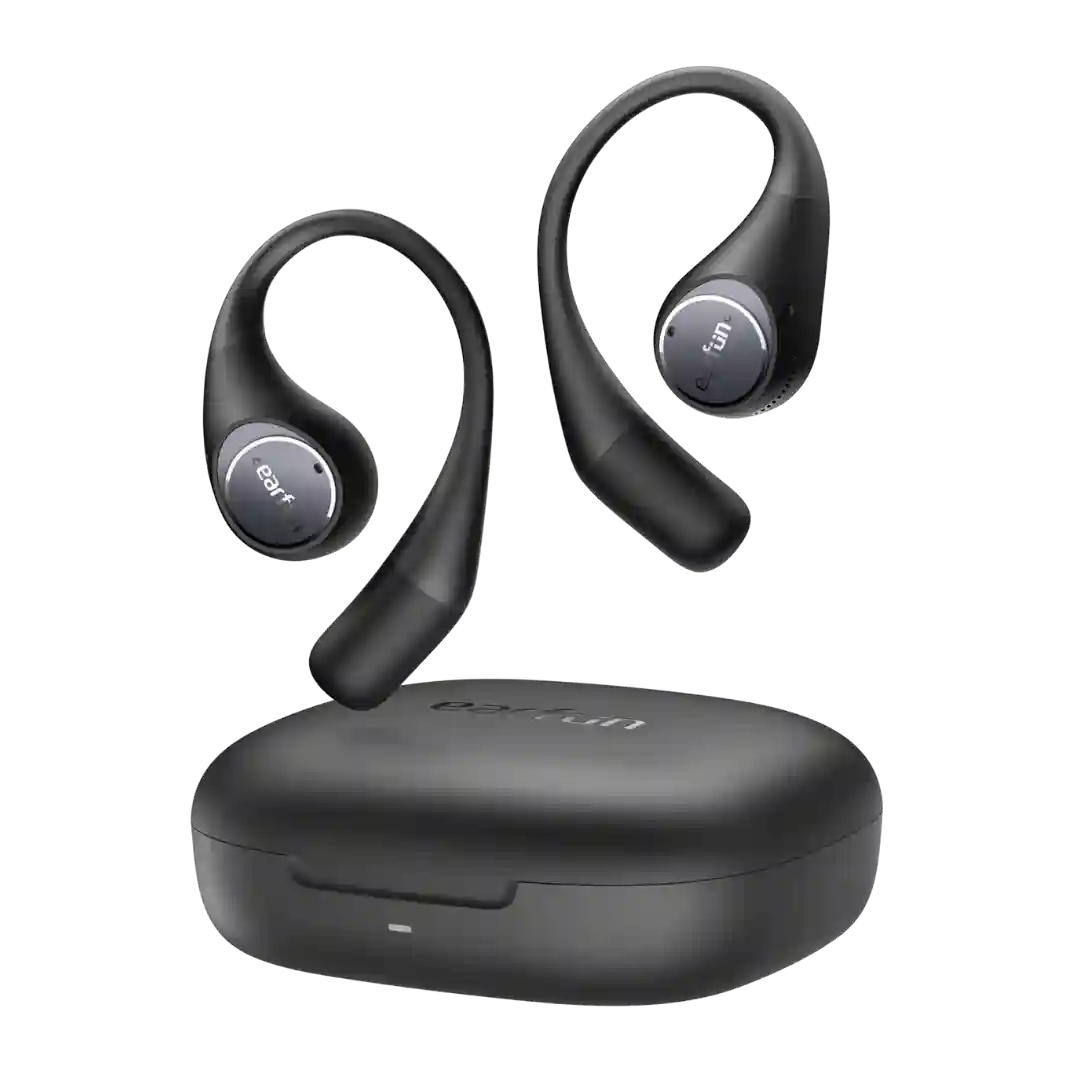
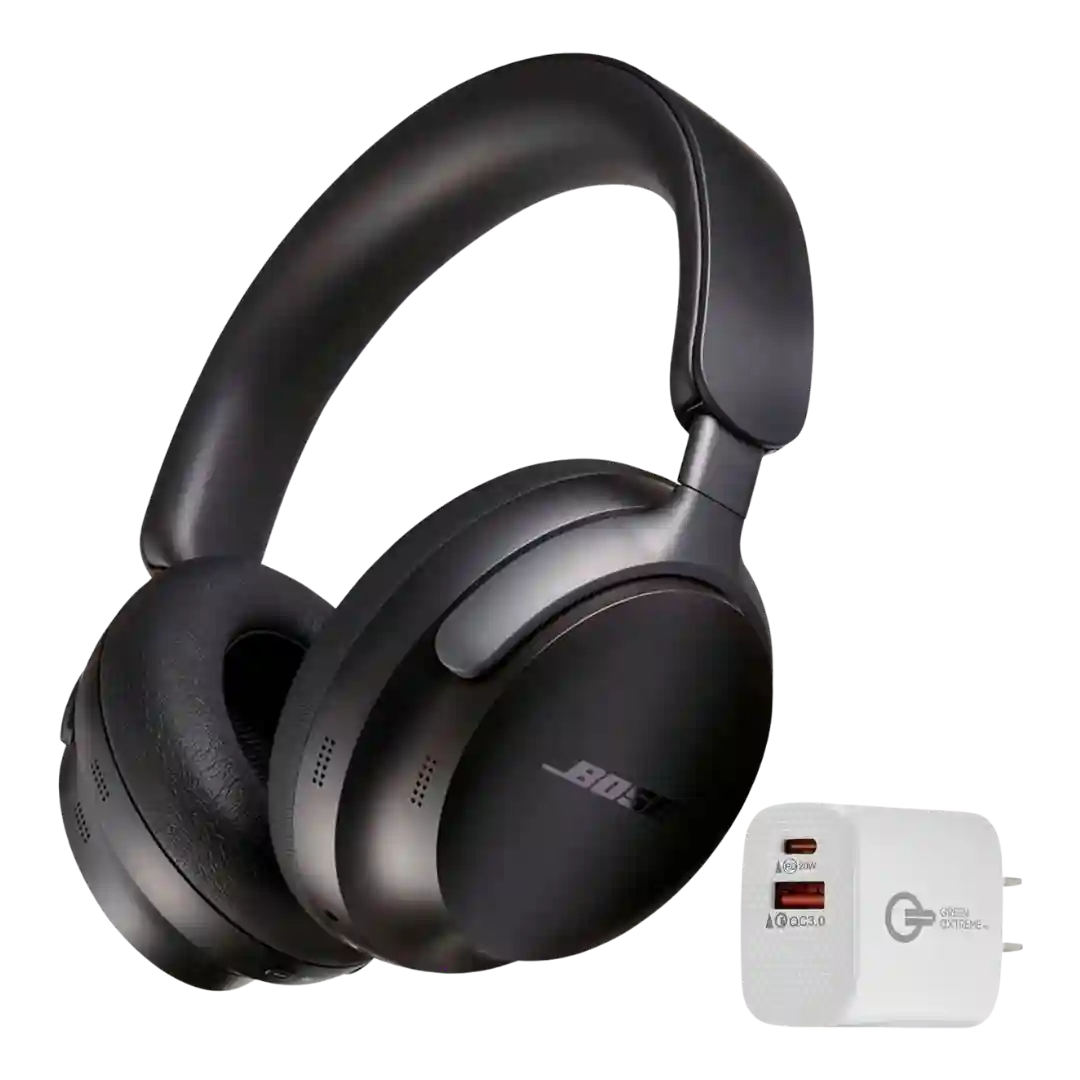
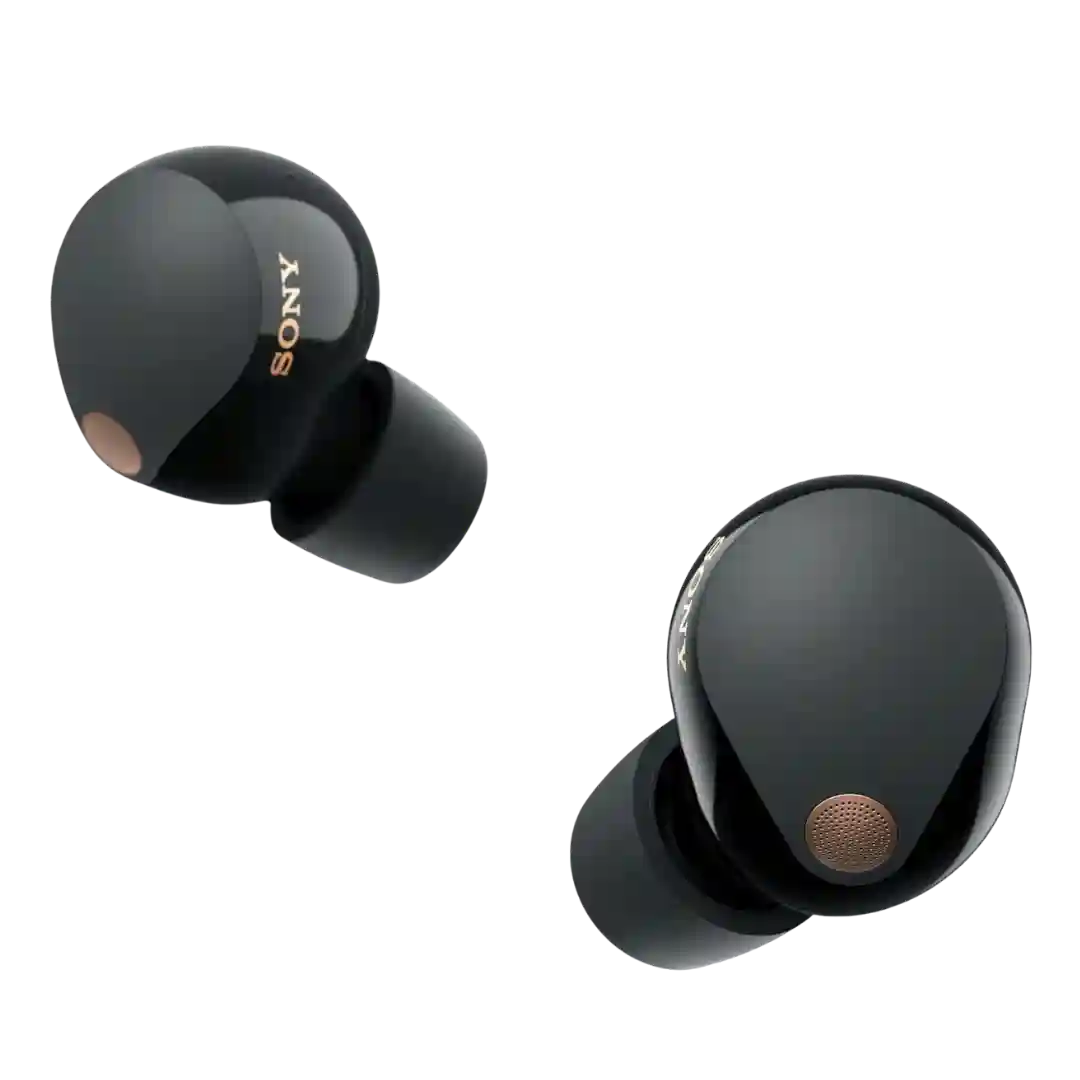
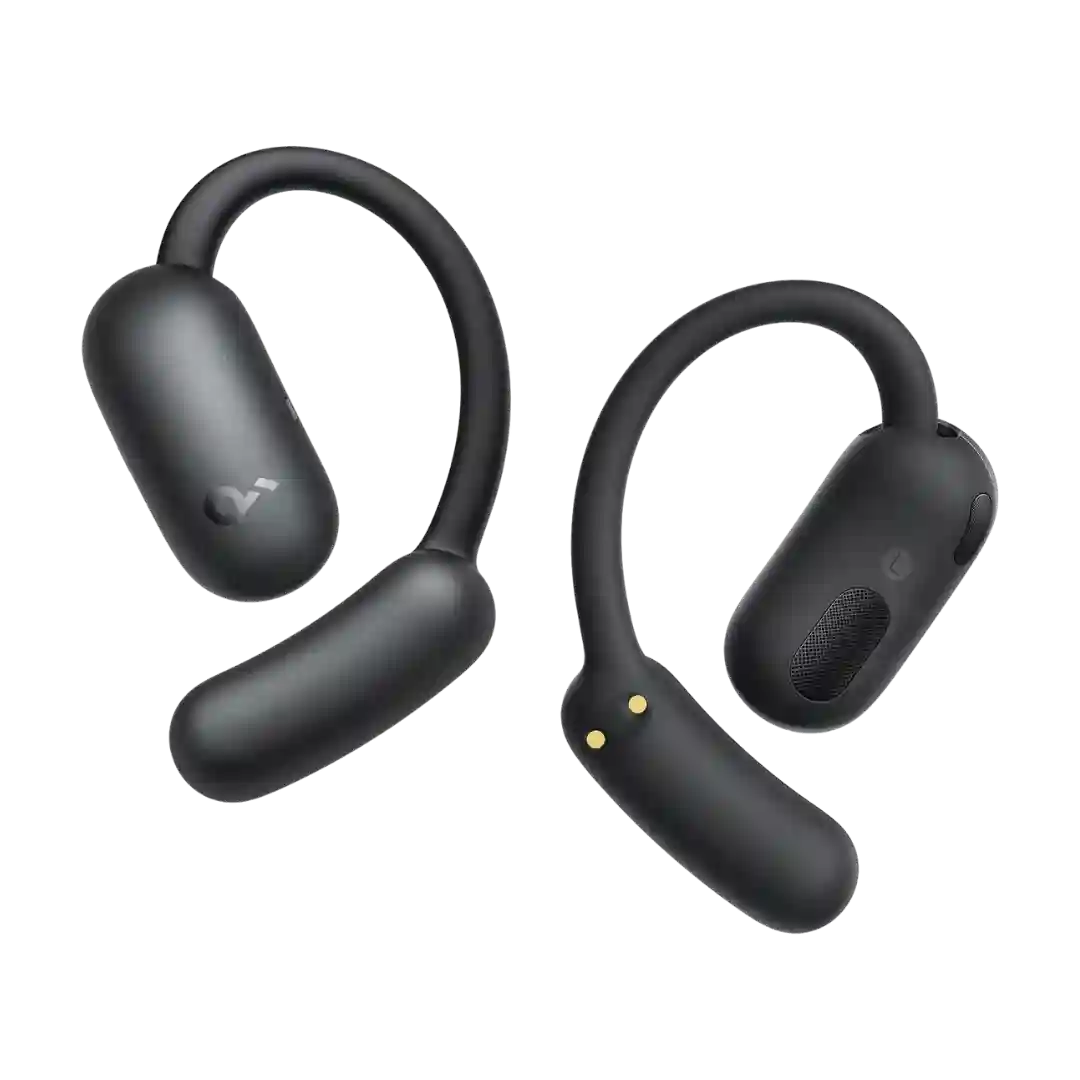
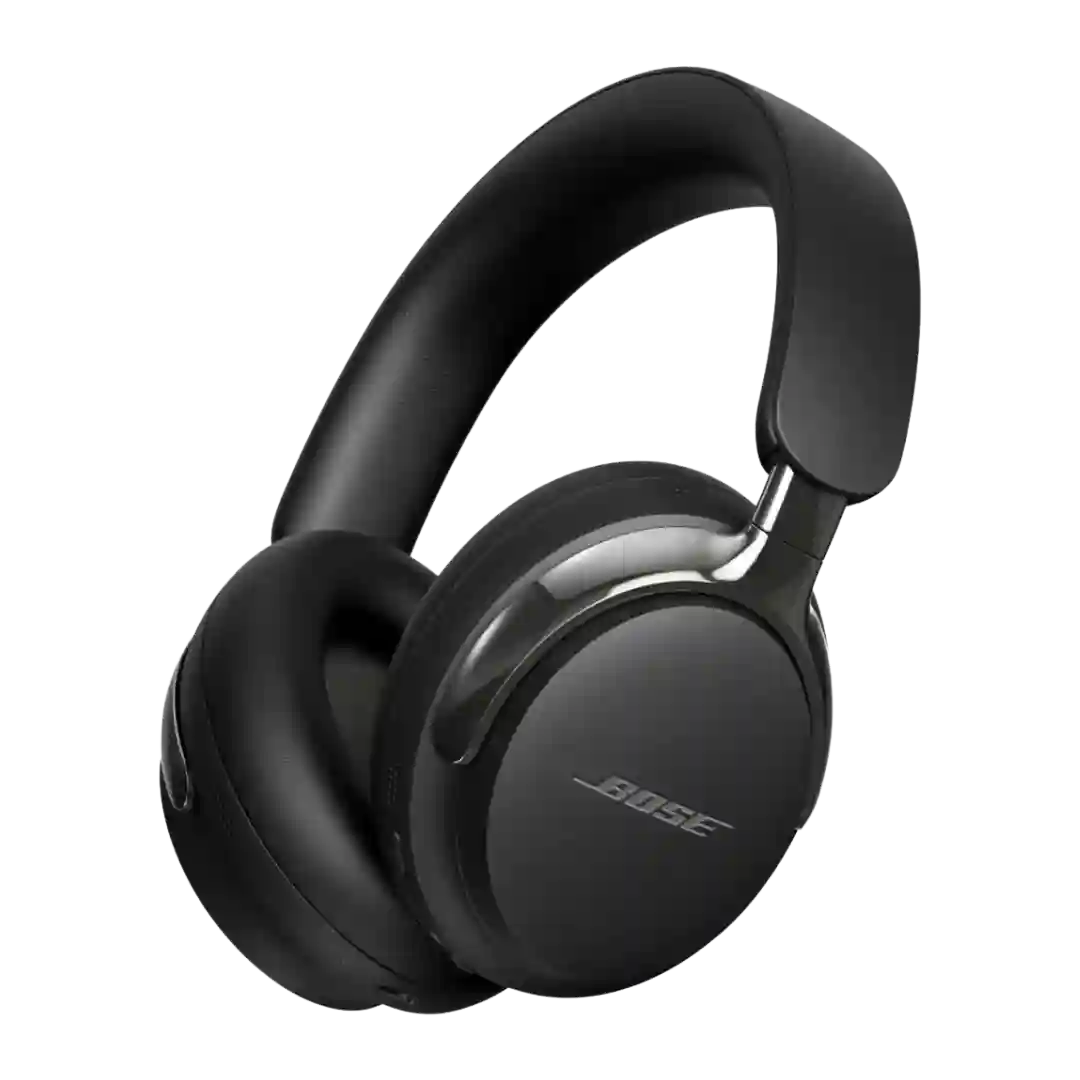
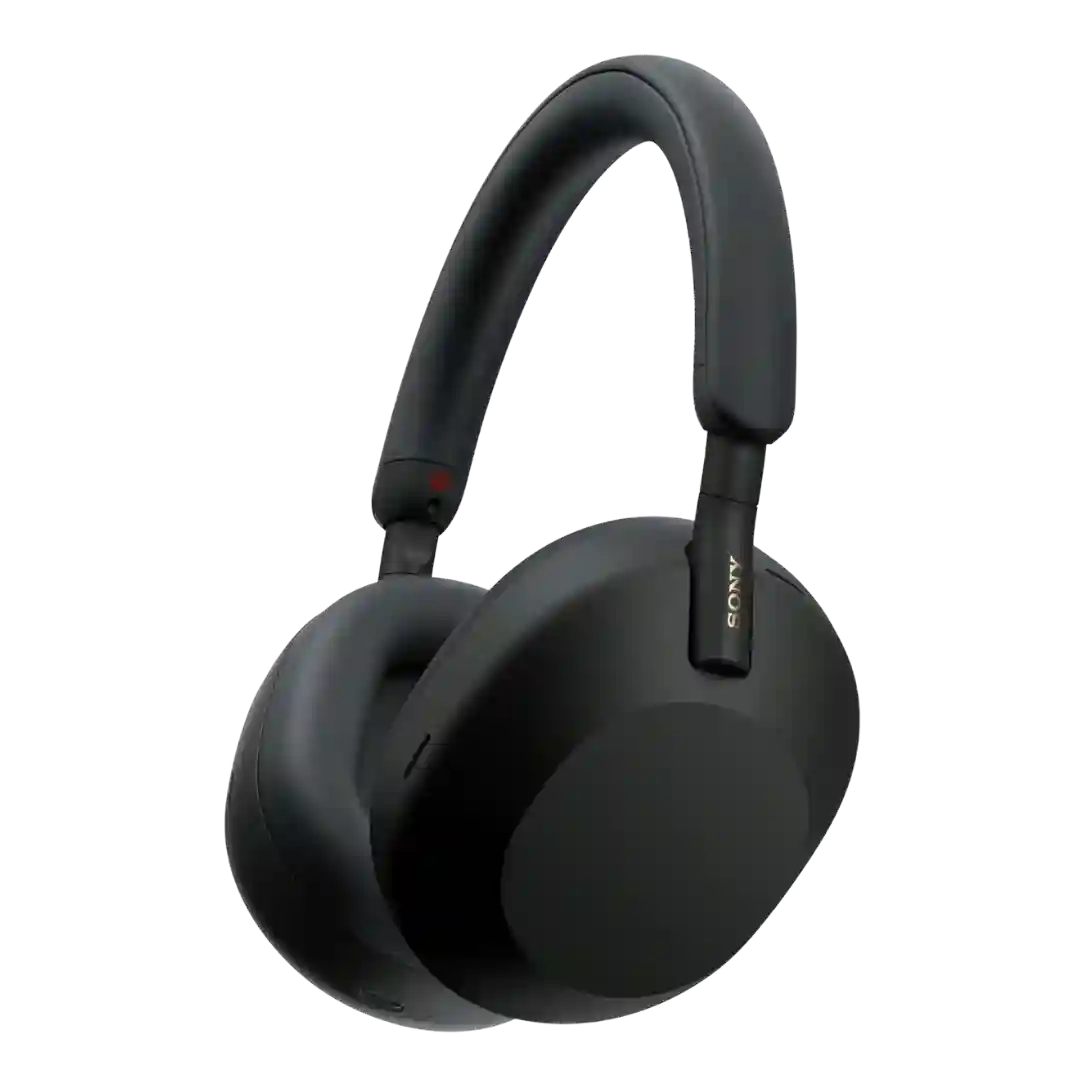
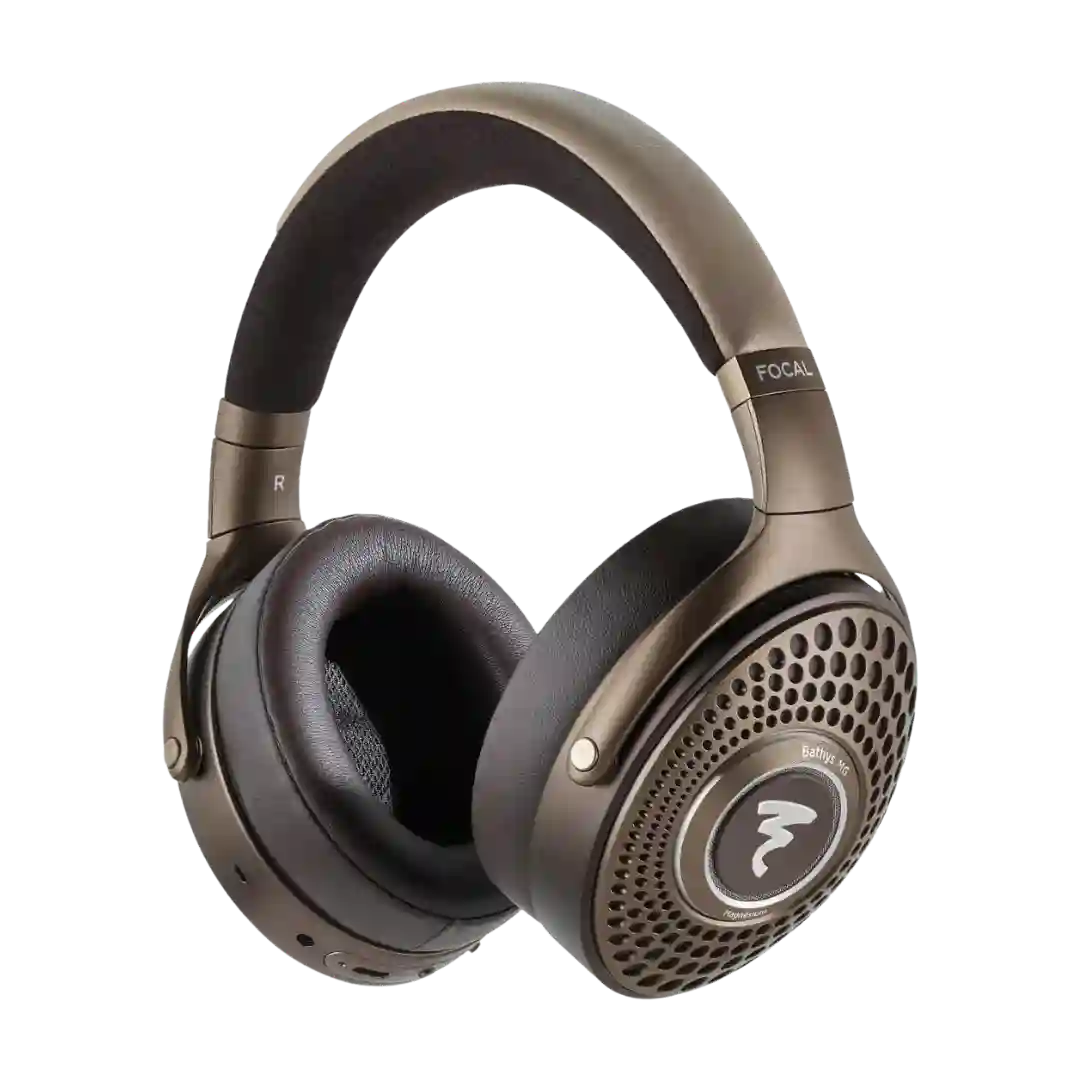
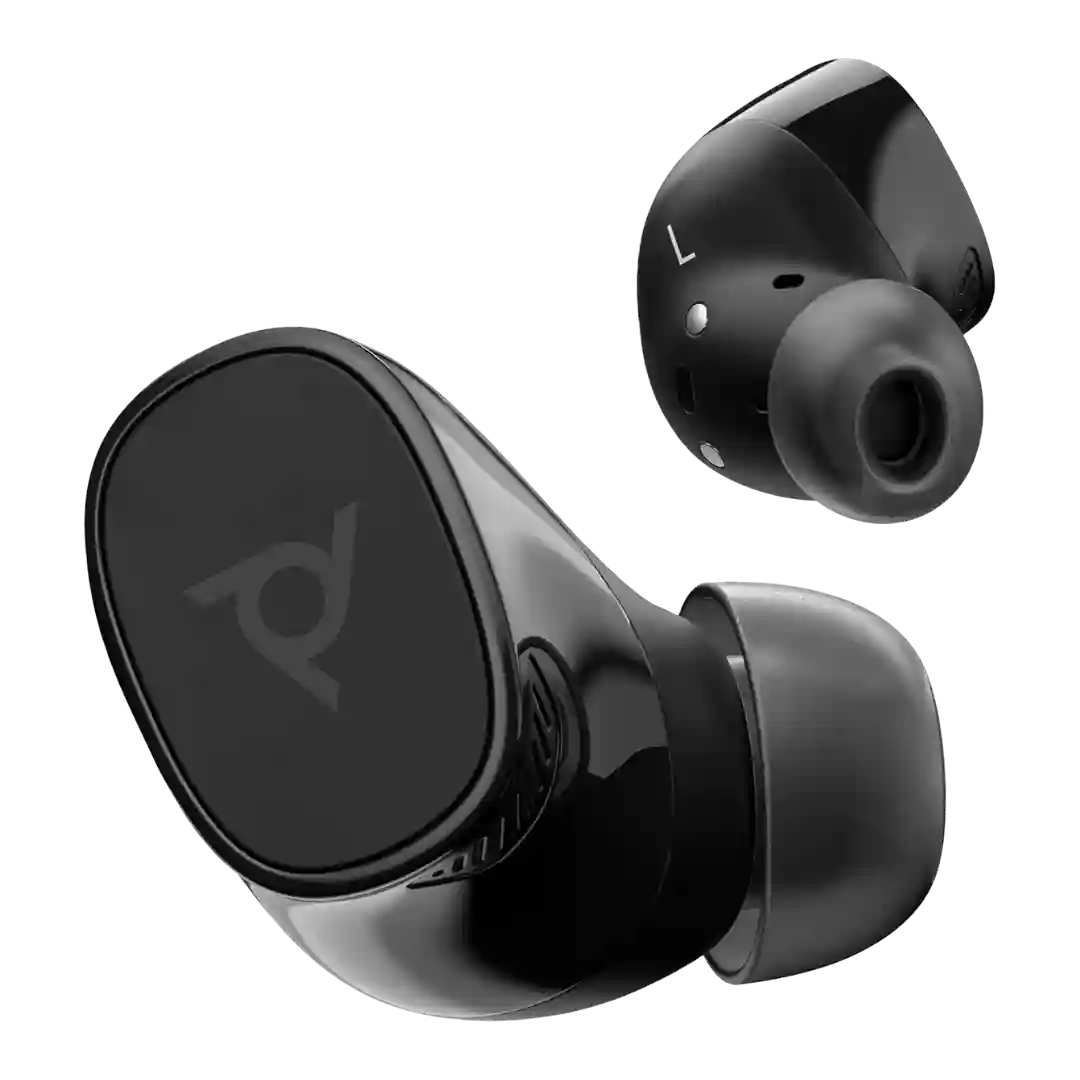
Codec support is repeatedly cited as a strength, with broad compatibility including aptX Adaptive and aptX Lossless alongside standard Bluetooth codecs.
Codec support is a major selling point, repeatedly cited as future-proof: Bluetooth 5.4 with broad codec options, plus LE Audio/LC3 and Auracast support via updates depending on source device. iPhone users are largely limited to AAC, reducing the practical benefit.
Codec support is a major strength, with broad compatibility (including aptX variants) plus wired USB-C audio options. Several reviews also mention upcoming firmware features like LE Audio, Auracast, and spatial audio depending on region and timing.
Codec support is broad for the class, commonly listed as SBC and AAC plus LDAC and LC3/LE Audio with Auracast readiness. iPhone users are typically limited to AAC, while Android users get the most benefit.
Codec support is broad for the category, covering SBC/AAC plus hi-res LDAC and, in some coverage, LE Audio/LC3 in transmitter mode. This flexibility is frequently cited as a reason these feel future-proof.
Codec support is positioned as strong for a premium wireless headphone, with repeated mentions of AAC and aptX-family options that help preserve detail over Bluetooth.
Codec support is a highlight for many reviewers, especially for Android users, with modern high-quality options noted alongside broad device compatibility.
Codec support is strong for mainstream and Android use, including multiple aptX options and AAC, but it is not positioned around newer lossless Bluetooth standards.
Codec support is strong overall with SBC, AAC, LDAC and LC3 commonly mentioned, plus LE Audio talk in some coverage; the main knock is what is missing rather than what is included.
Codec and input support are broad: Bluetooth 5.2 with modern aptX options plus wired USB-C and analog. Not every premium codec is supported everywhere, but overall flexibility is a key selling point.
Codec support is a key talking point: AAC for iPhone, aptX and aptX Lossless via Snapdragon Sound for compatible Android, plus wired USB-C audio. One review notes the lack of LDAC, so codec completeness depends on what you expect.
Codec support is broad, including aptX Adaptive and aptX Lossless alongside AAC/SBC; the main caveat is that benefits depend on having a compatible source and LDAC is missing.
Codec support centers on SBC/AAC plus Snapdragon Sound with aptX Adaptive/Lossless on compatible devices; Bluetooth 5.3 and LE Audio readiness are mentioned, though rollout varies.
Codec support is described as modern and well-rounded for 2025-era ANC headphones, with standard codecs plus aptX Adaptive family and multiple wired options; performance depends on your source device support.
Codec support centers on SBC, AAC, and LDAC; reviewers who care about newer lossless-oriented ecosystems flag this as less future-proof than Snapdragon Sound style options.
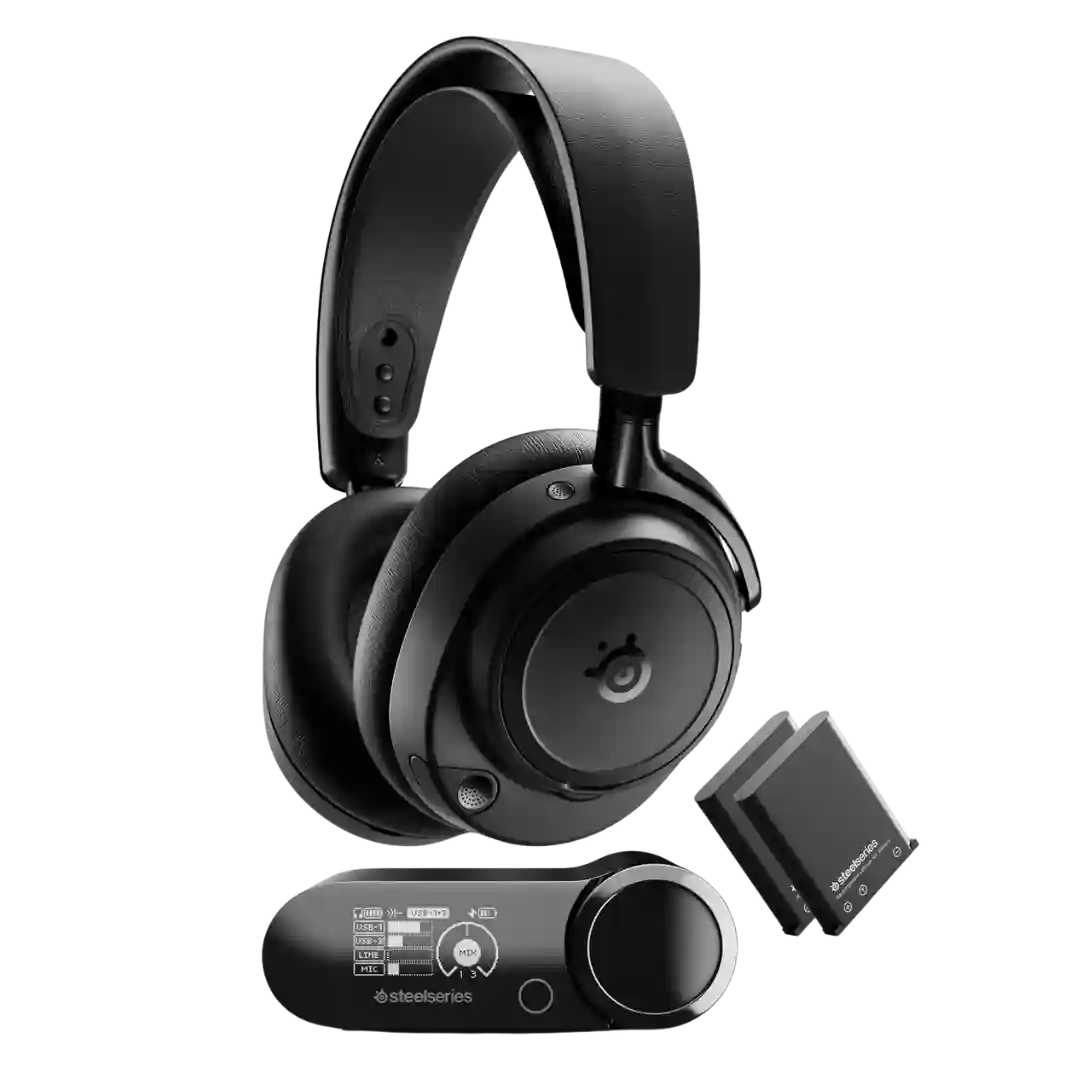
Codec support is described as unusually strong for a gaming headset, emphasizing Bluetooth 5.3 LE Audio with LC3 and LC3+. Some reviewers still miss more universal high-end codecs like aptX or LDAC on phones.
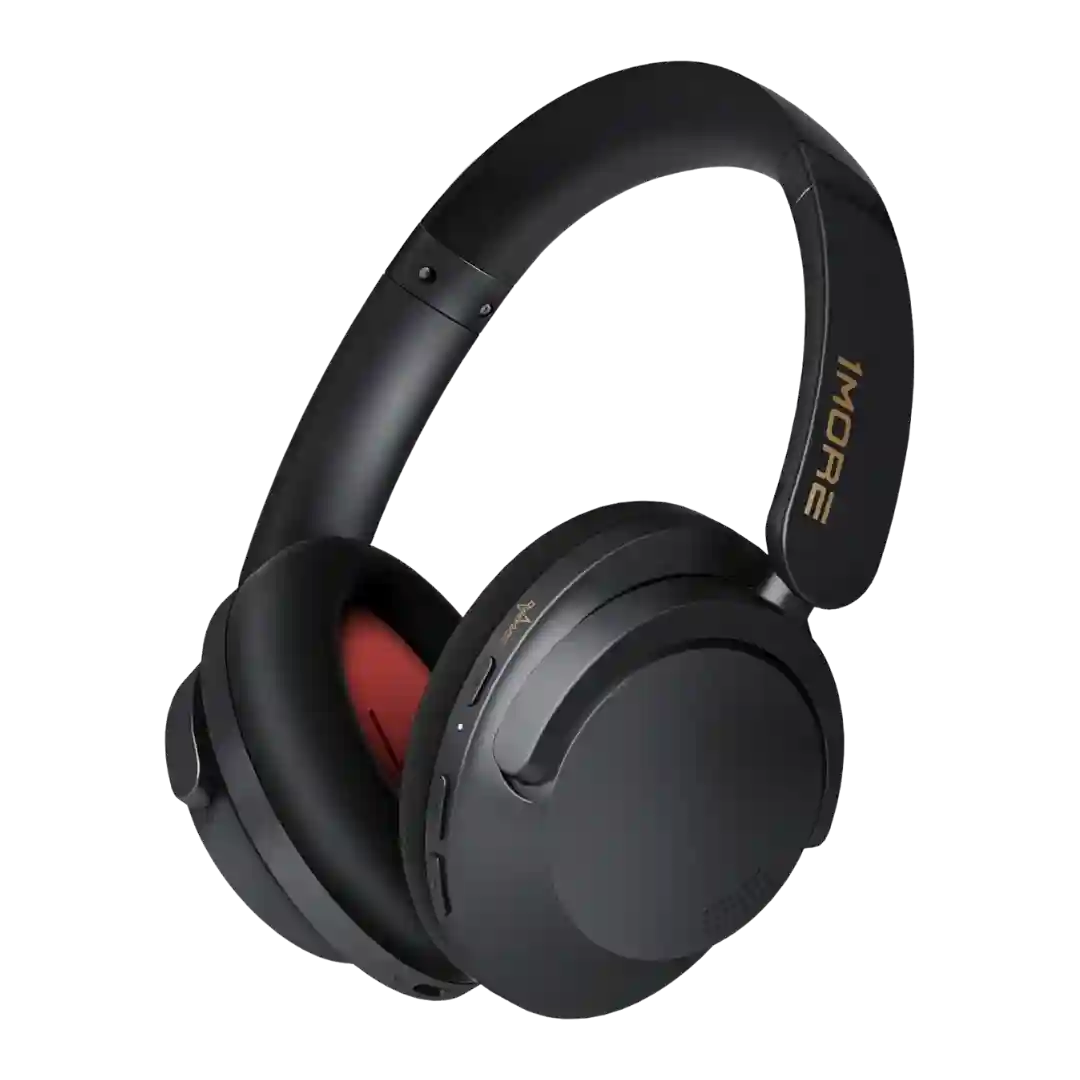
Codec support is strong for the class (SBC/AAC with LDAC often available), but higher-quality modes can reduce battery life and may constrain other features like multipoint.
Codec support is strong for the tier (SBC/AAC plus LHDC 5.0) and generally works well. However, some testing suggests very high LHDC bitrates can be unstable and can cost battery.
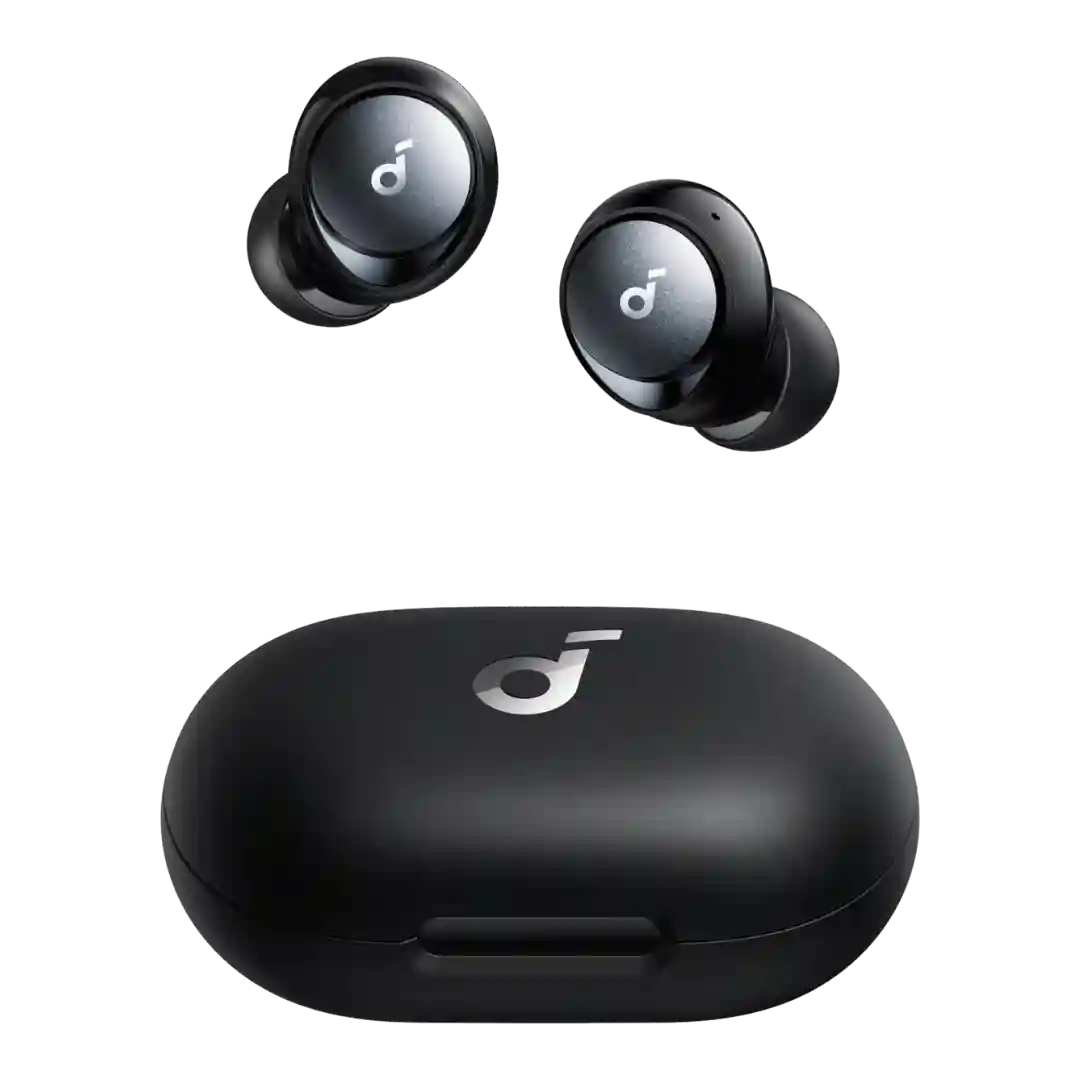
Codec support is commonly listed as SBC and AAC plus LDAC for higher-quality Android streaming; aptX is not included in the codec lists cited in these reviews.
Codec support is strong for Samsung owners thanks to SSC and UHQ options, but the experience is less compelling outside the Galaxy ecosystem where higher-end features are restricted.
Codec support is functional rather than audiophile-focused: reviews mention standard Bluetooth codecs plus LE Audio support, but also note the absence of premium options like LDAC or aptX. This aligns with its gaming-first positioning.
Codec support is serviceable rather than cutting-edge: aptX and aptX Adaptive are welcome, but multiple reviews call out the lack of broader premium codec coverage.
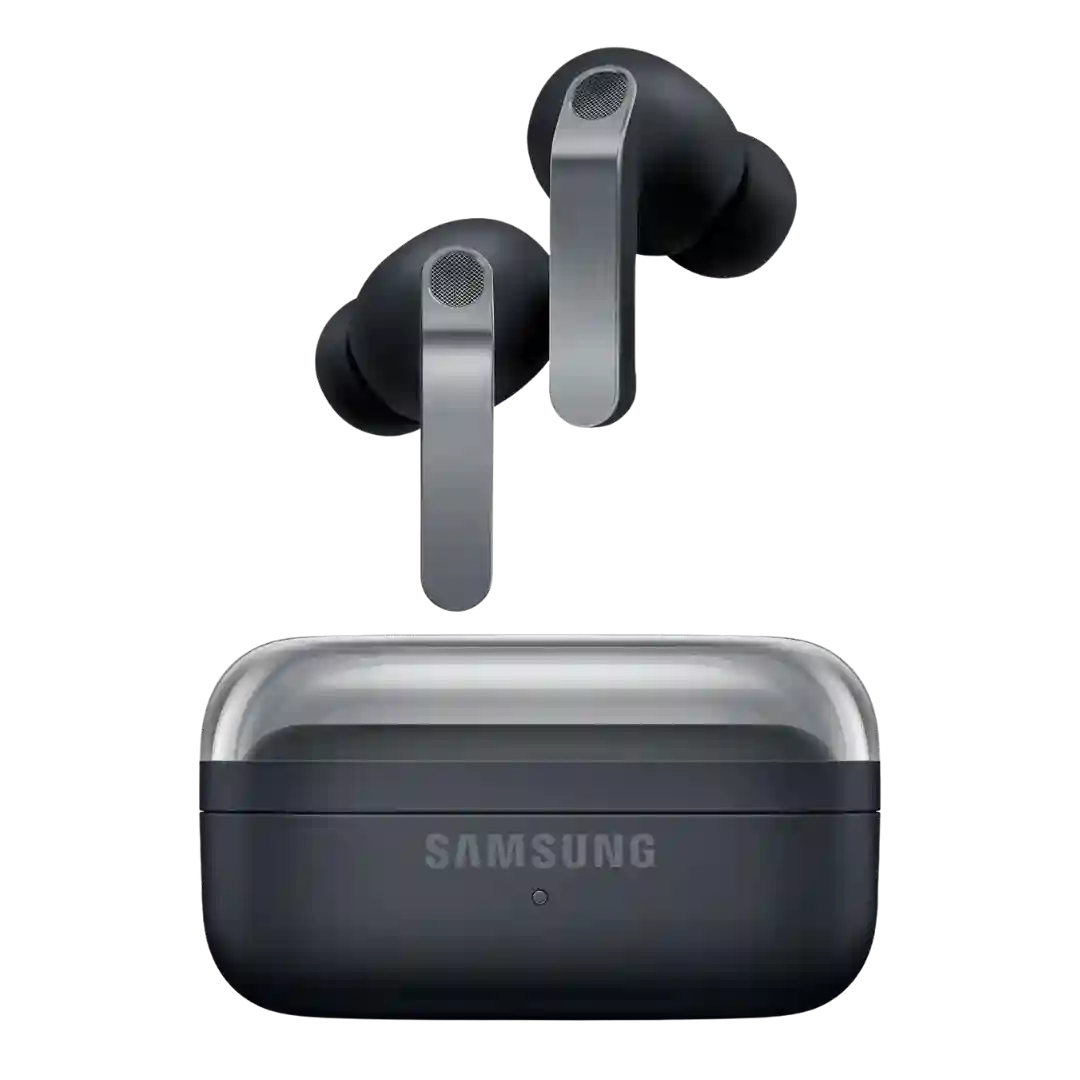
Codec support is consistently described as SBC and AAC plus Samsung Seamless Codec (SSC) for compatible Samsung devices; this is framed as a Samsung-first product choice that affects cross-device consistency.
Codec support is not clearly communicated in at least one review, creating uncertainty around advanced codec availability versus similarly priced competitors that specify LDAC or aptX.