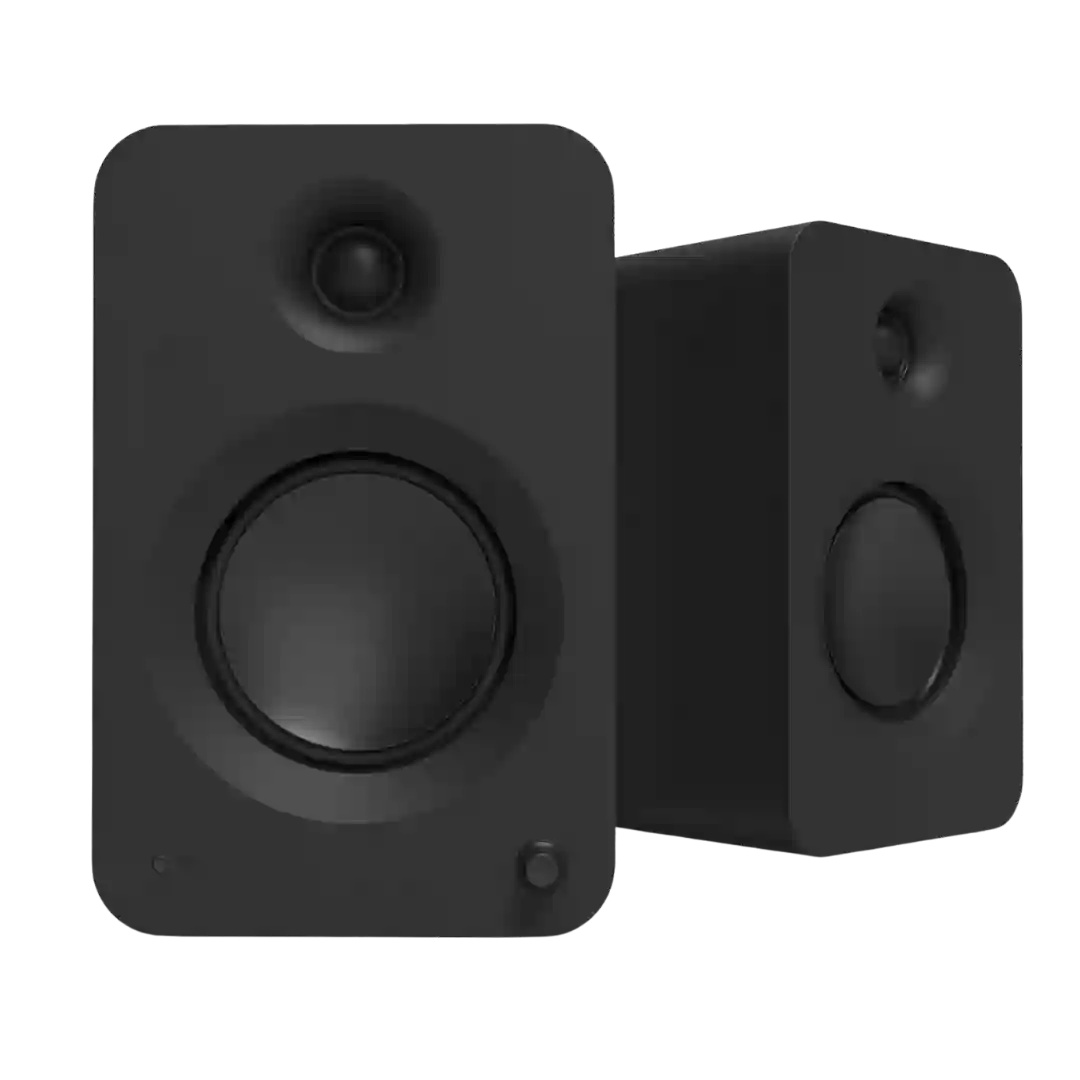
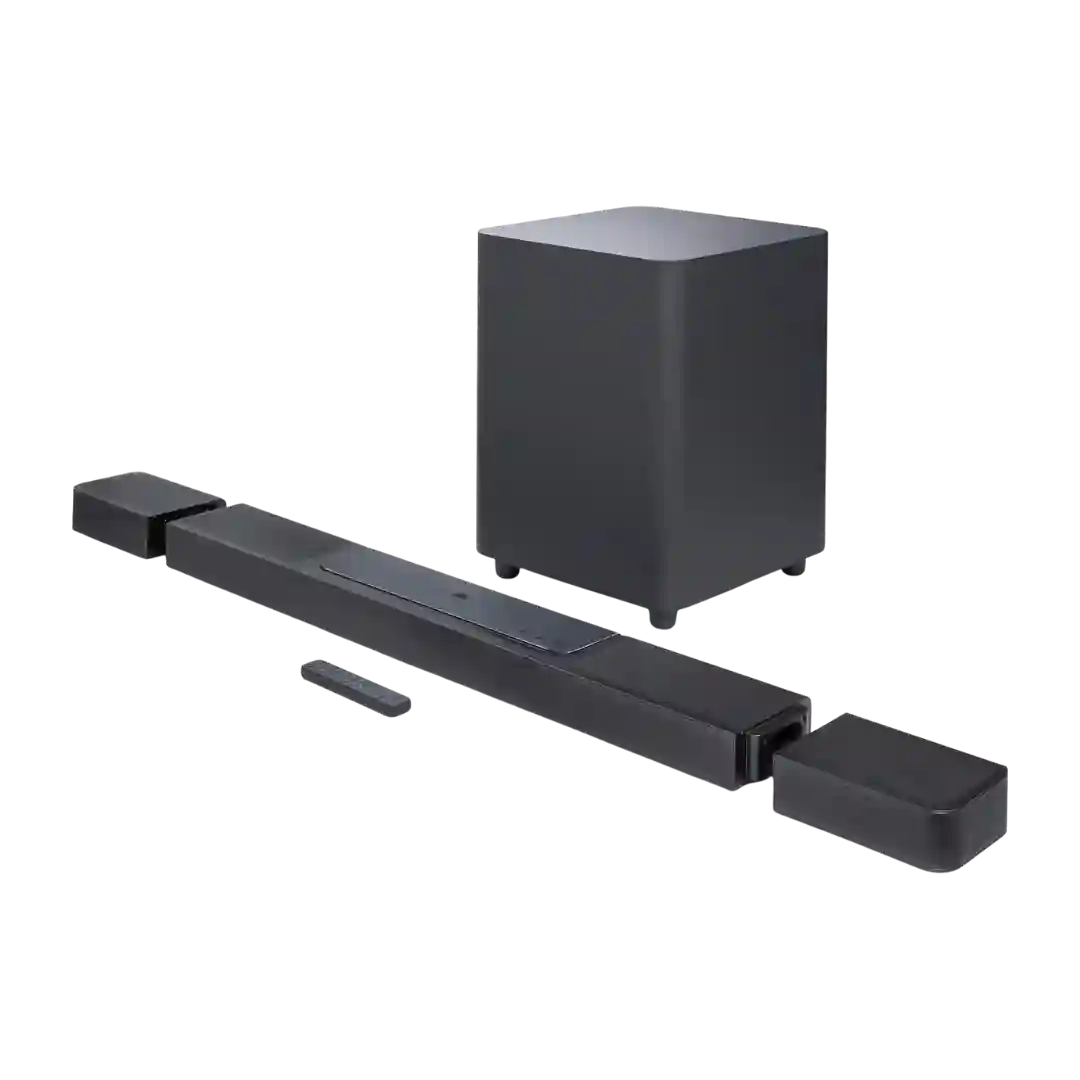
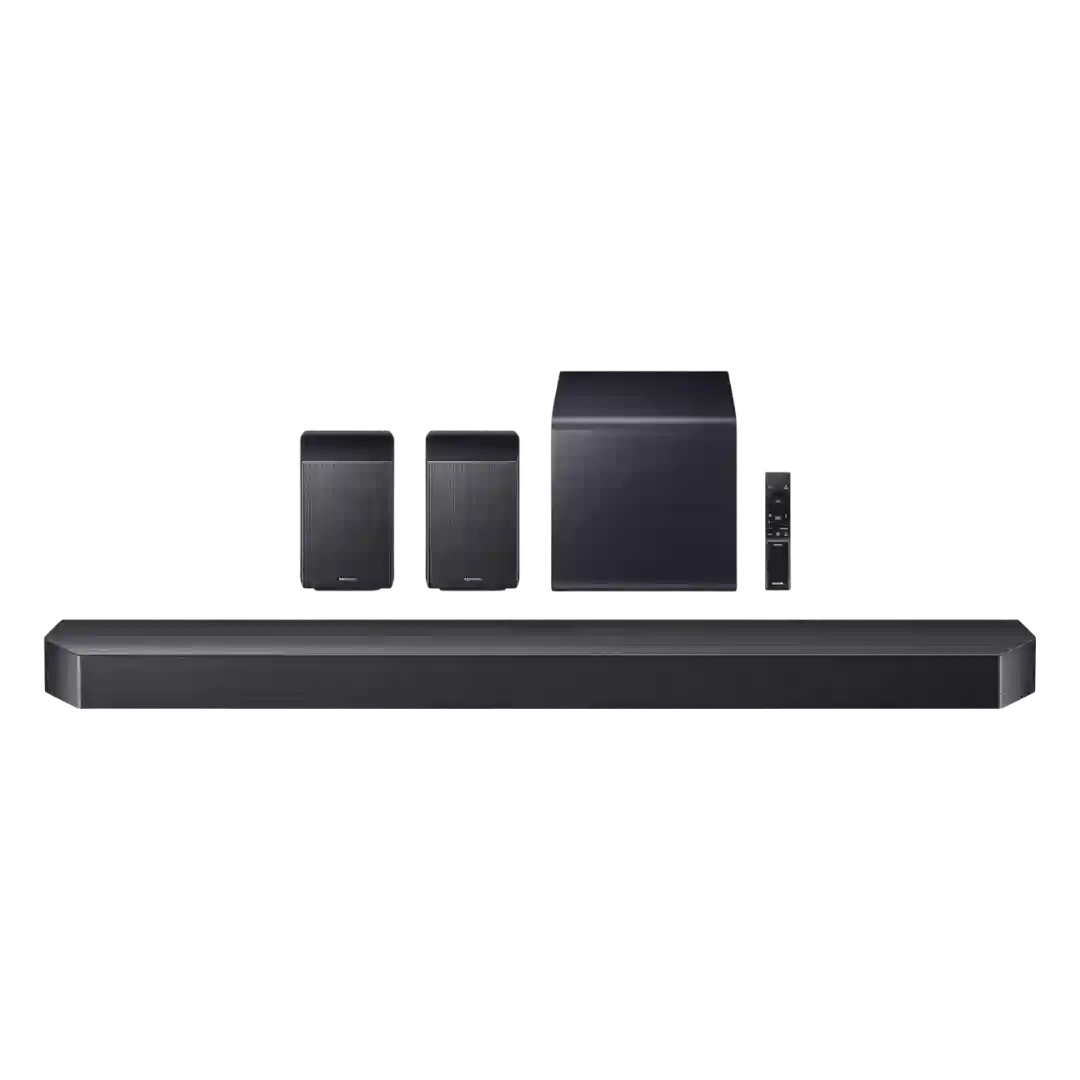
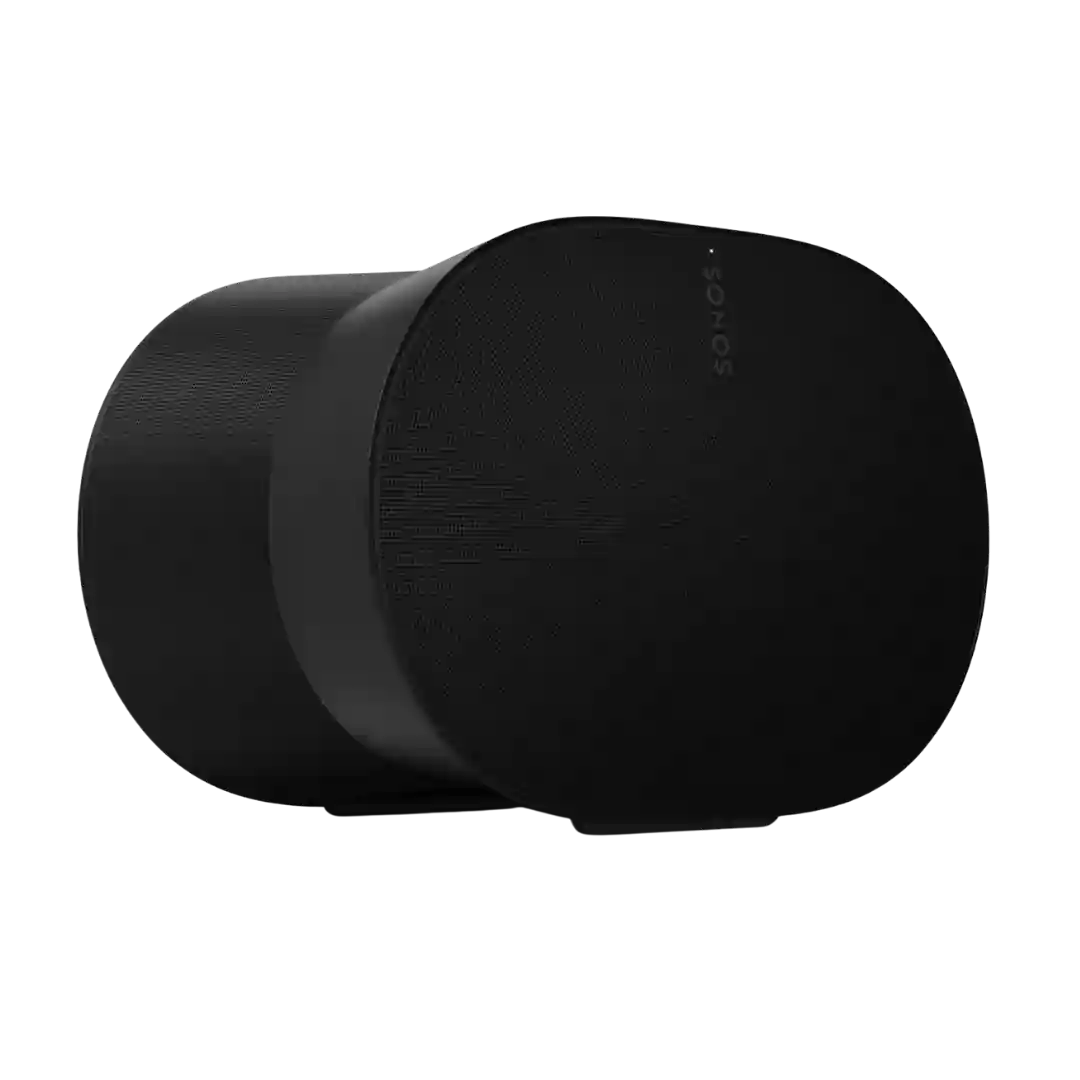
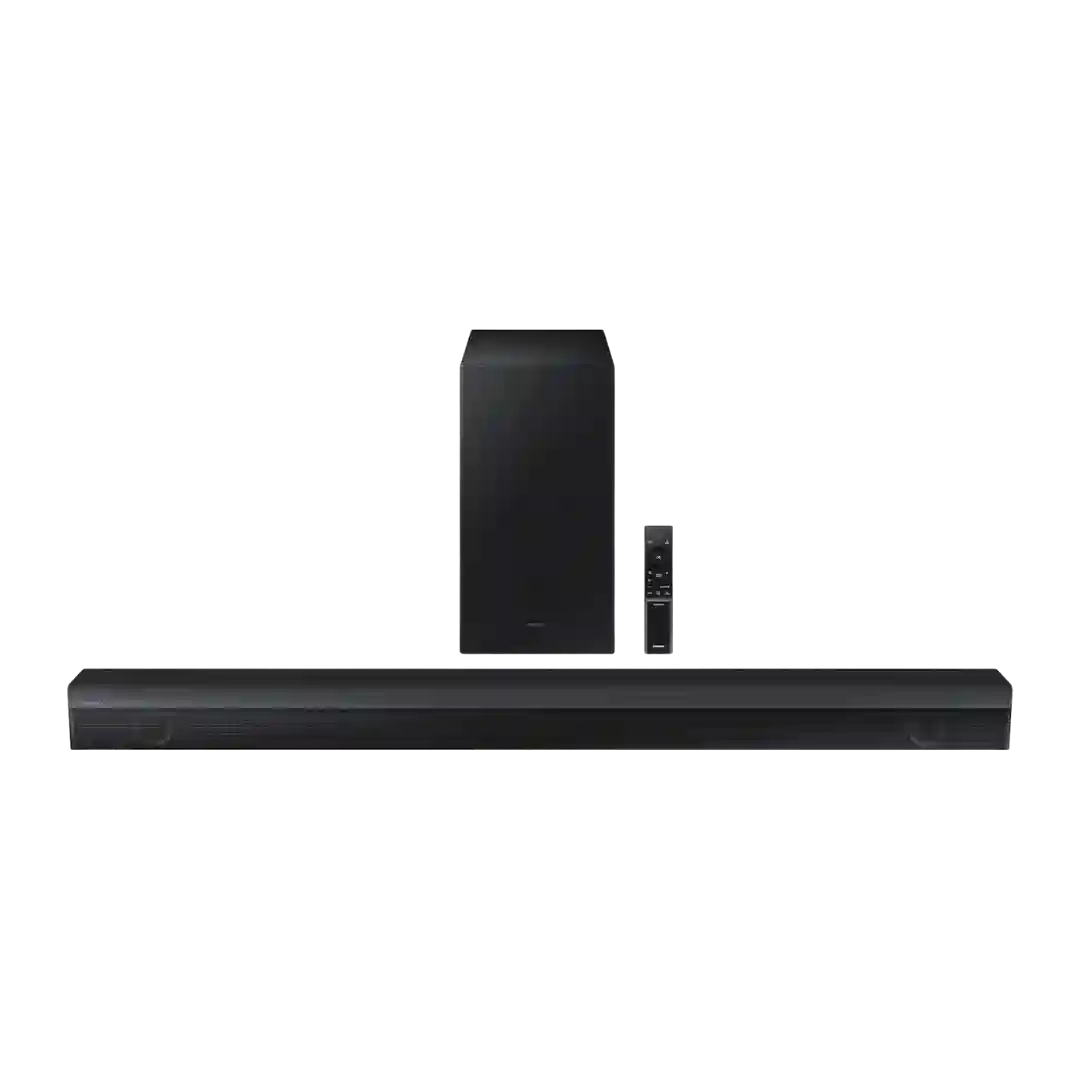
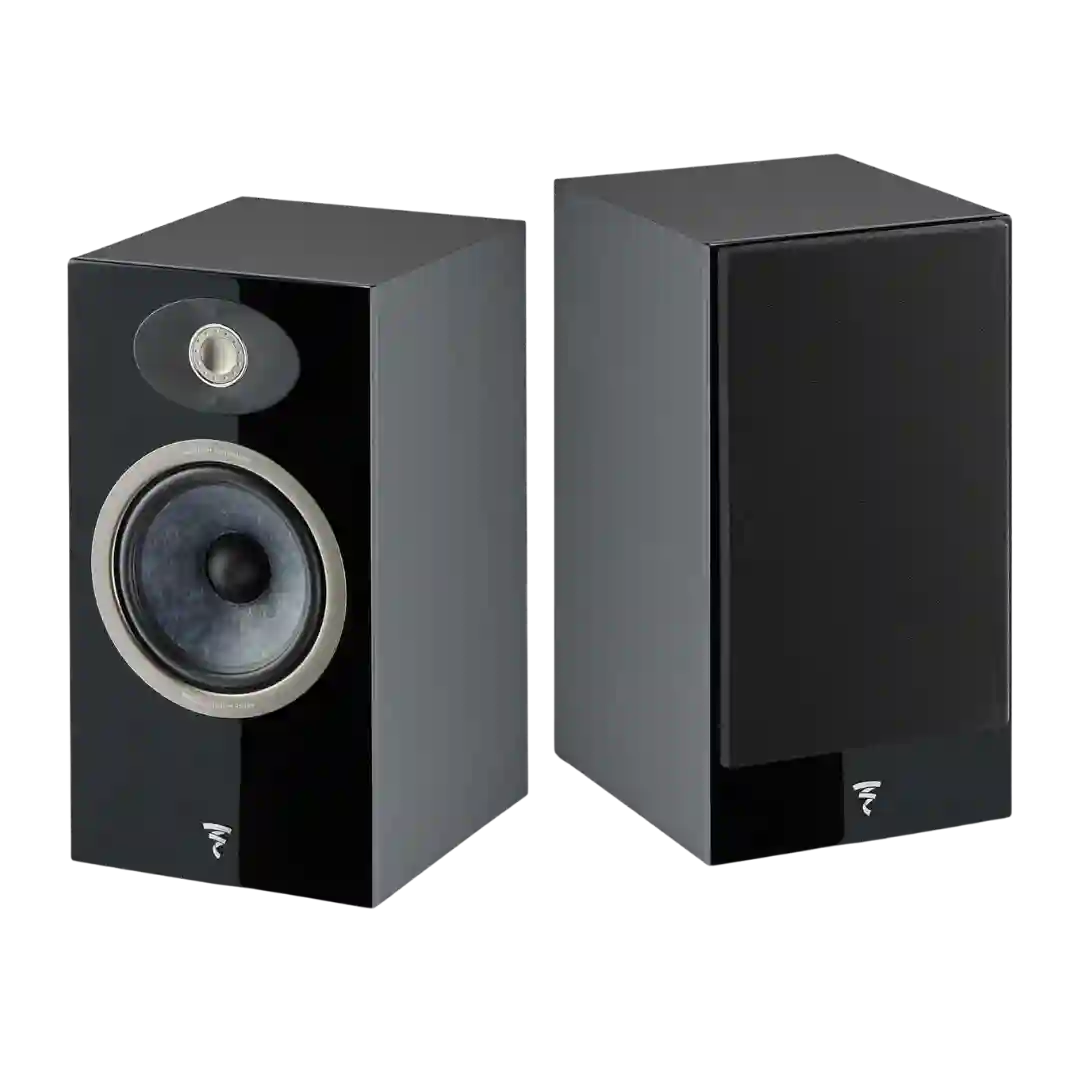
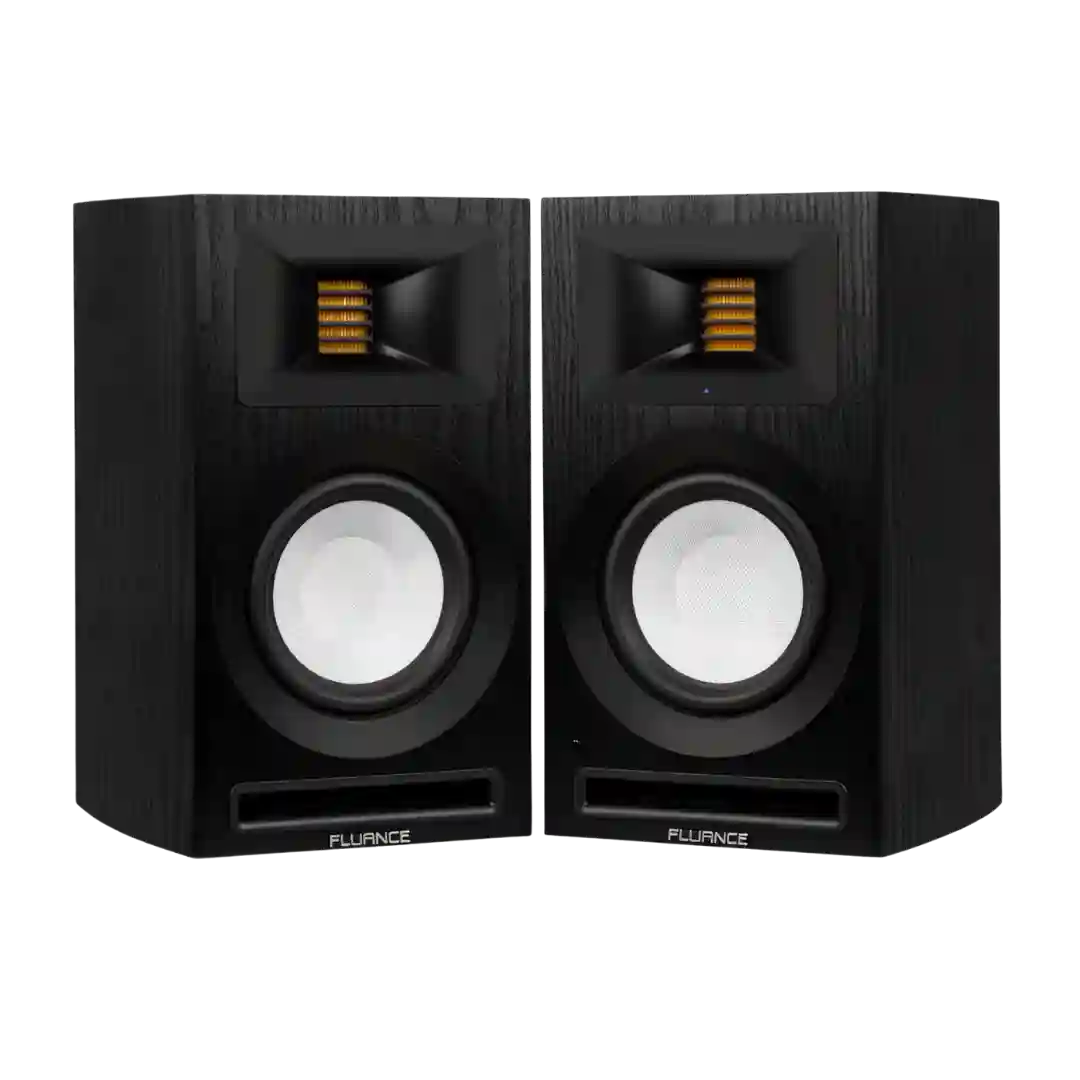
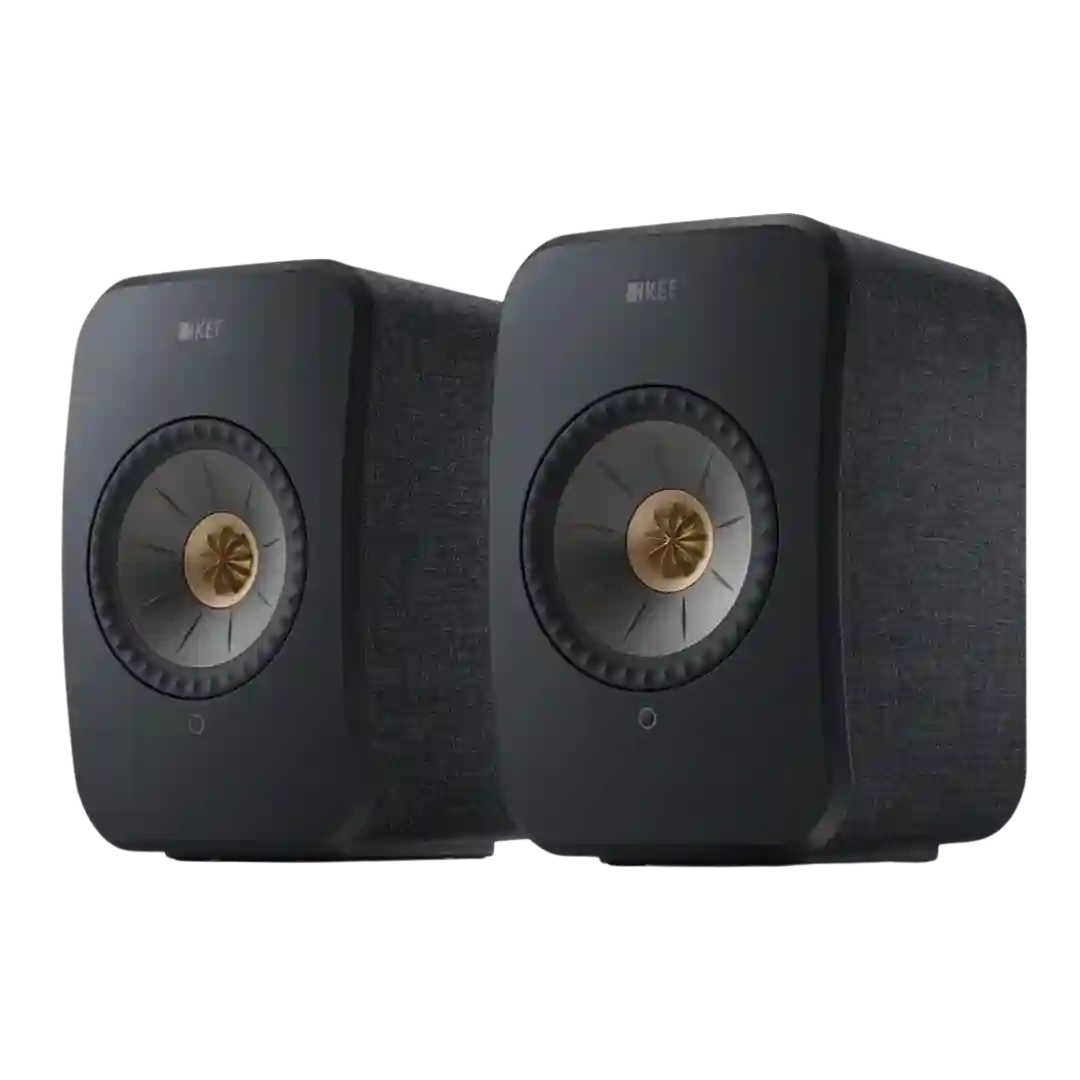
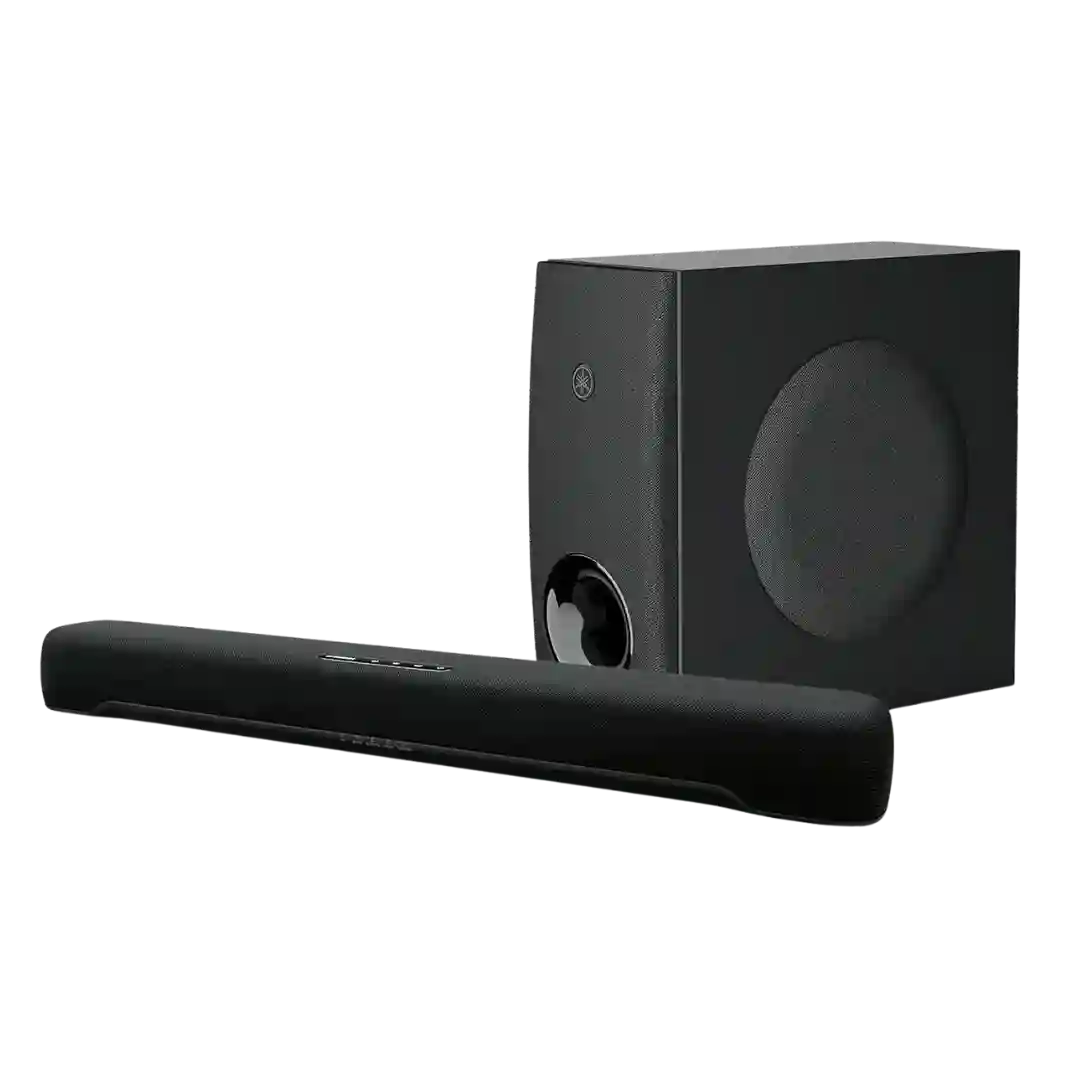
As a TV and movie speaker system, the REN earns strong marks for combining true stereo separation, easy ARC hookup, and optional sub integration. Reviewers broadly agree it outperforms similarly priced soundbars for fidelity, though it remains a 2.0 or 2.1 solution rather than surround.
As a compact home-theater replacement, the four-box kit integrates easily in living rooms and is frequently compared favorably to more complex receiver-based setups.
Home theater use is a standout strength. As rears with an Arc or Beam Gen 2, the Era 300 adds much stronger height, side, and rear effects than earlier Sonos speakers.
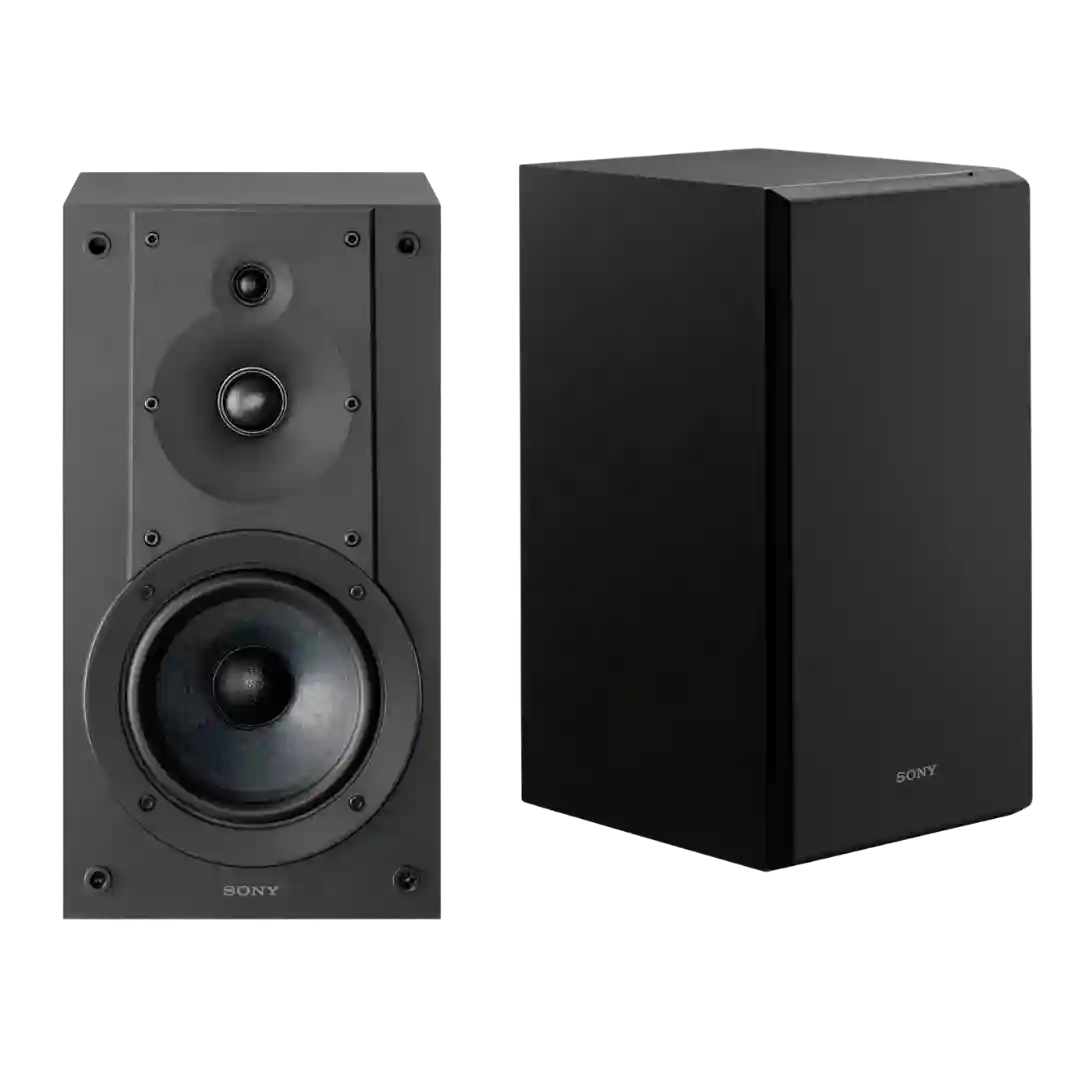
These speakers fit budget home theater use well, whether as mains, surrounds, or even height channels, especially when paired with an AVR and crossed to a capable subwoofer.
Home theater integration is described as a strength: easy TV control integration (CEC/auto on-off), useful HDMI passthrough for sources when TV inputs are limited, and quick calibration options to adapt to the room.
As a home-theater anchor, Arc is widely praised: it can stand alone for a big upgrade, and it scales cleanly with a Sonos Sub and rear surrounds for a more complete system.
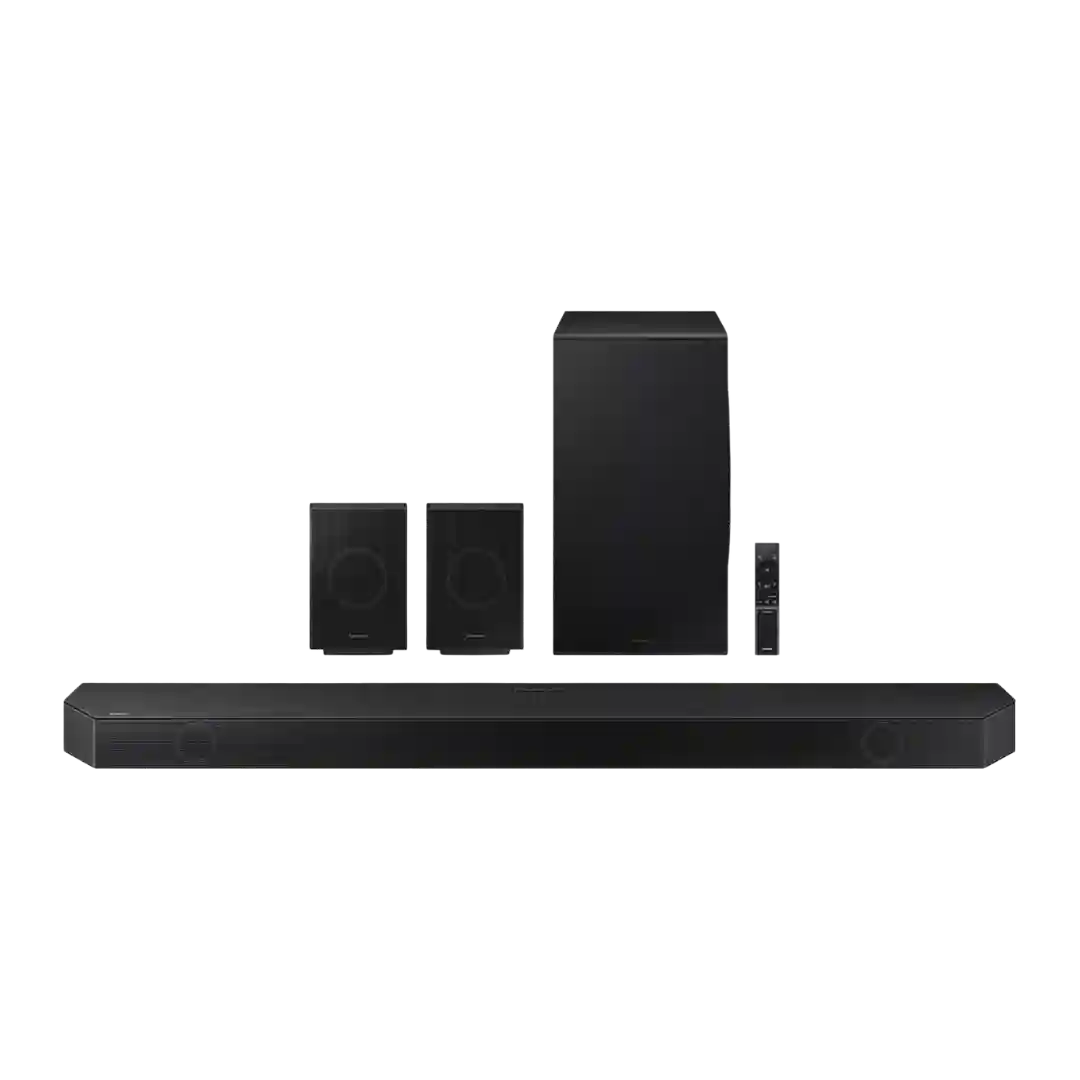
Integration in a home theater is a key strength, with convincing immersion and easy expansion-free setup; Samsung TV owners can gain extra front-stage width and tighter on-screen anchoring via Q-Symphony.
Works well as a standalone 3.2.2 bar and integrates into BluOS multiroom; expansion to sub and rears is a core strength, with some refinements arriving via firmware.
Several reviews say the Theva No.1 integrates very well into stereo-plus-sub and surround systems thanks to its dynamics, clarity, and easy amplifier load. For home theater, reviewers strongly favor adding a subwoofer for the lowest effects and fullest impact.
As a compact 2.0 TV and music system, the LSX II integrates very well into home setups. Its limitation is scale, not convenience, so larger rooms and blockbuster bass still benefit from adding a subwoofer.
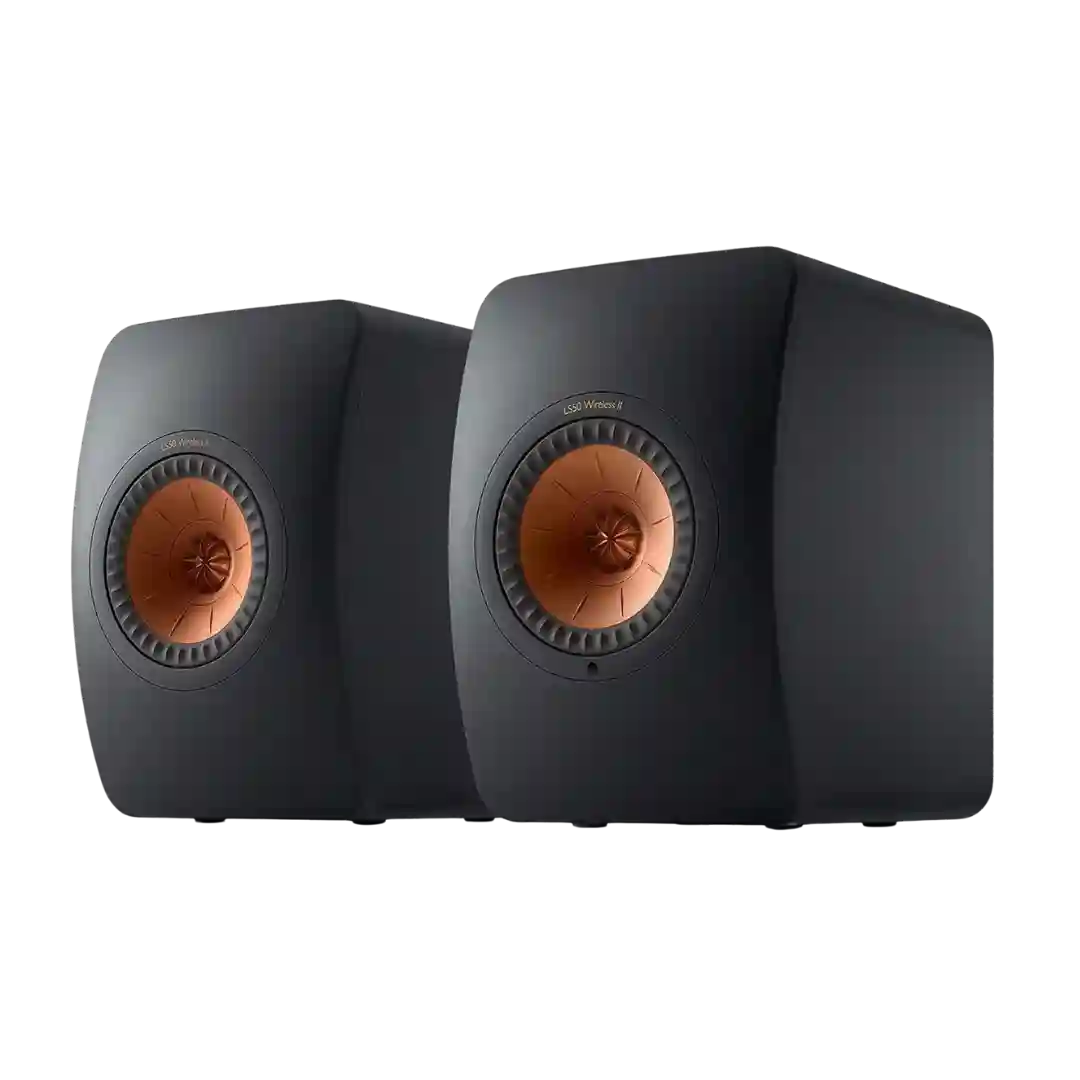
As a two-channel TV and music system, the Wireless II is often described as a strong soundbar alternative with big scale for its size; it’s still fundamentally stereo (not surround), and deep movie bass is frequently said to improve with a sub.
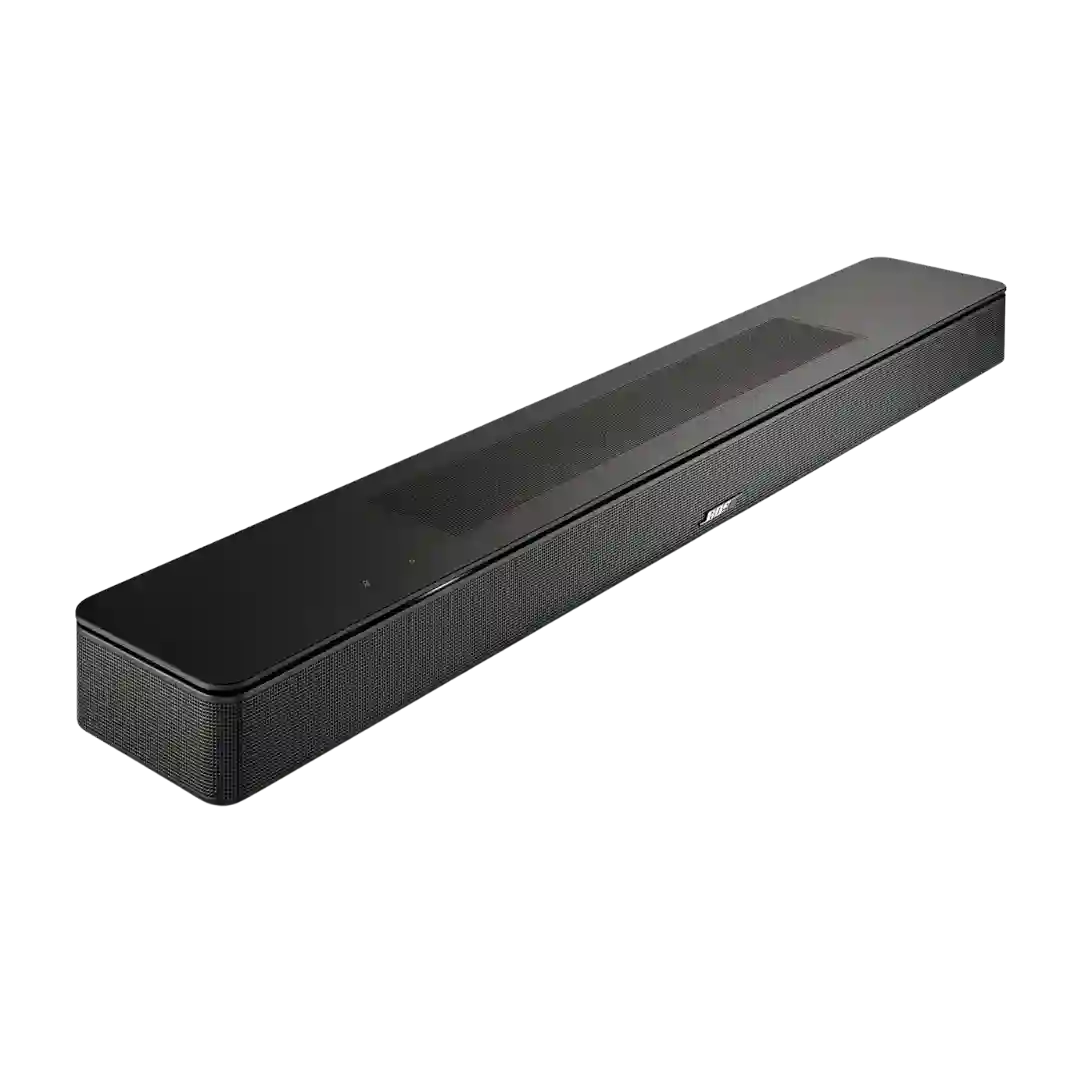
The soundbar integrates neatly into a broader home theater setup thanks to support for Bose subs, surrounds, app control, TV remotes, and accessory expansion.
The Nova S50 fits neatly into cramped living rooms, bedrooms, and apartment setups, and it clearly upgrades TV sound. Buyers building a more serious cinema system will still outgrow it quickly.
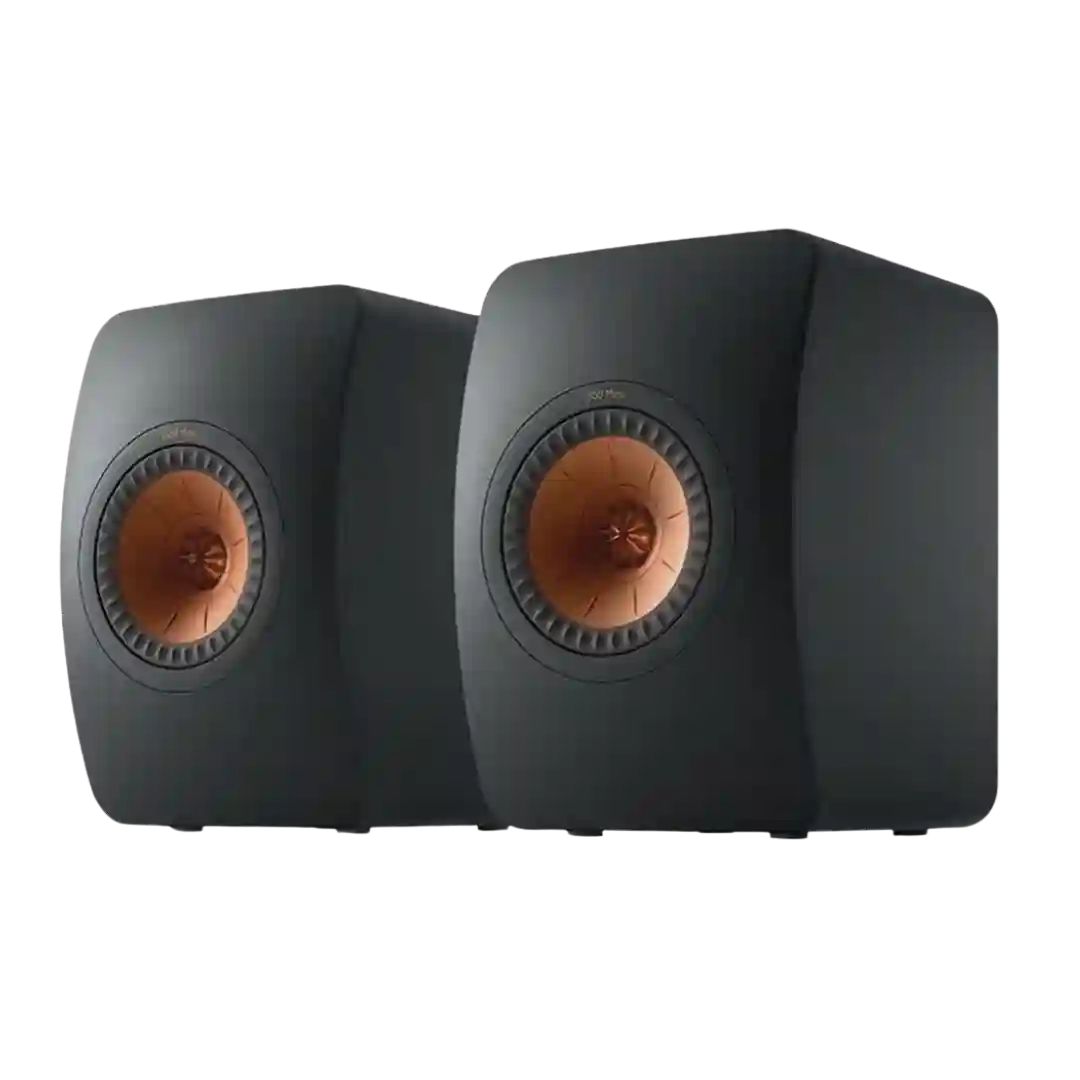
Several reviews find the LS50 Meta compelling in home-theater roles (2.0/2.1 or as part of 5.1), but also note that a subwoofer is the easiest way to add the low-end weight and impact movies demand.
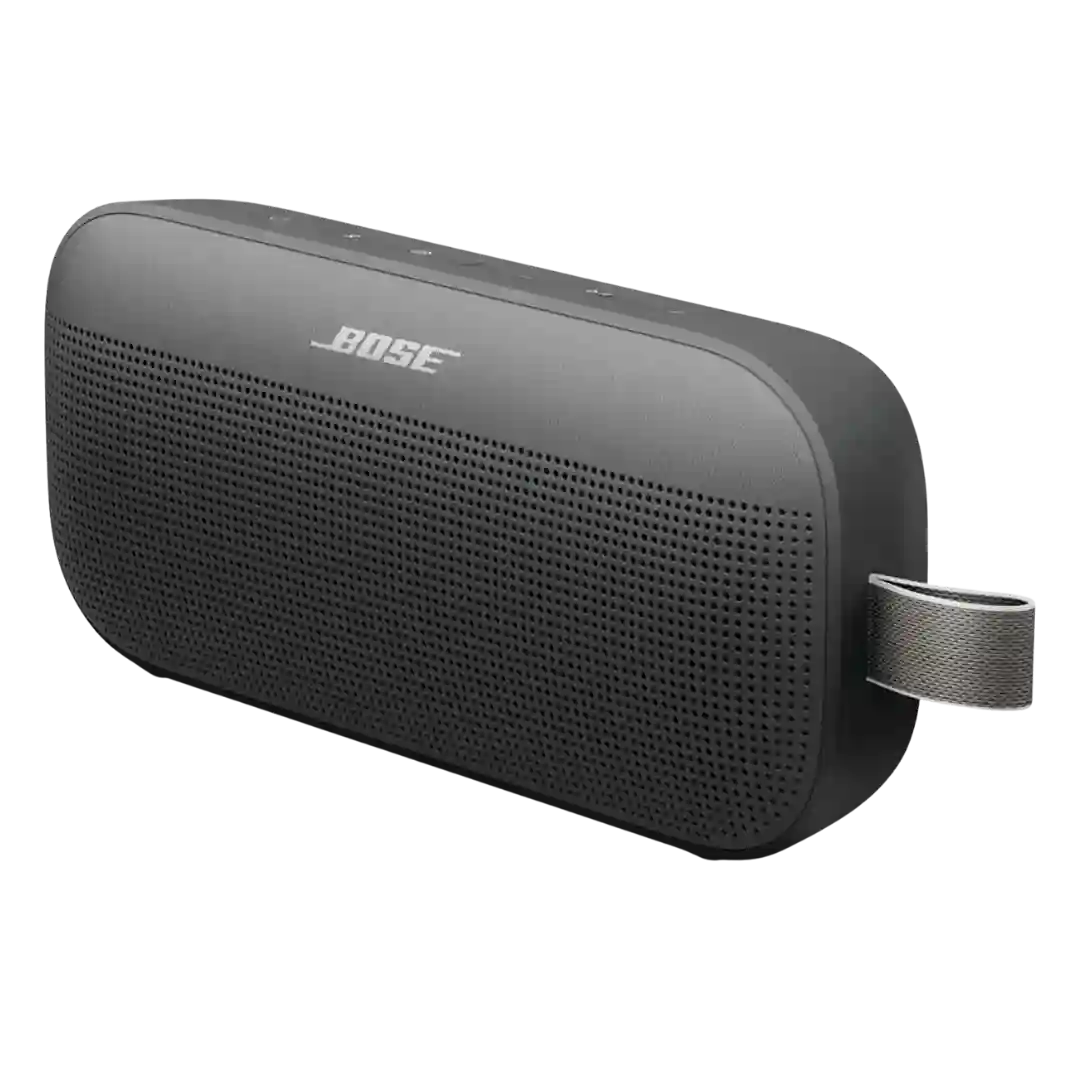
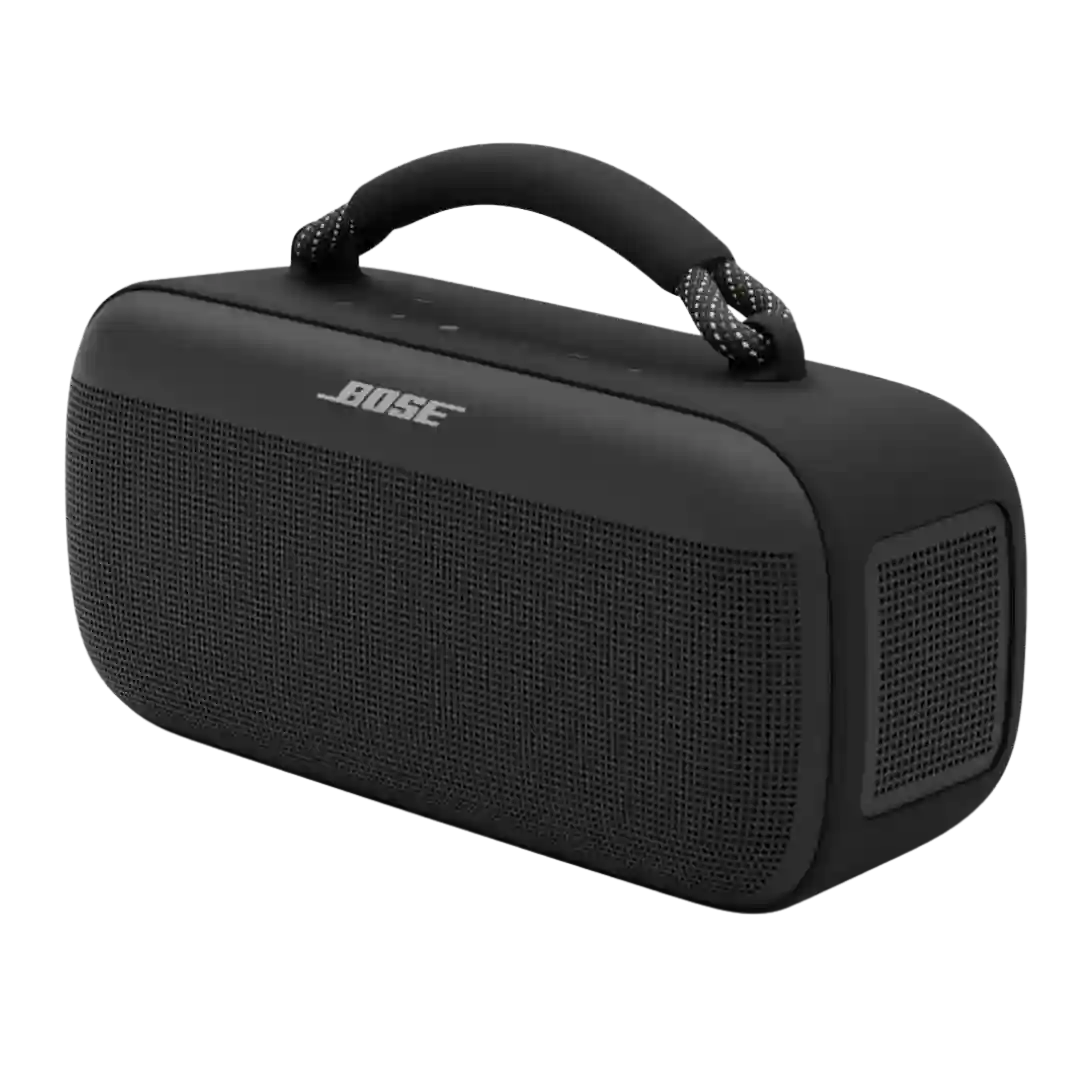
Some reviewers mention Bose SimpleSync or linking with Bose soundbars or smart speakers for shared audio, extending use beyond pure portable listening.
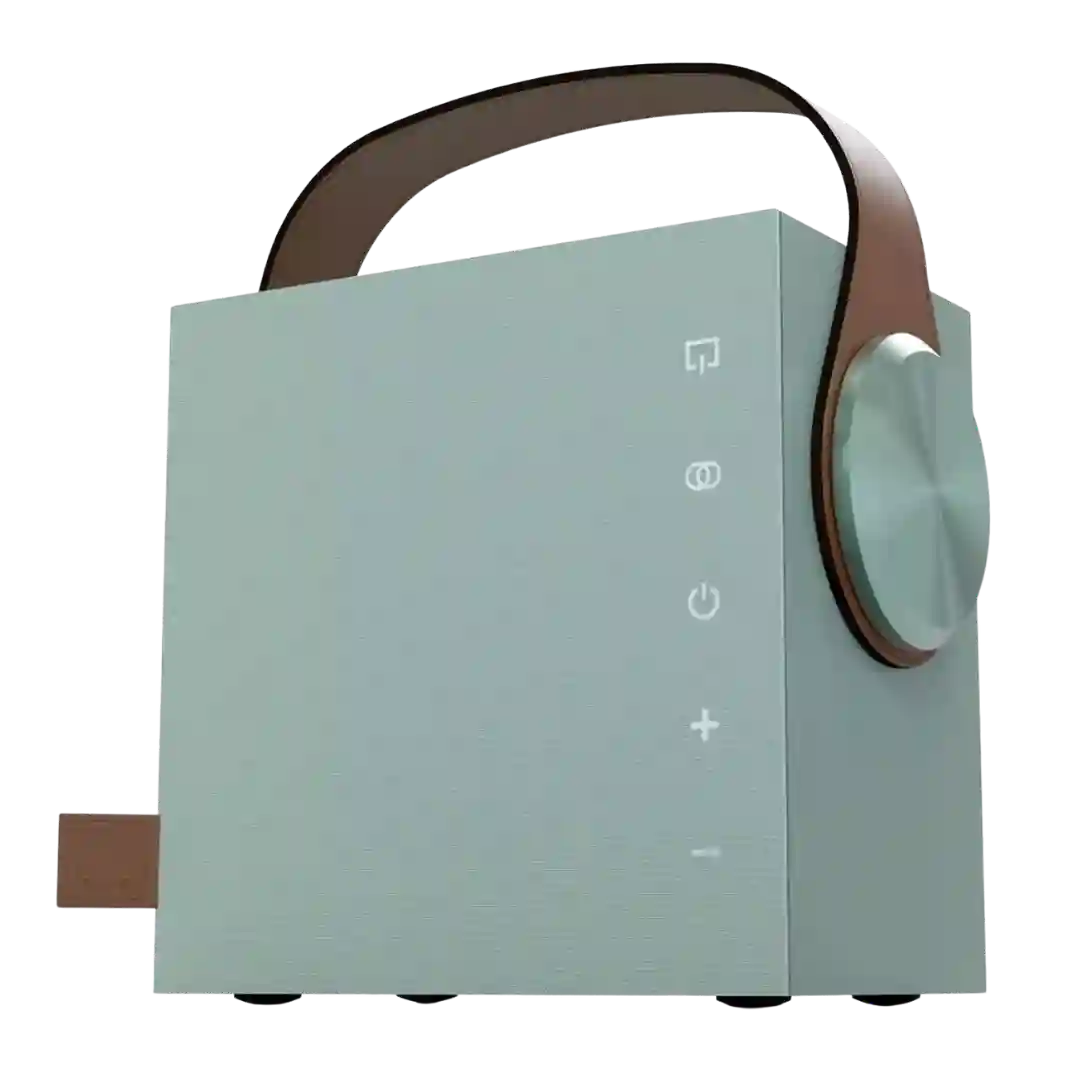
It can work as a small-room TV speaker, especially via AUX or as a stereo pair, but it lacks the connectivity and low-latency polish of purpose-built TV audio gear.
Bose SimpleSync-style integration is mentioned as a way to connect with compatible Bose speakers and soundbars, but it is not positioned as a true home theater replacement. It is best viewed as a convenience feature for Bose households.
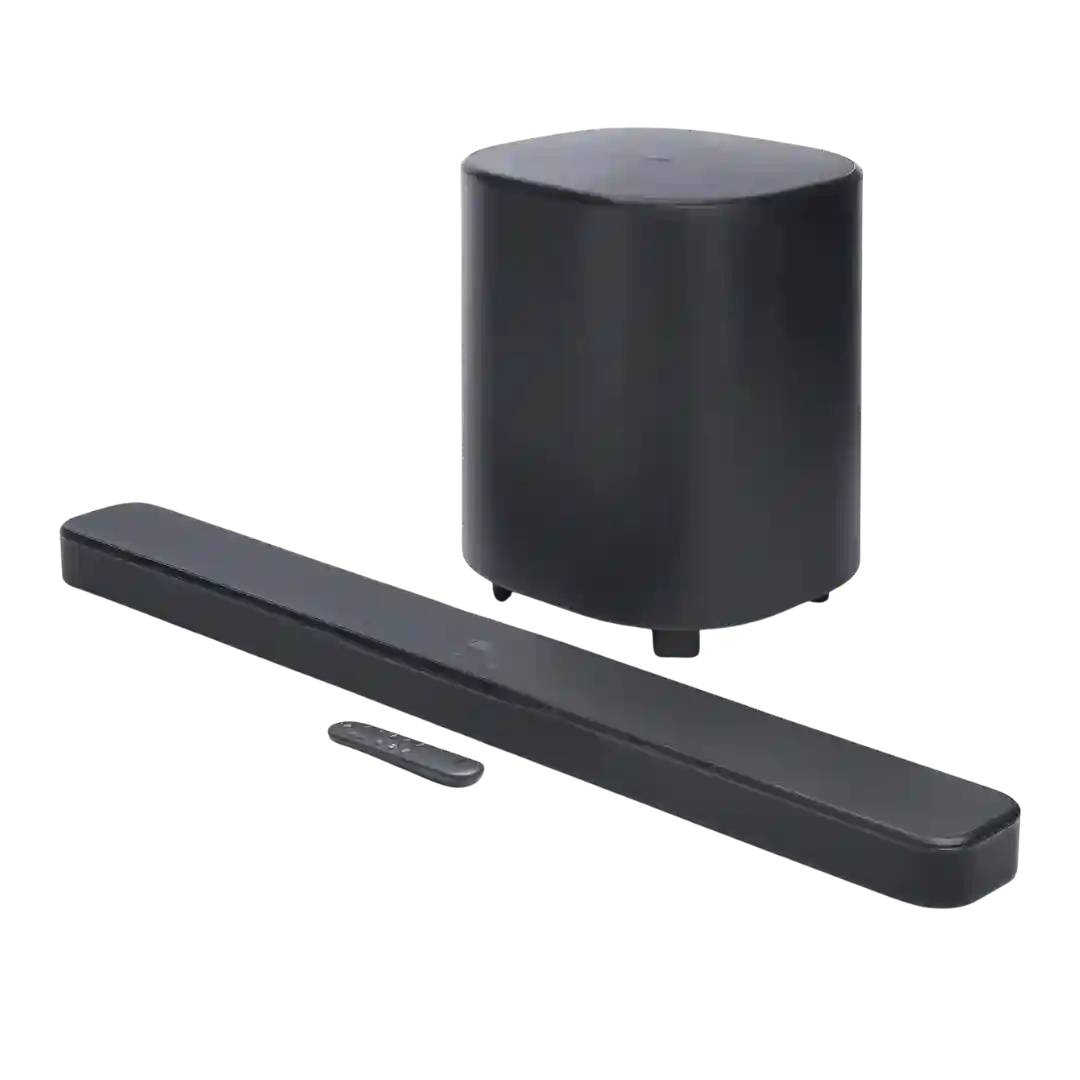
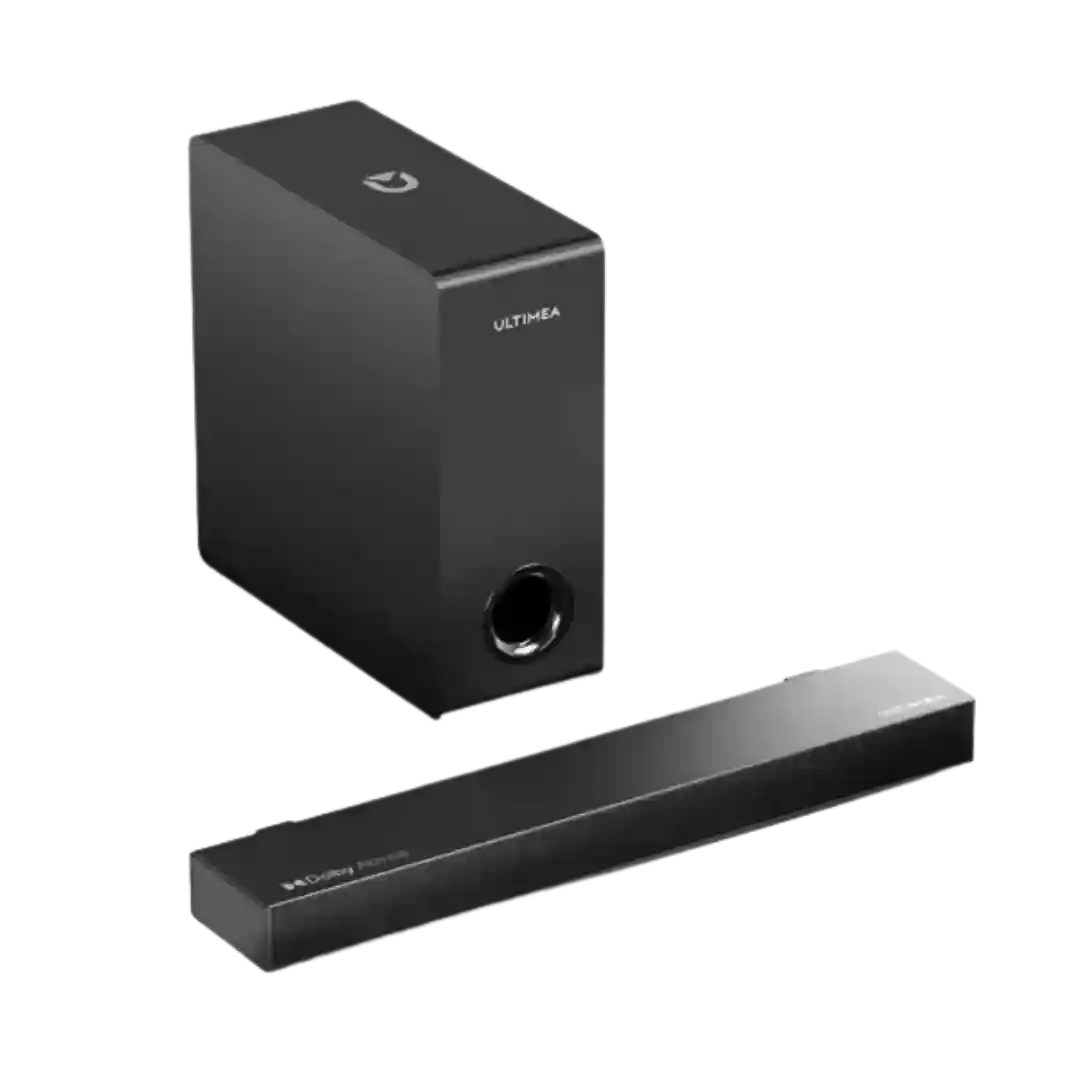
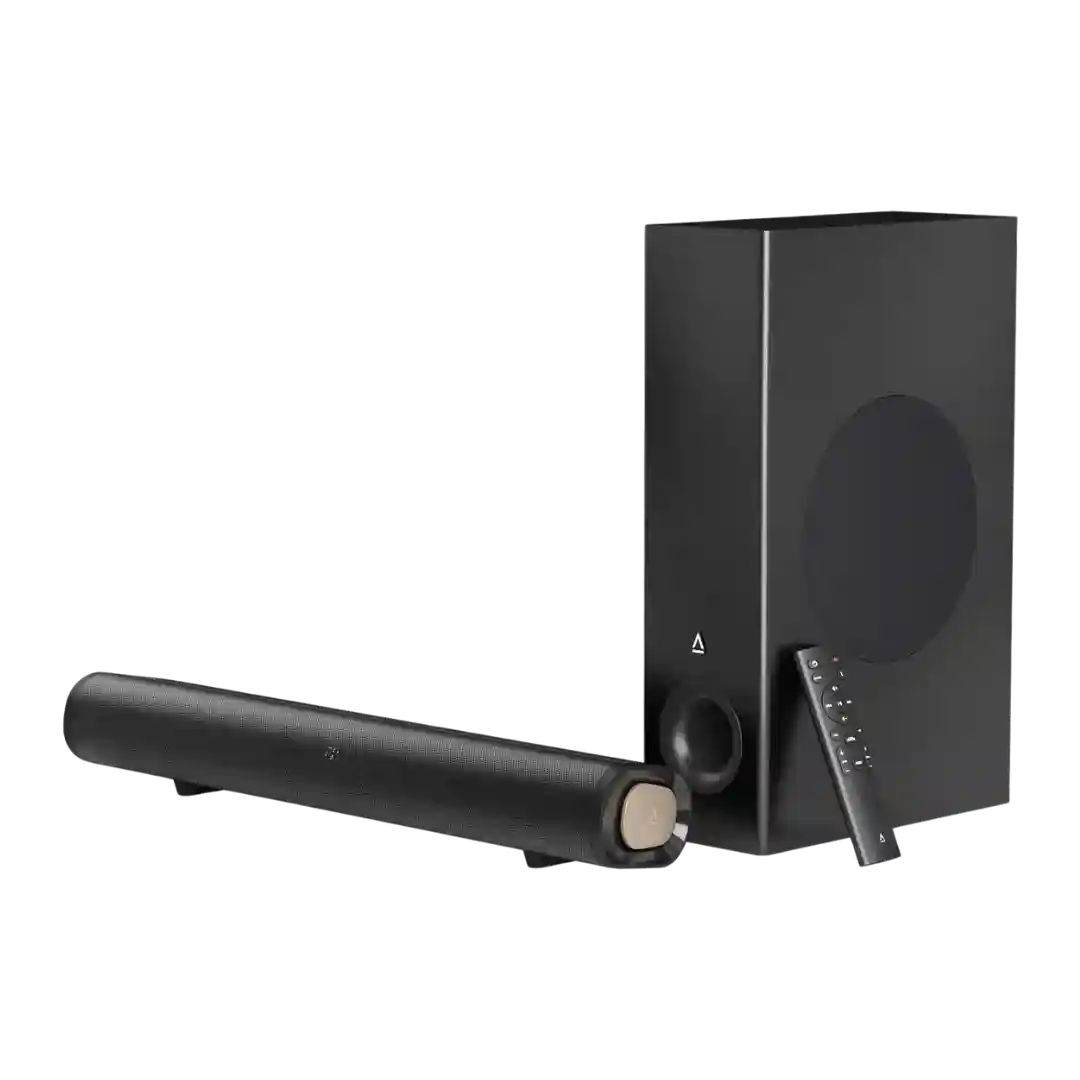
Home theater integration is framed as practical TV-audio upgrading rather than full cinema: good for small-room movie nights and gaming, but limited by stereo-plus-sub design and modest immersion compared with Atmos systems.