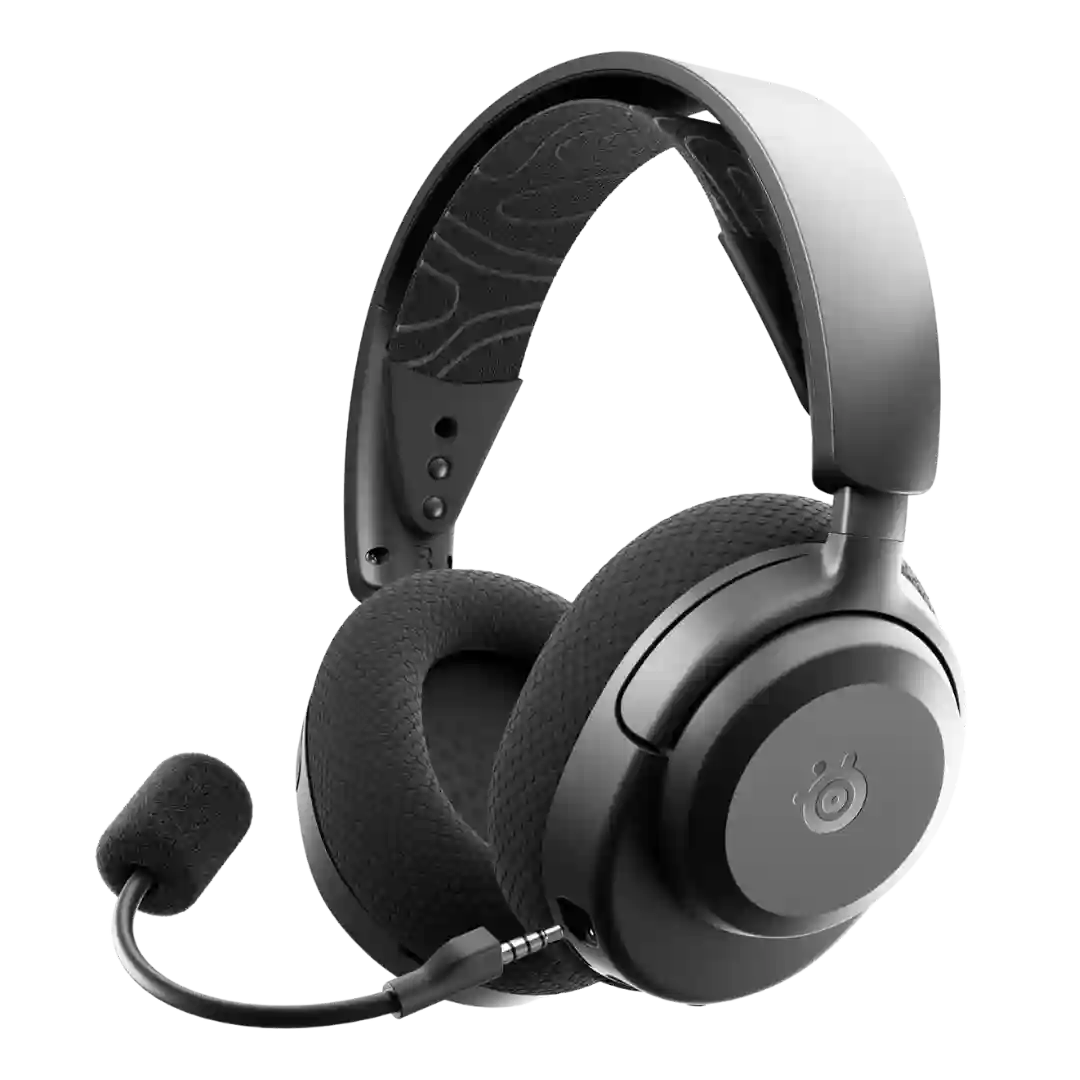
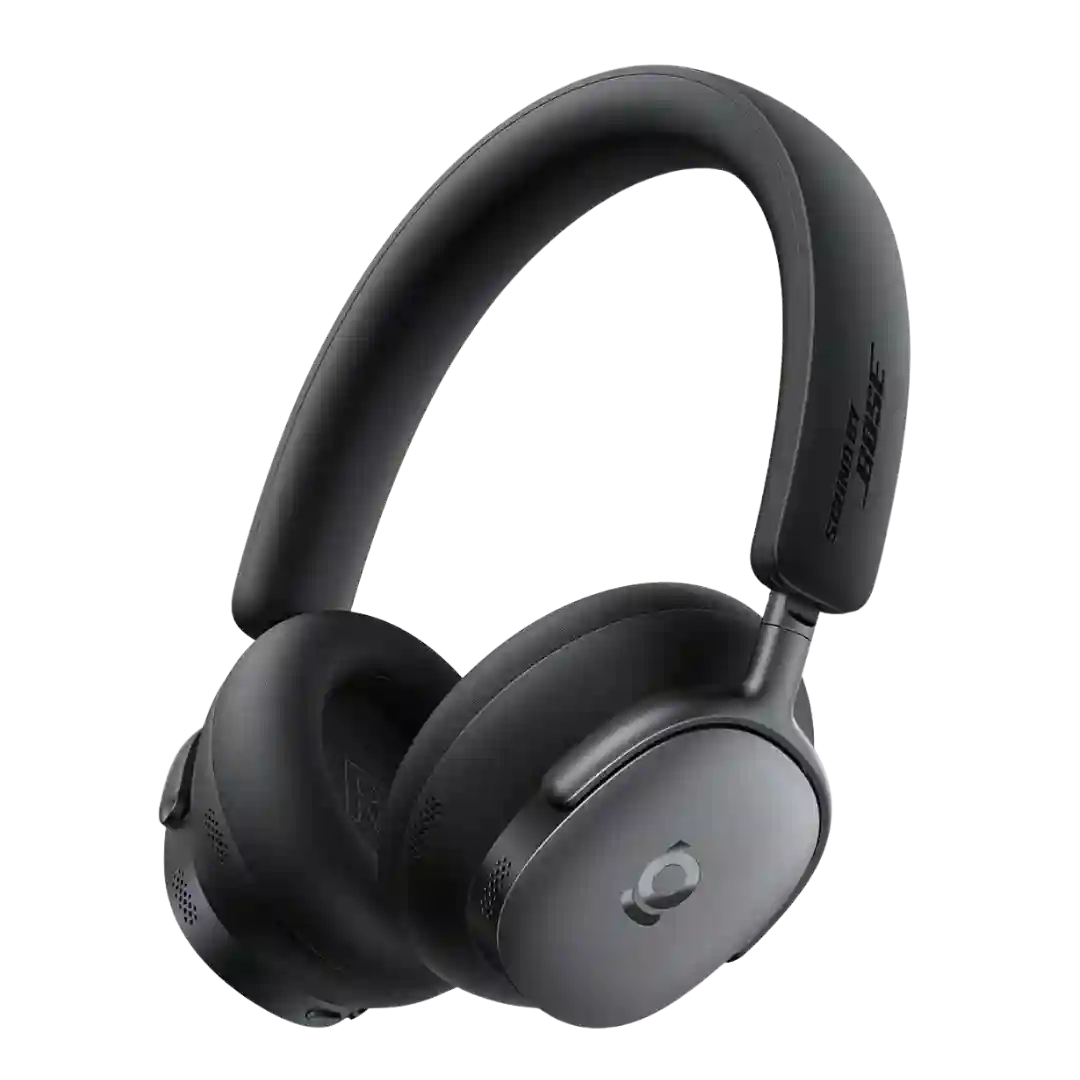
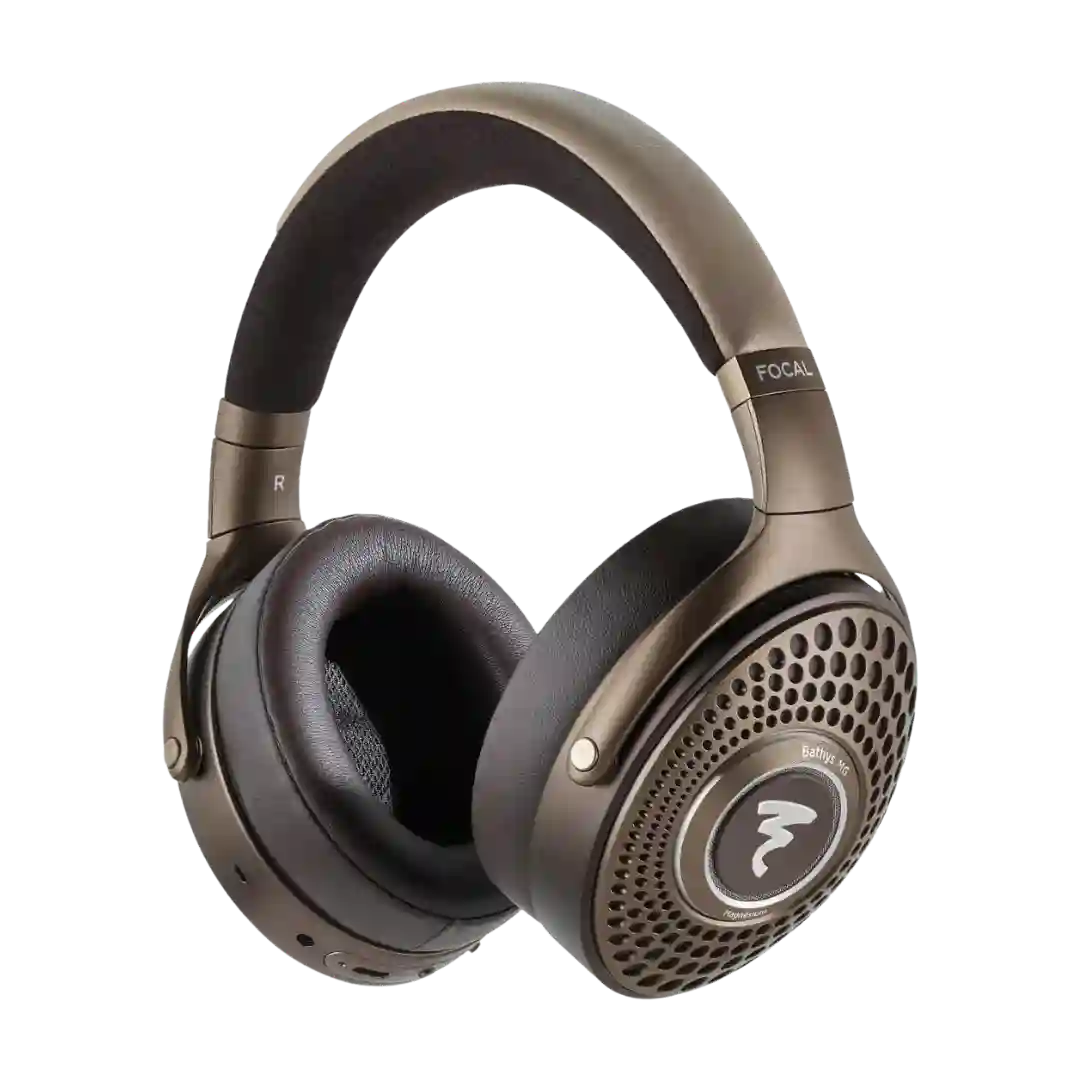
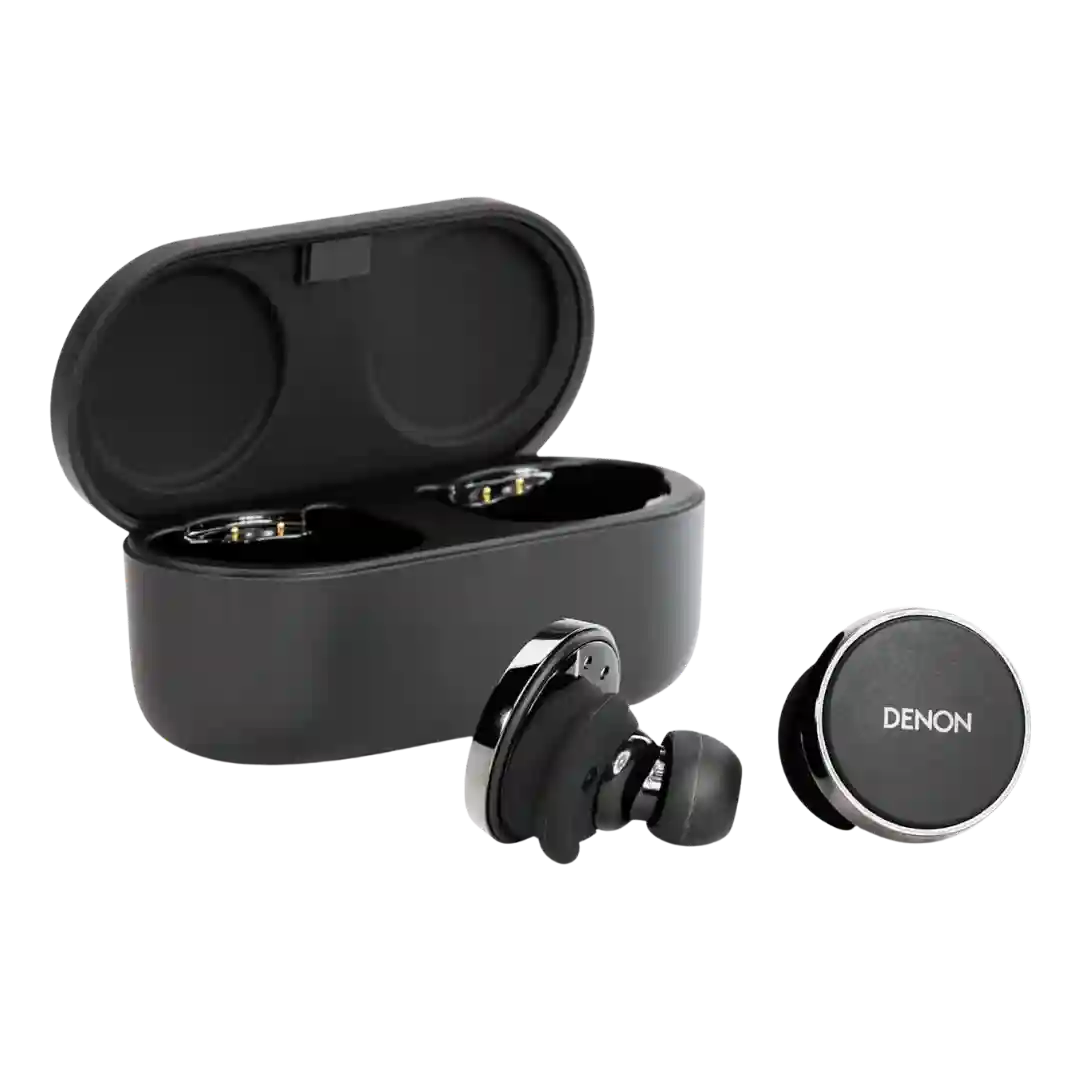
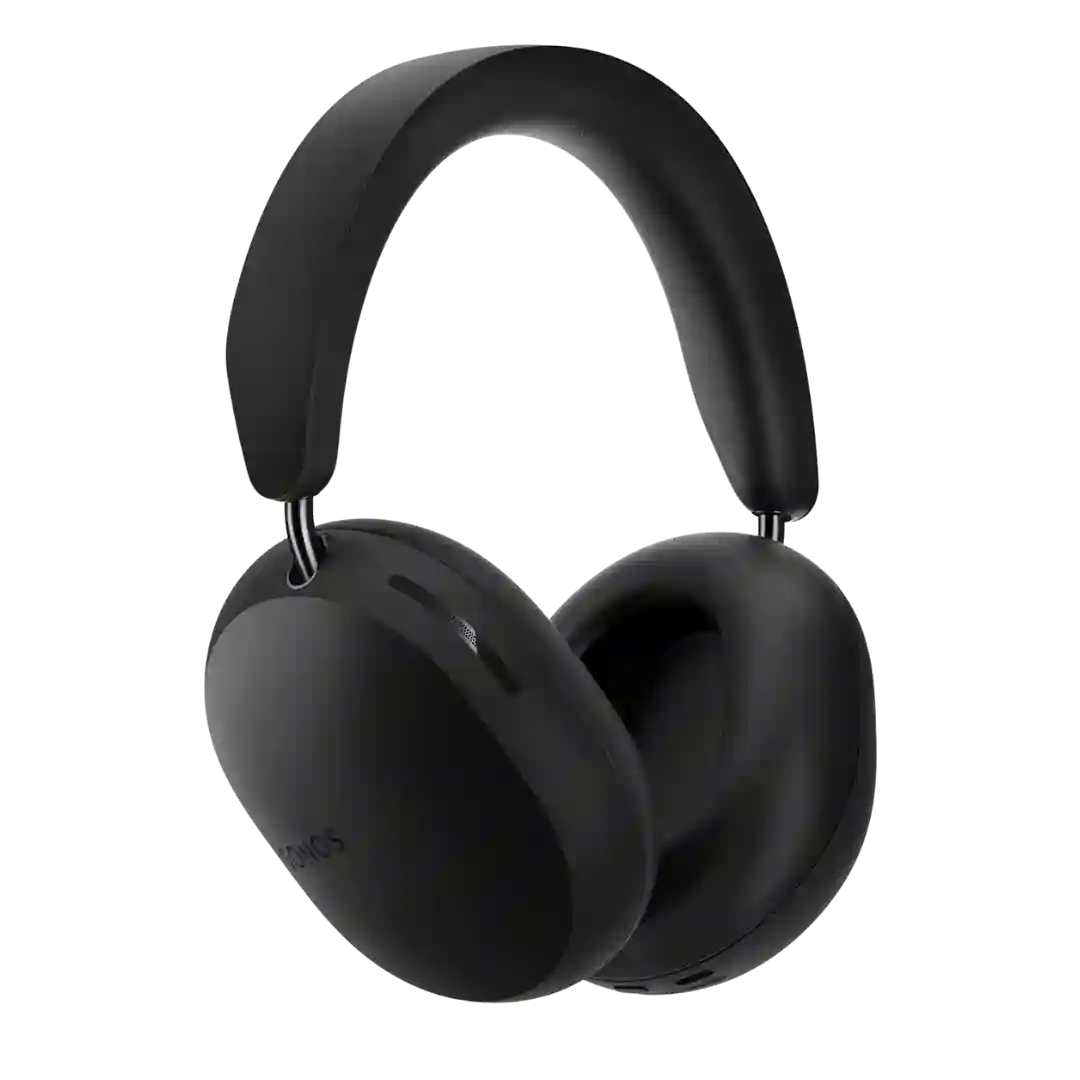
Noise rejection is a consistent strength, with multiple reviews saying background hum and side noise stay controlled while speech remains intelligible.
Call noise suppression is repeatedly praised, with reviewers citing strong wind reduction and AI-driven voice separation that keeps conversations clear in busy streets.
AI noise rejection is a standout: reviews report strong suppression of loud background noise with voice staying intelligible, though some note increased processing artifacts at maximum settings.
Noise rejection is a standout: beamforming and sensors help suppress background noise and wind so callers hear less of the environment. Even when voice tone is only average, most reports agree background suppression is strong.
Noise reduction on the mic is repeatedly praised for rejecting keyboard clacks and room noise. A platform caveat appears in one review, where background reduction was less effective in a console test compared with PC.
Noise reduction on calls is generally excellent and can suppress wind and background noise well, though a few tests mention occasional artifacts such as white-noise or slightly hollow rendering.
Noise rejection is a major microphone strength, with multiple reviews noting reduced background noise from fans, keyboards, room noise, or other people.
Background-noise suppression during calls performs very well in most reviews, especially against wind, traffic, and loud ambient noise, even if the processed voice can sound a bit artificial.
Noise reduction for calls, including background and wind suppression, is frequently praised and often highlighted as best-in-class or close. Edge cases include echo handling or very windy, chaotic environments where voices can wobble slightly.
Background rejection is a real plus. The mic does a decent to very good job reducing keyboard noise and other room sounds, though it is not perfect in louder environments.
Noise reduction features like ClearCast AI, noise gates, and smart leveling are often effective at cutting fan noise, birds, and keyboard clatter. A few still notice minor wireless artifacts or remaining background hiss depending on settings.
Noise reduction during calls performs better than expected and can suppress loud background noise effectively. The tradeoff is that strong processing can make the speaker sound a bit digitized.
Noise suppression is usually very effective against wind, cars, and general street noise, though a few reviewers found truly chaotic environments still challenging.
Noise handling is a strong point: software options (including AI-style noise reduction where available) and mic tuning help cut distractions like keyboard noise and room sounds in typical gaming/office use.
Microphone noise reduction is frequently praised for suppressing street and café noise, but very loud environments can cause the processing to fade the speaker’s voice.
The microphone array does a respectable job suppressing background noise and keeping speech intelligible, though wind and harsher noise are not fully erased.
Noise reduction for calls is generally competent, keeping speech intelligible in moderate noise. Very loud environments and mode changes can still reduce clarity.
Background-noise handling on calls is frequently praised, with several reviews noting strong suppression of chatter and environmental sounds. Wind handling is good but not universally perfect across all reports.
Background noise reduction for calls is often praised as improved and effective in office/street noise, though very windy scenarios remain a weak spot and a few reviewers describe occasional muffling depending on conditions.
Noise reduction for calls performs well in loud environments (office, transit), keeping speech understandable. Some recordings can reveal light processing artifacts or occasional distortion depending on conditions.
Noise reduction for calls is frequently praised (including AI-style voice isolation), yet a minority of measurements-based reviews report that wind and background sound can still bleed through depending on scenario.
Noise reduction for calls is generally decent and helps intelligibility, though performance varies by environment and at least one review notes weaker suppression of background sounds.
Noise reduction on calls is usually effective, keeping background sounds lower while preserving speech, though some tests still let intermittent noise bleed through or add a slightly processed character.
Noise reduction on calls is effective at suppressing background noise, especially wind and street ambience in some demos. The tradeoff is occasional aggressive gating that can alter vocal tone.
Voice isolation can be impressively effective in some tests, yet reviewer consensus is more mixed once wind and heavier background noise enter the picture.
Noise reduction for calls is strong in moderate noise and wind for many reviewers, yet can be inconsistent in extreme background noise depending on conditions and processing.
Noise reduction during calls performs better than raw call tone. Wind and street noise are often suppressed well, even when voice timbre itself is only average.
Noise handling is generally solid for a headset mic, with good background-noise rejection and reduced bleed in many tests, but plosives and some leakage caveats still appear.
Noise reduction for calls is widely praised, with noticeable background suppression and wind-handling claims. One review flags a noise-floor or buzzing experience during calls despite otherwise clear voice output.
Noise reduction and Voice Isolation are generally effective at reducing chatter and traffic, but wind and very loud noise can introduce artifacts or leave some noise audible. Results vary by environment and settings.
Noise handling on calls is a relative strength, with several tests showing good wind and background-noise suppression, though a few note it can still struggle in very noisy offices.
Noise reduction on the mic is generally effective for lowering steady background noise like fans and keyboards, especially when using the software controls. Some reviewers still hear more environmental bleed than expected in busy office conditions, but voice intelligibility remains strong.
Microphone noise reduction is often praised for isolating voice and suppressing background noise, including fans and nearby activity. A few real-world tests in loud, crowded spaces suggest performance can vary and may not remove all ambient chatter.
Noise handling is generally good with adjustable noise gates and processing, but some reviewers hear occasional dips or artifacts when noise reduction is too aggressive.
Microphone noise reduction is often described as effective at suppressing background noise, though not always the best in class for wind or the noisiest streets. Overall, most reviewers consider it reliable for calls.