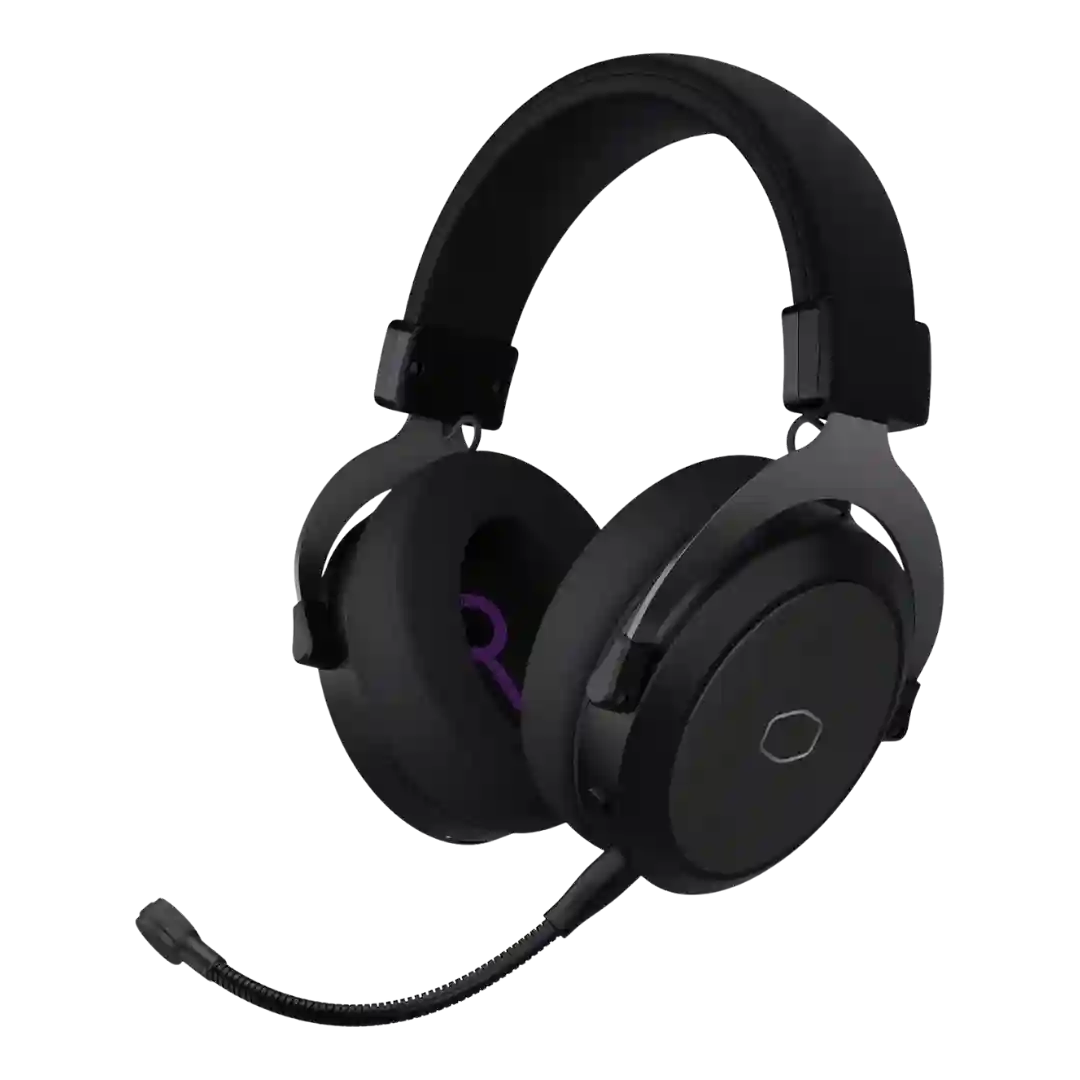
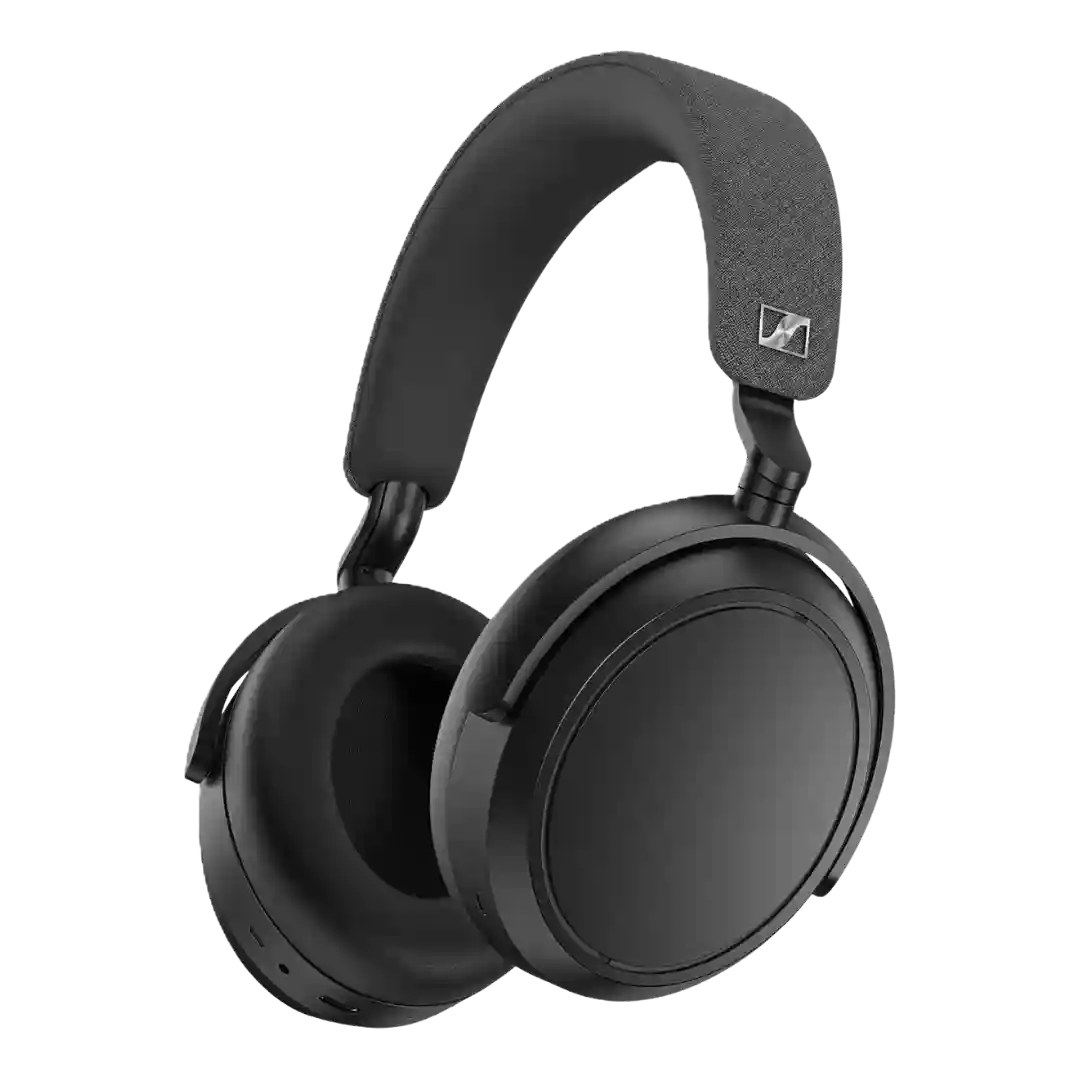
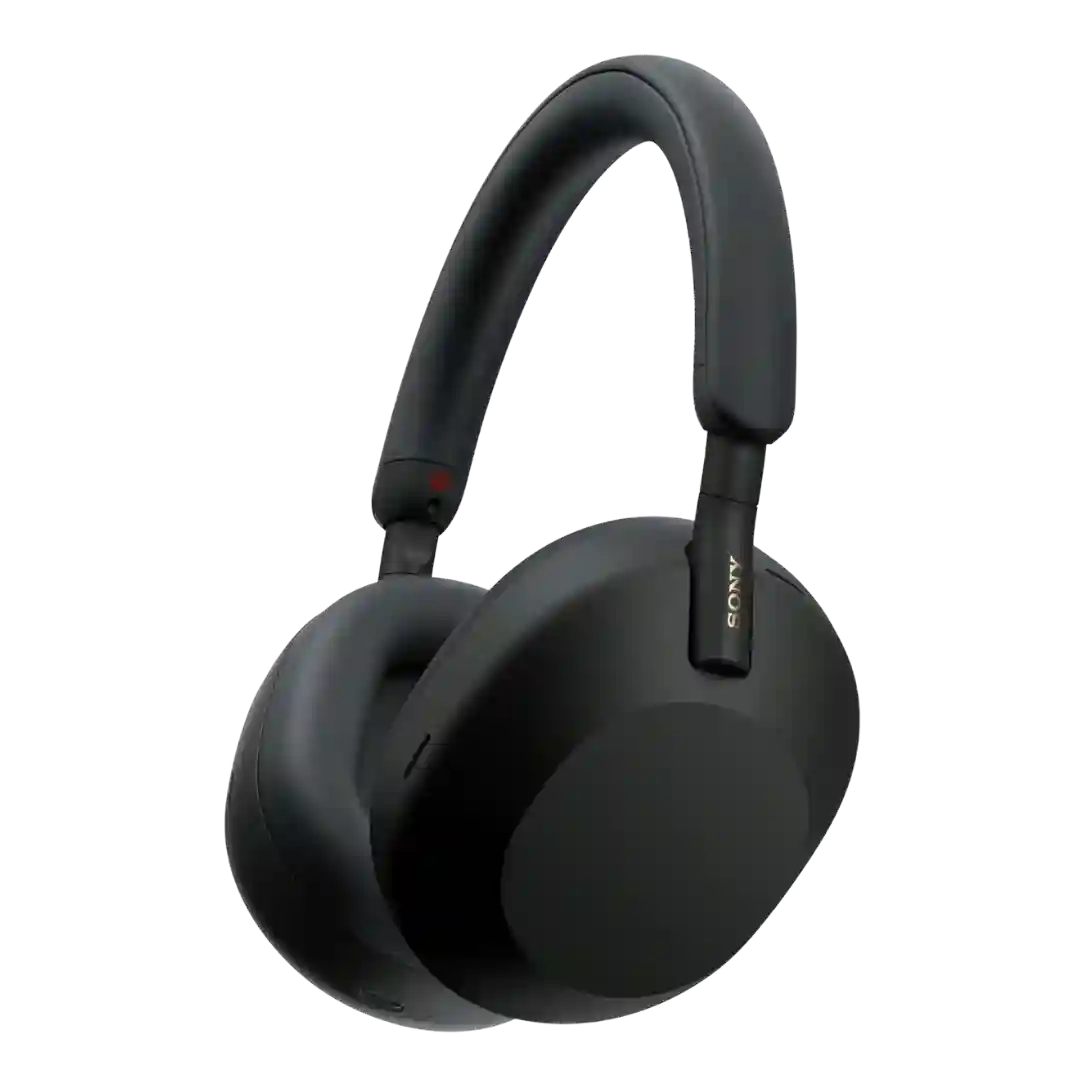
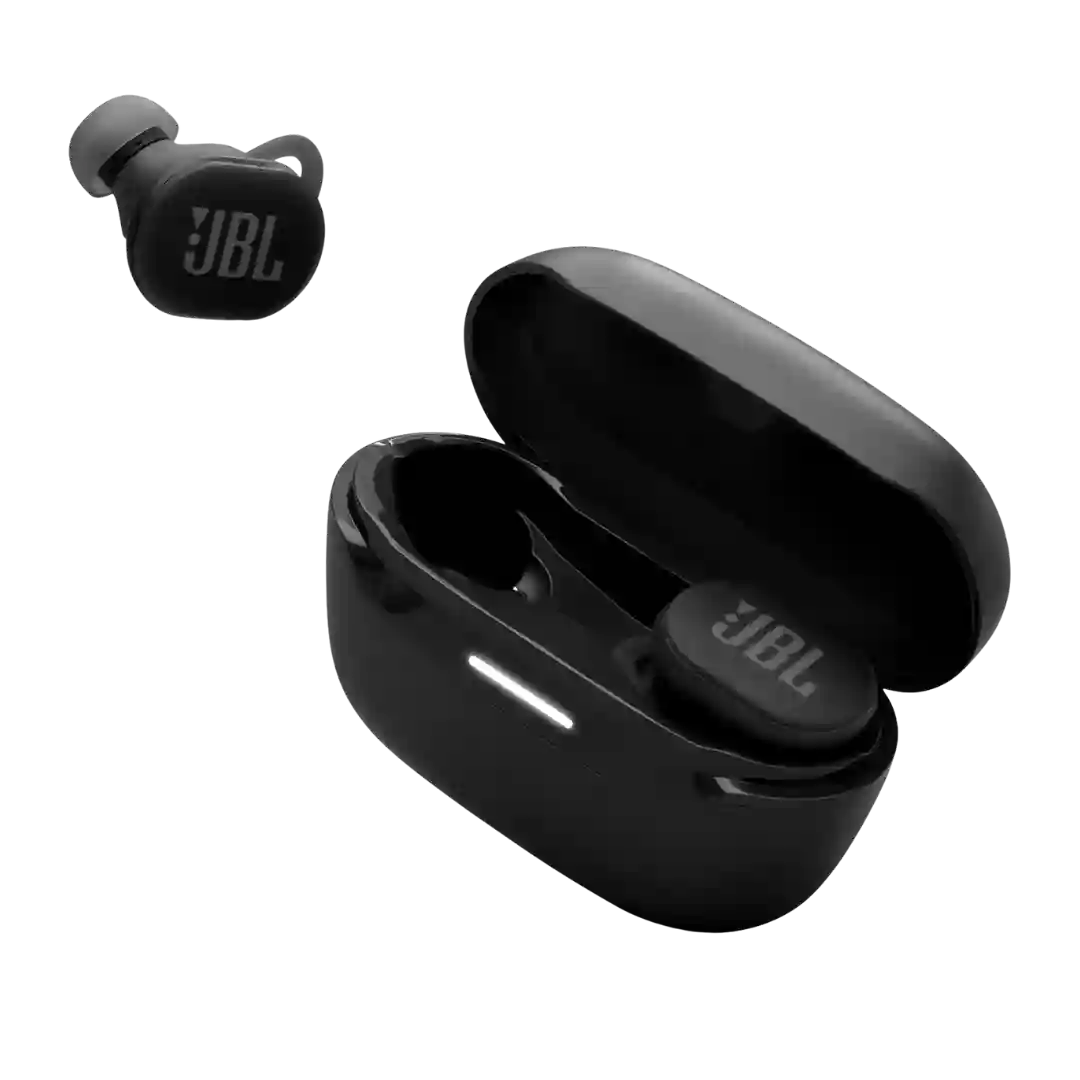
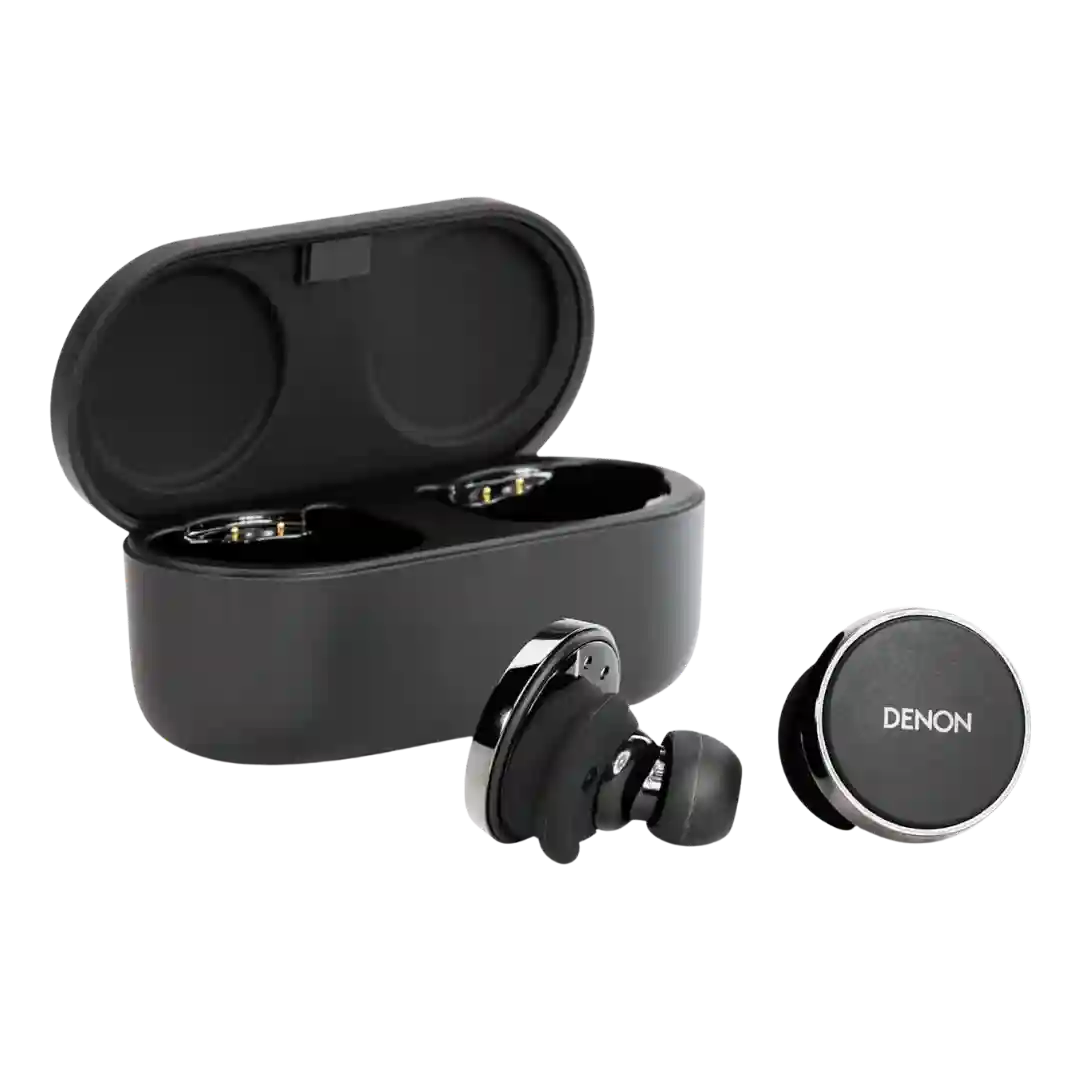
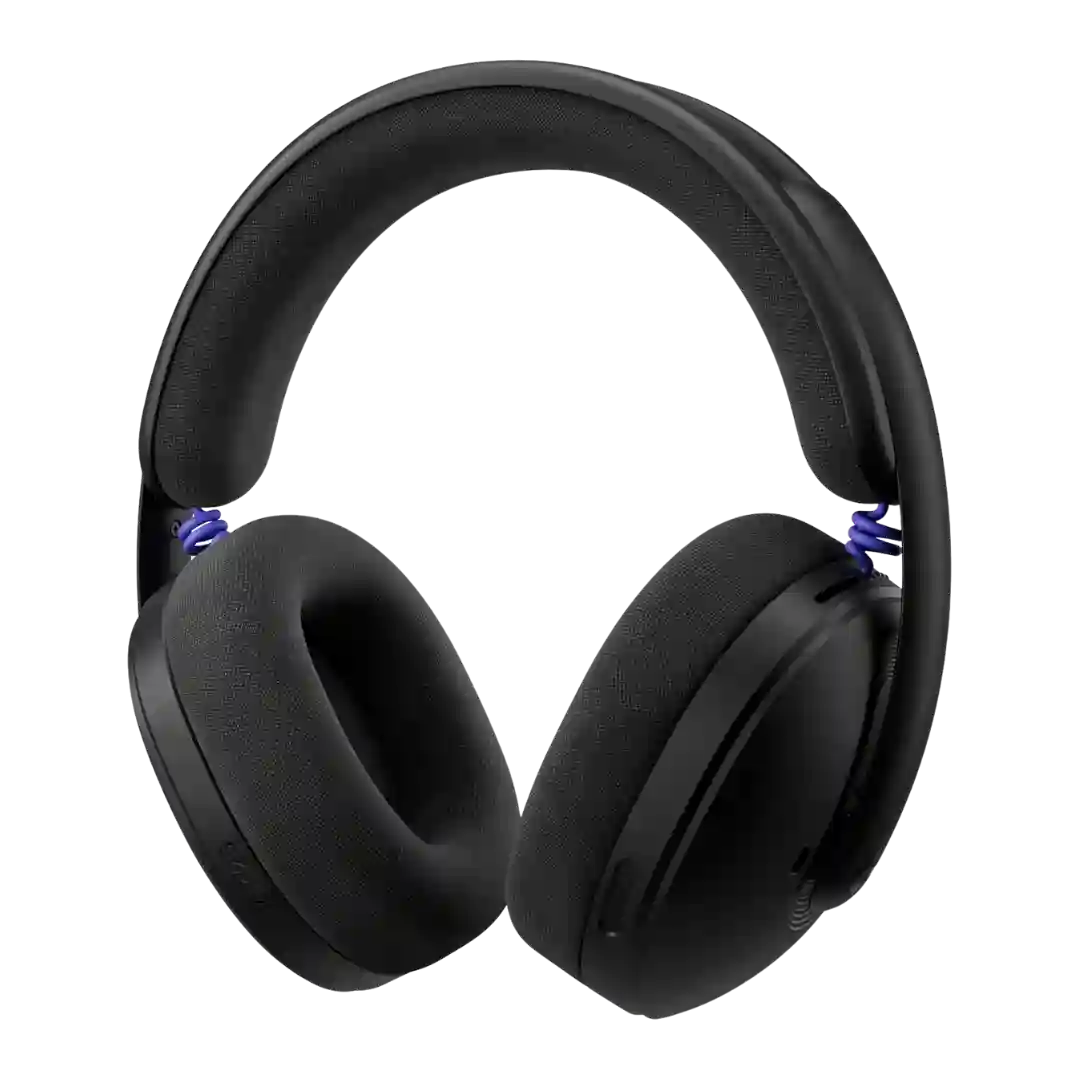
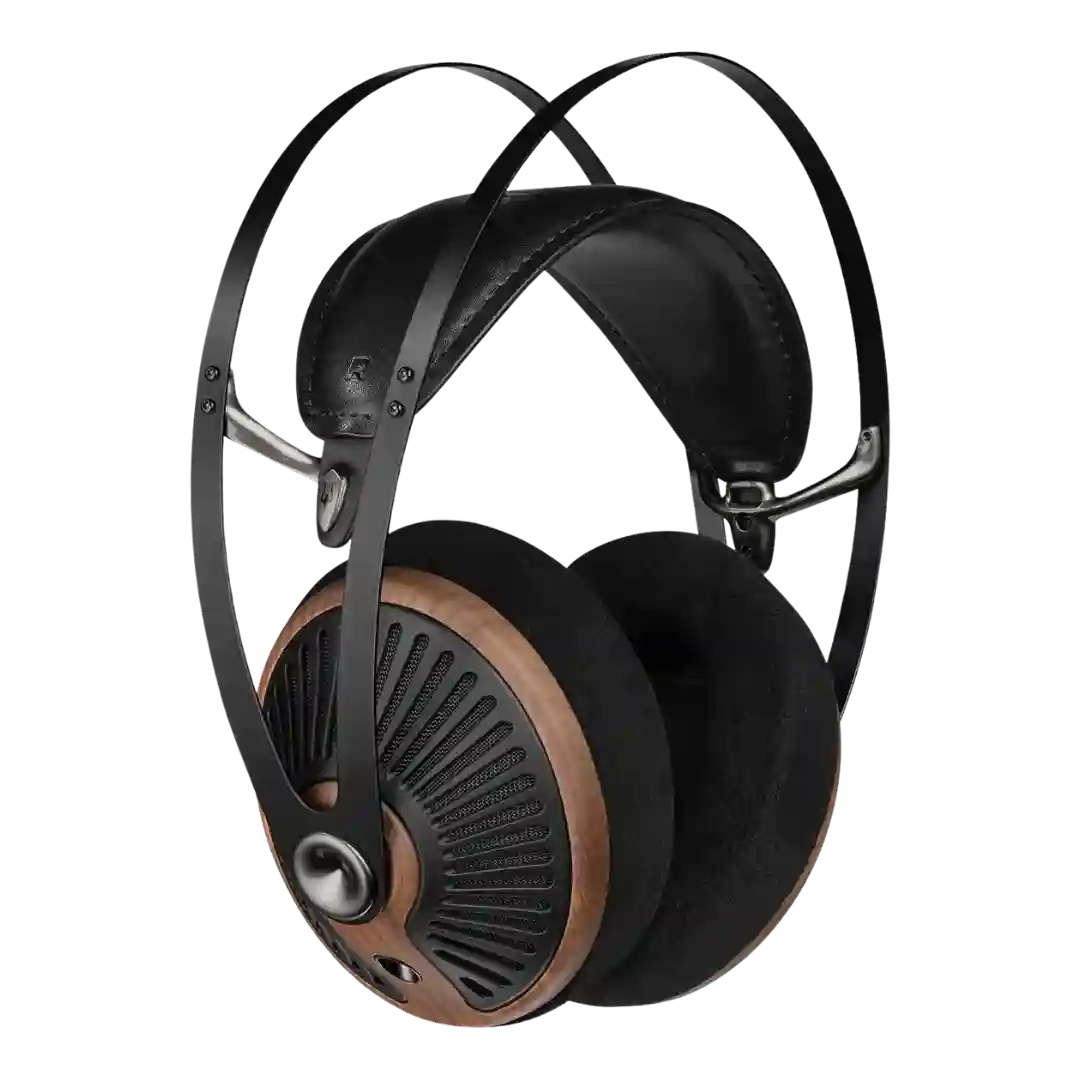
Midrange clarity is repeatedly highlighted as a standout strength, with clean layering and realistic vocal and instrument textures that feel unusually hi-fi for Bluetooth.
Midrange performance is consistently praised for clean, realistic vocals and strong detail retrieval. A couple reviewers note a bit of forwardness around 1-2 kHz that can sound slightly shouty depending on fit and seal.
Midrange performance is a major strength, delivering clear, rich, weighty instruments and improved vocal/instrument resolution over the original, even if a few reviewers wanted vocals pushed further forward.
Midrange and vocals are a recurring strength, with multiple reviews calling them clear, forward, or easy to hear, though one reviewer felt the mids could verge into shout or honk.
Midrange is generally praised for natural vocals and good presence, often cited as a key strength. A few reviewers note an upper-mid dip or a darker voicing out of the box that can reduce perceived clarity until adjusted.
Midrange and vocal clarity are a strong point in many tests, with several reviewers calling voices more natural, textured, or forward compared with XM5.
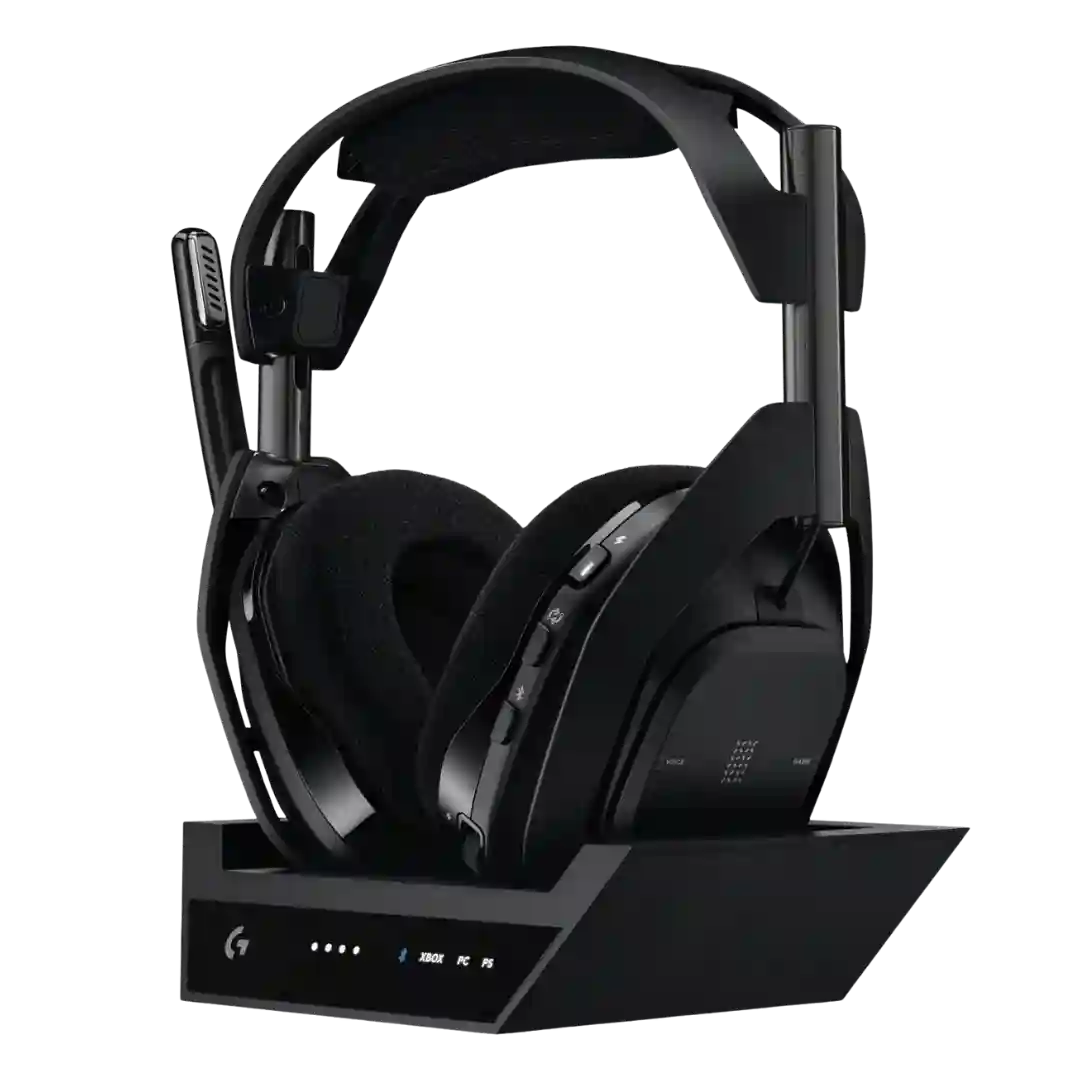
Midrange stays clear enough for dialogue and positional cues, and most do not describe it as muddy. A recurring note is that the secondary chat driver sounds less refined than the main audio driver.
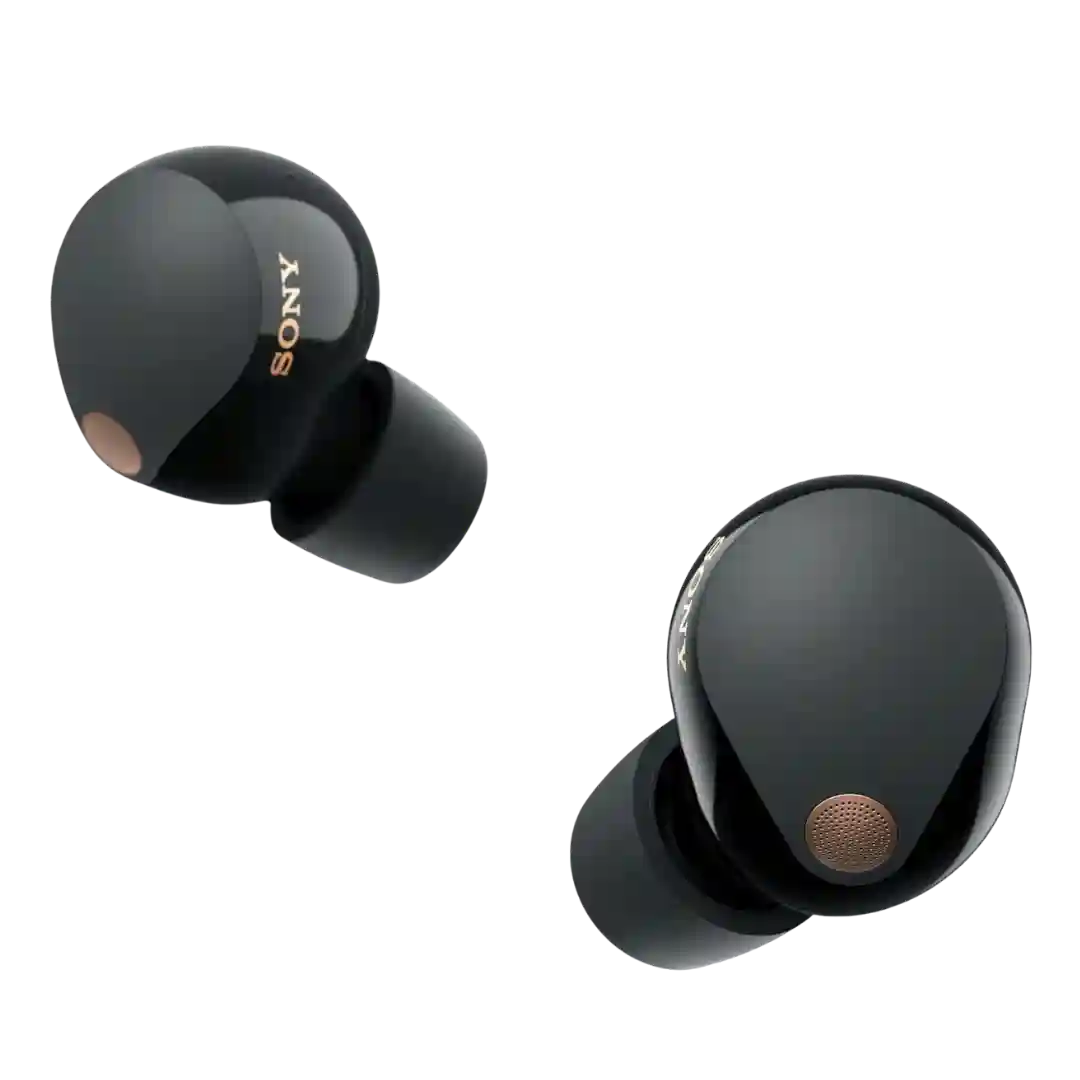
Midrange and vocals are frequently called clearer and more forward than older Sony generations, with good texture and layering. Some listeners may want to slightly tame upper-mids via EQ depending on preference.
Midrange and vocal presence are generally natural and clear, helping podcasts and calls sound intelligible. Some testing notes mention mild clarity loss only at very high playback levels.
Midrange and vocal clarity are typically strong, though some note a mild V-shape or mid dip that can make certain instruments feel less forward. Personalization tools (EQ/Personi-Fi) are frequently recommended to bring mids up if desired.
Midrange reproduction is typically clear and natural with strong vocal presence, but some critics find it slightly thin compared with more dynamic rivals.
Midrange and vocal clarity are often praised as smooth and full, staying intelligible even with stronger low-end presence. Speech-heavy content and podcasts are generally easy to follow.
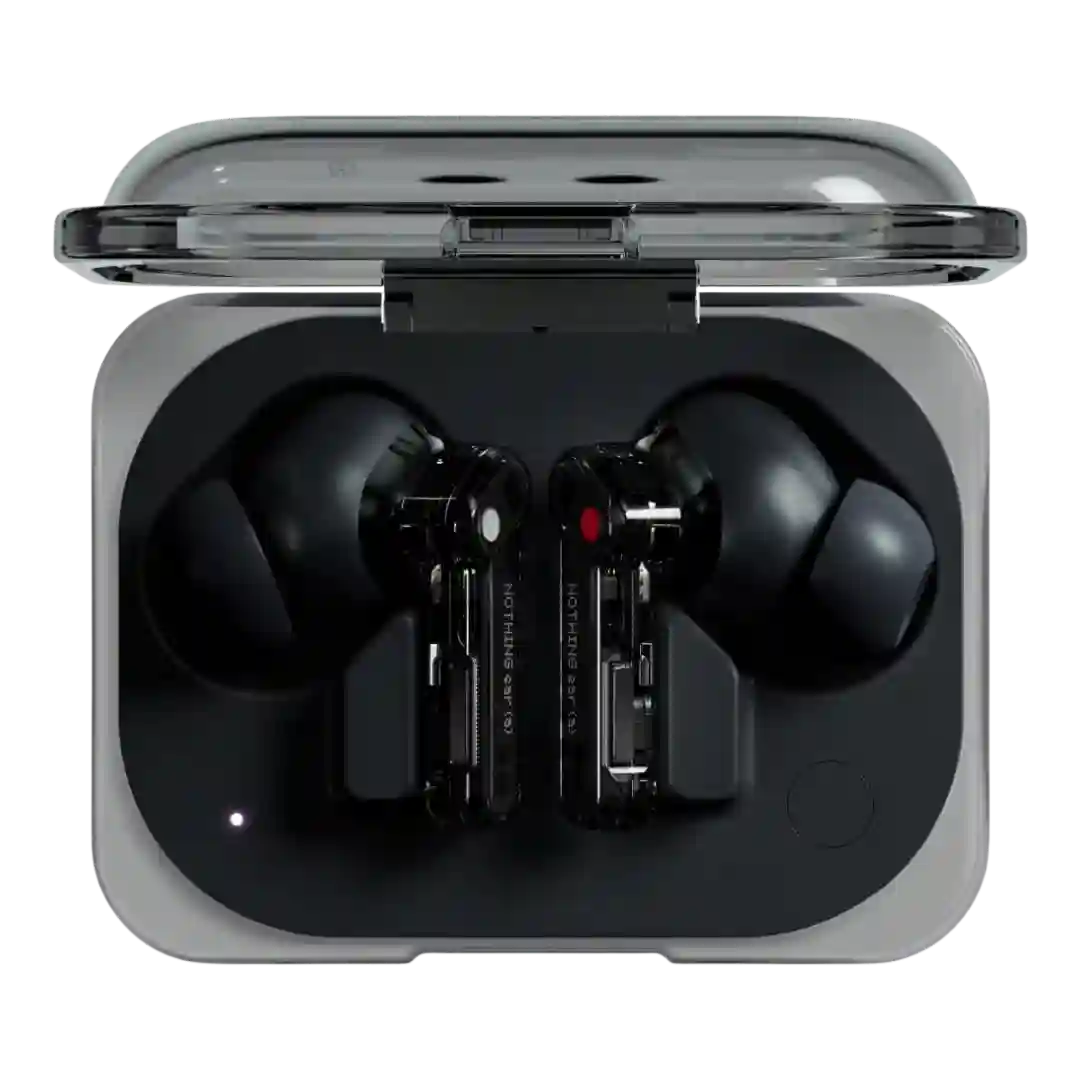
Midrange tuning is clear and well judged, keeping vocals and core instruments present even with the Buds 4's fuller bass. This helps the earbuds sound richer than many entry-level competitors.
Midrange clarity is often praised, with vocals and instruments described as crisp and well-presented for everyday listening, podcasts, and video content.
Midrange is generally clean and detailed, but multiple reviewers describe it as slightly recessed in the stock tuning; EQ can bring vocals forward. Others highlight the mids as a core strength for clarity and realism.
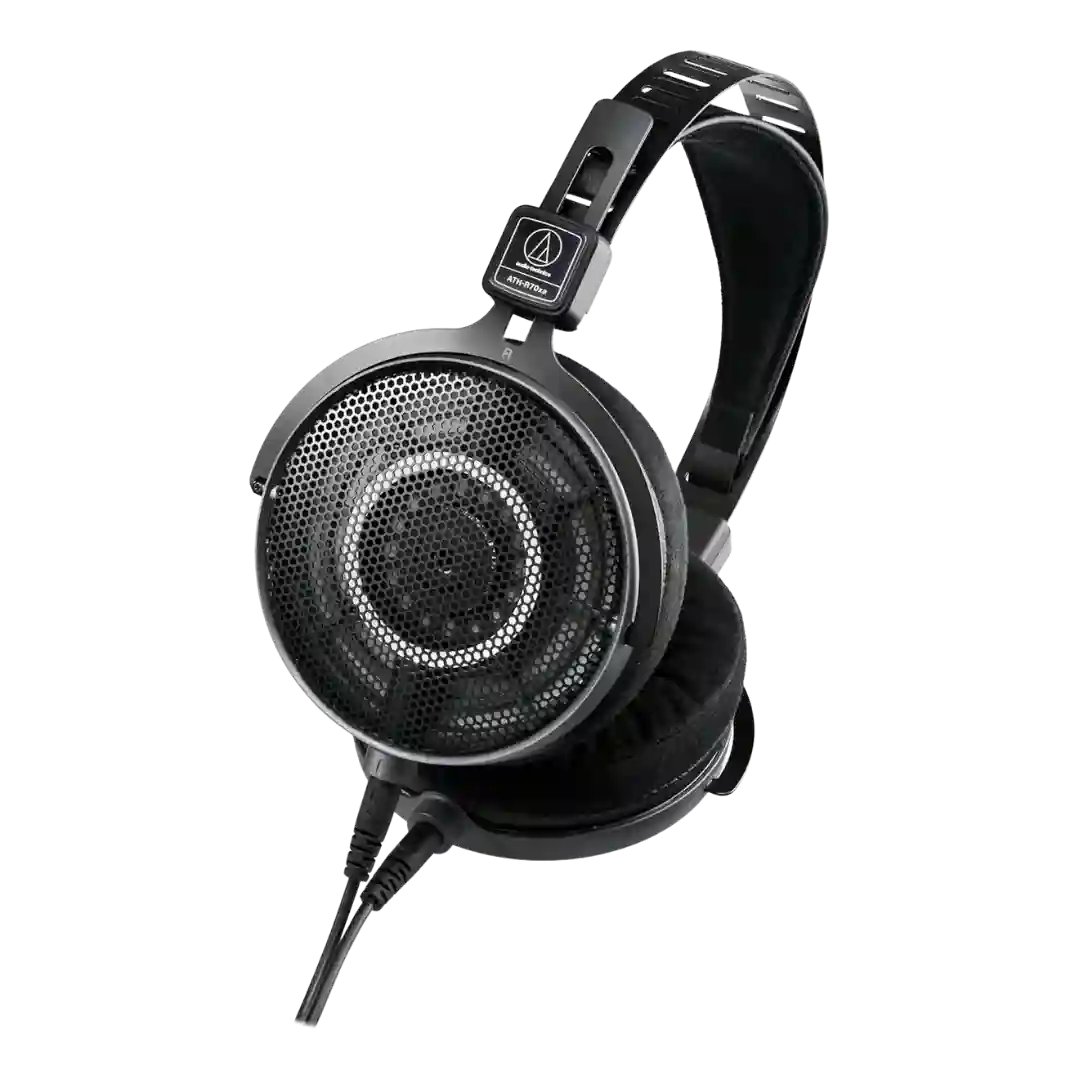
Frequently praised for vocal-forward, detailed mids; some listeners hear a slightly recessed or hazy mid presentation compared with more reference-tuned headphones.
The mids are generally described as clear, accurate, and dependable for vocals and mix decisions. They are less spotlighted than the bass and treble, but still come across as well resolved rather than recessed.
Midrange comes through cleanly for dialogue, footsteps, and callouts, and many reviewers find it better-balanced than older models. Some tuning choices still lean toward competitive clarity rather than a neutral music profile.
Midrange is generally clear, but some reviews call it less rich than Momentum 3 or slightly recessed depending on tuning, with vocals still remaining clean and present for most listeners.
Midrange clarity is improved with EQ and can sound full and engaging, yet some sources describe the mids as partially masked by bass or slightly recessed out of the box.
Midrange presentation is generally clear enough for vocals and instruments, but opinions vary: some hear warmth and natural tone while others cite recessed or uneven mids that can affect certain voices.
Midrange performance is commonly praised for clear, present vocals and good everyday clarity, helping speech and music remain intelligible even at moderate volumes.
Midrange is generally clear and present, but can sound forward or radio-like depending on the AAT profile and firmware, so some users prefer minor EQ adjustments for balance.
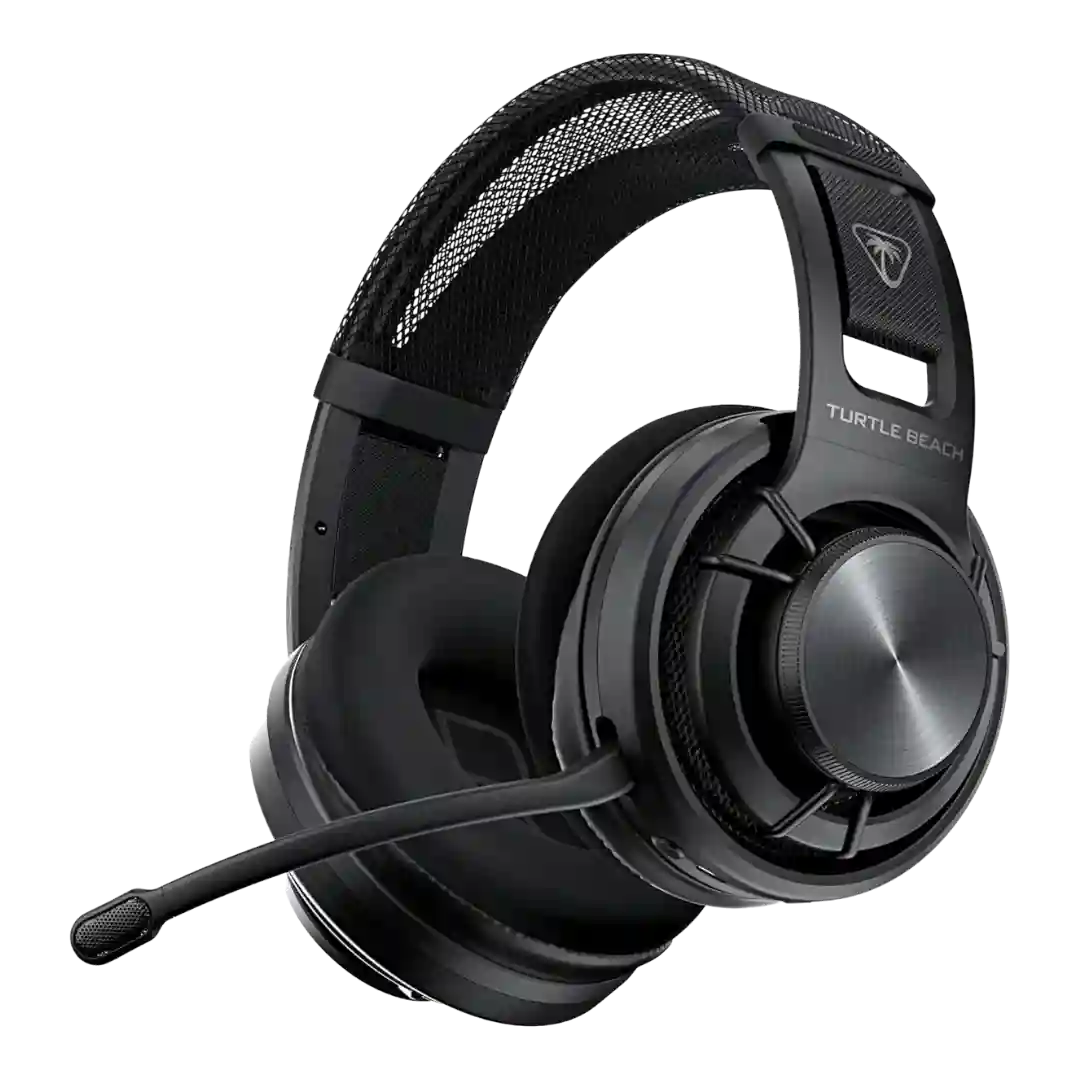
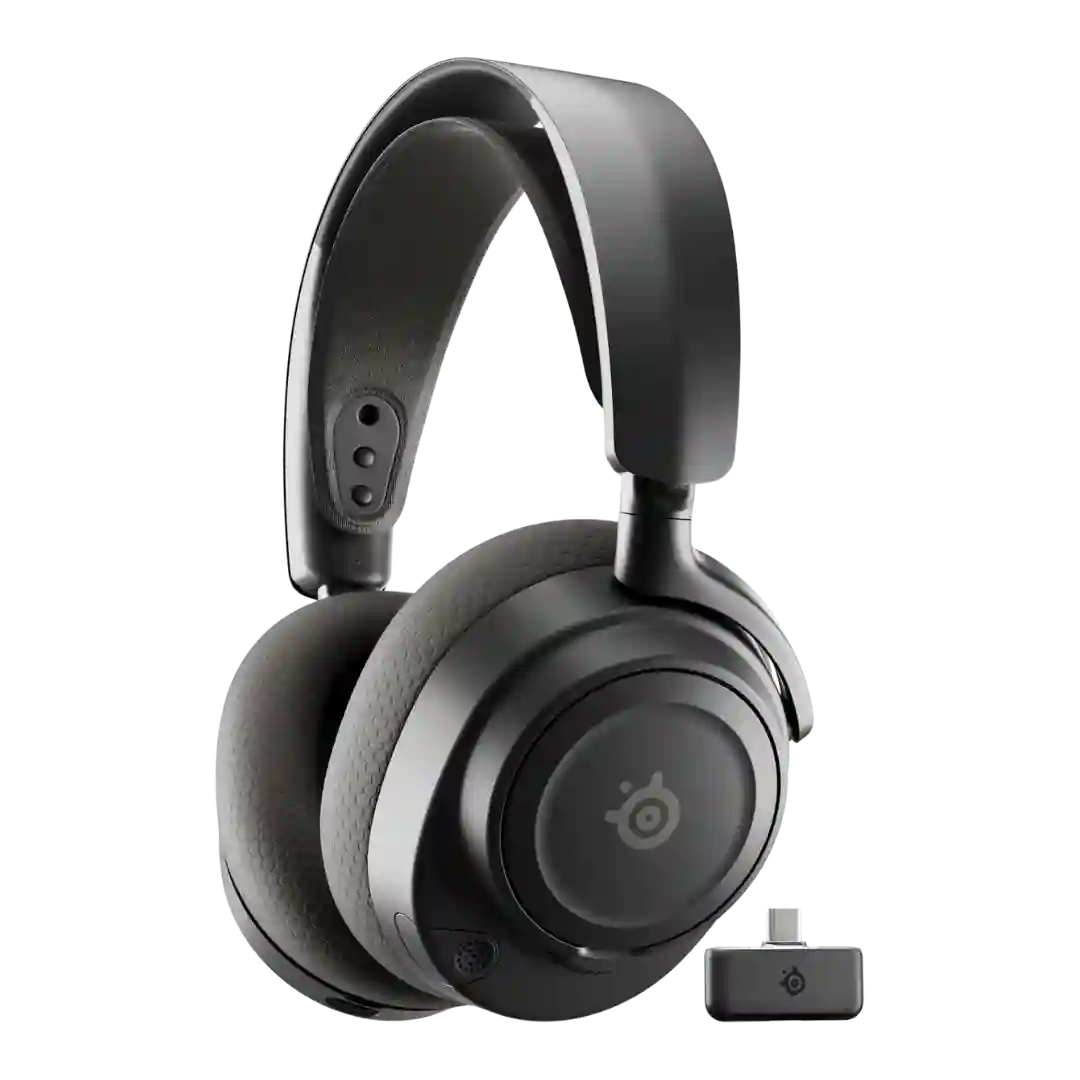
Midrange performance is one of the headset's stronger audio traits. Voices, dialogue, and game cues come through clearly, helping speech and positional details stay easy to follow.
Midrange is a highlight for many, with clear, forward vocals/instruments and an overall transparent character. A few note that certain vocal ranges can sound a bit thin, scooped, or pushed depending on recording and pairing.