Sound Personalization and presets are often highlighted as genuinely useful, helping users correct tonal preferences and automate settings via Sound Zones. Results depend on user patience and ear fit, but most find the feature worthwhile.
Preset profiles are widely considered useful, with game-specific options that emphasize cues and clarity. Some presets can sound aggressive or require small tweaks to avoid over-bright or over-scooped results.
Guided or test-based EQ features are seen as helpful for non-audiophiles, letting you land on a preferred sound quickly without manual frequency tweaking.
Preset EQ options are generally well received, especially the Dynamic-style tuning, though they are not a full substitute for manual tweaking if you dislike the default balance.
Preset profiles and EQ wizards are described as useful starting points, with soft/clear/heavy-style options commonly referenced. Most power users still prefer manual tuning, but the presets are considered above average.
Preset EQ profiles are plentiful and generally useful, giving workable options for music genres and spoken word; most reviewers still recommend light personalization for best results.
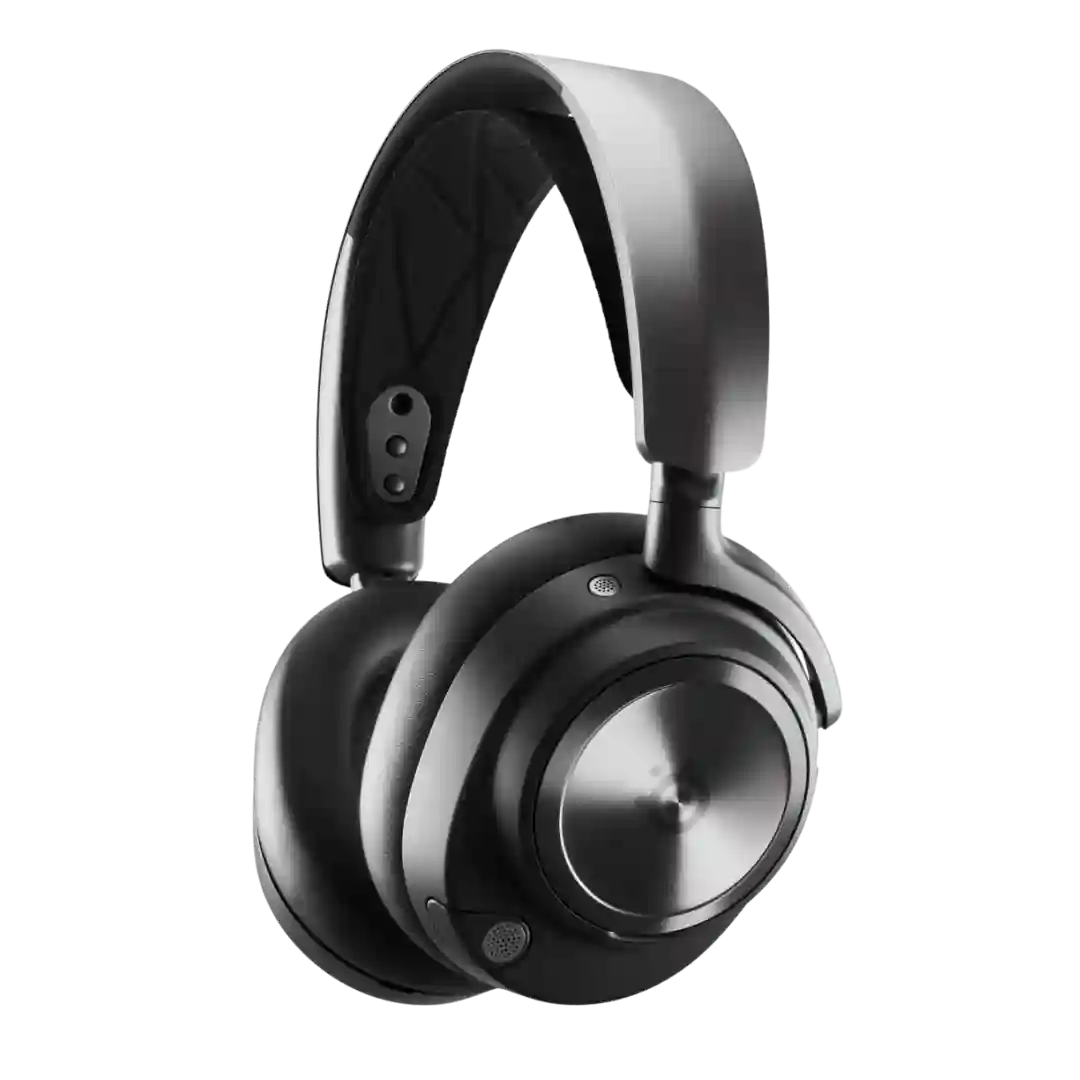
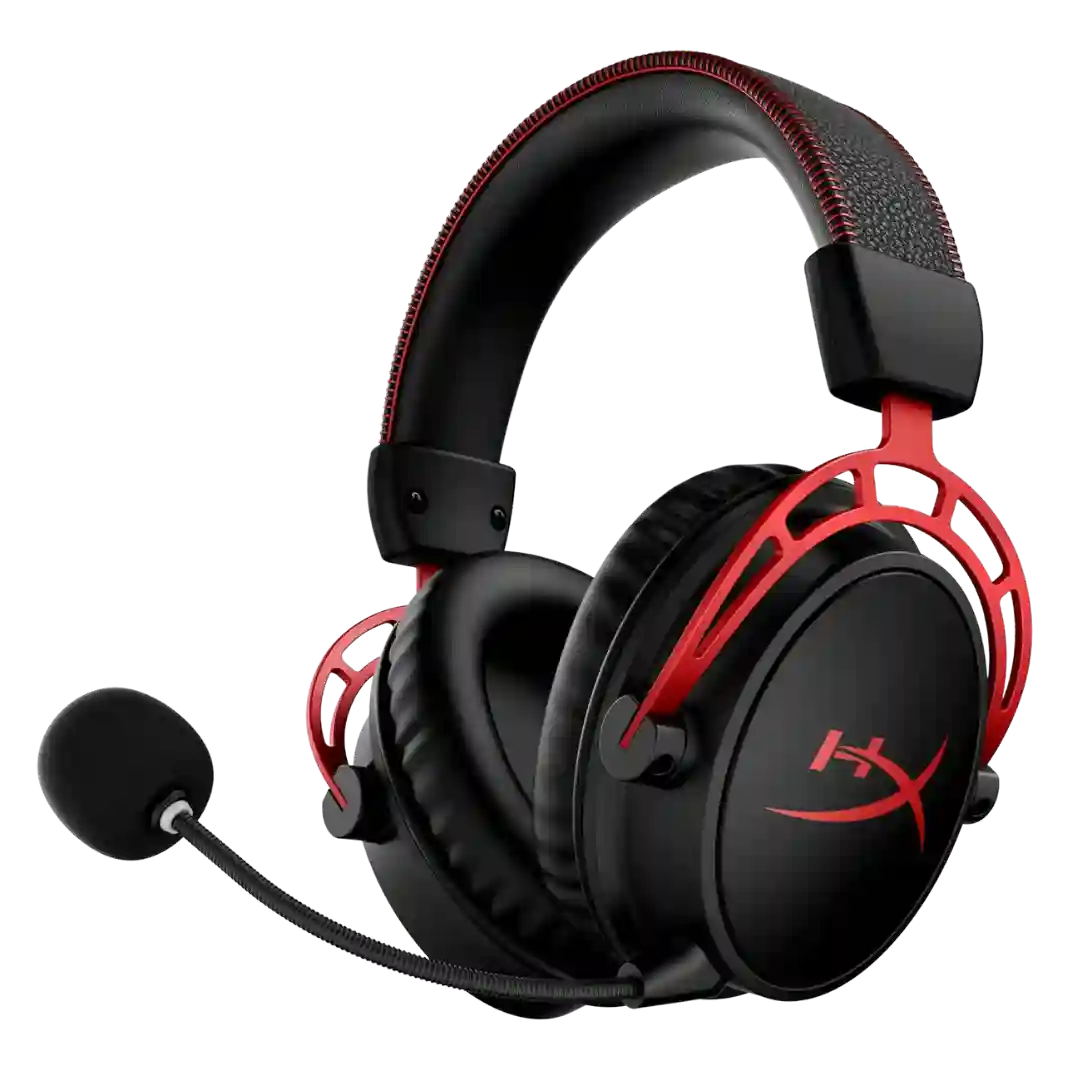
Game-specific presets are a headline feature and frequently improve footsteps, weapon cues, and dialogue clarity; not every preset is dramatic, but the library depth is a consistent positive.
Preset modes and guided personalization features are generally useful and can improve tonality for specific tastes, though some presets may limit manual slider control.
Preset EQ profiles are described as useful but can be taste-dependent; at least one review notes a preset can make bass or treble feel overcooked until adjusted.
Personalized AAT profiles can produce dramatic, often positive changes, but results vary by listener and tips; some profiles trade a sense of spaciousness for extra punch or focus.
Preset profiles are generally described as effective but subtle, offering practical tweaks for genres like shooters or action games rather than drastic changes.
Preset sound modes are generally seen as well-judged: Hi-Fi is the reference setting for balance and clarity, while Bass mode adds punch and warmth, sometimes with a tradeoff in treble and mid presence.
Preset EQ profiles and quick toggles like bass boost are generally effective and easy to use. Power users still prefer the parametric EQ for more surgical control.
Preset EQ profiles are seen as useful starting points, though some reviewers say differences can be subtle and custom EQ is where the headphones shine.
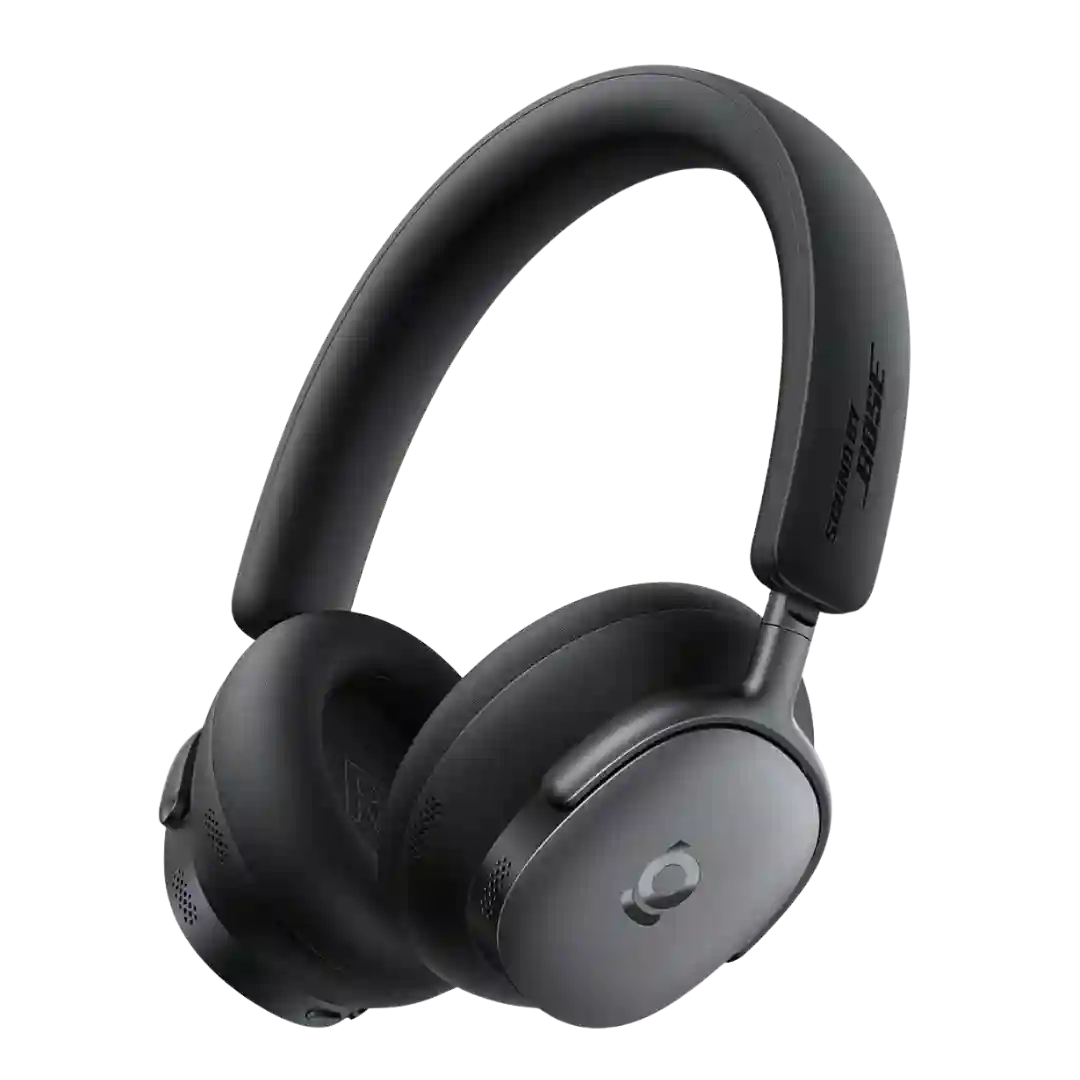
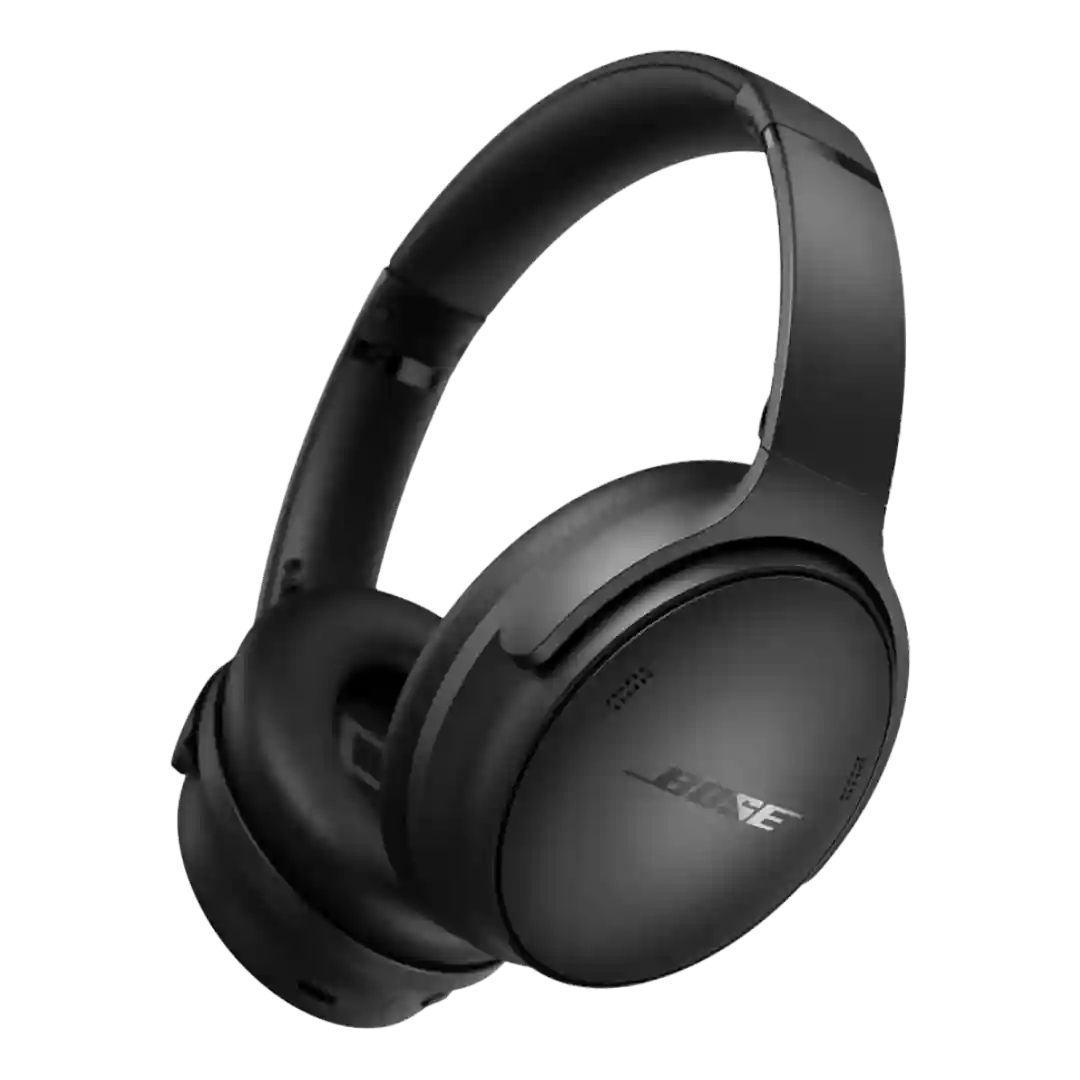
Preset profiles (especially the Sound by Bose tuning) are often described as well balanced, but noise modes and DSP features can audibly change tonal balance.
Preset EQ profiles are considered useful out of the box, and the ability to cycle through (and overwrite) a small set of saved profiles on-device is widely appreciated, even if limited to a few slots.
Preset EQ profiles are generally seen as useful and well-implemented, with several reviewers preferring specific presets (for example, Dynamic) for a more engaging sound.
Preset quality is generally strong, especially with community downloads, though some note the stock presets are few and the discovery experience can vary by app/platform.
The included presets are viewed as sensible rather than transformative. Reviewers generally find the default or gaming-focused options more successful than bass-boost attempts.
Preset EQ profiles are a mixed bag: esports and game-focused presets can help with footsteps and competitive emphasis, while some music or movie presets are criticized for exaggerating bass or treble. Reviewers often recommend tweaking presets into a personal custom profile.
Adaptive EQ and mode-dependent tuning help keep sound consistent, but the experience can change with ANC/transparency on vs off; some reviewers prefer the sound with ANC/transparency enabled.
Preset EQ quality is useful but uneven, with Signature often preferred, Balanced sometimes criticized, and Bass Boost or custom EQ used to get the best result.
Preset profiles are generally useful (with some reviewers preferring certain presets as closer to balanced). Bass-leaning presets and BassWave can be fun but may not satisfy listeners chasing a reference curve.
Preset profiles like Neutral or Smooth can be genuinely useful for dialing back bass or treble, though some report changes in perceived loudness when toggling EQ.
Apple’s adaptive tuning features (such as Adaptive EQ and personalized behaviors) are generally credited with keeping sound consistent and enjoyable for most listeners. Some reviewers still prefer more direct user control.
Preset EQ support is generous, but quality is mixed: the variety is appreciated, yet some reviewers found many presets too quiet or less effective than manual tuning.
Preset EQ profiles are useful and easy to swap, with bass-boost and other tonal shifts helping different genres, though a few reviewers find boosts could go further.
Preset EQ options are seen as useful but not uniformly loved: some reviewers appreciate the variety, while others describe presets as bland or not very distinct.
Preset EQ options are plentiful and can be useful starting points, but reviewers disagree on quality and presentation, with some calling them skippable or poorly explained.