Best for Smart features
Bluesound Pulse Cinema Soundbar
5.0 feature score
Highest scored product for this feature based on supporting review evidence.
Highest scored product for this feature based on supporting review evidence.
Balances feature score, supporting reviews, and overall product strength.
Has the broadest review evidence for this feature.
Strongest overall product among items with scored evidence for this feature.
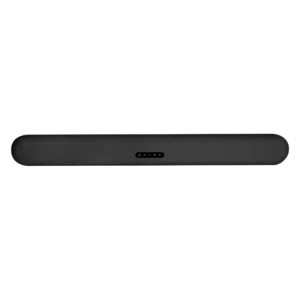
Smart features scored well where reviewed, especially Smart DSP orientation sensing and seamless BluOS multi-room streaming.
Pros: Distortion at high volume, Voice clarity
Cons: Spotify Connect reliability, Chromecast compatibility

Fast wake-from-sleep behavior makes the soundbar feel responsive during everyday PC use.
Pros: Bluetooth range, optical
Cons: Home theater integration, Headphone output quality

AirTouch, Auracast, app-based EQ, lighting control, firmware updates, and USB-C audio make the Go 5 unusually sophisticated for its size. The feature set is a major reason it feels more...
Pros: Google, Latency with TV (lip sync)
Cons: Charging cable inclusion, Chromecast compatibility
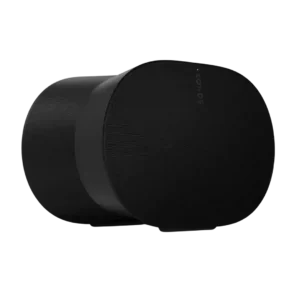
Smart features stood out for versatility, with one reviewer calling it one of the most versatile standalone speakers available.
Pros: Control button responsiveness, Smart features
Cons: Chromecast compatibility, Google
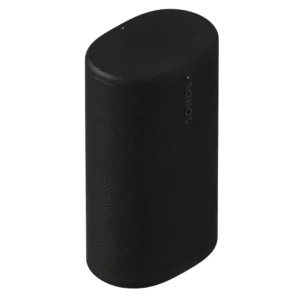
Automatic Trueplay is one of the most consistently praised smart features. It adapts the sound as the speaker moves between rooms or outdoors, and reviewers generally hear worthwhile improvements without...
Pros: Dialogue clarity (for TV/soundbar use), Multi-speaker pairing reliability
Cons: Surround sound simulation, Protective case inclusion
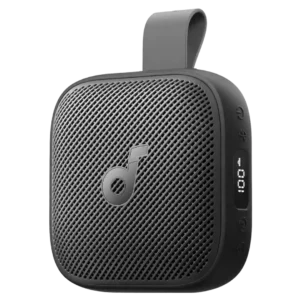
Smart features were a standout, with reviewers praising the app, emergency tools, voice amplifier, lighting, timers, sound effects, and customization depth.
Pros: Smart features, Lighting effects
Cons: Speakerphone quality, Microphone

Smart features were a strength, with reviewers praising Sonos smarts, streaming breadth, and the app as a central media hub.
Pros: Multi-speaker pairing reliability, Spotify Connect reliability
Cons: Gaming HDMI passthrough, Video passthrough support
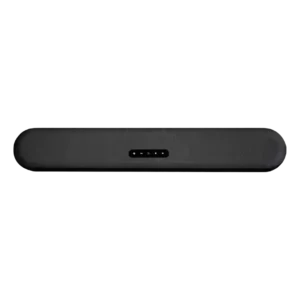
Smart features are deep and generally well liked. Reviewers praise BluOS, streaming, update handling, listening modes, and ecosystem expansion as premium advantages.
Pros: Distortion at high volume, Loudness / maximum volume
Cons: Chromecast compatibility, Google
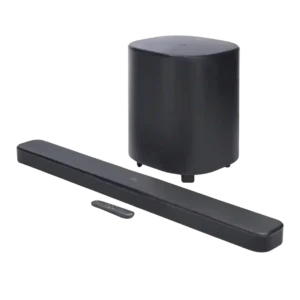
Smart features were a clear strength, especially broad casting support, direct streaming and multi-room convenience.
Pros: Spotify Connect reliability, Setup simplicity
Cons: On-device controls, HDMI 2.1 gaming

The AI vocal-removal and karaoke smart features were the product’s clearest standout, with reviewers repeatedly saying they worked well and made karaoke easier.
Pros: Latency with TV (lip sync), Setup simplicity
Cons: Multi-speaker pairing reliability, Audio format support

Smart extras such as Buzz Clean, emergency alarm, voice amplifier, white noise, and app controls were repeatedly praised as useful outdoor features.
Pros: Price / value for money, On-device controls
Cons: Power bank function, Wired input
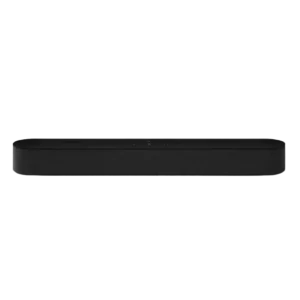
Smart features were a consistent strength, with reviewers praising the large service ecosystem, assistant flexibility, and smart-home hub role.
Pros: Dynamic headroom, On-device controls
Cons: Video passthrough support, Bluetooth connectivity
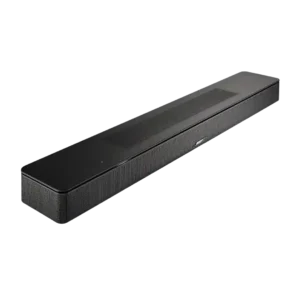
Smart features are a major strength, especially app controls, streaming support, AI Dialogue, Alexa, and Personal Surround.
Pros: Chromecast compatibility, Spotify Connect reliability
Cons: Google, Privacy and data

Smart convenience features such as modes, auto behavior, and sub controls were praised as practical and uncommon for the class.
Pros: HDMI ARC, Stereo imaging accuracy
Cons: Surround sound simulation, Bluetooth codec support

Smart features were viewed as broad and useful, especially Sonos ecosystem expansion, voice control, and smart-home integration.
Pros: Latency with TV (lip sync), Wi-Fi streaming reliability
Cons: Chromecast compatibility, Google

Smart features such as AI Sound Boost, Smart EQ, and app options are praised as useful and effective.
Pros: Dust resistance rating, Low-volume performance
Cons: Speakerphone quality, Backwards compatibility

Smart-feature sentiment is positive around Auracast, lossless wired audio, EQ, and app-enabled features, with compatibility caveats covered separately.
Pros: Google, Dust resistance rating
Cons: Backwards compatibility, Stereo imaging accuracy
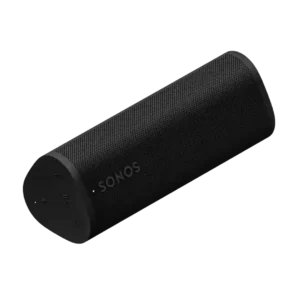
Smart features were valued for synchronized Sonos playback, voice control and app-based service aggregation, especially inside an existing Sonos home.
Pros: Voice assistant responsiveness, Wi-Fi streaming reliability
Cons: Wired input, Float capability

Smart features were praised broadly in the context of the speaker's many features and sheer power.
Pros: Setup simplicity, Water resistance rating
Cons: Smart assistant integration (Alexa, Microphone
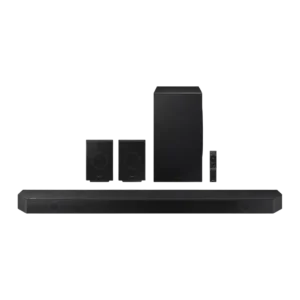
Smart features were generally praised, especially Q-Symphony, Private Rear Sound, useful modes, and Samsung ecosystem extras.
Pros: Soundstage height, Surround sound simulation
Cons: Chromecast compatibility, Google

Smart features were considered broad and useful, combining ecosystem streaming, voice support, app control, and expandable home-audio options.
Pros: Multi-speaker pairing reliability, Voice recognition accuracy
Cons: Bluetooth connectivity, Video passthrough support
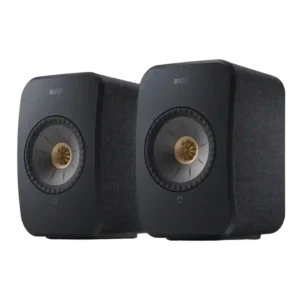
Smart features were viewed as broad and convenient, especially streaming services and app control, though Roon and multi-room gaps reduced perfection.
Pros: Soundstage height, Amplifier power requirements
Cons: On-device controls, Surround sound simulation
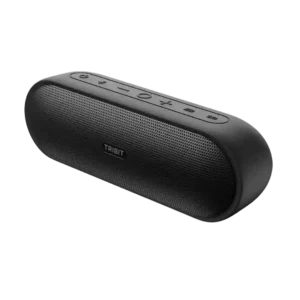
Smart-feature evidence centers on app utilities like auto shutdown, firmware updates, voice prompts and shutdown timers, generally seen as useful extras.
Pros: Latency with TV (lip sync), Price / value for money
Cons: Dust resistance rating, Bluetooth codec support
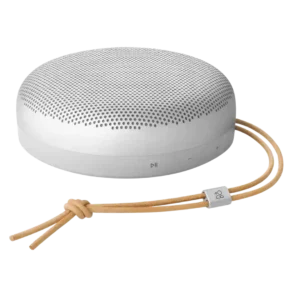
Smart features were mixed: the app content and radio features impressed one reviewer, while another found the overall package simple rather than feature-packed.
Pros: Multi-speaker pairing reliability, Handle or strap quality
Cons: Wi-Fi streaming reliability, AirPlay compatibility

Smart extras such as firmware updates, sleep timer, app controls, and practical additions were viewed as useful rather than gimmicky.
Pros: Stereo imaging accuracy, Setup simplicity
Cons: Wired input, Backwards compatibility

Matter, Thread, routines, camera features, contextual commands, and Google Home integration make it a capable hub. Some rivals include more sensors, and several advanced functions require Premium.
Pros: Wi-Fi streaming reliability, Inter-speaker connectivity
Cons: Wired input, Frequency response balance

Smart features are broad for a compact soundbar, including app control, streaming services, calibration, voice support, format feedback, and sound modes. They add real flexibility when the app behaves well.
Pros: On-device controls, Dynamic headroom
Cons: Multi-speaker pairing reliability, Inter-speaker connectivity
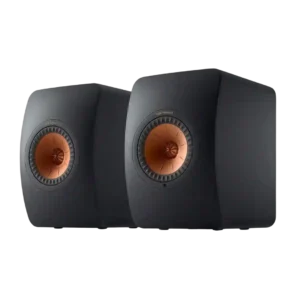
Smart-feature evidence praises the stable all-in-one platform but notes the lack of onboard voice-assistant functions.
Pros: AirPlay compatibility, Chromecast compatibility
Cons: Spotify Connect reliability, Status indicators
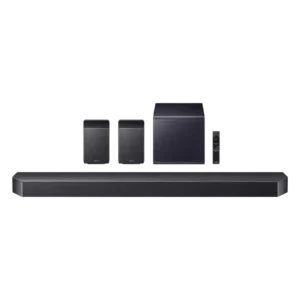
Smart features are generally useful and well integrated, especially app control and streaming options.
Pros: Multi-speaker pairing reliability, Gaming HDMI passthrough
Cons: Google, Cabinet construction / bracing

Sound Follow and AI Upmix are clever, useful ideas, especially for off-center seating. Sound Follow did not work convincingly in one test, and AI modes often made voices more artificial...
Pros: Chromecast compatibility, Spotify Connect reliability
Cons: Rear speaker cable length, Gaming HDMI passthrough
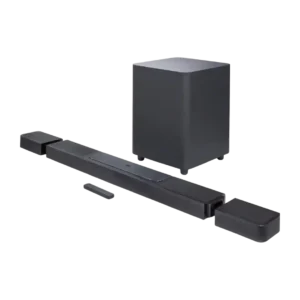
Smart and extra features were useful but uneven: reviewers liked streaming and portable-speaker tricks, while some wanted more modes and controls.
Pros: Inter-speaker connectivity, Audio format support
Cons: optical, Gaming HDMI passthrough
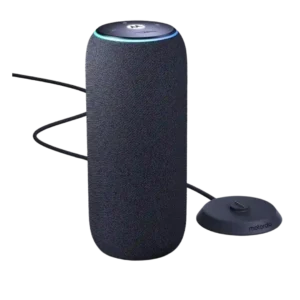
Smart features are seen as genuinely clever and sometimes futuristic, but the consensus is tempered by UWB compatibility limits and multi-speaker requirements.
Pros: Setup simplicity, Design and aesthetics
Cons: Status indicators, Backwards compatibility
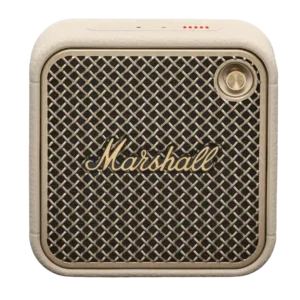
Smart features were limited: reviewers acknowledged useful extras, but one summed up the package as not feature-packed.
Pros: Status indicators, Bluetooth connectivity
Cons: Wired input, Power bank function
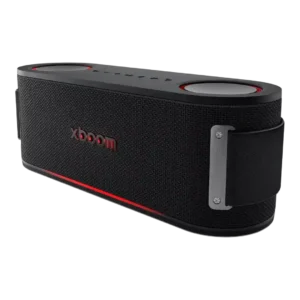
Smart features divided reviewers, with praise for radio, AI calibration, and useful features but criticism of broken or disappointing extras.
Pros: Dynamic headroom, Drop resistance durability
Cons: Privacy and data, Wired input
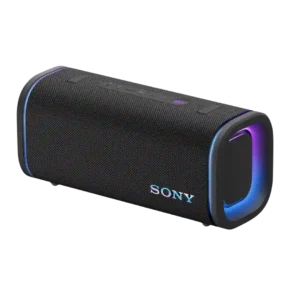
Smart extras such as DJ controls, sound optimization, lighting, and app controls are feature-rich but sometimes gimmicky or unused.
Pros: Latency with TV (lip sync), Multi-speaker pairing reliability
Cons: Energy efficiency, Amplifier power requirements
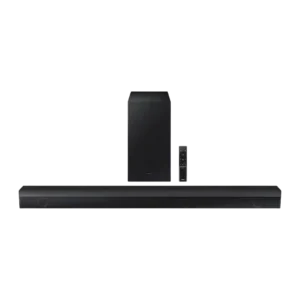
Smart features were limited overall, but adaptive sound and phone/app control were useful where available.
Pros: Bluetooth connection stability, Value for money
Cons: Smart assistant integration (Alexa, Video passthrough support
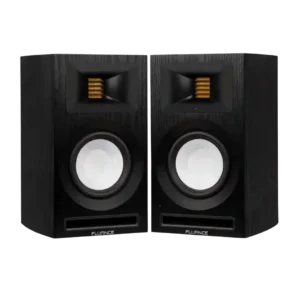
Smart-feature evidence was limited and mixed: reviewers disliked the lack of phone/app control, while one appreciated that no app was required.
Pros: Setup simplicity, Bluetooth connection stability
Cons: optical, Smart features

Smart features are mixed: AI Sound Boost and battery-saving modes can help in some cases, but reviewers often complain that they thin or tinny the sound.
Pros: Latency with TV (lip sync), Setup simplicity
Cons: Smart assistant integration (Alexa, Speakerphone quality
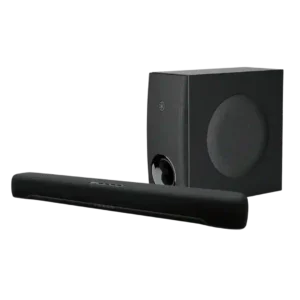
Smart features are mixed: reviewers like the simple, no-account approach, but criticize the absence of Wi-Fi and streaming features.
Pros: Inter-speaker connectivity, Stereo imaging accuracy
Cons: Status indicators, Distortion at high volume

Auracast and app control add useful modern features, but the Muo lacks Wi-Fi and has limited software depth. Auracast compatibility is also more restrictive for iPhone users.
Pros: Dialogue clarity (for TV/soundbar use), Multi-speaker pairing reliability
Cons: Power bank function, Float capability
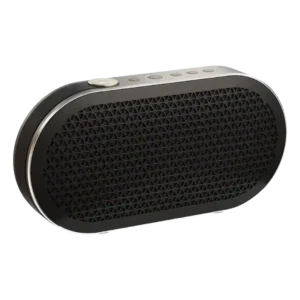
Smart features are intentionally minimal: the no-app approach is refreshing, but the reviewer also calls it a limitation.
Pros: Wired input, Latency with TV (lip sync)
Cons: Dust resistance rating, Water resistance rating

Smart-feature expectations were limited; one review framed the Xtreme 4 as not feature-rich beyond its focused Bluetooth-speaker role.
Pros: Bluetooth range, App reliability
Cons: Bluetooth codec support, Omnidirectional sound
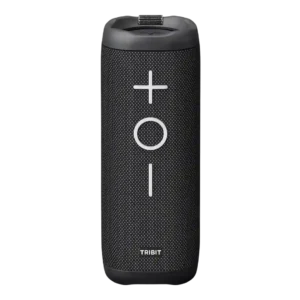
One reviewer found the app’s smart-feature set limited compared with Ultimate Ears speakers.
Pros: Cohesive presentation, Stereo imaging accuracy
Cons: Surround sound simulation, App reliability
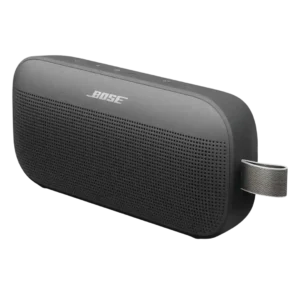
Smart features were viewed as limited: PositionIQ and shortcut options exist, but reviewers often found them underwhelming or incremental.
Pros: Bluetooth connection stability, Dust resistance rating
Cons: Wired input, Power bank function

Smart features were intentionally minimal; some reviewers did not miss them, but others criticized the lack of app, Wi-Fi, and smart-home integration.
Pros: Stereo imaging accuracy, Bluetooth range
Cons: Low-volume performance, Water resistance rating
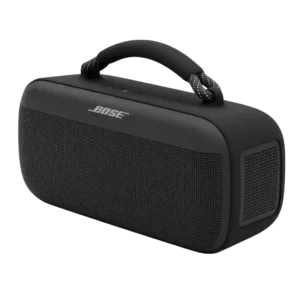
Smart features were a limitation: reviewers emphasized the lack of Wi-Fi and smart functionality for the price.
Pros: Dust resistance rating, Low-volume performance
Cons: Charging time, Microphone
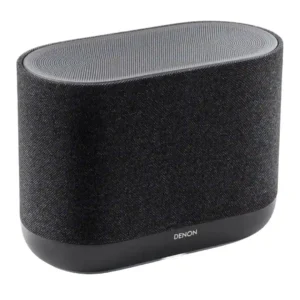
The Home 400 behaves more like a premium Wi-Fi music speaker than a full smart speaker. Buyers who care most about timers, voice commands, and smart-home control may find it...
Pros: Dialogue clarity (for TV/soundbar use), Setup simplicity
Cons: Battery life (if portable), Water resistance rating
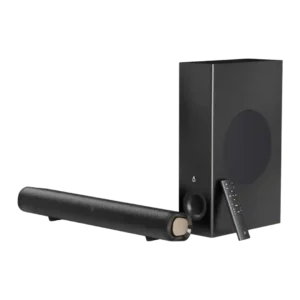
Smart features are limited, with reviewers pointing to absent Wi-Fi streaming, no richer feature set, and missing app EQ support.
Pros: Setup simplicity, Weight convenience
Cons: Smart features, Rear speaker cable length
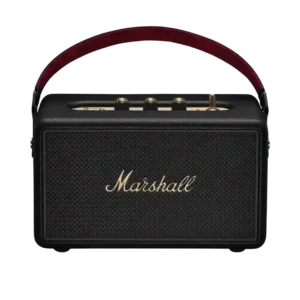
Smart features are limited overall; reviewers note the lack of Wi-Fi, voice control, and broader smart-speaker functions, though the simple music-first approach appeals to some.
Pros: Voice clarity, Bluetooth range
Cons: Multi-speaker pairing reliability, Inter-speaker connectivity
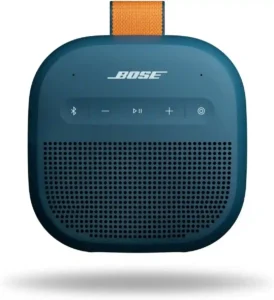
Smart features are weak in comparative evidence because one reviewer says rivals offer useful extras Bose lacks.
Pros: Everyday usability, Bluetooth range
Cons: LED lighting effects, Lighting effects