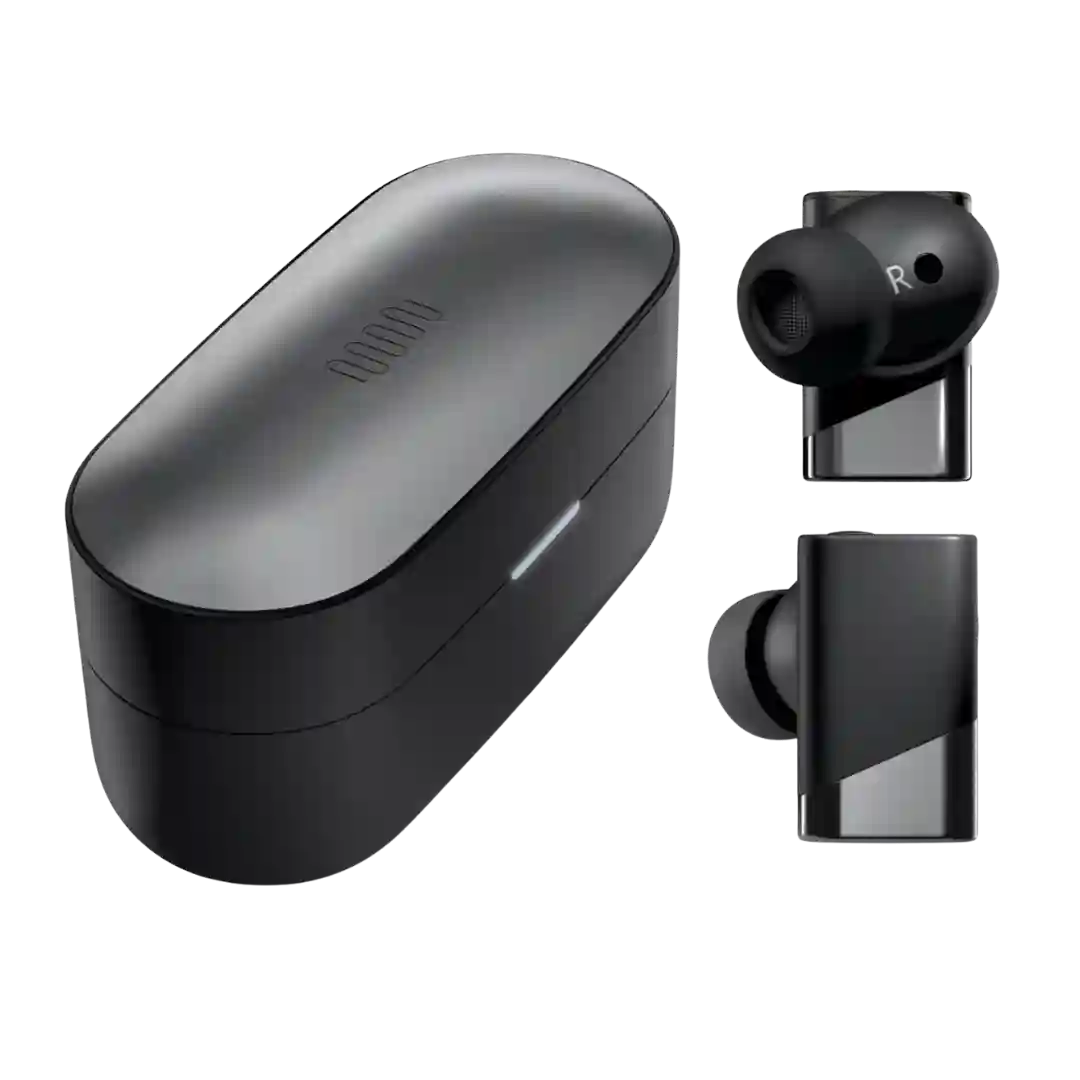
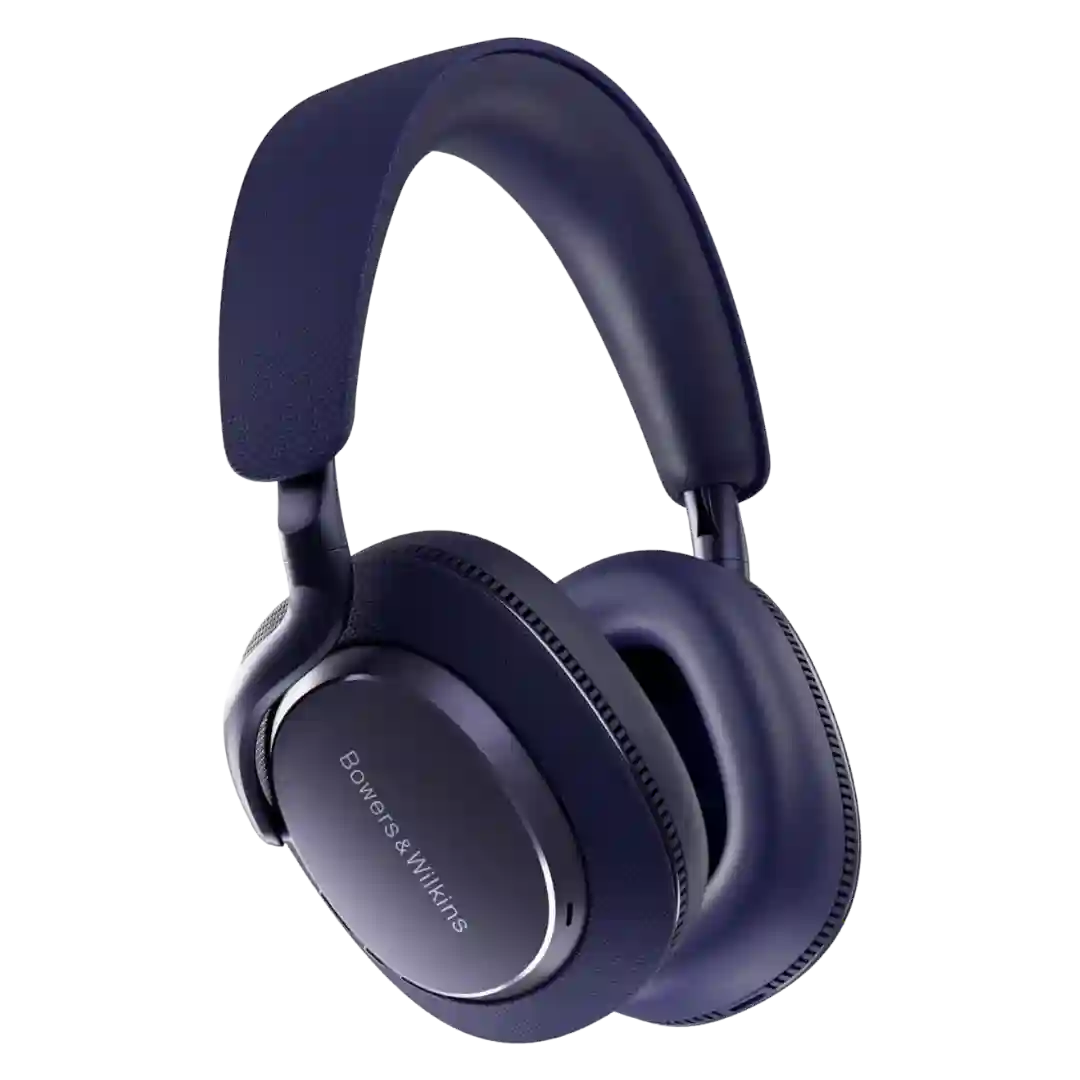
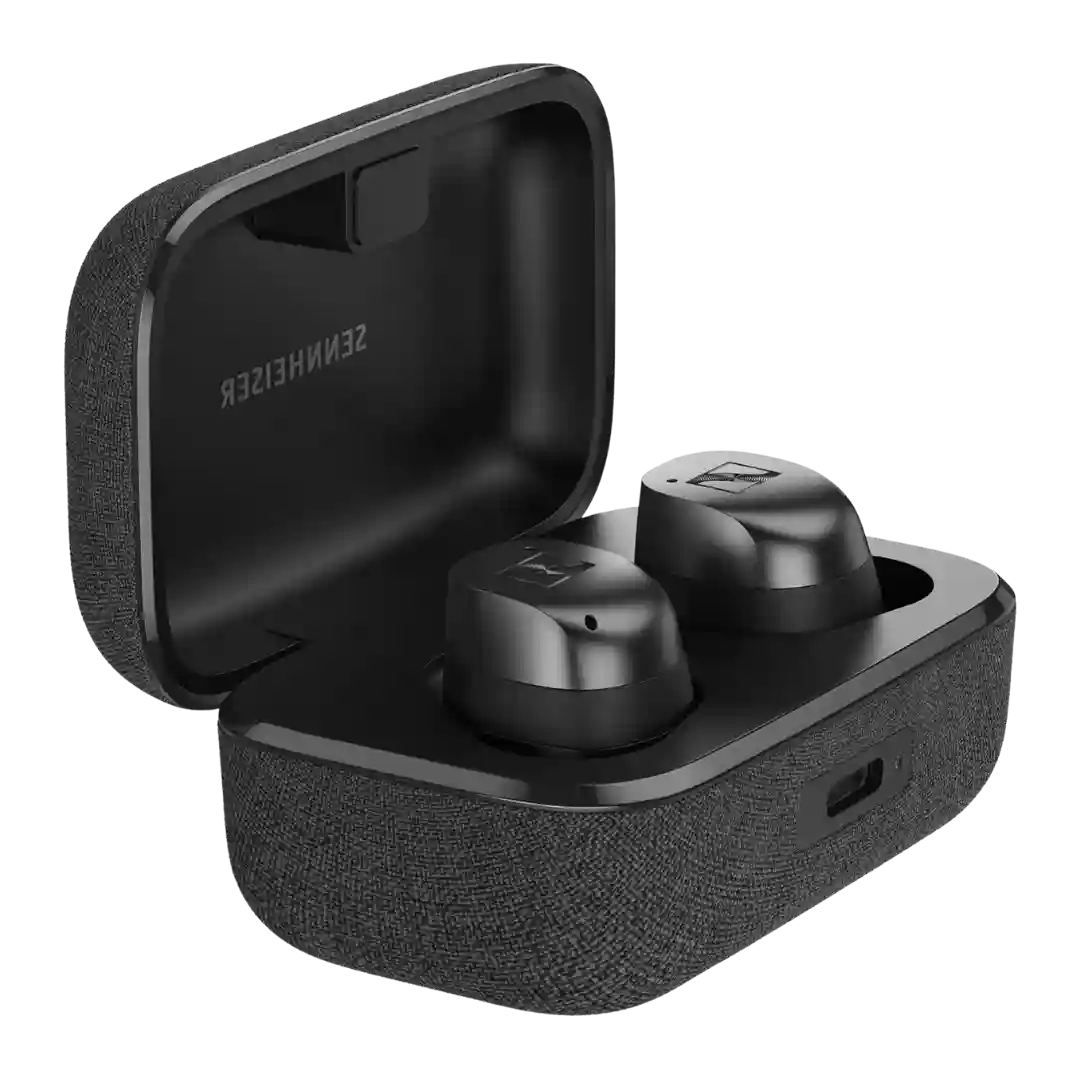
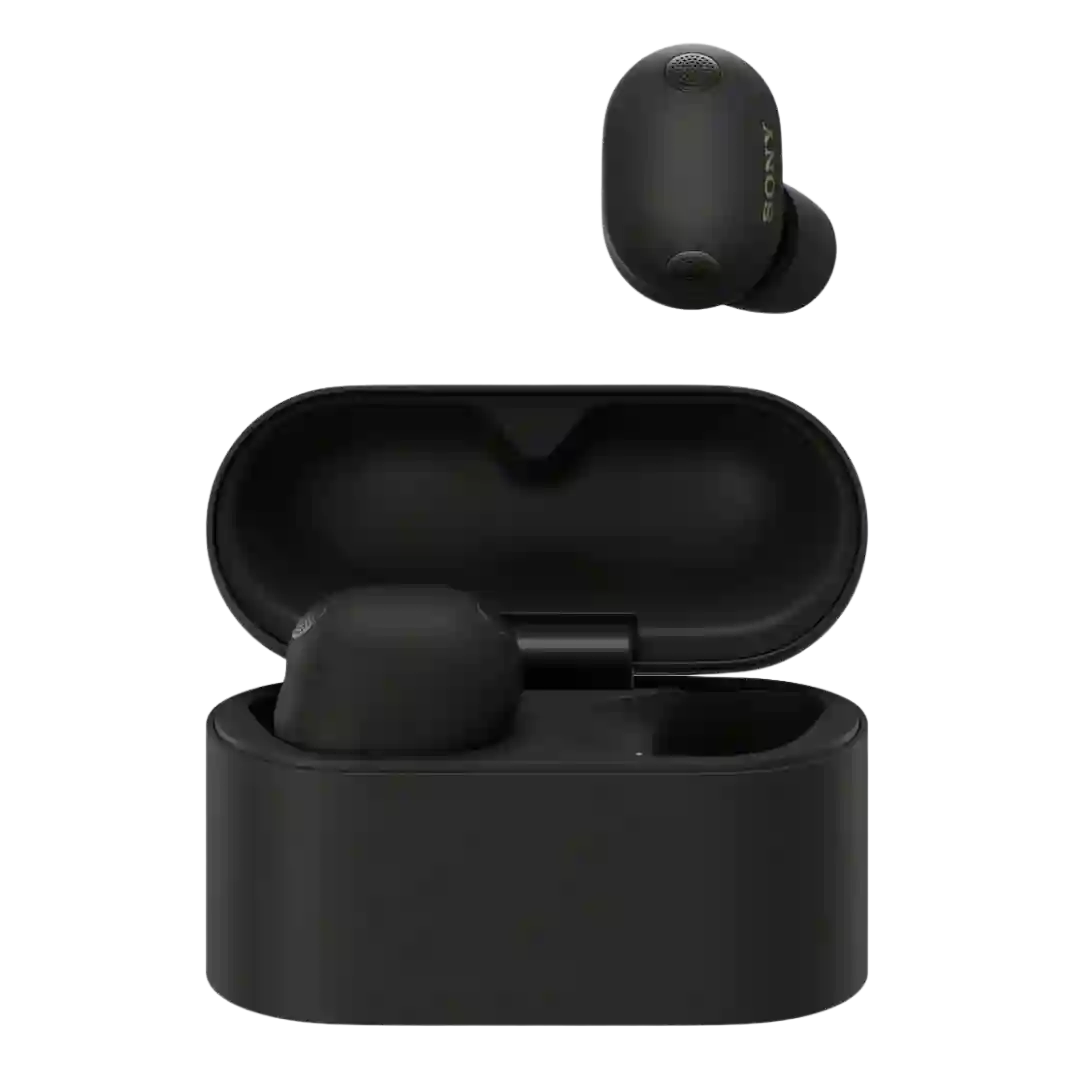
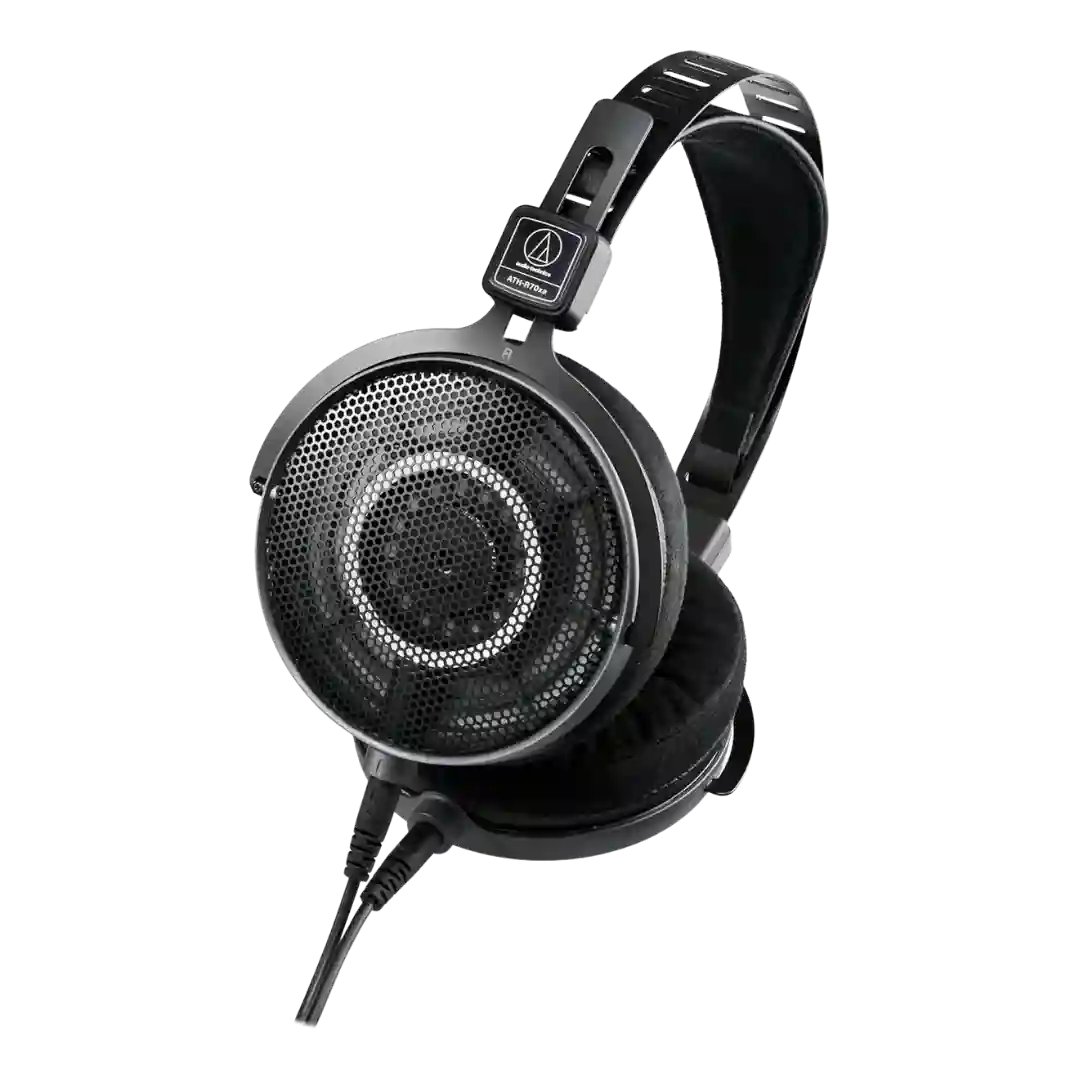
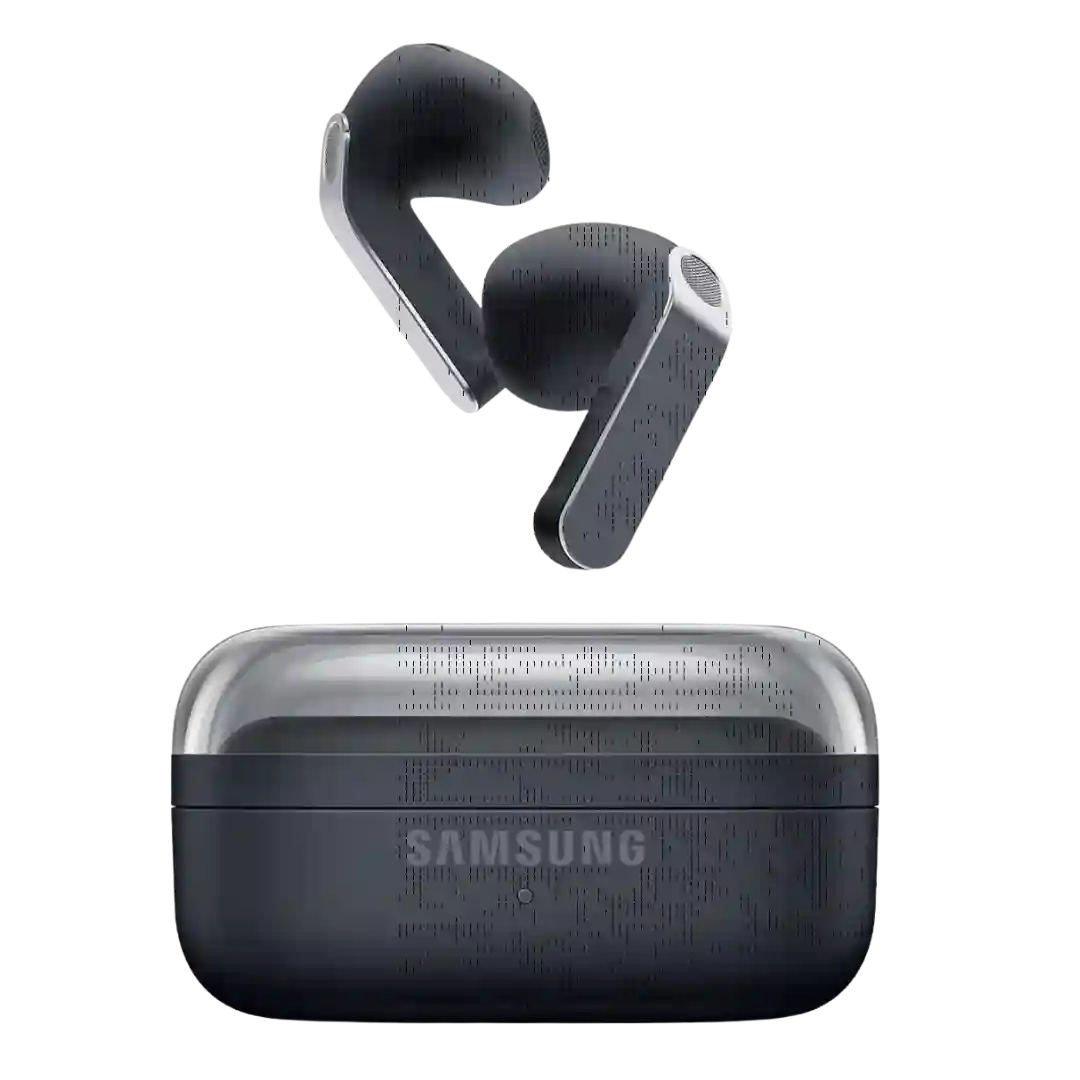
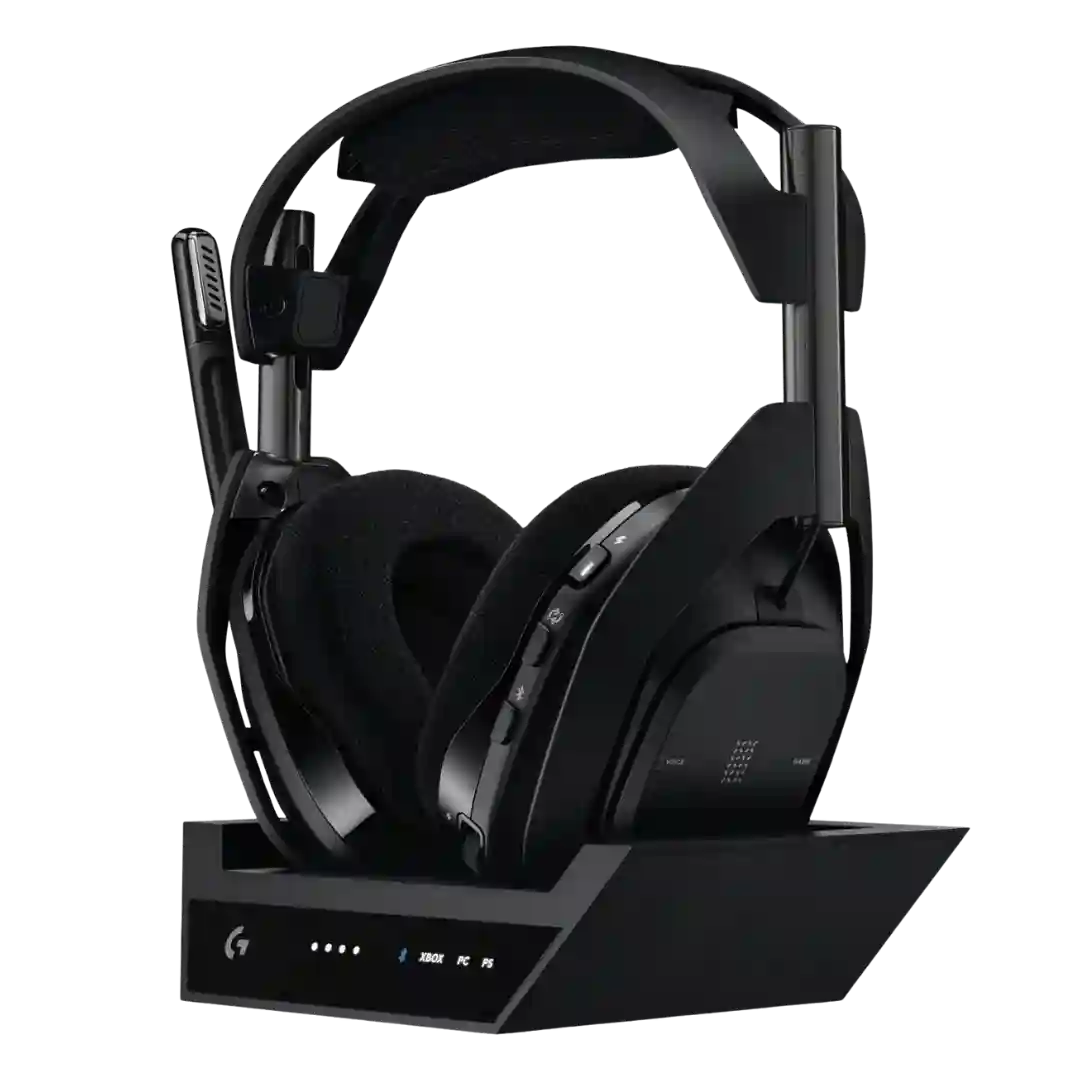
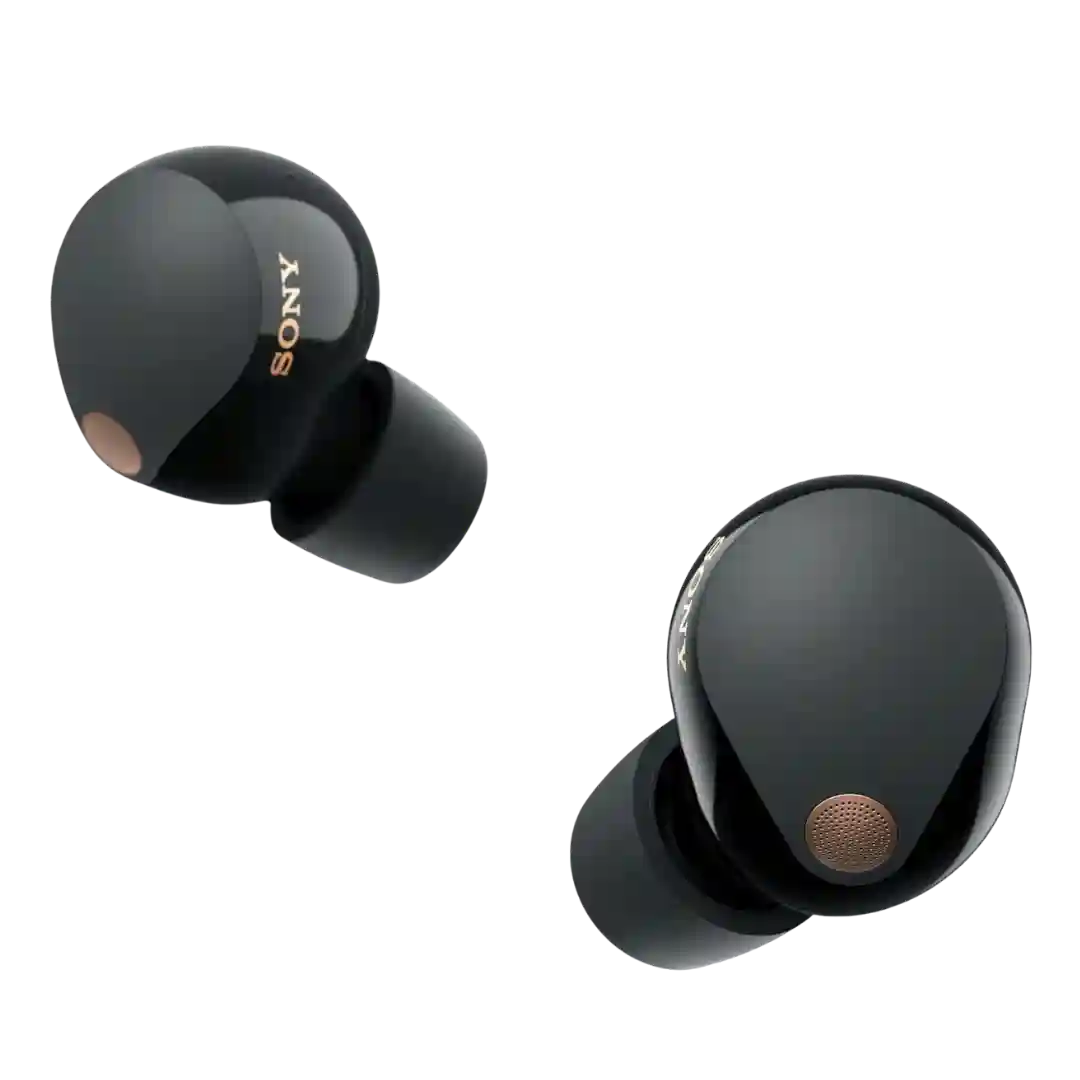
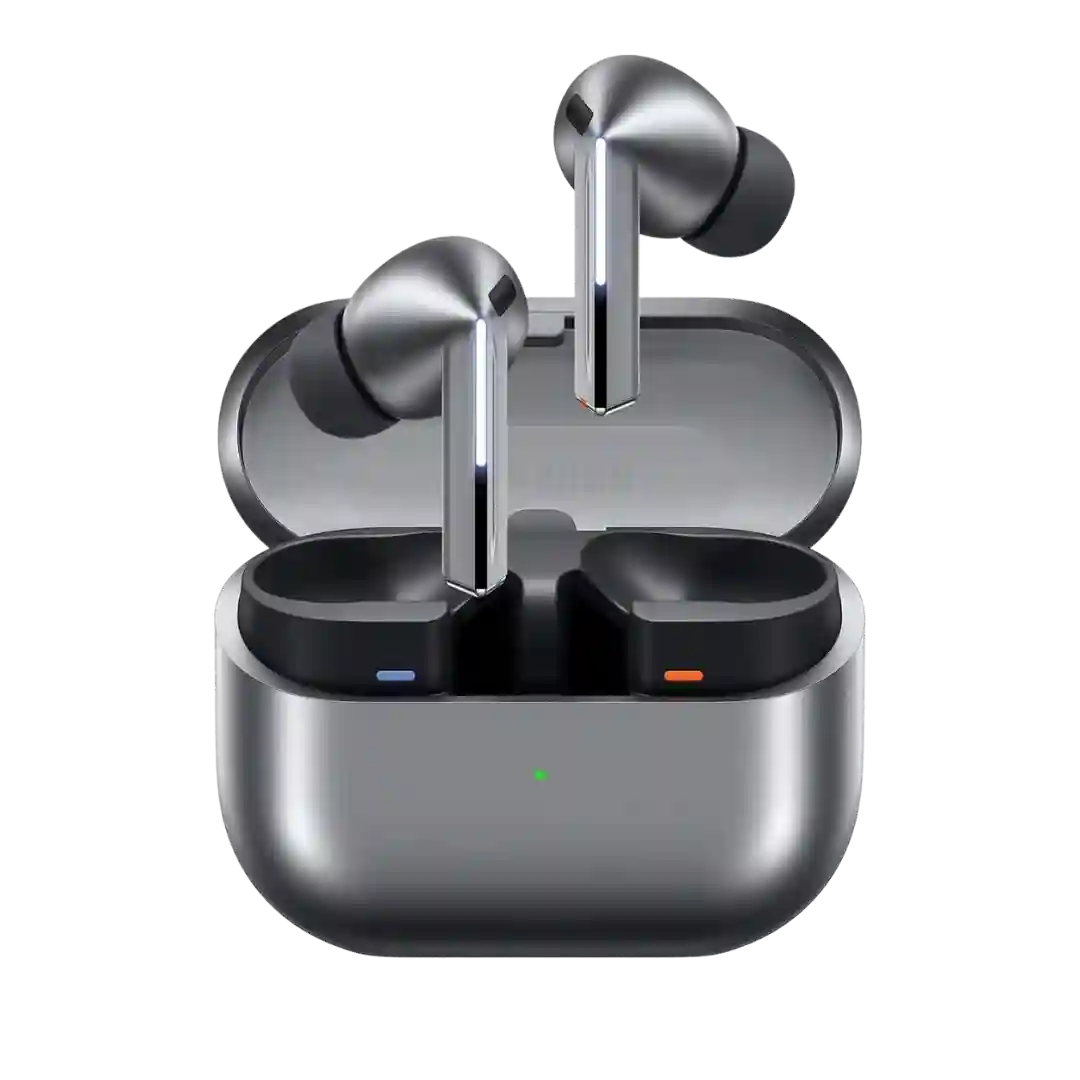
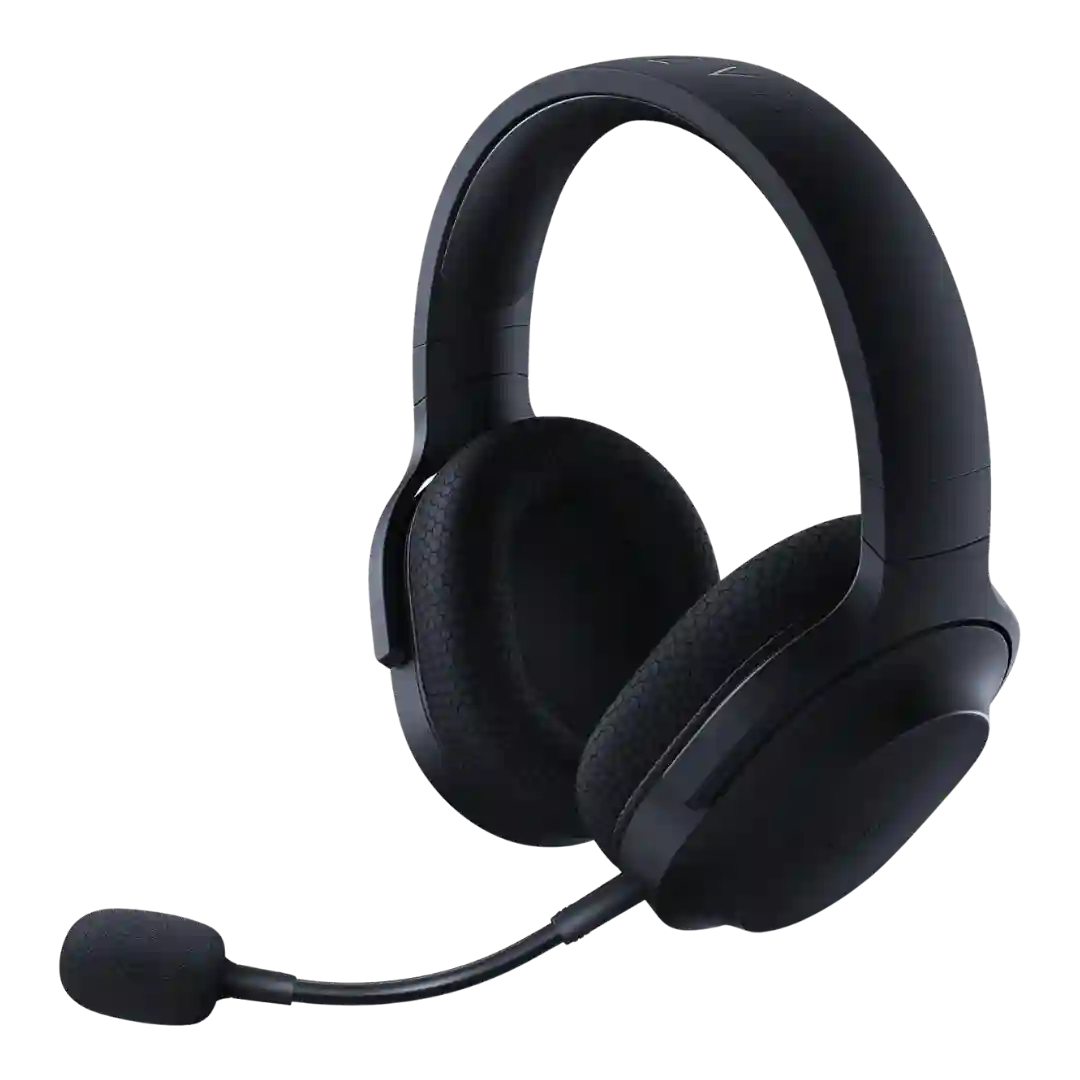
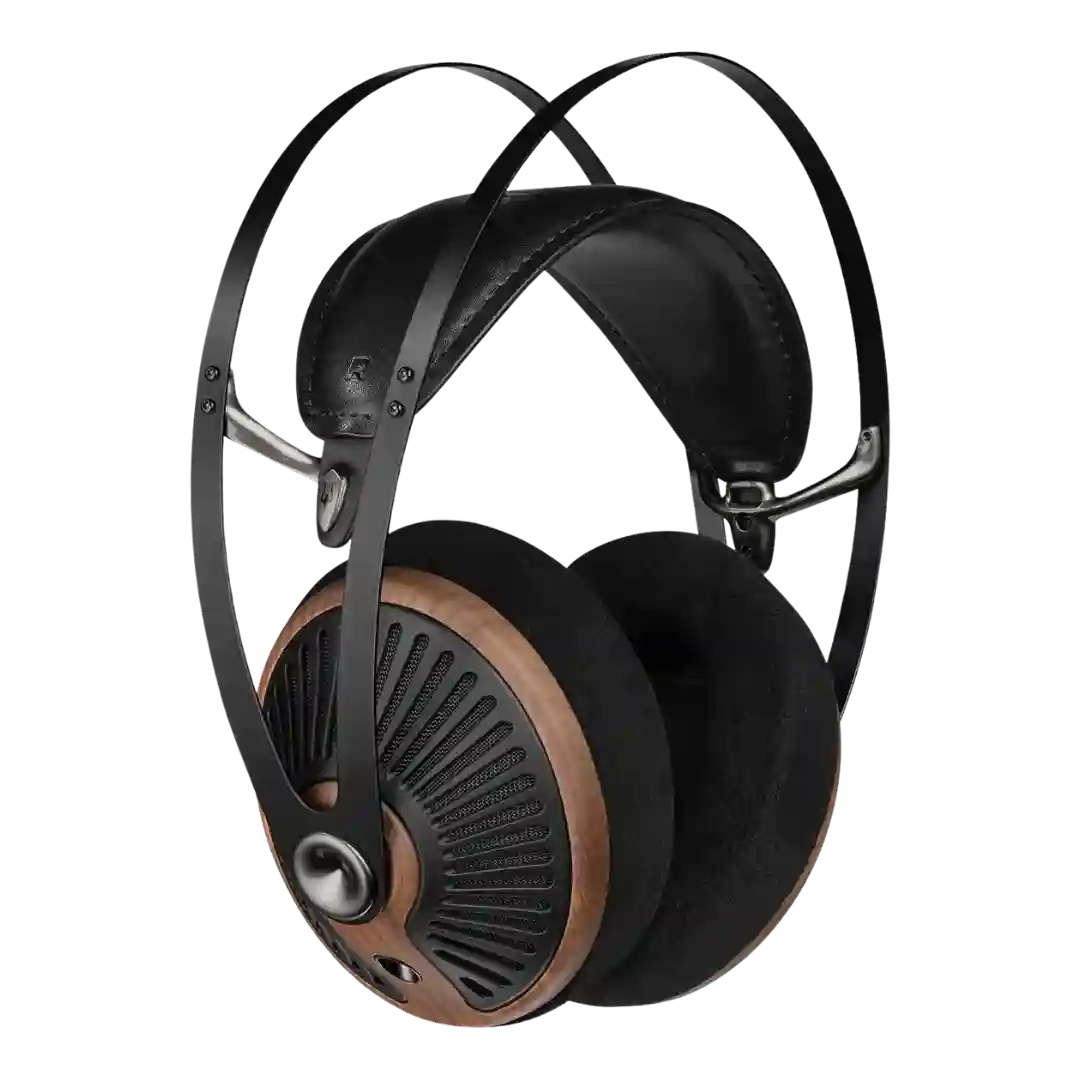
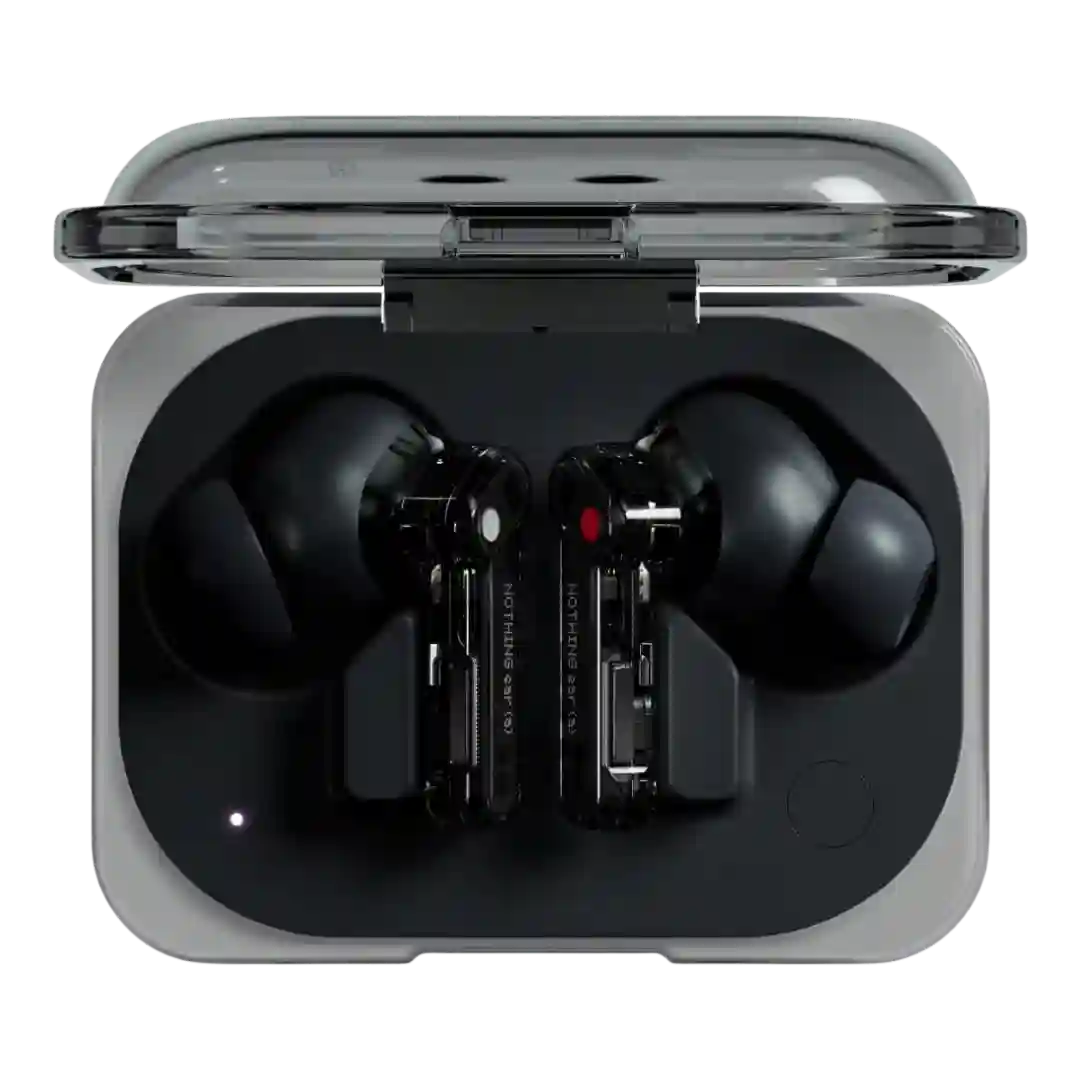
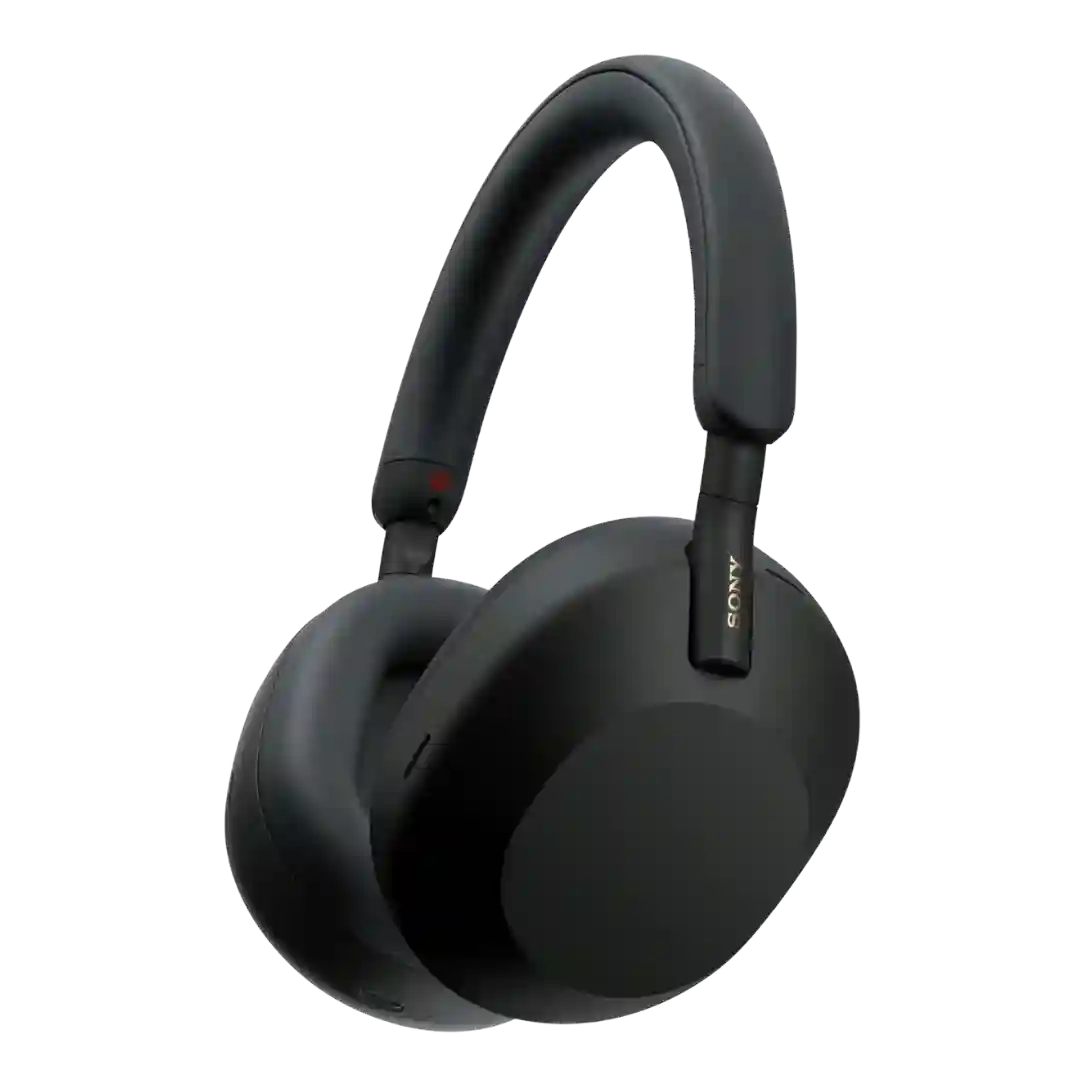
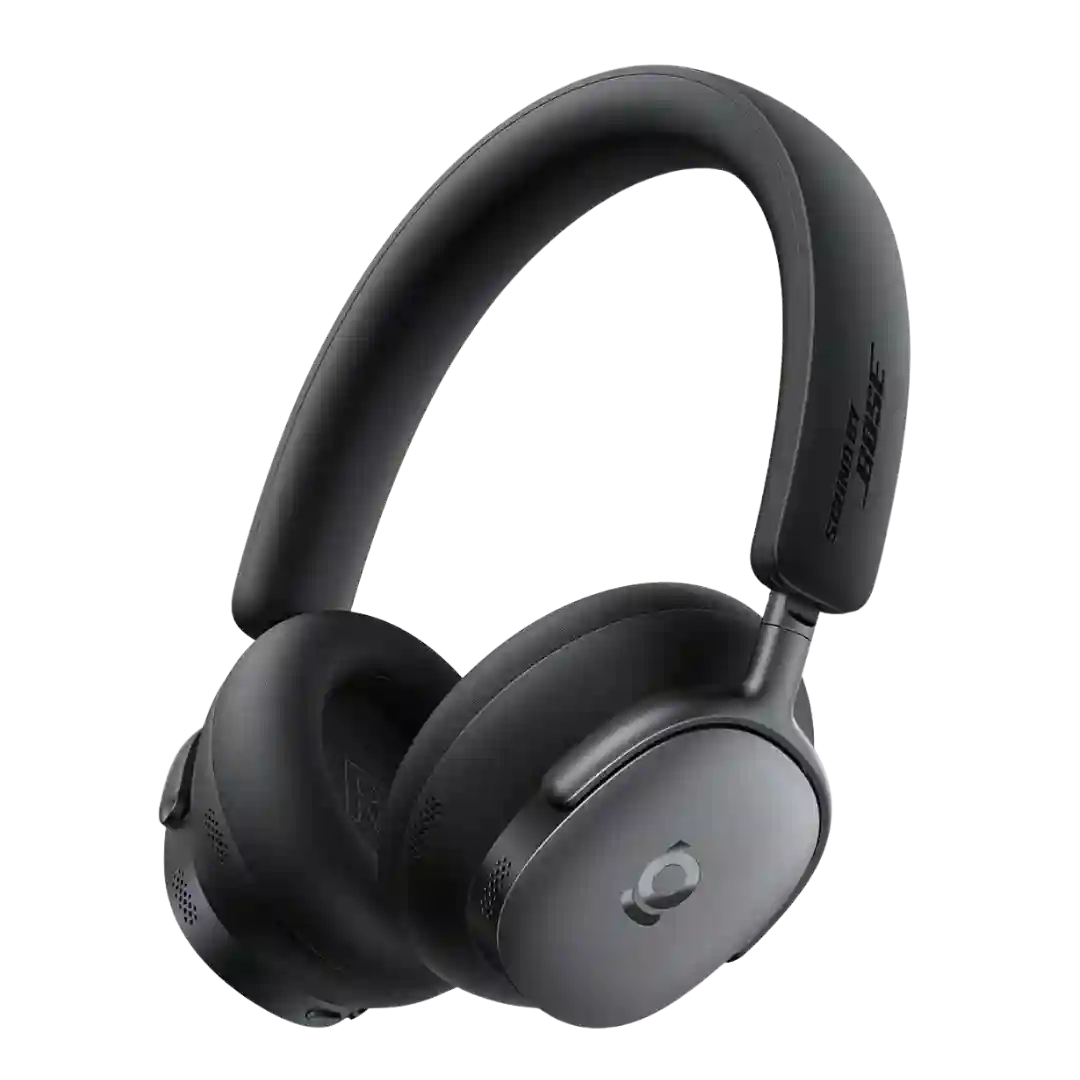
Sound quality splits opinion sharply: many reviewers hear rich, enjoyable, high-value audio, while a smaller but important group finds it distant, metallic, or underwhelming. Wired listening is a meaningful plus, with reviewers appreciating dead-battery compatibility and solid sound quality over cable.
Sound quality is the headset's clearest strength, with repeated praise for detail, clarity, openness, and a more audiophile-style presentation than typical gaming headsets.
Across reviews, sound quality is the headline: a speaker-like, highly resolving presentation that many call among the best in wireless closed-backs, with strong imaging and refinement. Wired sound is often described as equal or better in resolution than wireless, with USB-C and 3.5 mm options; passive use is supported, and some recommend listening powered on to benefit from onboard DSP.
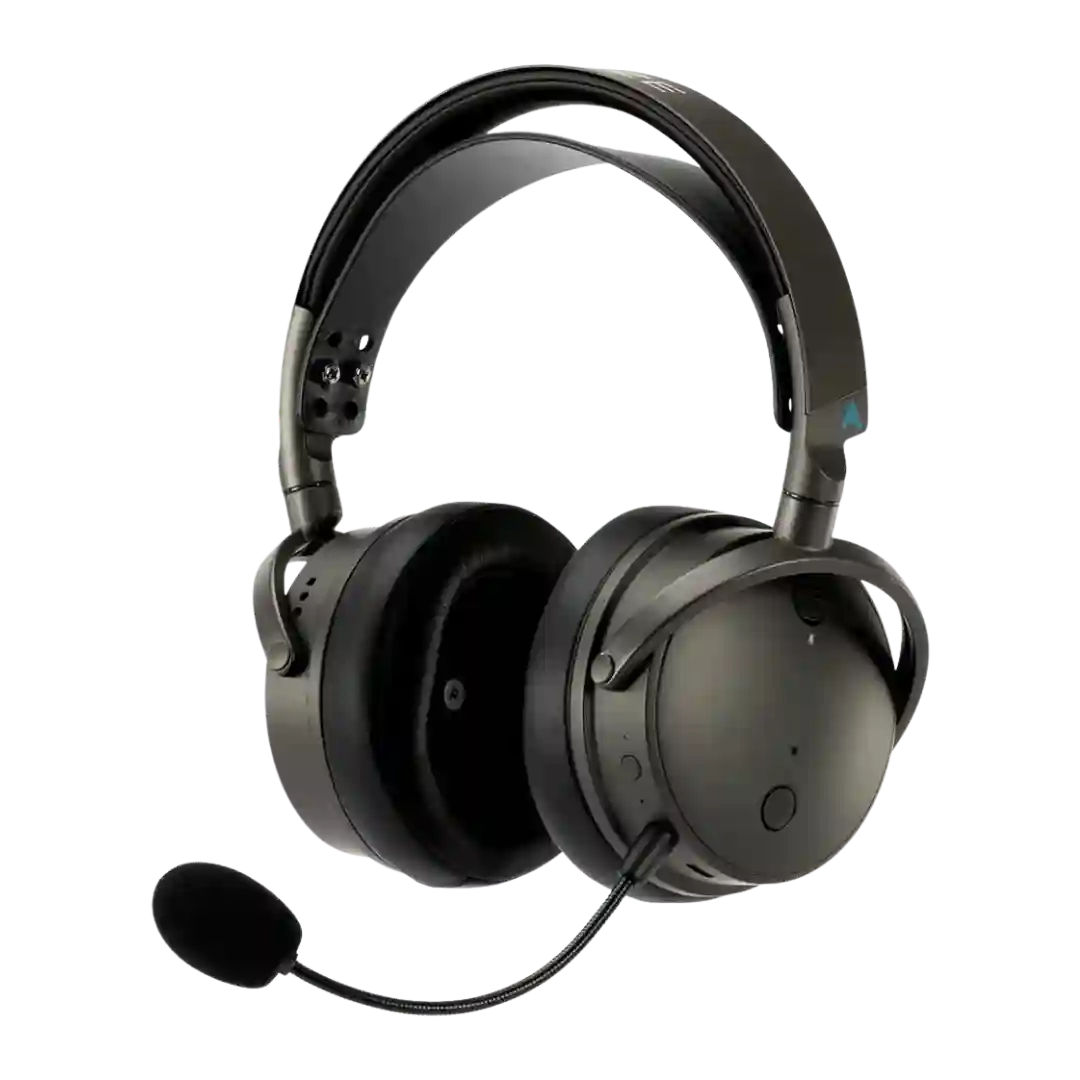
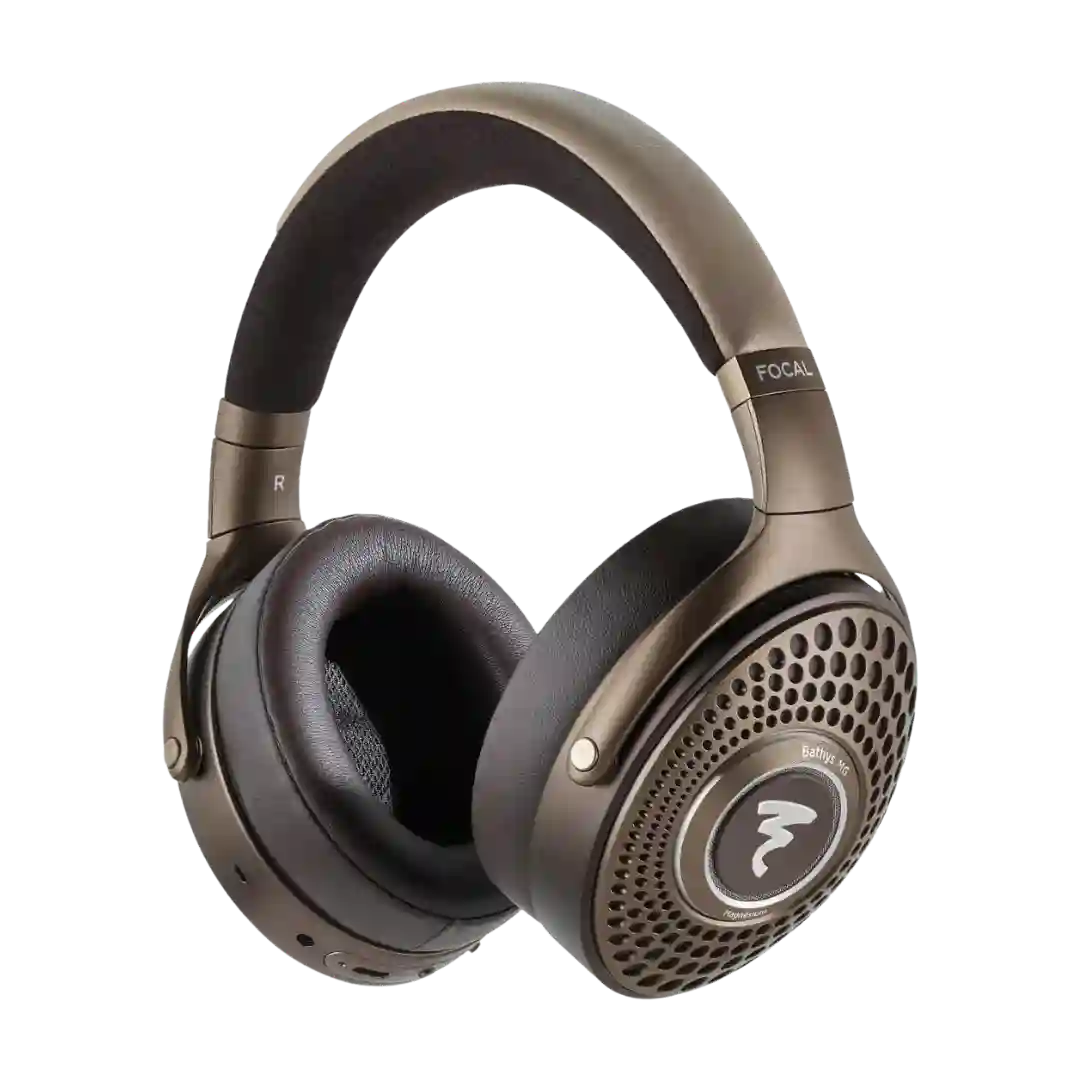
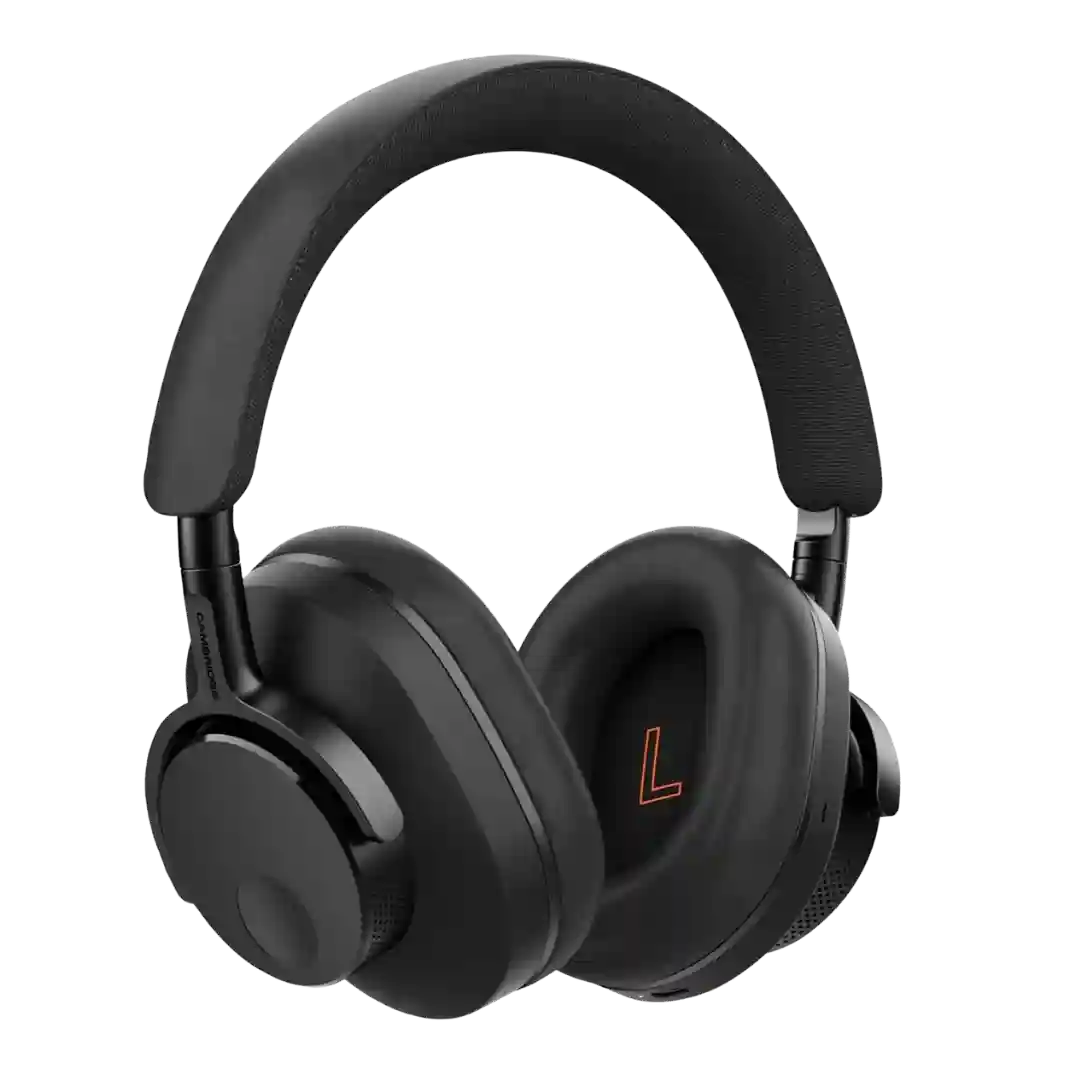
Across the file, the Bathys MG is repeatedly described as one of the best-sounding wireless headphones available, with standout refinement, detail, dynamics, and realism. Wired listening is a real strength, especially in USB-DAC mode, with reviewers repeatedly hearing cleaner, higher-resolution playback than over standard Bluetooth.
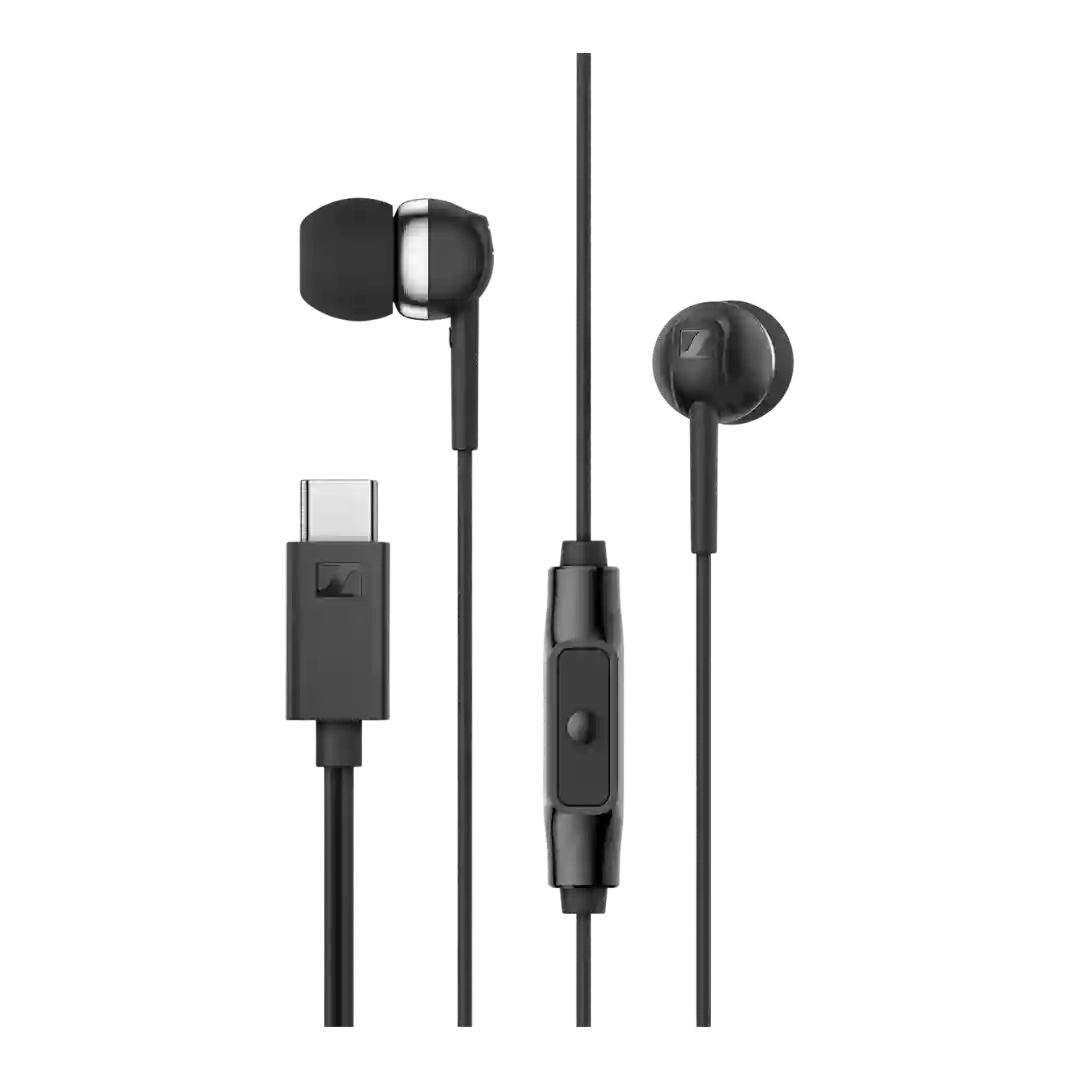
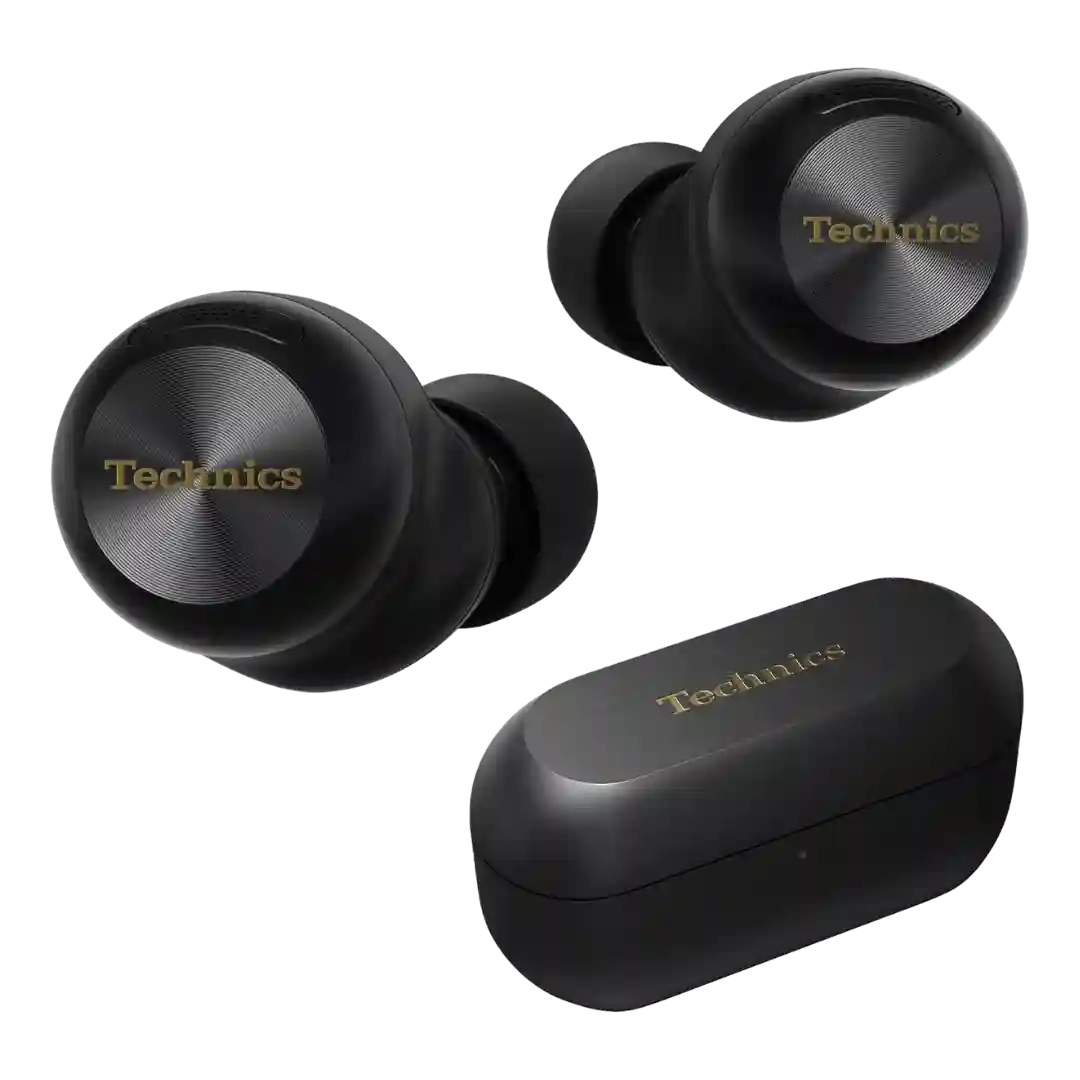
Sound quality is the main reason to buy the CX 80U, with both reviews describing it as unusually refined, detailed, and balanced for the price. The wired USB-C path delivers clean, detailed playback and is a big part of why these earbuds outperform many cheap rivals.
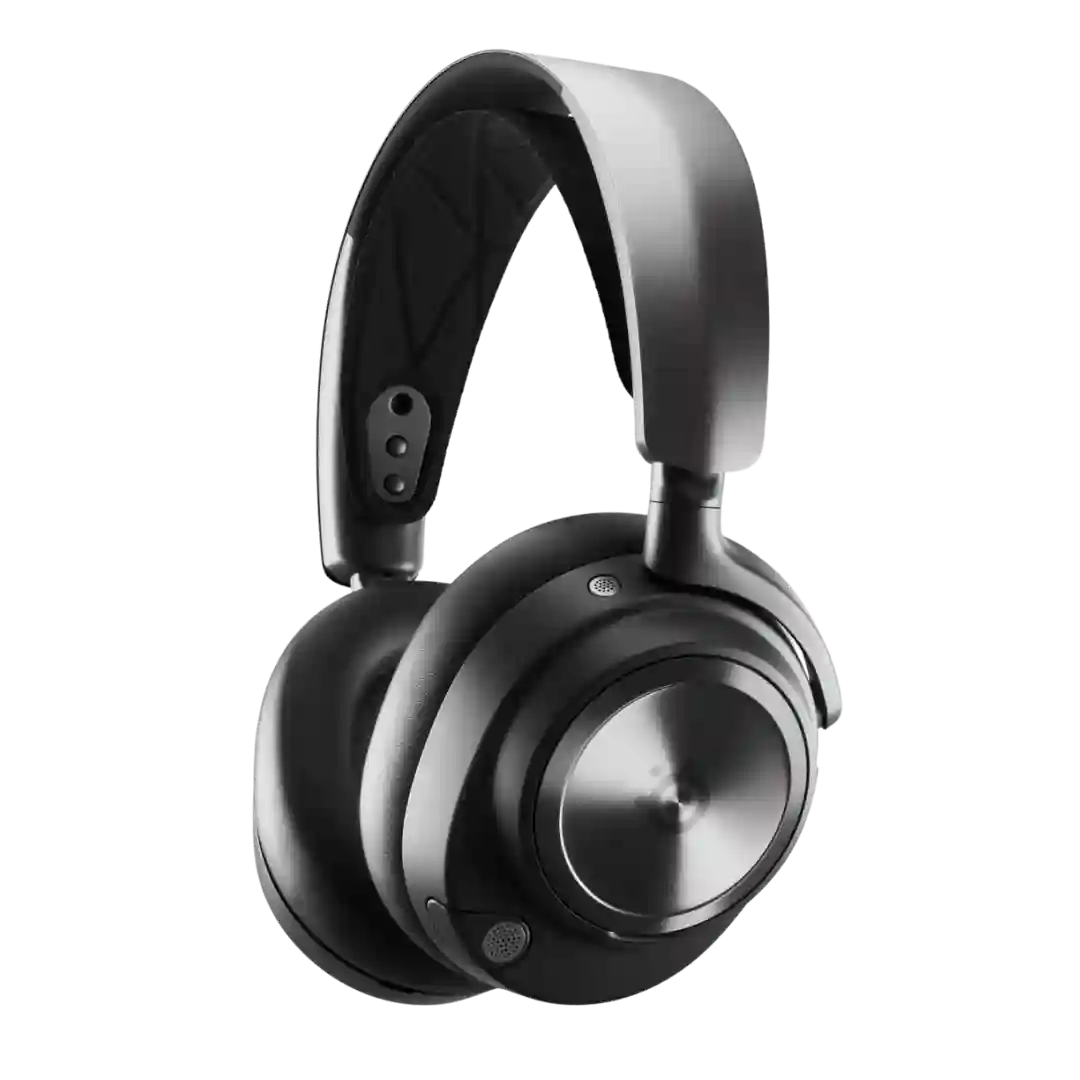
Across reviews, sound quality is the headline: balanced, highly detailed, audiophile-leaning tuning that competes with top wireless flagships and scales up with the dongle or USB-C. A few reviewers find it less instantly exciting than bass-boosted rivals, but overall fidelity is widely praised. Wired playback (especially via USB-C) is often cited as the cleanest, most resolving path. Analog input works too, but the headphone typically still relies on internal DSP and battery power.
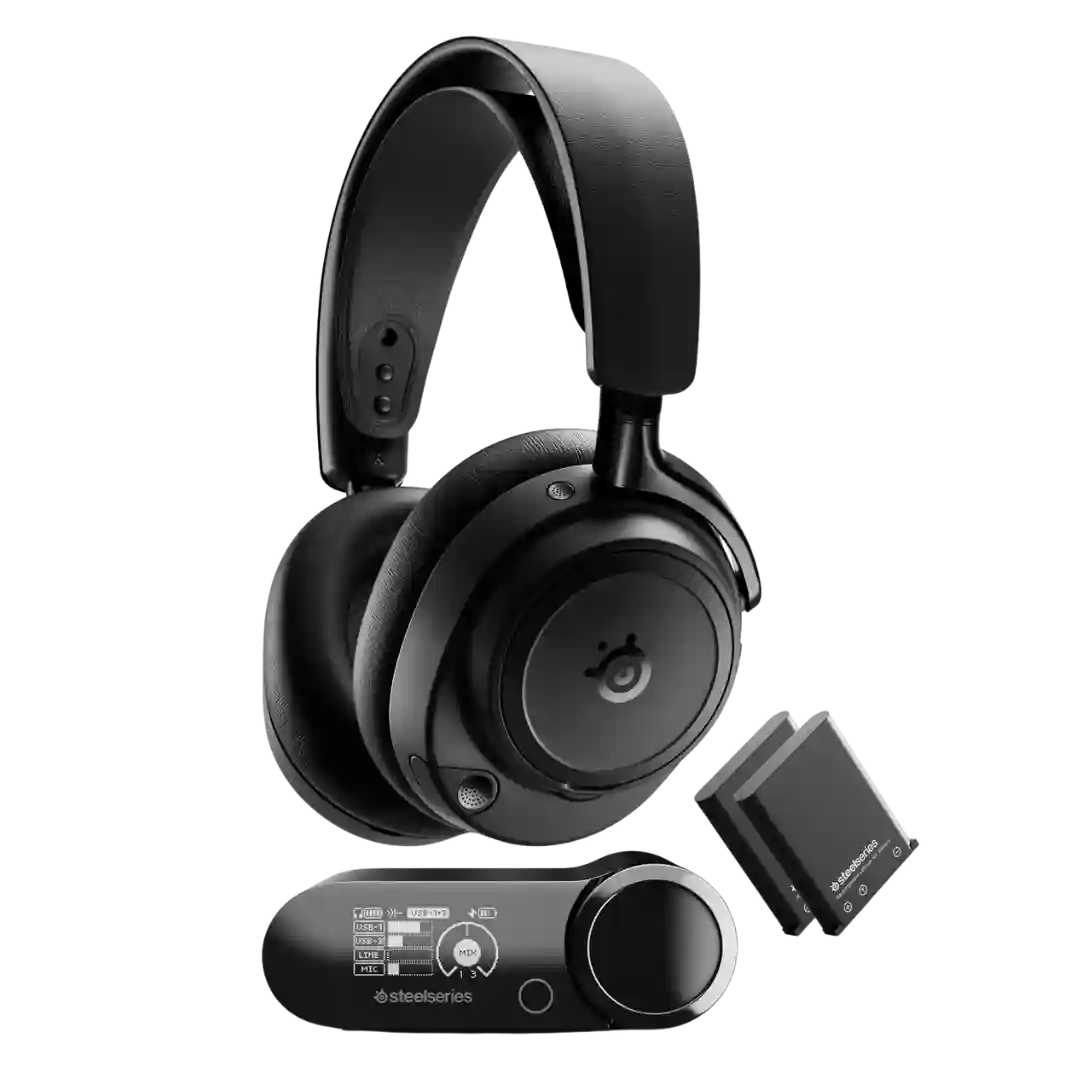
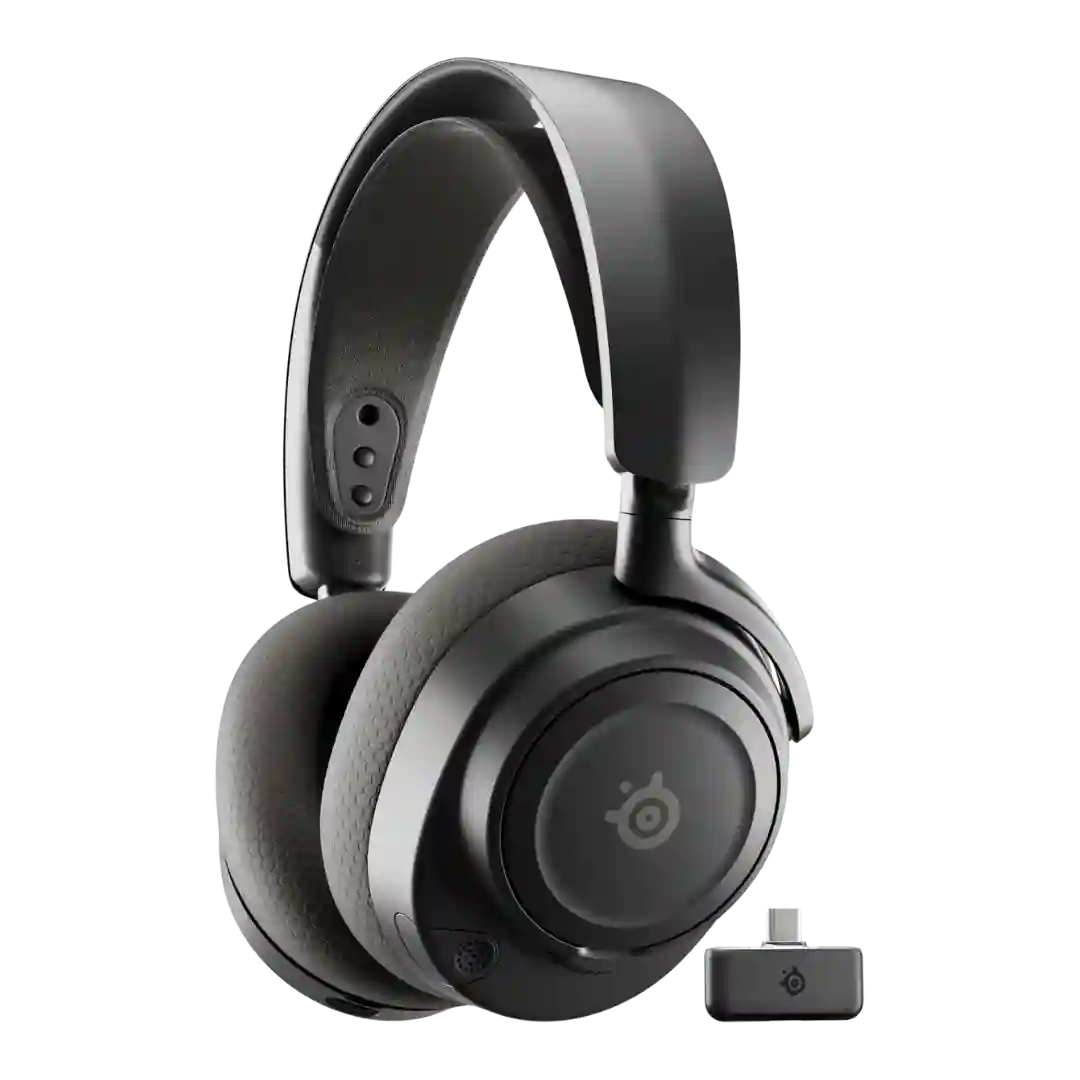
Across reviews, sound quality is repeatedly described as top-tier for both gaming and music, with the biggest gains showing up on PC where the 24-bit/96kHz wireless mode can be used. A few reviewers still call the tuning a bit sterile or not night-and-day better than cheaper rivals unless you use EQ.
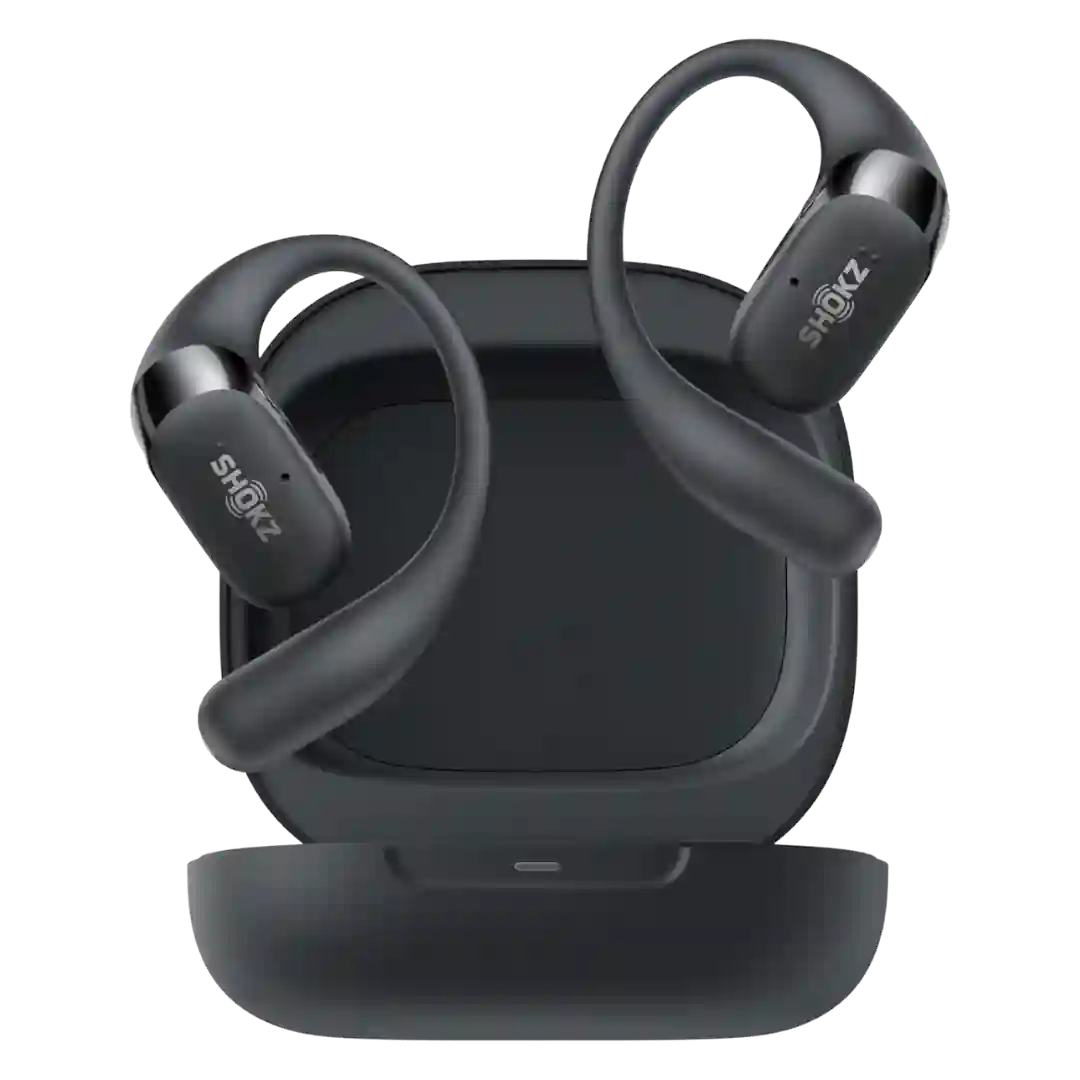
Reviews consistently describe the OpenFit 2 as a clear upgrade in sound, with richer, clearer audio than earlier OpenFit models, though it still does not beat strong sealed in-ear earbuds.
Sound quality is a consistent highlight: most reviews describe an engaging, detailed presentation that competes strongly at the price, often with a fun, slightly bass-forward tilt and strong clarity after light EQ if desired. Wired audio can sound tighter and more stable than Bluetooth in some reports, but at least one review warns wired listening can degrade significantly if the headphones are not powered on.
Across reviews, sound is consistently described as detailed and competitive for imaging, with a generally balanced tuning. Many note it sounds best after Sonar EQ or presets, but it is still strong out of the box.
Across reviews, Pro X is praised for lively, detailed sound that competes with premium flagships, though a few reviewers call it more of an all-arounder than a market leader.
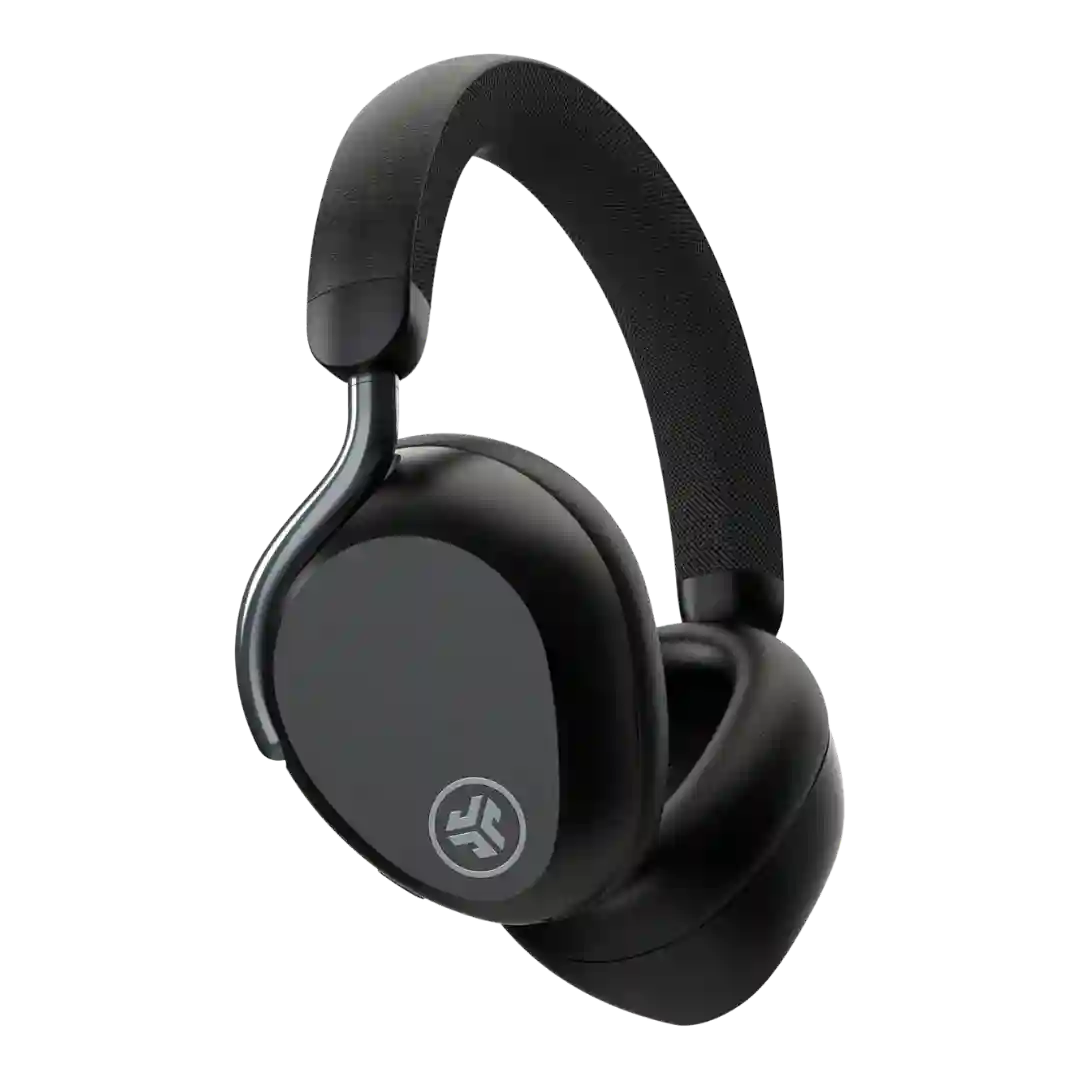
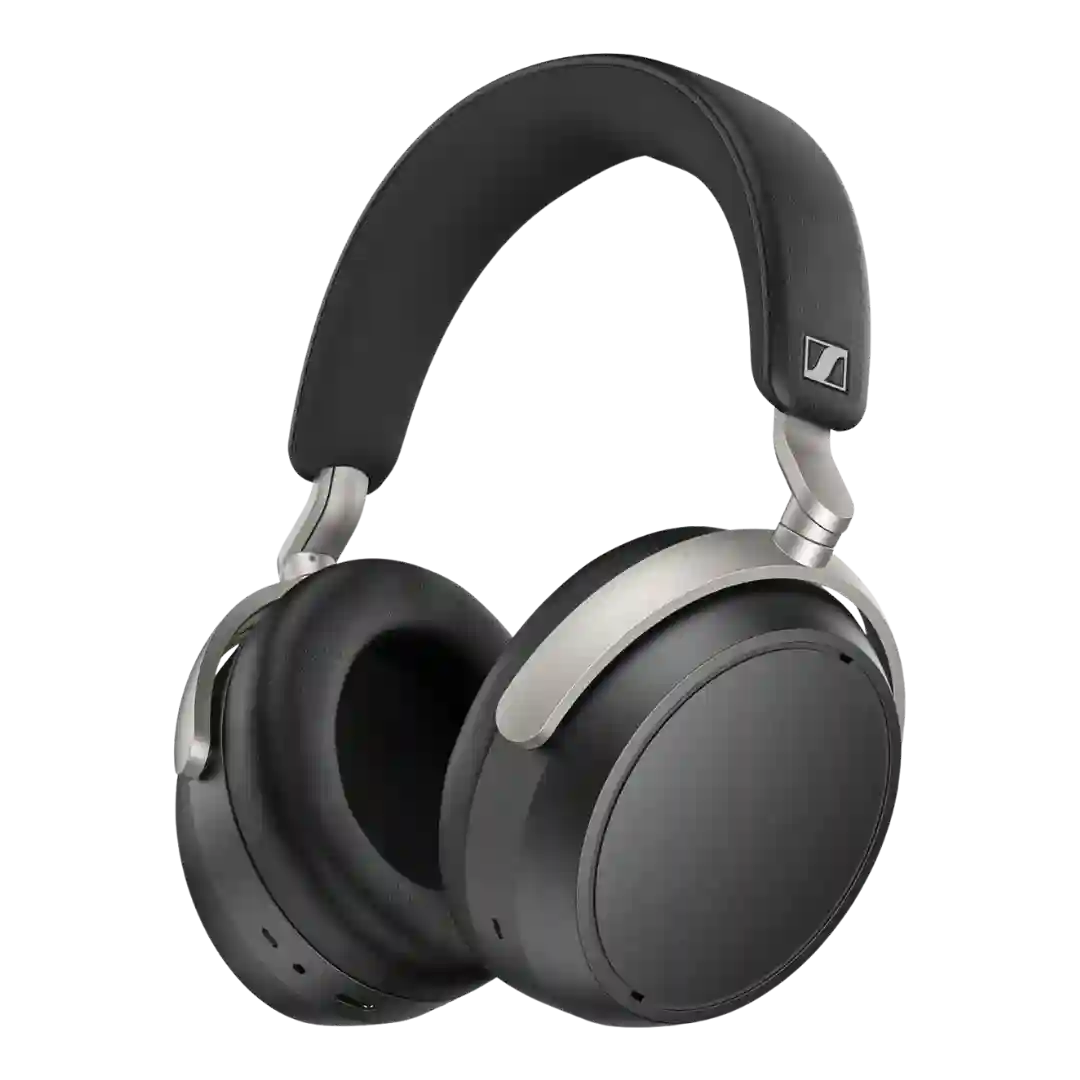
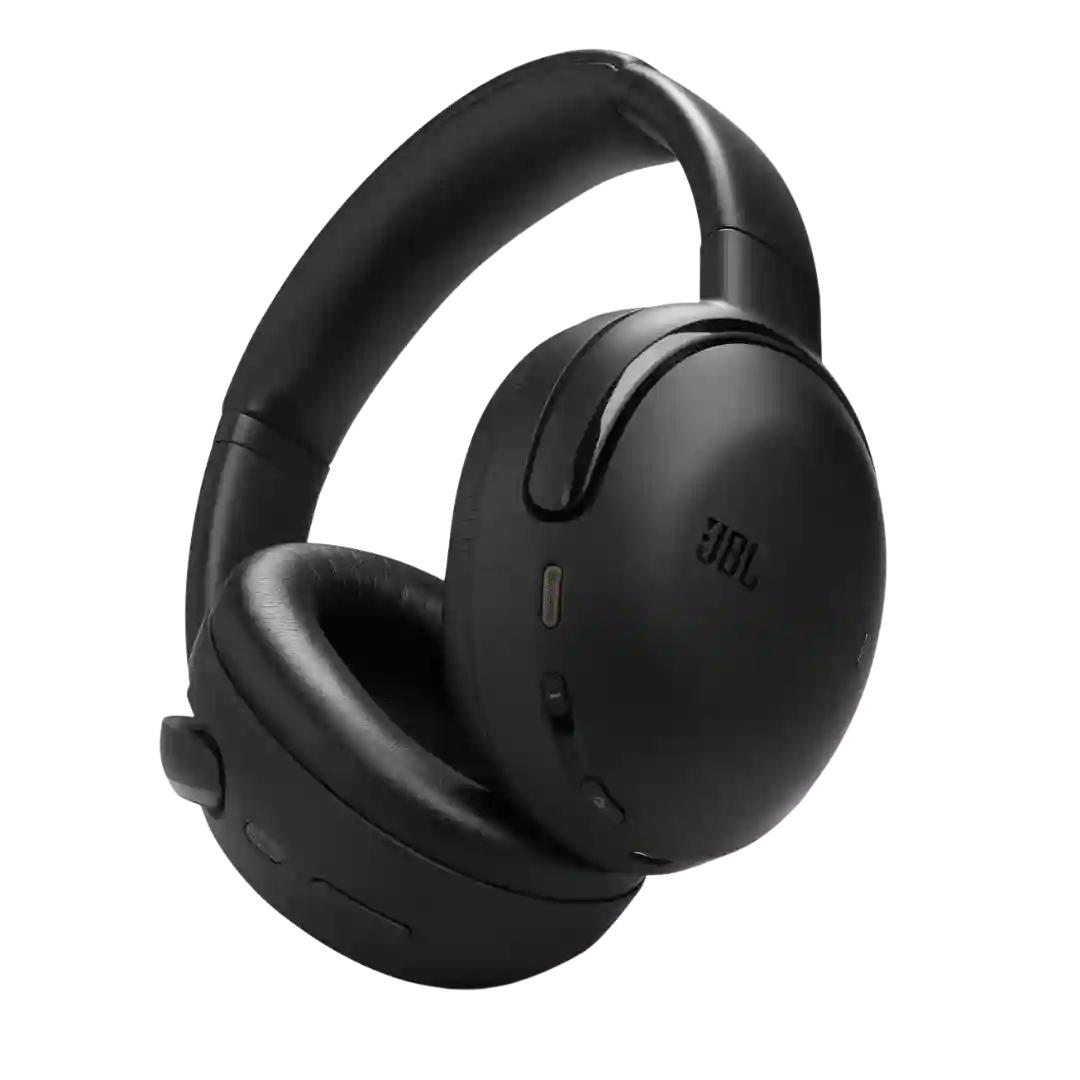
Across reviews, the PX7 S3 is praised as one of the best-sounding wireless ANC over-ears in its price range, with an engaging, high-end presentation. A minority note the tuning can feel unconventional until you EQ it. Wired listening via USB-C is supported and often described as clearer or more detailed than Bluetooth, though some reviewers hear only modest gains. A few notes mention wired operation may require power and can be finicky depending on source and cable.
Across reviews, sound quality is a standout: rich, detailed, and engaging with a spacious presentation. A minority find the stock tuning a bit warm/dark or slightly lacking upper-mid or top-end bite, but EQ and Sound Personalization can dial in clarity.
Sound is consistently praised as refined and engaging, with strong detail retrieval for a mainstream-tuned true wireless. A few listeners prefer the last bit of precision from rivals, but the overall tuning quality is a highlight across reviews.
Sound quality is a standout theme: detailed, engaging, and competitive with more expensive headphones; however, several note the SE stock tuning can lean bass-forward and benefits from EQ to taste. Wired listening via USB-C (and via included USB-C to 3.5mm cable) is described as a strong option, often sounding excellent and sometimes driving higher volume than Bluetooth.
Reviews consistently praise the AZ100 for highly detailed, spacious sound with strong dynamics; a few note the default tuning can be bass-forward or benefit from EQ.
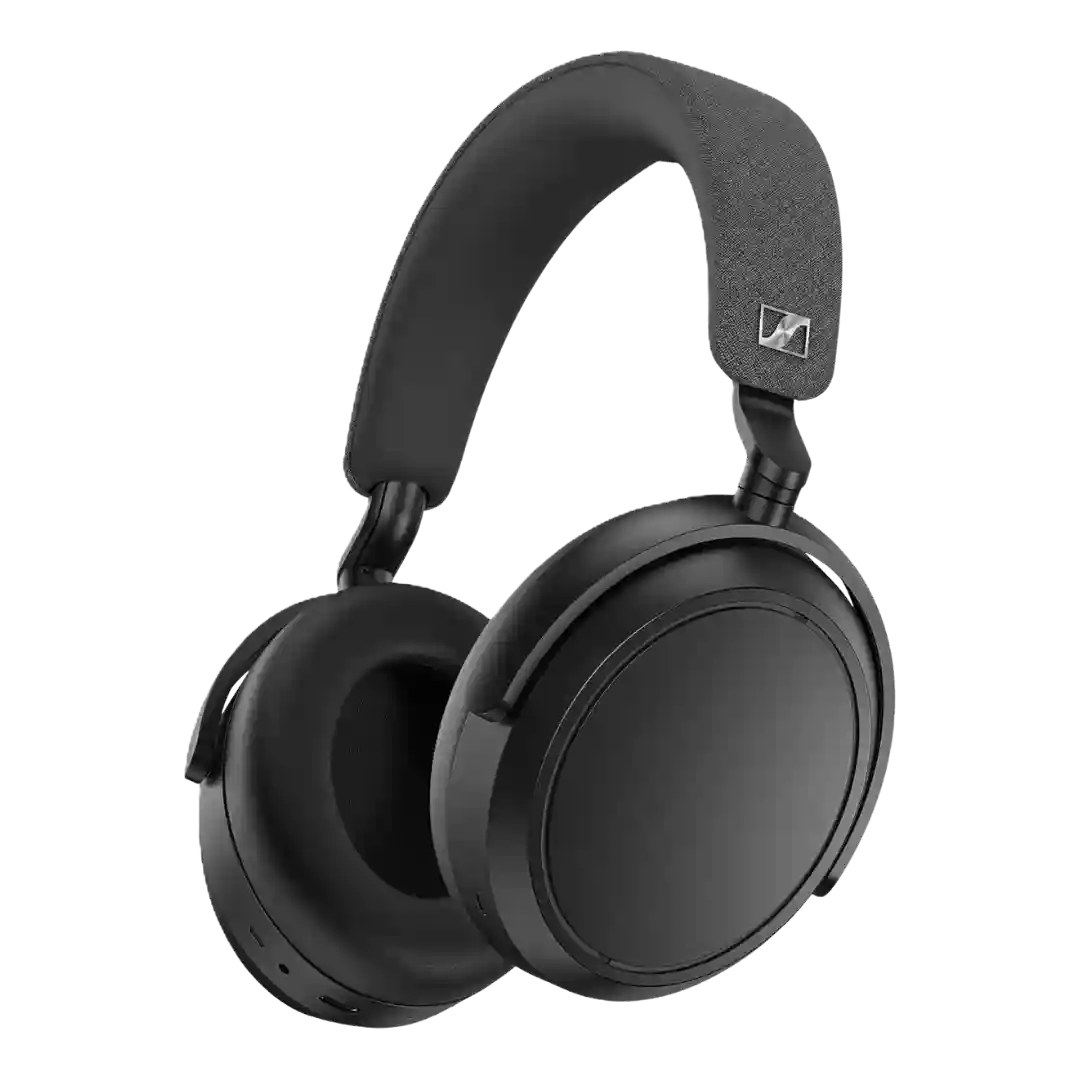
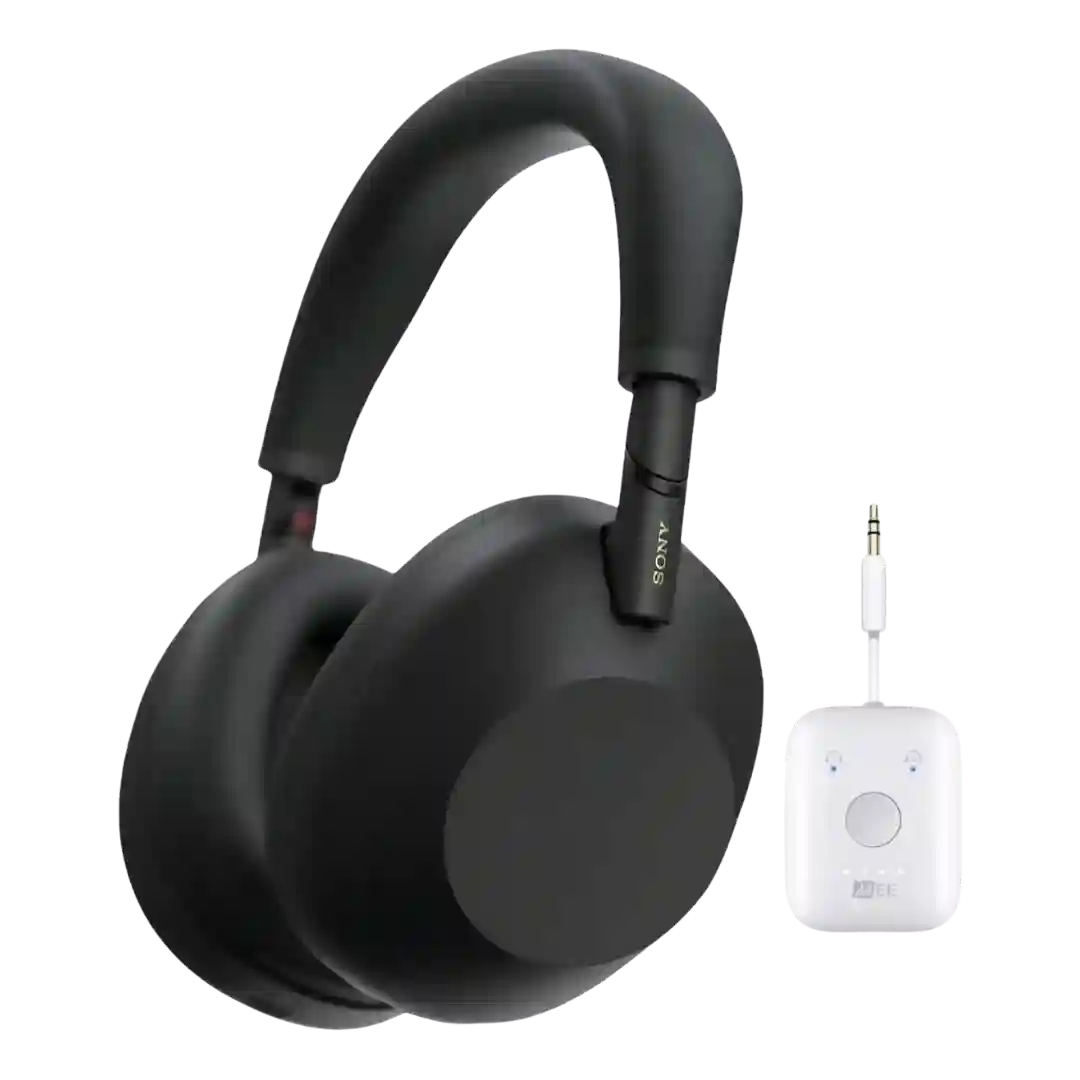
Sound quality is broadly praised as an upgrade over XM5 with a richer, cleaner presentation; most reviews call it excellent out of the box and even better once you tailor EQ. Several reviews say wired listening via the 3.5mm cable can improve clarity, but you still do not get a digital USB-C audio path.
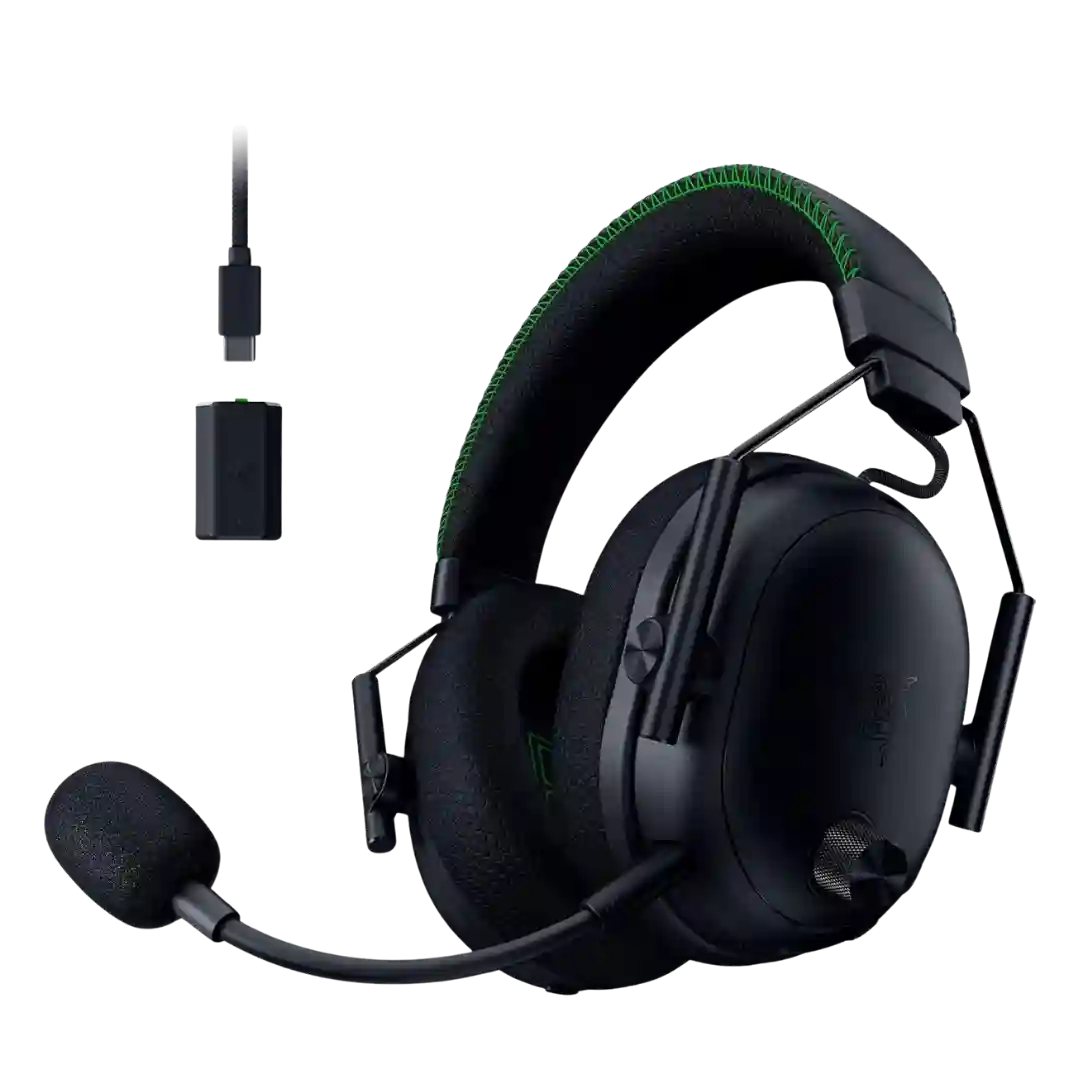
Across reviews, the V3 Pro is praised for highly detailed, competitive gaming sound with strong positional cues. Several sources note it is less consistent for music, with some treble harshness or distortion that benefits from EQ tuning. Wired audio options are seen as a valuable fallback for controllers, consoles, and dead-battery situations. Most reviewers find wired sound acceptable, though a few mention cable-related handling noise or platform-specific wired limitations.
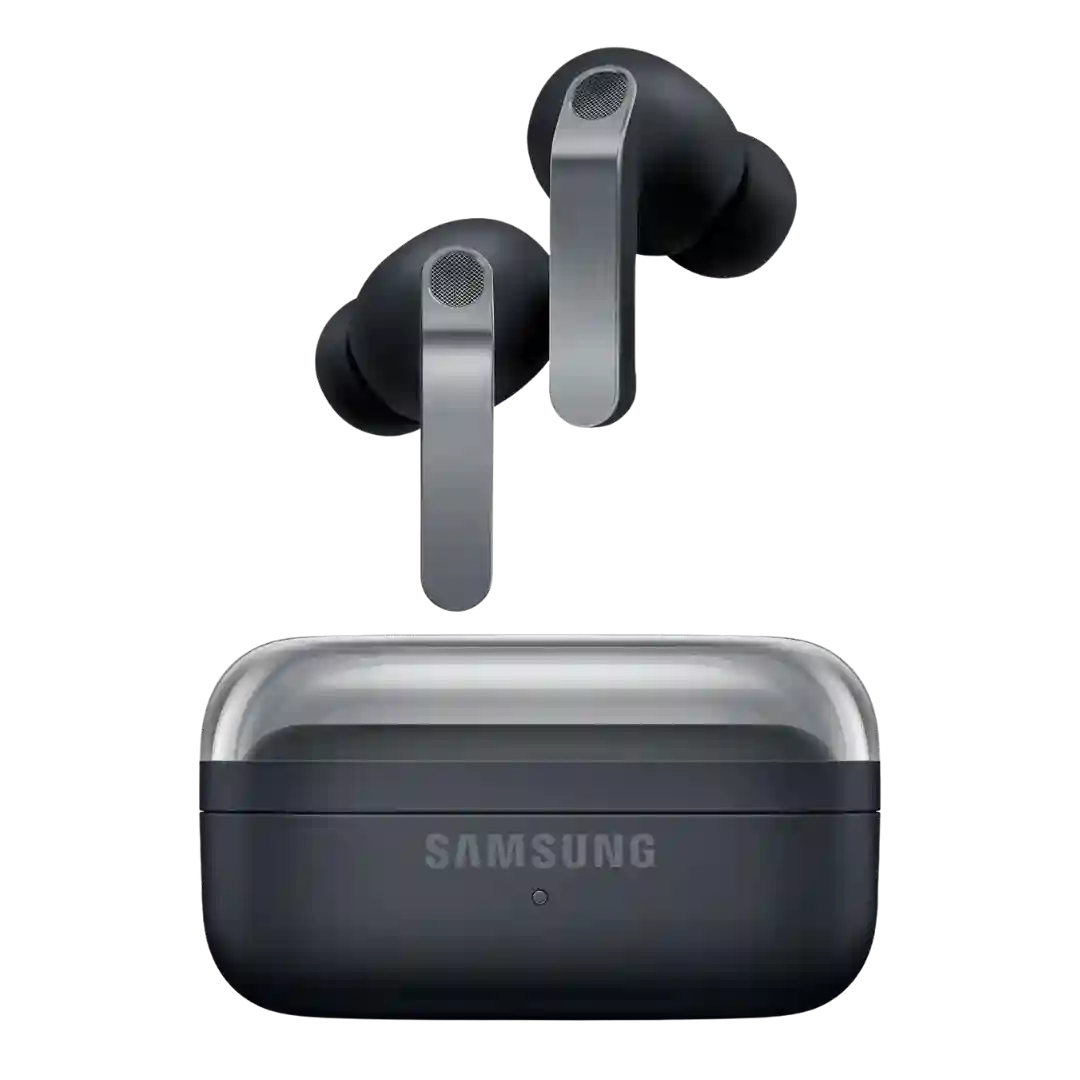
Across the review set, the Buds 4 Pro are consistently praised for rich, detailed, energetic sound, though a few reviewers found the tuning a bit bass-forward or Samsung-dependent at the top end.
Overall sound quality is described as excellent for the price. Wired playback is described as more detailed, balanced, and full than Bluetooth in one setup.
Sound quality is the main strength: many reviews describe a clean, low-distortion, spacious and highly detailed presentation, especially after Masimo AAT personalization and/or EQ tweaks, though a minority found stock tuning or earlier firmware disappointing.
Overall sound quality is a highlight: detailed, natural-leaning audio with strong positional clarity. The most common caveats are lighter low-end impact and occasional brightness depending on content and EQ.
Across reviews, the sound is described as crisp, balanced, and spacious, with especially strong performance on Apple devices; a few audiophile-leaning takes call it consumer-tuned and not the last word in detail. Wired listening can improve fidelity and reduce latency, but may require extra cables or adapters depending on model and source.
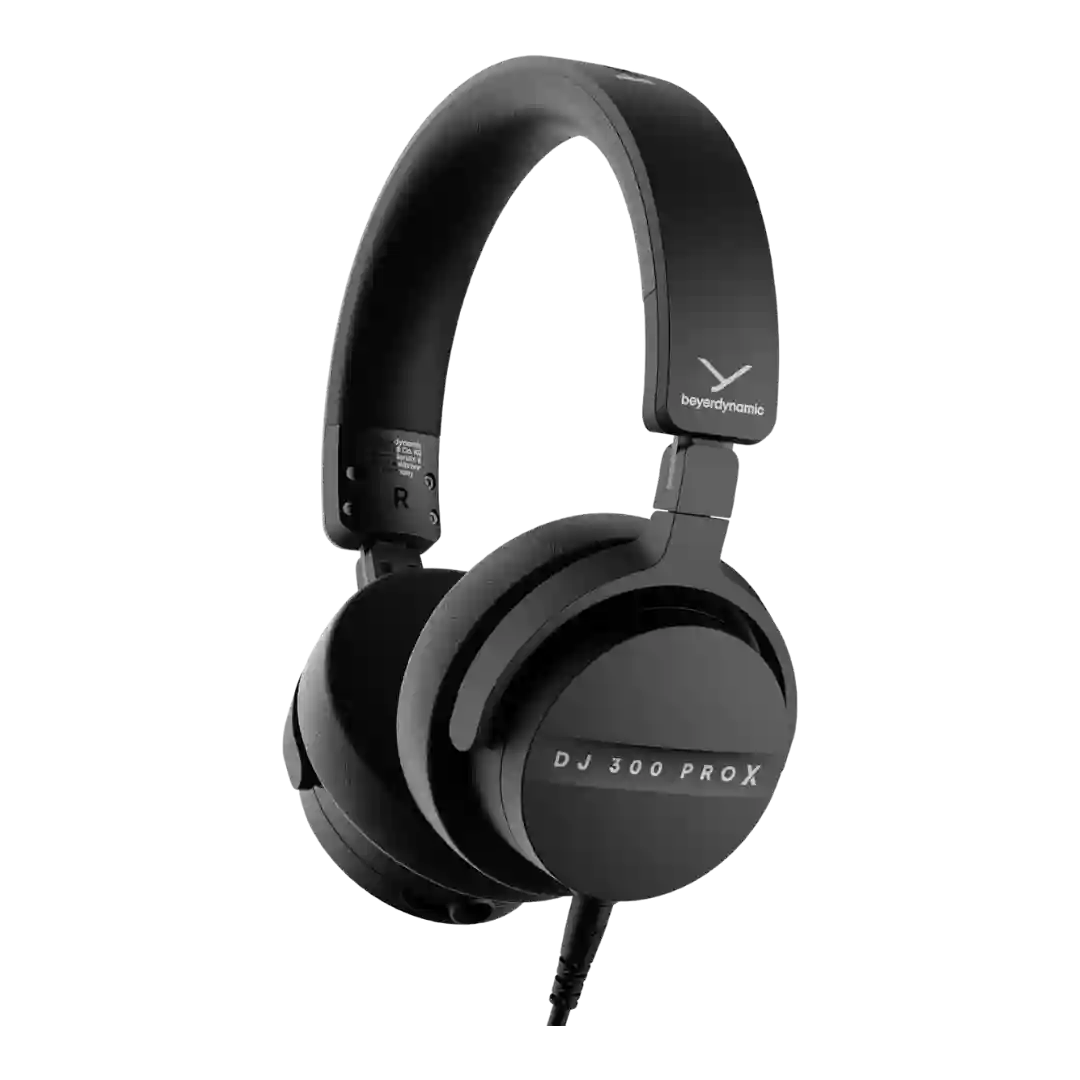
Overall sound is consistently framed as strong for DJ work, combining punch, clarity, and precision. The praise is strongest with electronic music, while broader everyday versatility is less convincing. The wired-only design is treated as a benefit for professional use, emphasizing stable, zero-latency monitoring and dependable sound quality. Reviewers frame this as the right approach for live DJ work.
Most reviews praise an energetic, detailed presentation that competes above its price, though a minority find it a bit polite or less exciting without EQ tweaks. Wired playback over USB-C is often praised for improving fidelity and consistency versus Bluetooth; analog connection via the included adapter cable is also supported.
Sound quality is a standout: most reviews describe an energetic, polished tuning with plenty of detail and broad appeal from the hybrid drivers. The default voicing can lean bass-forward, but EQ, Studio-style presets, and Personi-Fi help balance it to taste.
Overall sound is widely praised as rich, engaging, and detailed, though it is not tuned for strict neutrality; a few reviewers find the stock profile too boosted at the extremes and harder to correct due to limited EQ.
Sound quality is strongest in gaming, where the headset emphasizes clarity, positioning, and useful detail. It is generally good overall, but several reviewers found it less satisfying for music and movies than for competitive play.
Reviews consistently describe the sound as natural, clear, and strong overall, with several calling it expertly tuned or great-sounding, though one reviewer found it only a fine fit for their tastes. The directly relevant wired-use review rates the sonic performance as expertly tuned.
Sound quality is the clearest reason to buy the Buds 4. Across the reviews, the earbuds are praised for rich tuning, strong bass, clear vocals, and a presentation that beats many direct price rivals.
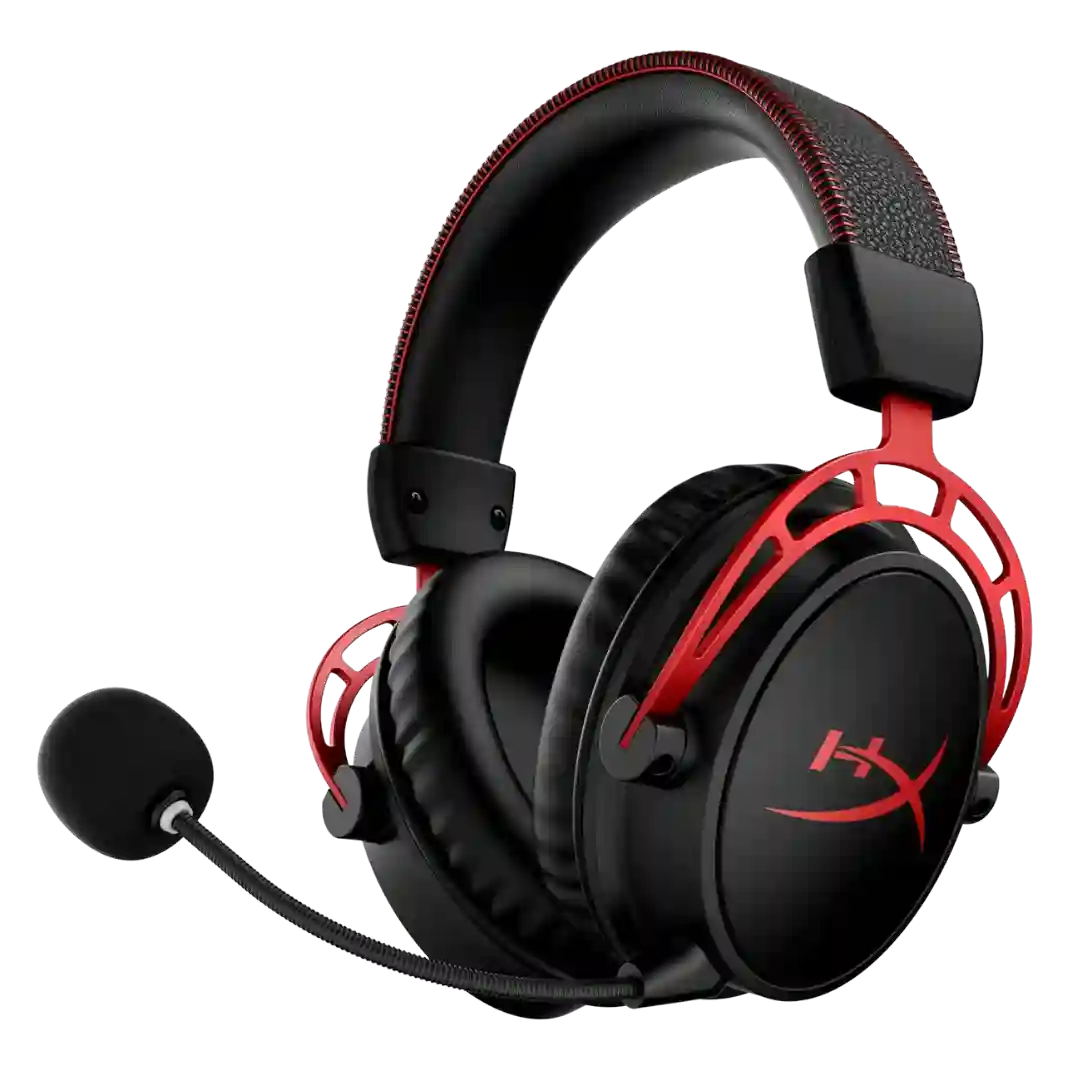
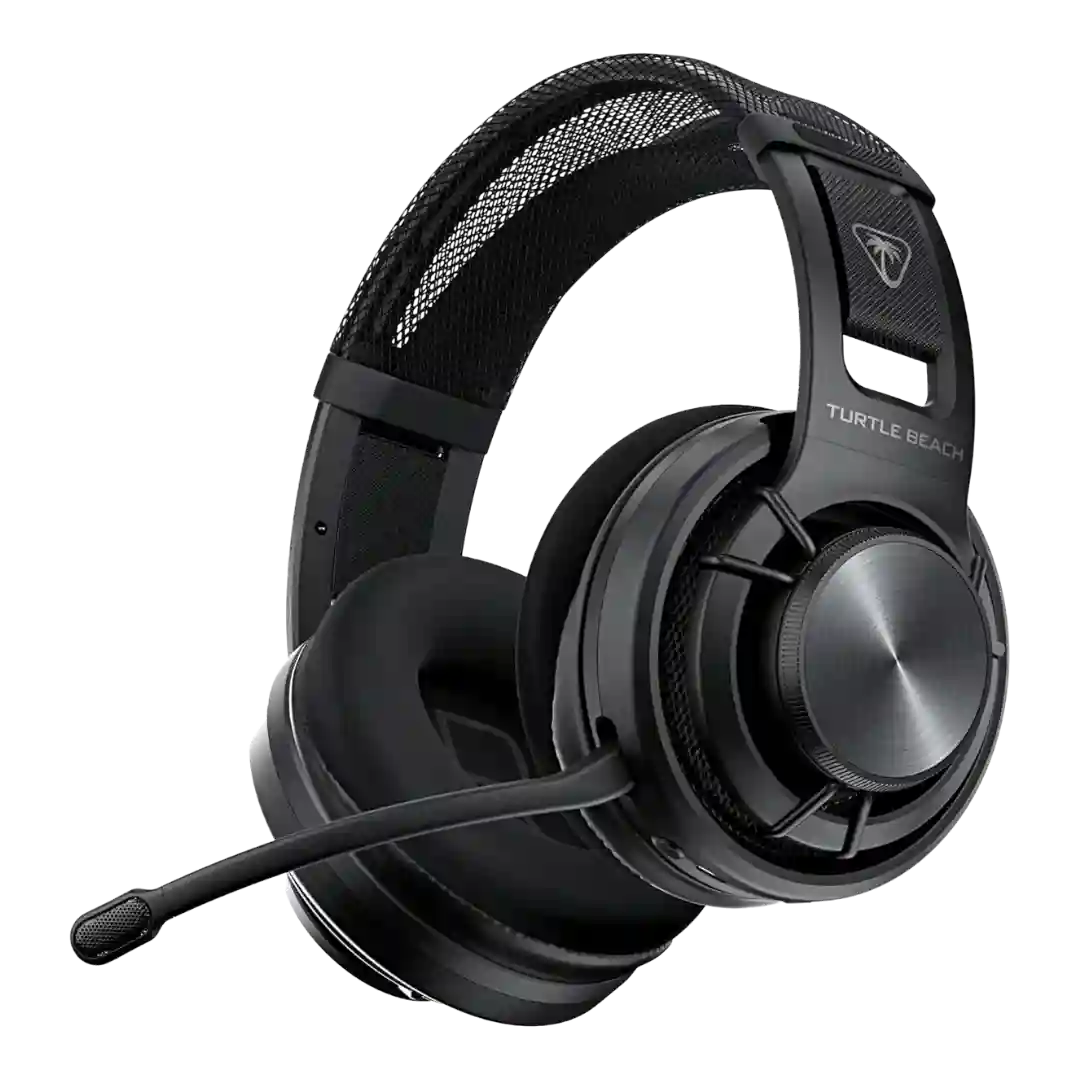
Overall sound quality is consistently rated among the best in wireless gaming headsets, with strong detail, impactful bass when needed, and competitive positional performance. Multiple sources note the headset is not intended for wired audio use; the USB-C port is typically framed as charging rather than a true wired listening mode.
Across reviews, sound is consistently described as premium and highly detailed, with strong resolution and separation; a few testers find it merely good rather than best-in-class for the price.
Across reviews, sound quality is a standout: a lively, detailed presentation with strong clarity and a generally wide, engaging mix that can compete with top-tier earbuds, especially after EQ tuning.
Across the reviews, the Barracuda X line usually sounds good to excellent for gaming, with a warm, engaging presentation; criticism centers on some variants sounding less refined for pure music listening. Wired fallback is useful and generally sounds solid, making Xbox or low-battery use viable even if wireless is the main draw.
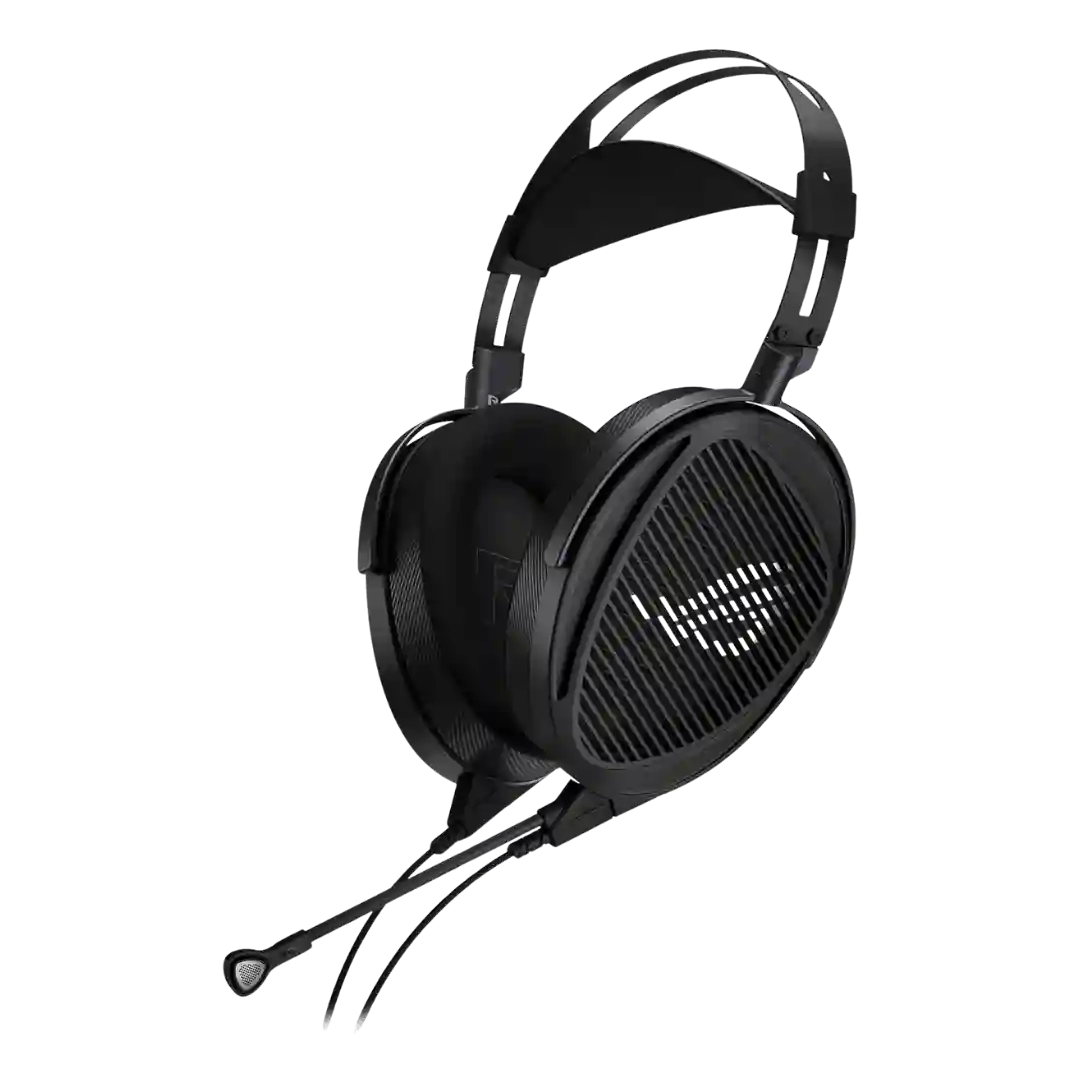
Across reviews, the 105 Silva is described as an engaging open-back with a premium “Meze” presentation: natural timbre, strong technicalities for the price, and a tuning that favors musical enjoyment over strict neutrality. A minority find the voicing less competitive on pure sound-per-dollar versus cheaper rivals without EQ.
Across the reviews, sound quality is the Ear (a)'s biggest strength: lively, clear, and more refined than most sub-$100 rivals, even if it stops short of true flagship polish.
Overall tuning is praised as balanced, clean, and easy to enjoy across genres, with a polished, safe presentation. A minority of long-term/audiophile-focused reviewers call it slightly compressed compared with high-end wired gear.
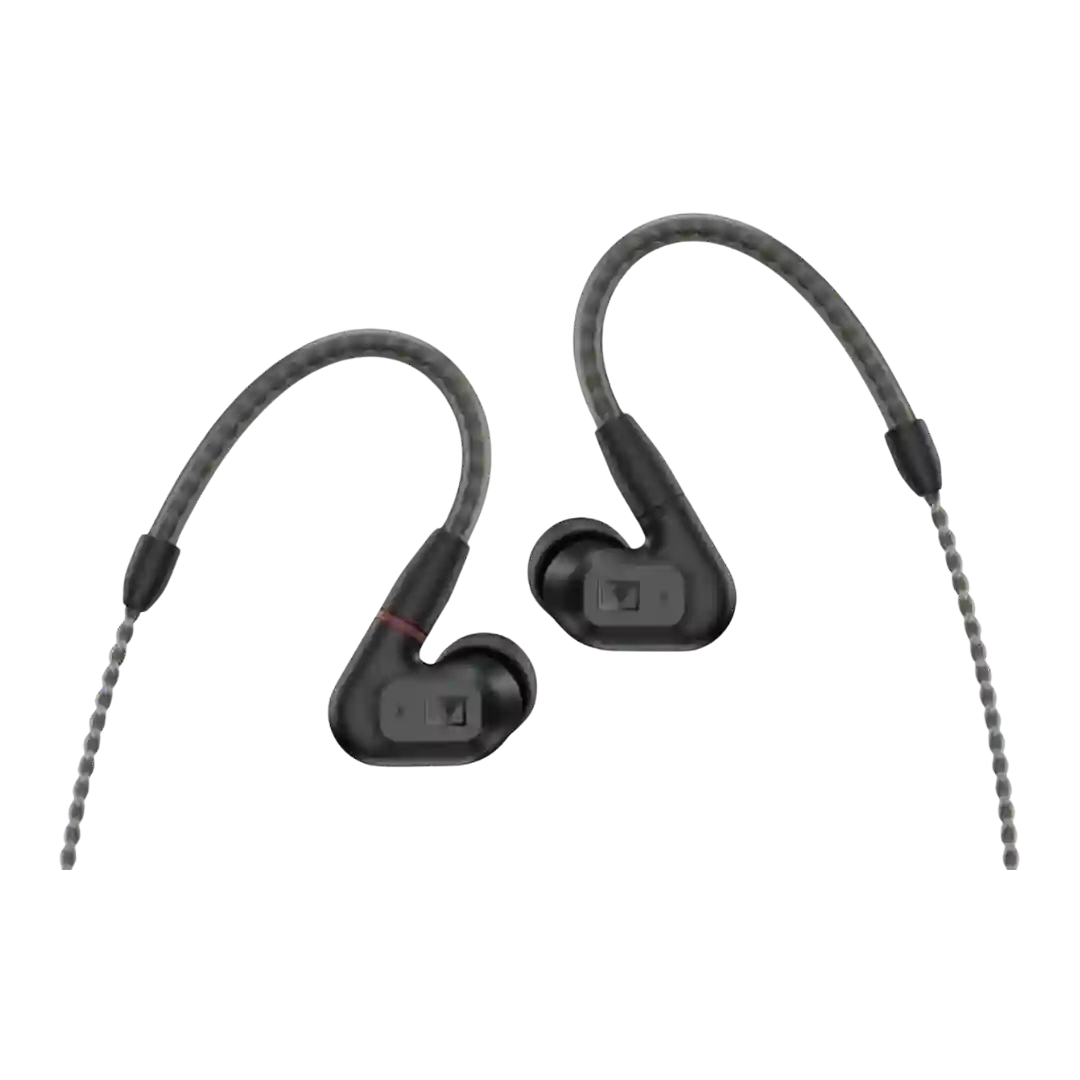
Reviewers consistently praise clear, balanced, high-fidelity sound with strong detail and musicality, though a few say it lacks some technical finesse or excitement versus stronger rivals. Across laptops, phones with adapters, DACs, and desktop gear, the IE 200 sounds notably clean and revealing, and several reviews say it scales up with better sources.
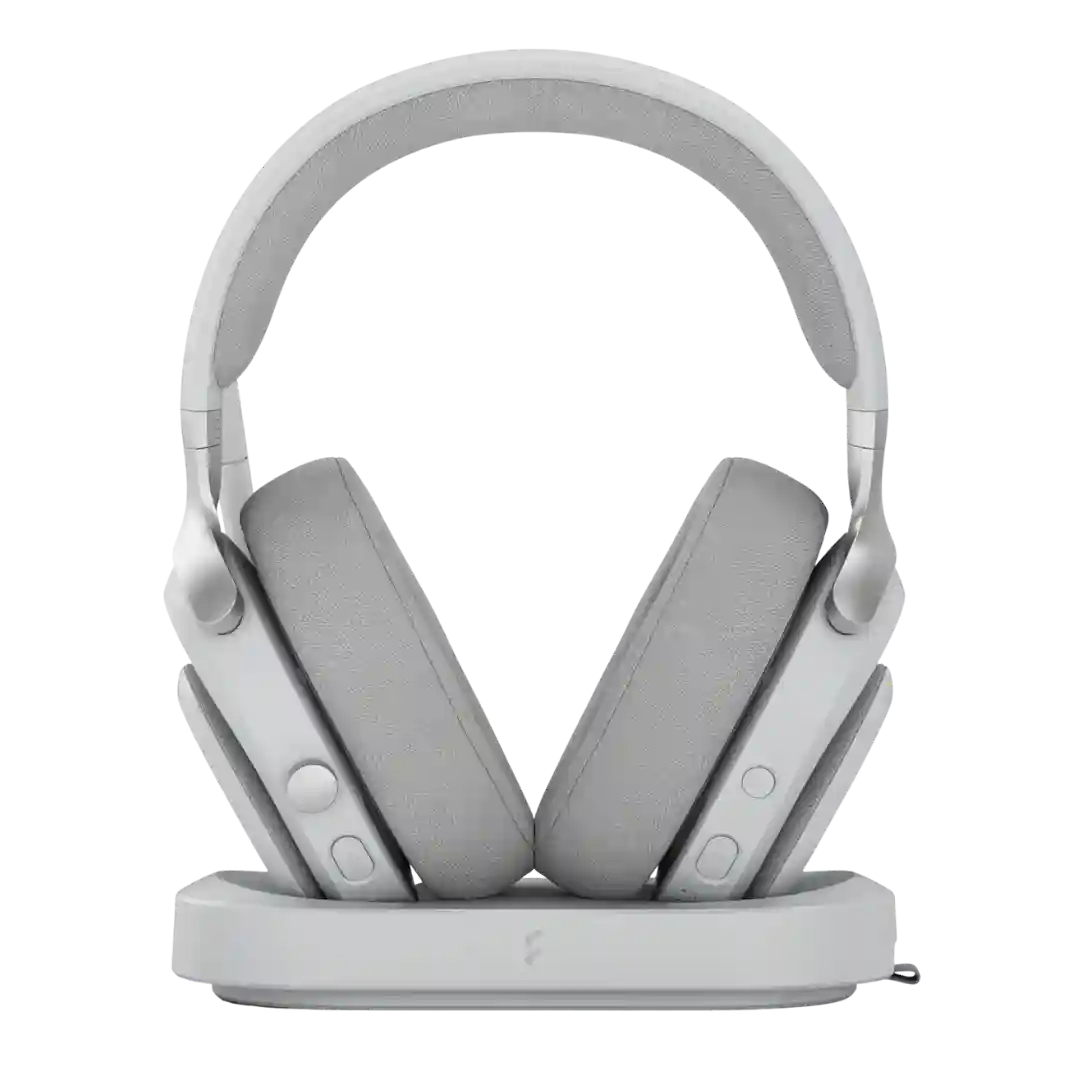
Sound quality is consistently praised as balanced, detailed, and competitive at the price. A few note it benefits from EQ for personal taste, and one reported a defective unit that prevented proper audio evaluation. Wired USB audio is supported and described as straightforward for PC use; some reviewers rarely need it because the dock is so convenient.
Overall sound is widely described as rich, detailed, and engaging with a bass-forward tilt; some reviewers still prefer more neutral or more detailed rivals.
Sound is widely described as smooth, balanced, and surprisingly high quality for the price, with some reviewers preferring it to pricier Samsung buds. A minority found it less detailed or a bit muddy/v-shaped out of the box, and Samsung-only codec/settings can make a noticeable difference.
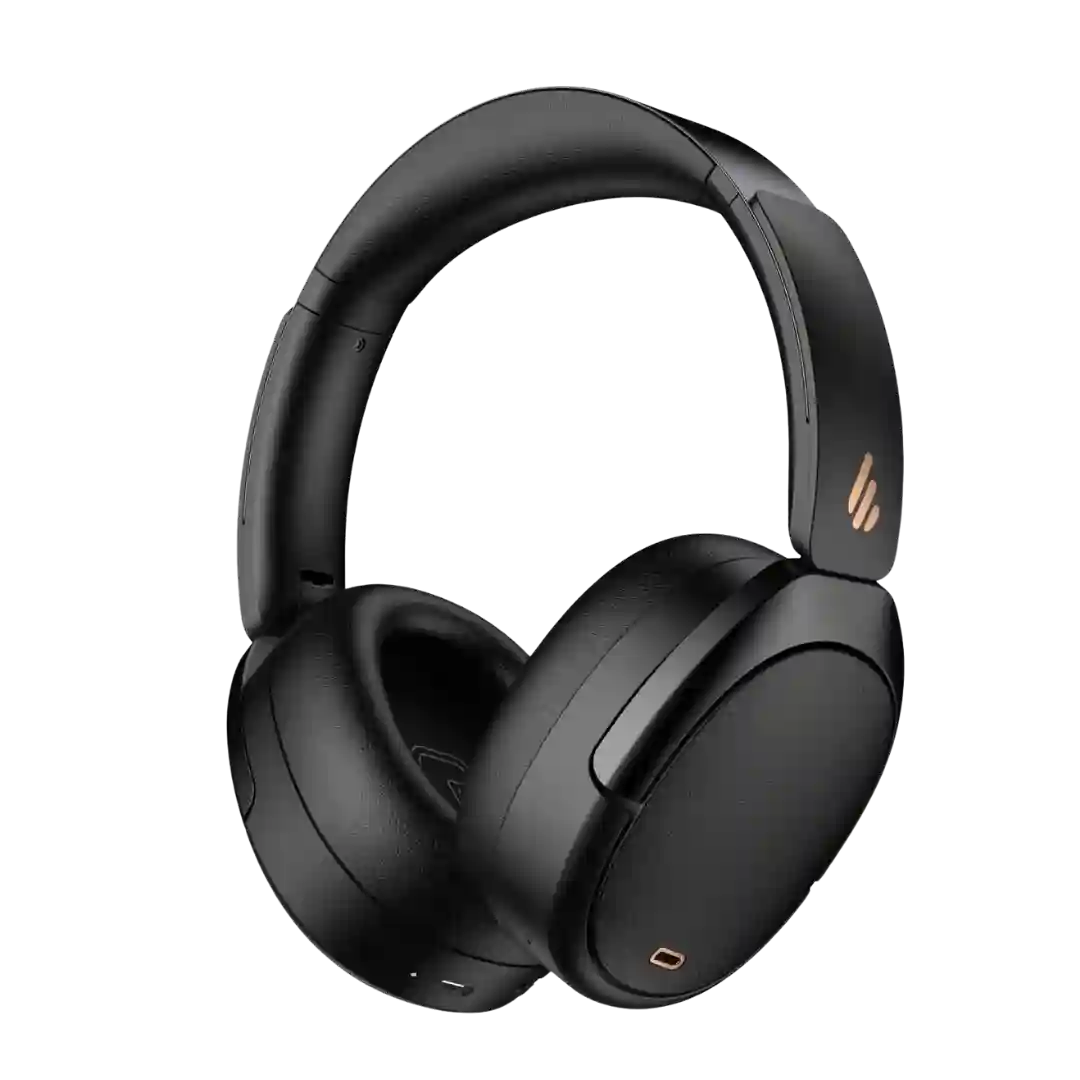
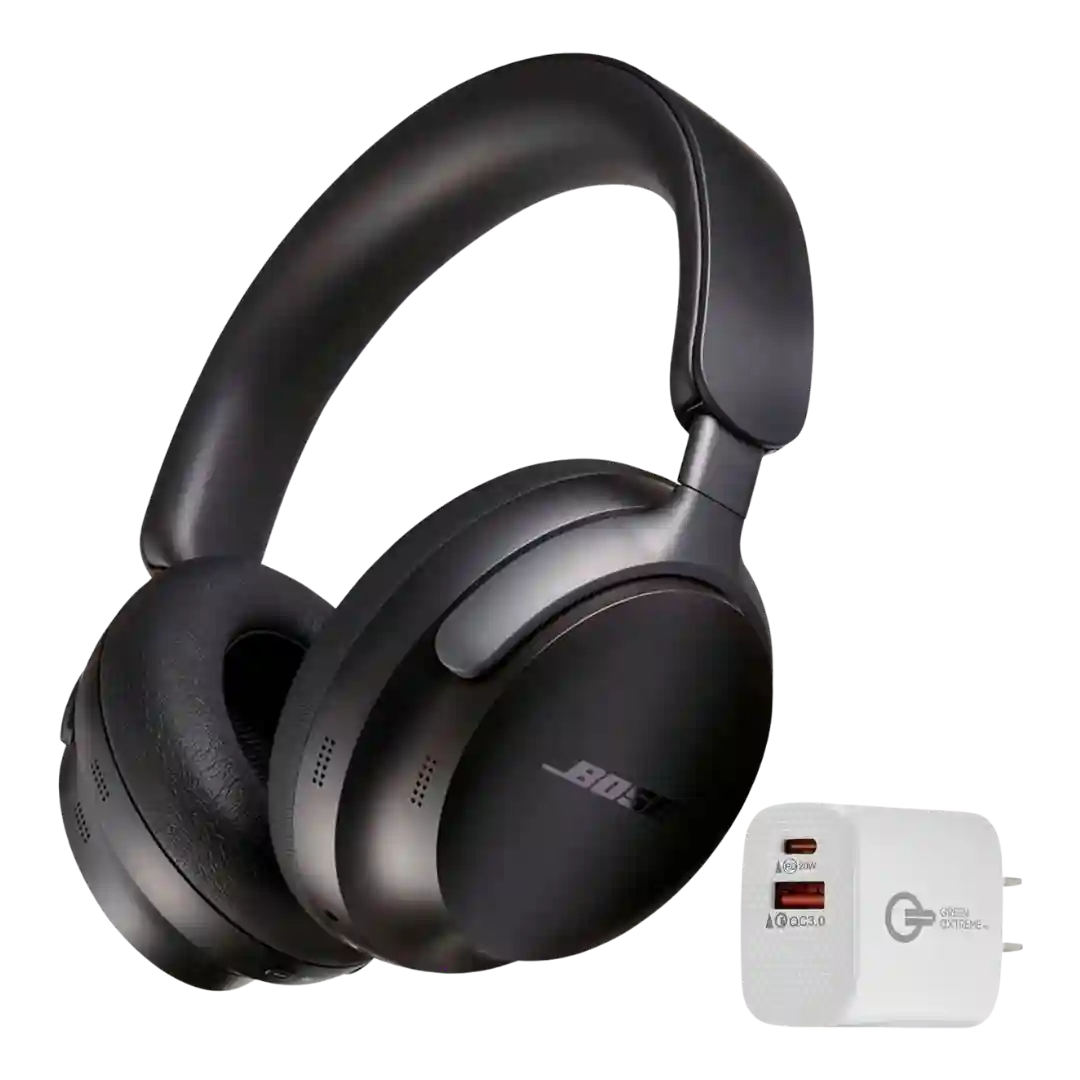
Overall sound quality is commonly rated very good for consumer ANC headphones, but several reviewers argue the default tuning benefits from EQ, and some listeners wanting a more analytical presentation may prefer alternatives. Wired sound can be close to wireless when the headset is powered on, but passive wired listening (powered off) is commonly described as noticeably worse.
Across reviews, sound quality is strong for the price with a warm, Bose-leaning tuning that works well for everyday listening, though it cannot match flagship detail retrieval or realism. Wired listening works as a backup when the headphones are powered off, but several reviewers say it sounds thin or tinny compared with powered wireless use.