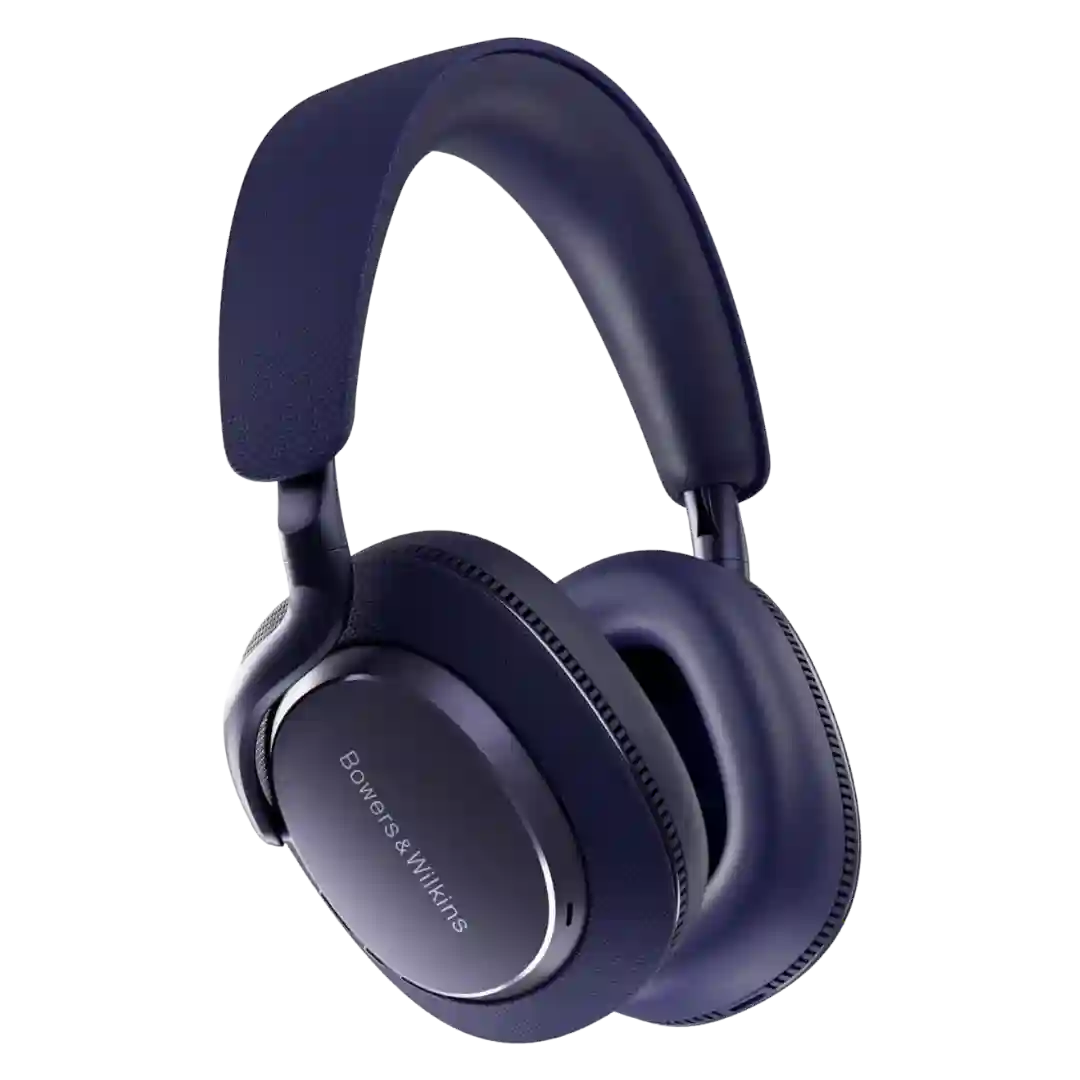
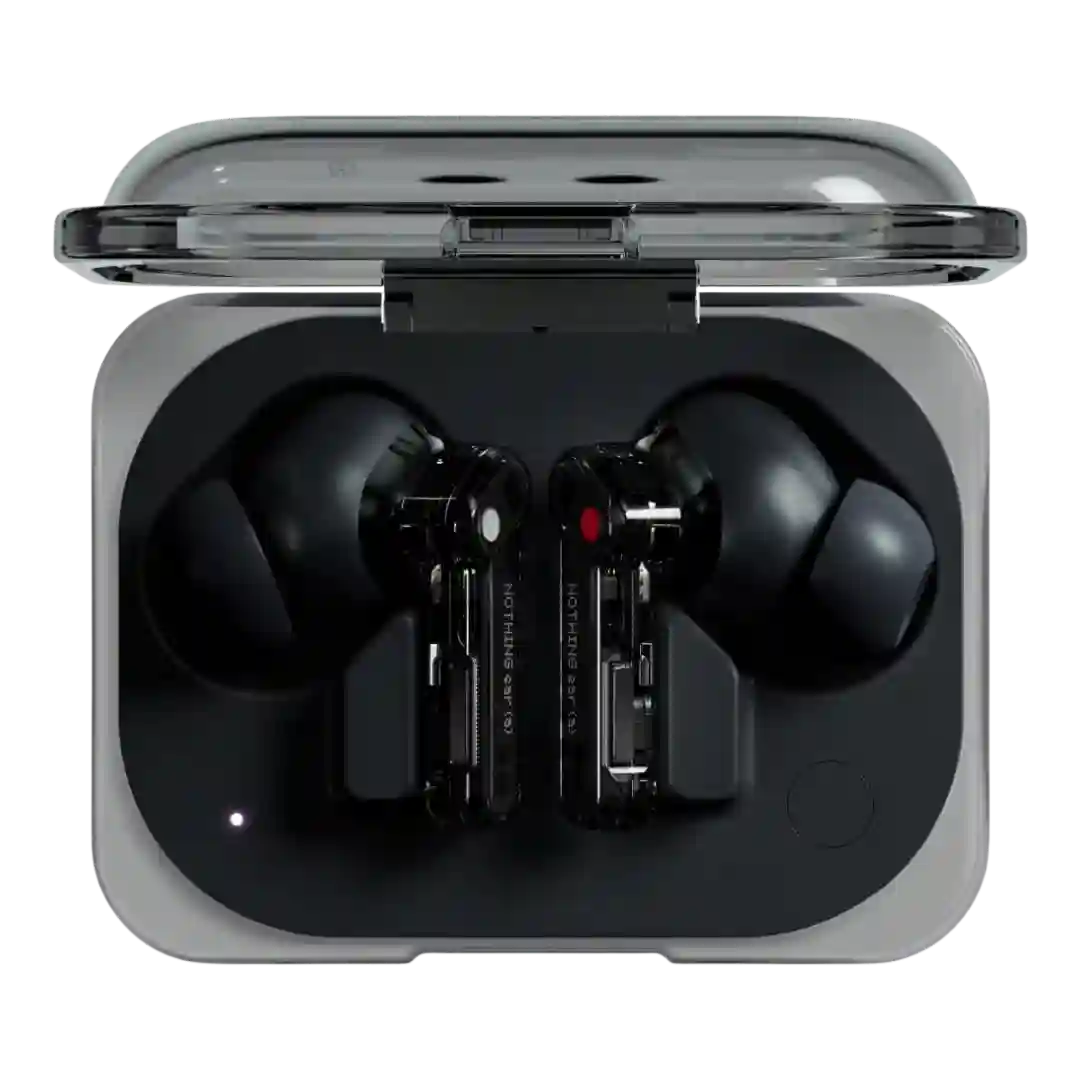
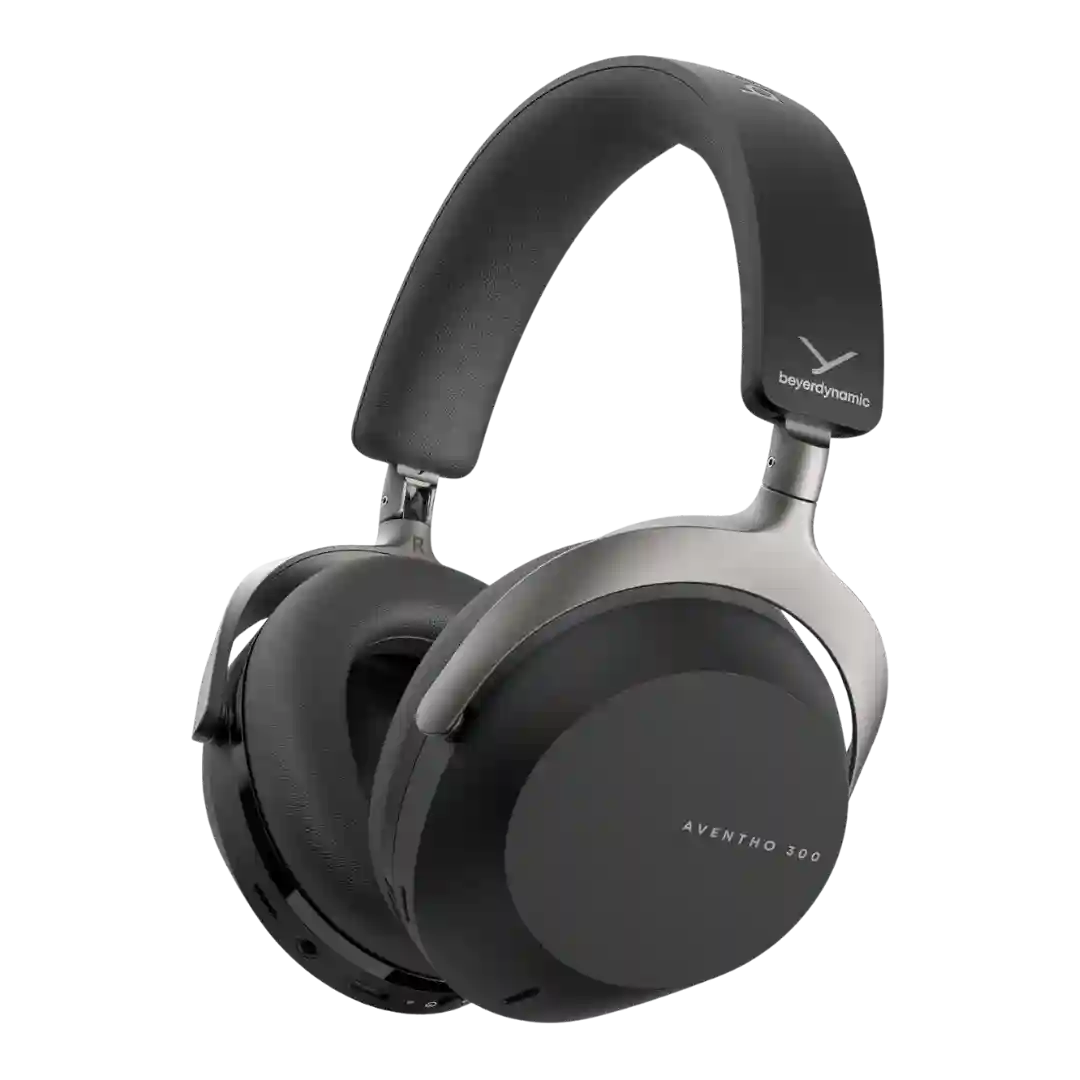
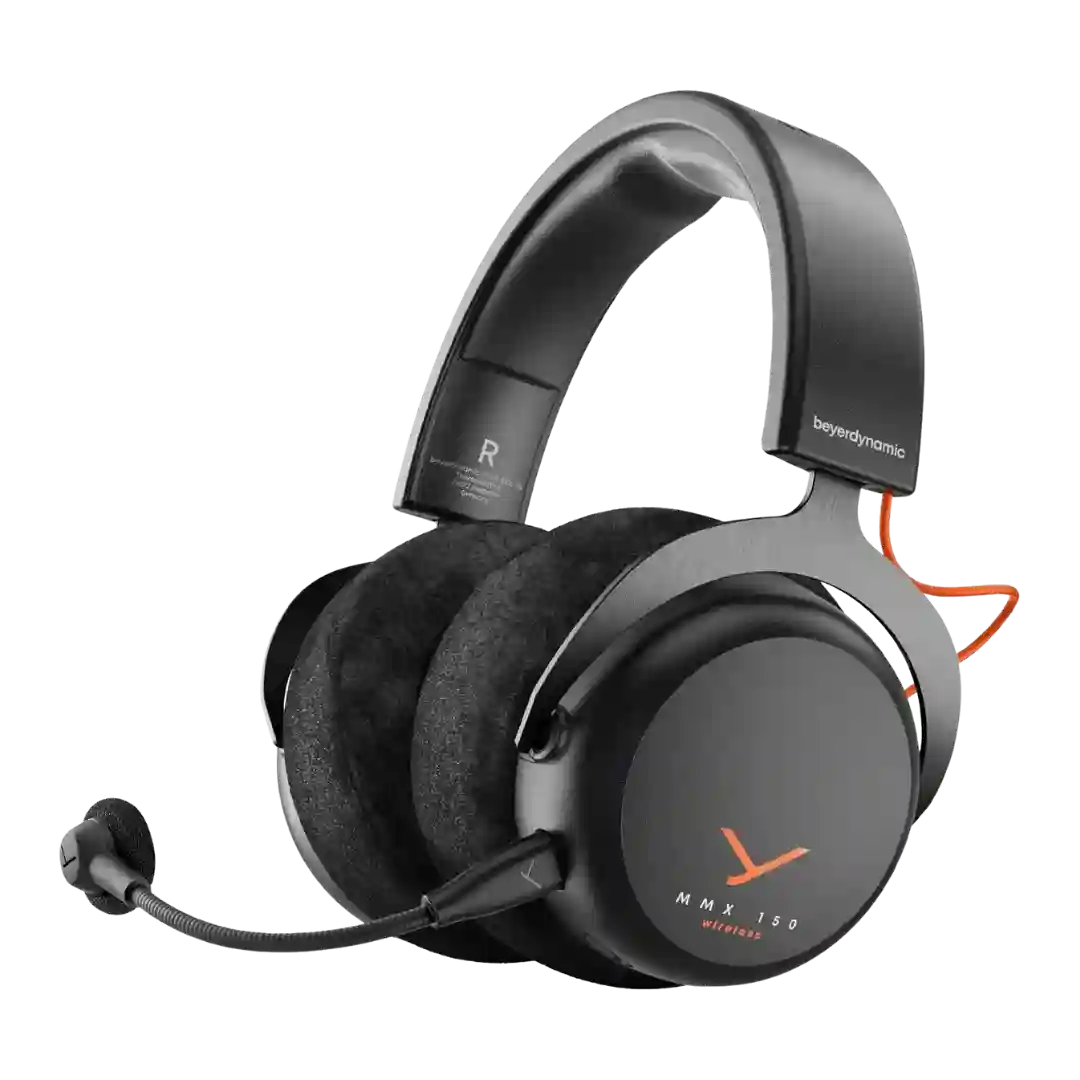
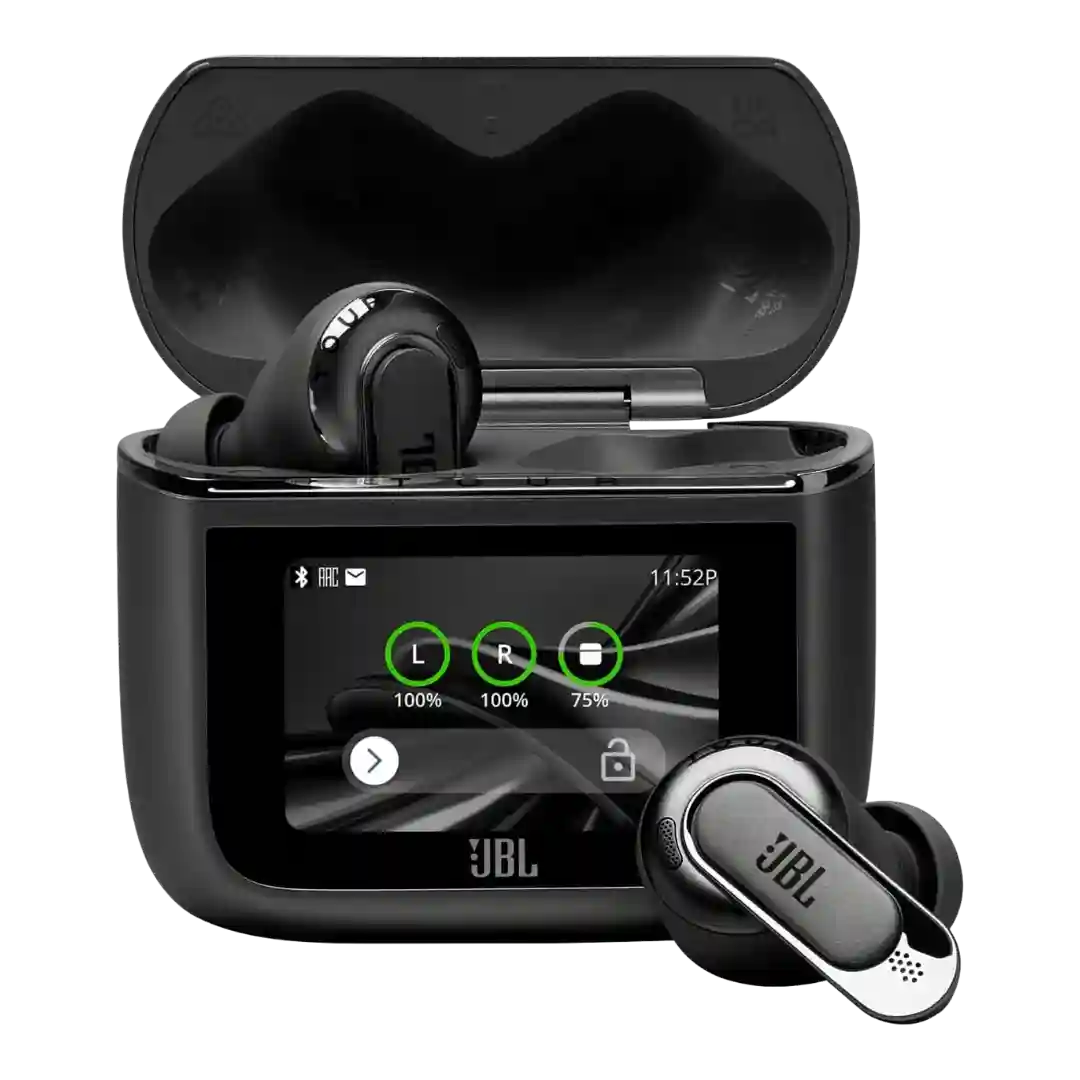
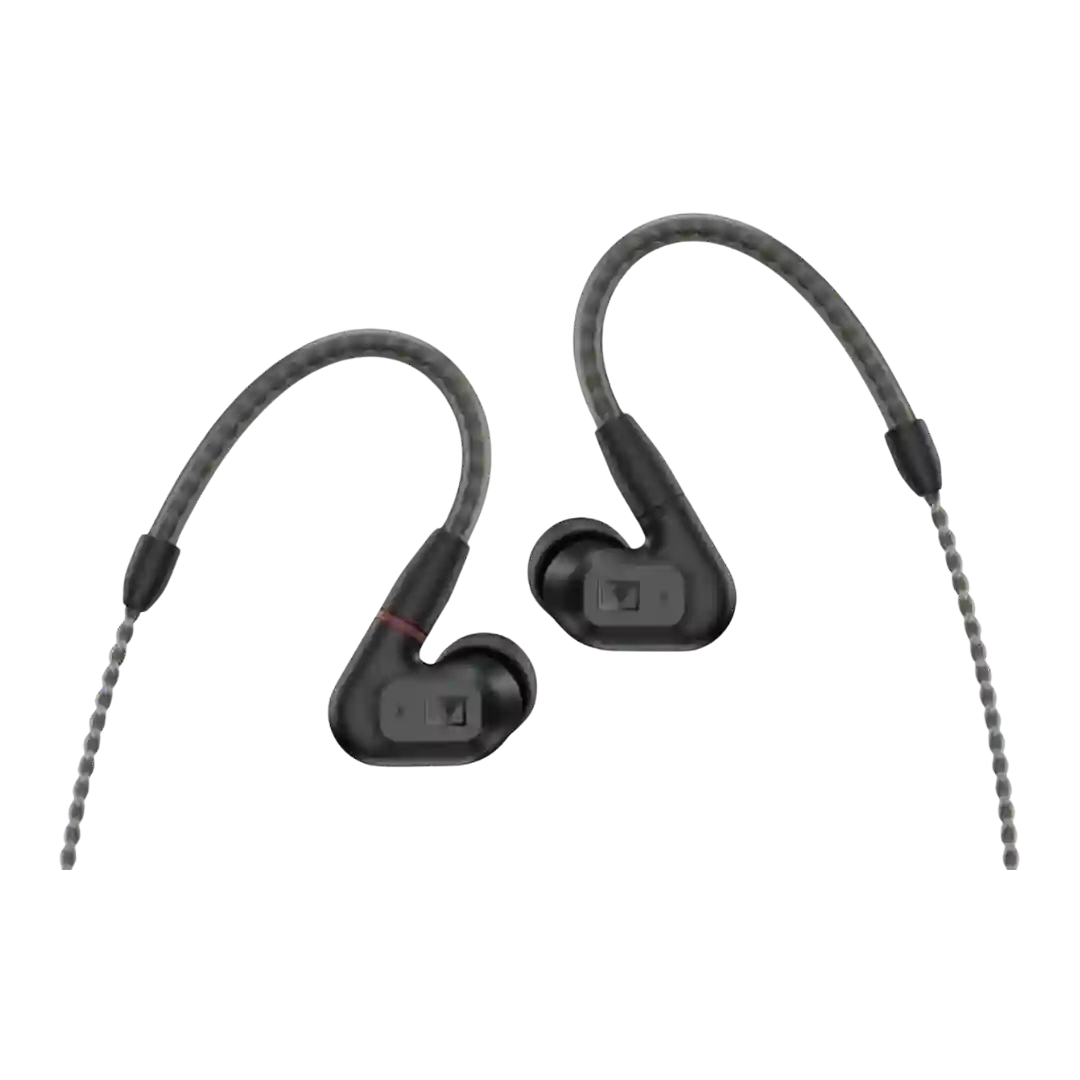
Multiple reviews highlight a wide, layered soundstage with strong imaging that feels natural rather than artificial. Separation and left-right placement are commonly cited strengths.
Soundstage is consistently reported as wide and immersive for true wireless, with a strong sense of space. Some describe it as more expansive than key rivals, while others call it excellent but not the most out-of-head possible.
Soundstage is widely described as unusually wide and open for true wireless, with good spacing; a few reviews note it can feel a bit flatter in depth compared with the very best rivals.
Most reviews describe an unusually open, spacious soundstage for a closed-back wireless headphone, with strong width and credible depth; one reviewer notes it is not stadium-wide but avoids feeling claustrophobic.
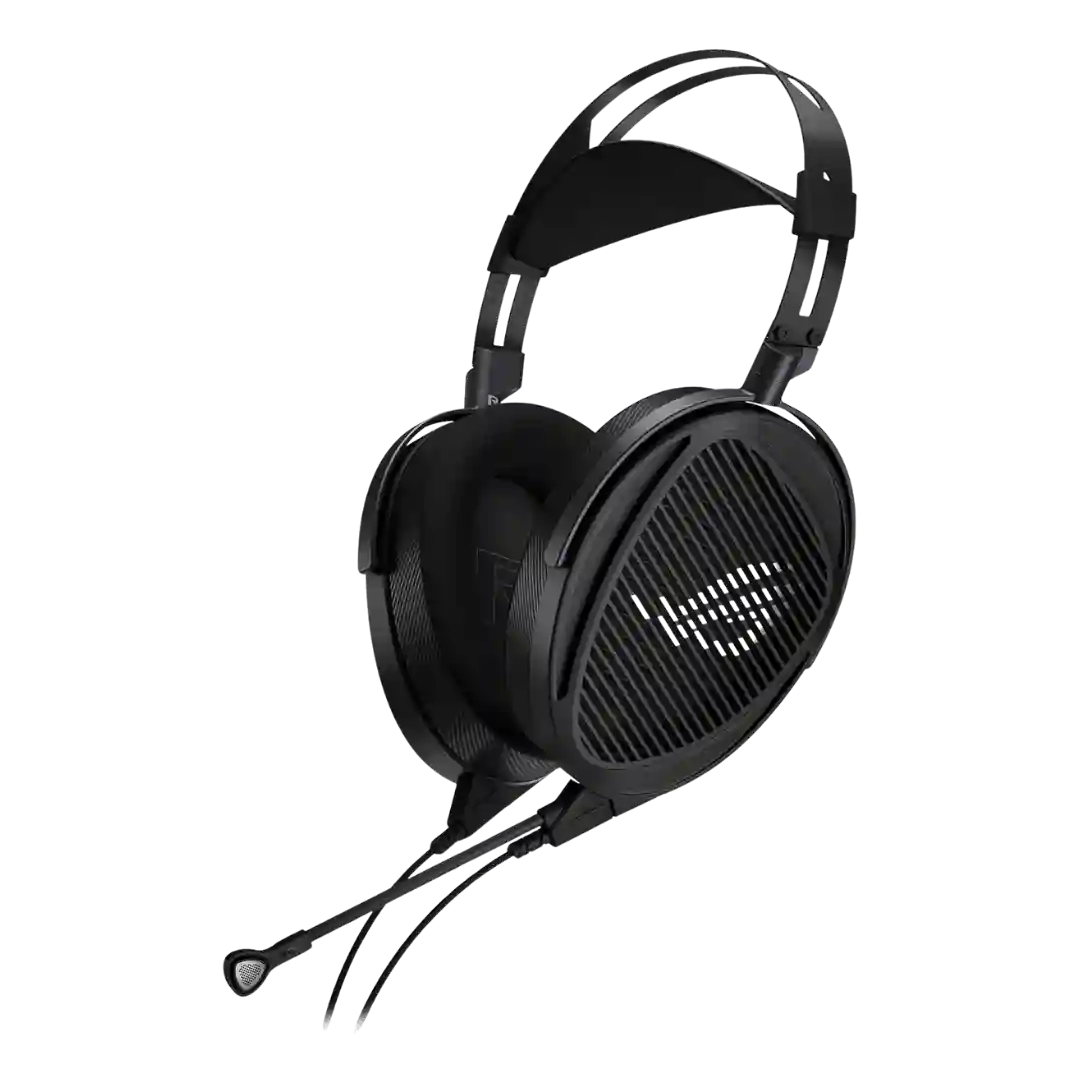
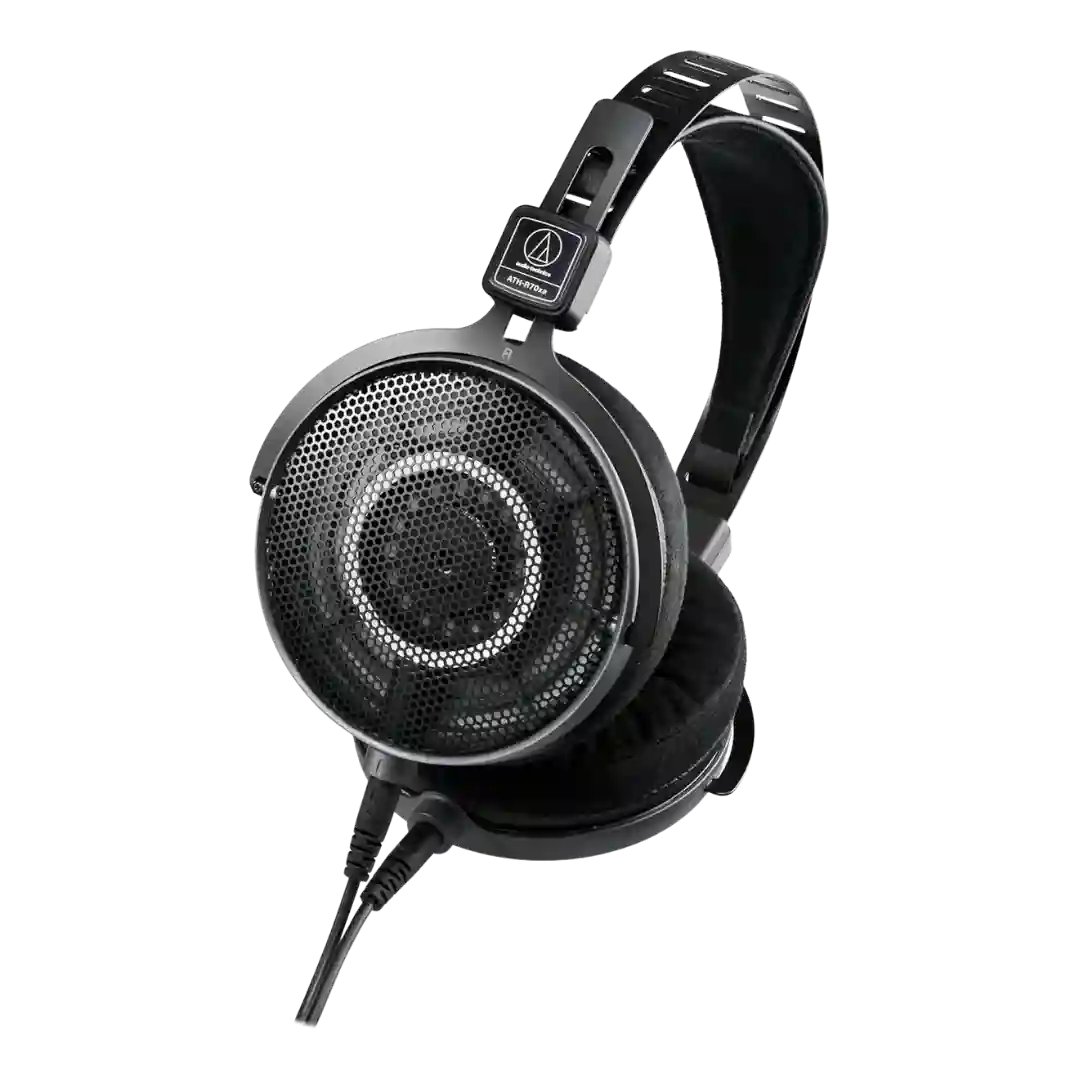
Soundstage is notably wide and airy thanks to the open-back cups, creating a speaker-like sense of space that helps immersion and directional awareness in quiet rooms.
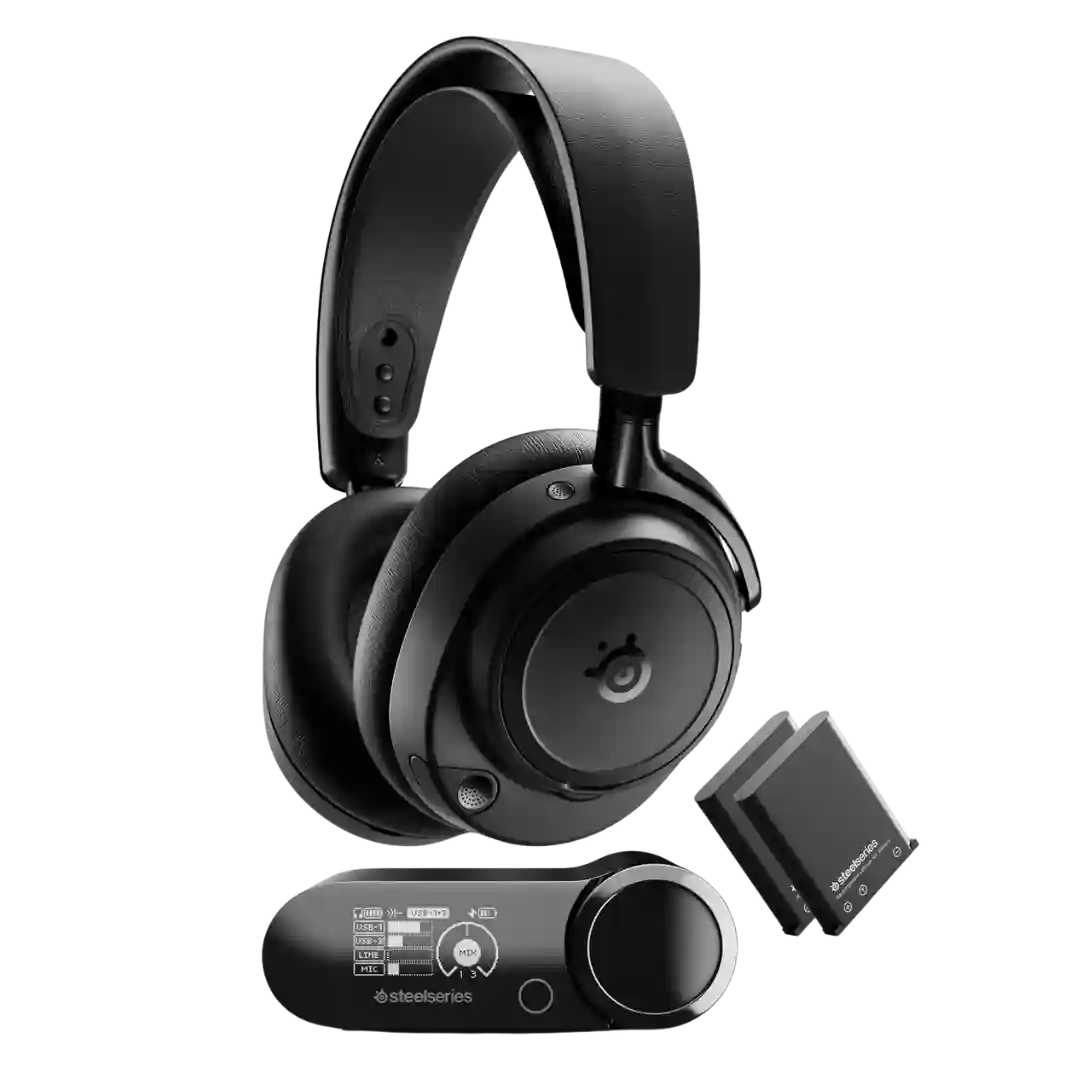
The H3 Wireless creates a roomy enough presentation for strong directional gaming cues. It does not read as ultra-wide or surround-heavy in every review, but imaging and space were consistently praised.
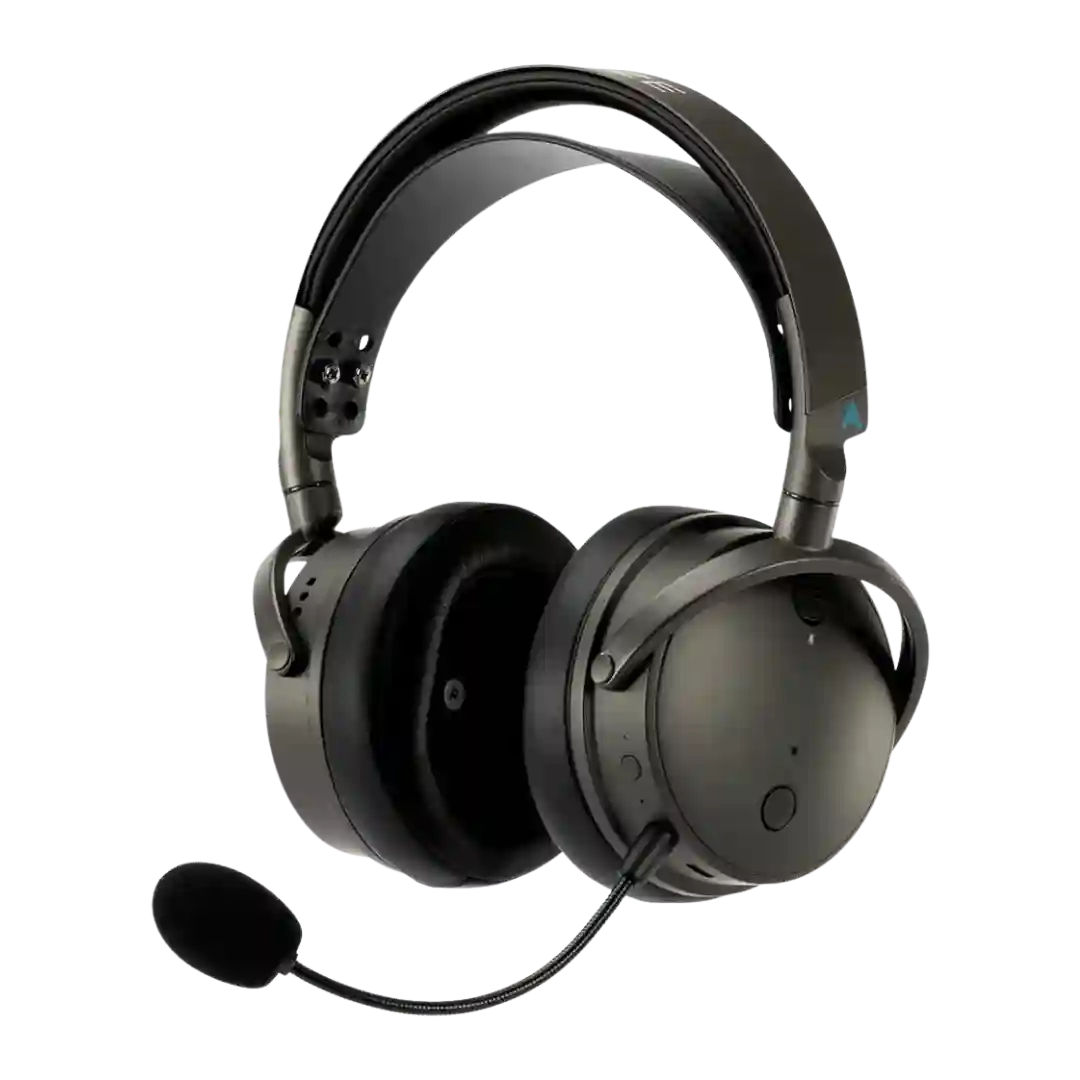
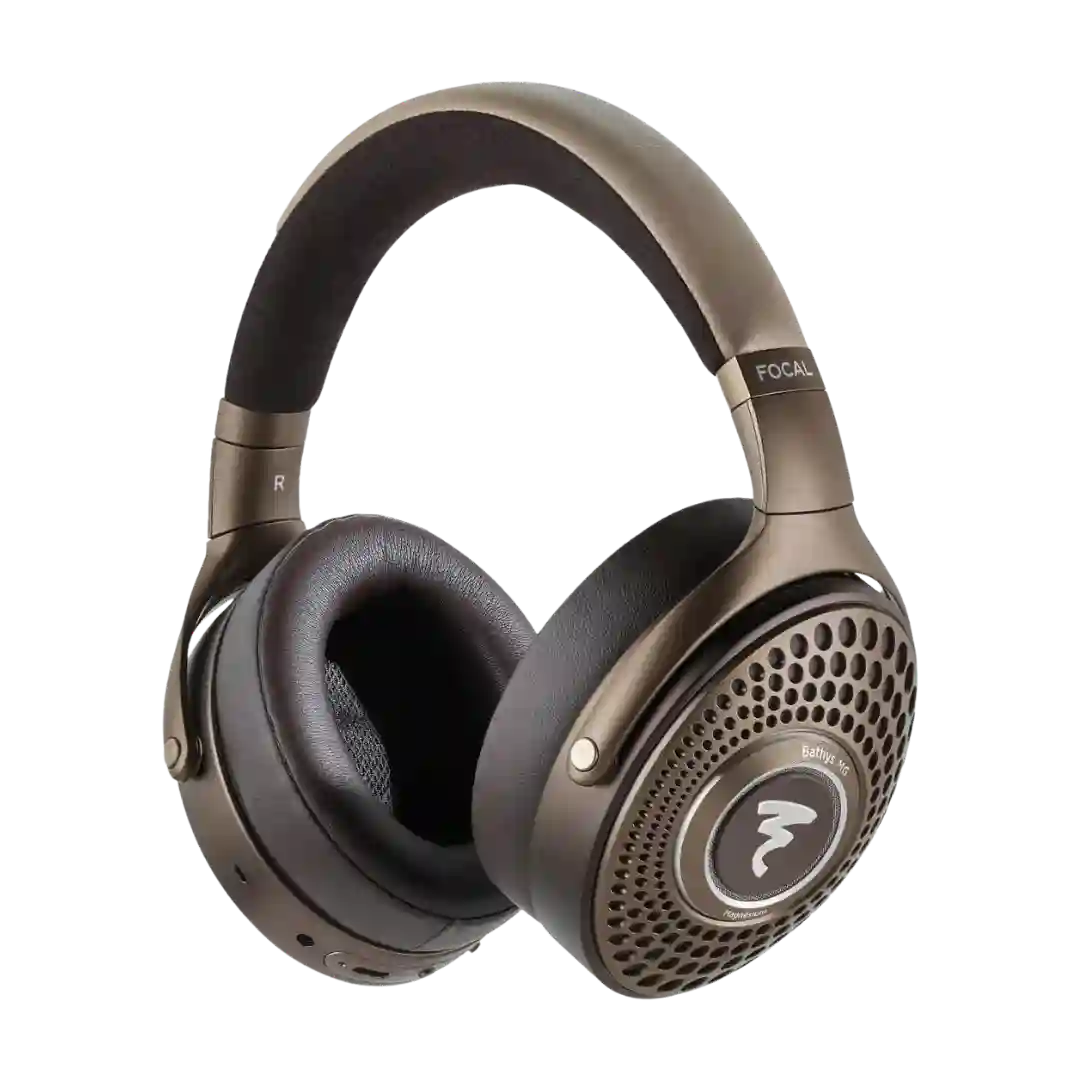
For a closed-back wireless design, the Bathys MG earns unusually strong soundstage marks, with convincing width, layering, and better spatial openness than most ANC rivals.
Many reviews describe a bigger, wider presentation, especially when spatial features are enabled, making movies and big mixes feel more expansive. Perceived width still varies by content and settings.
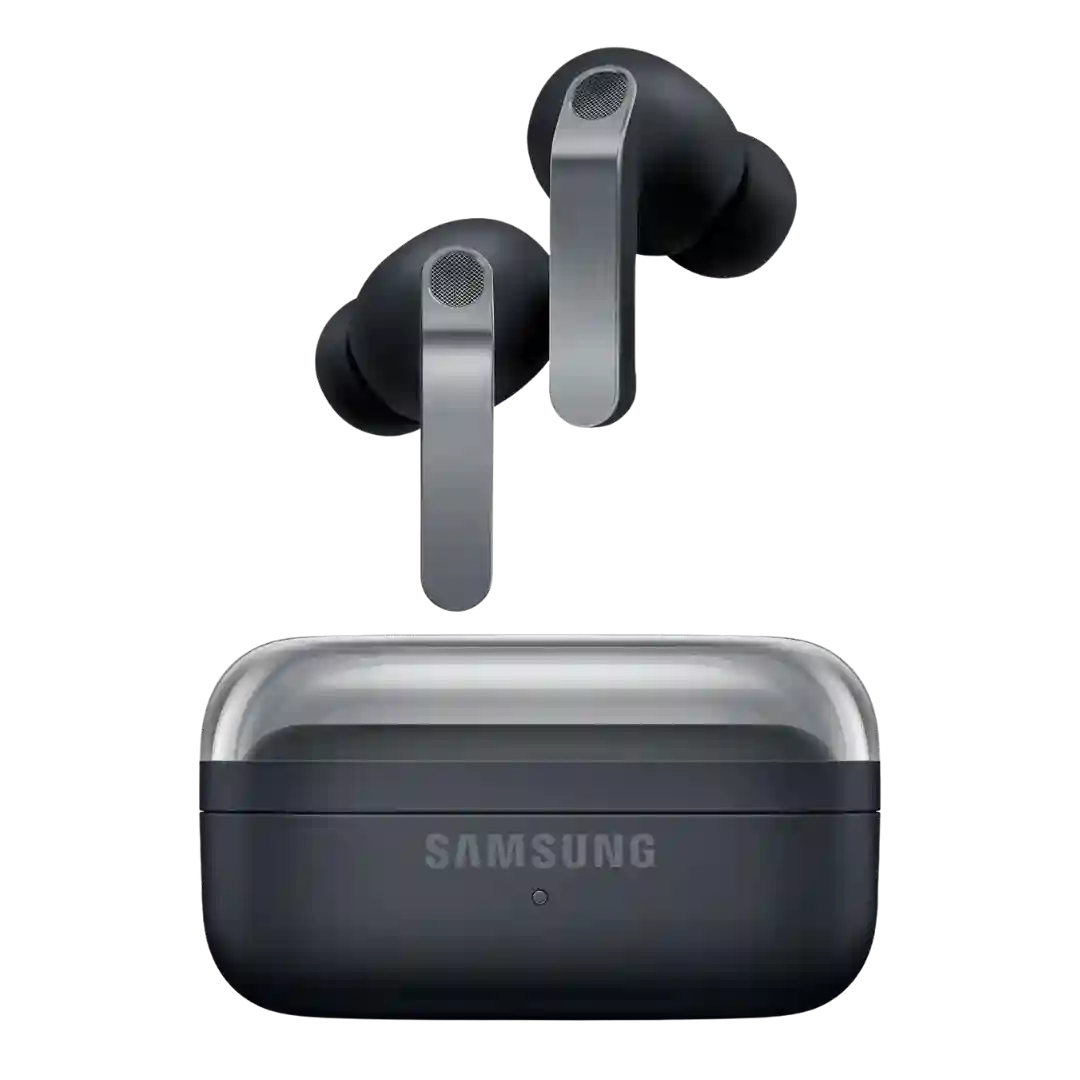
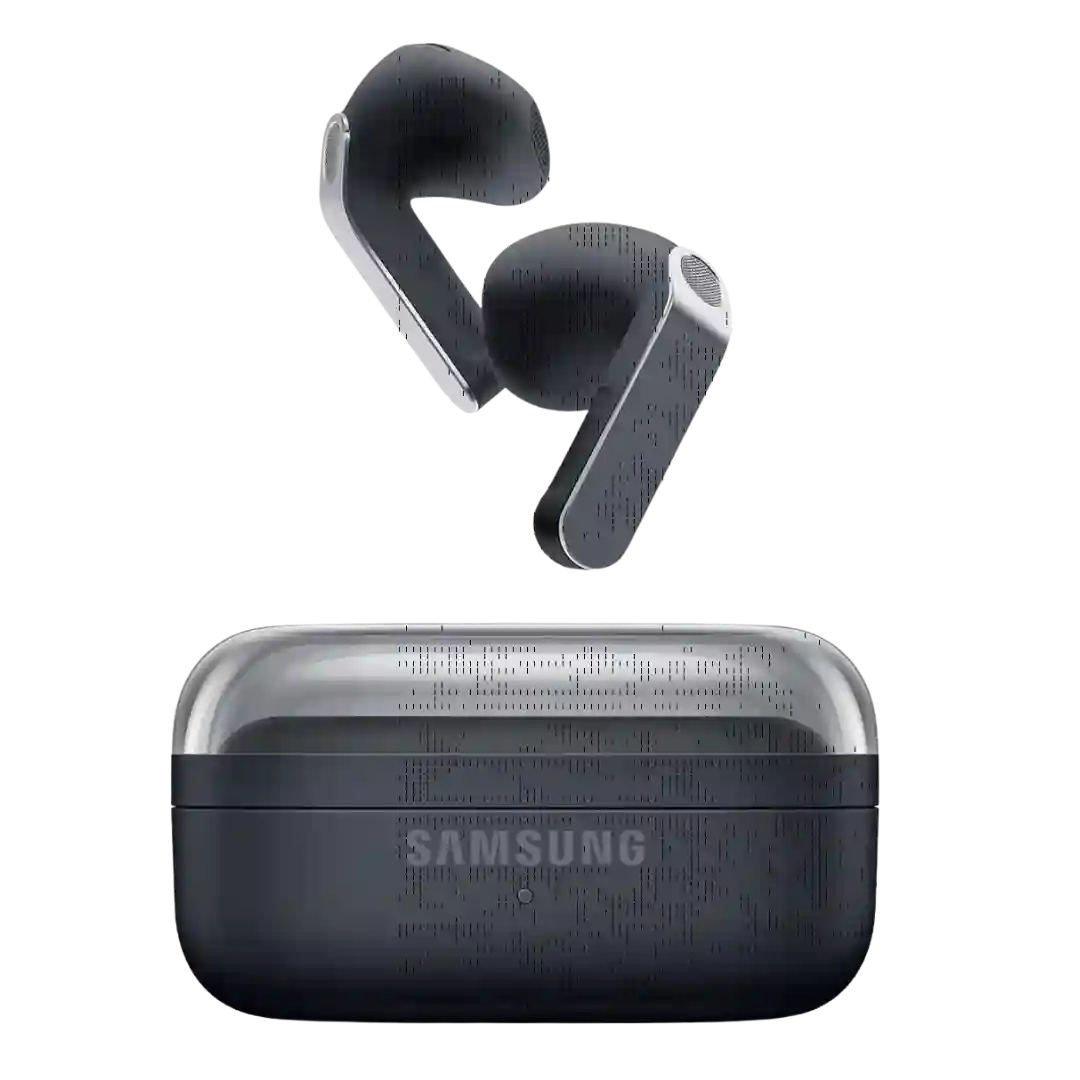
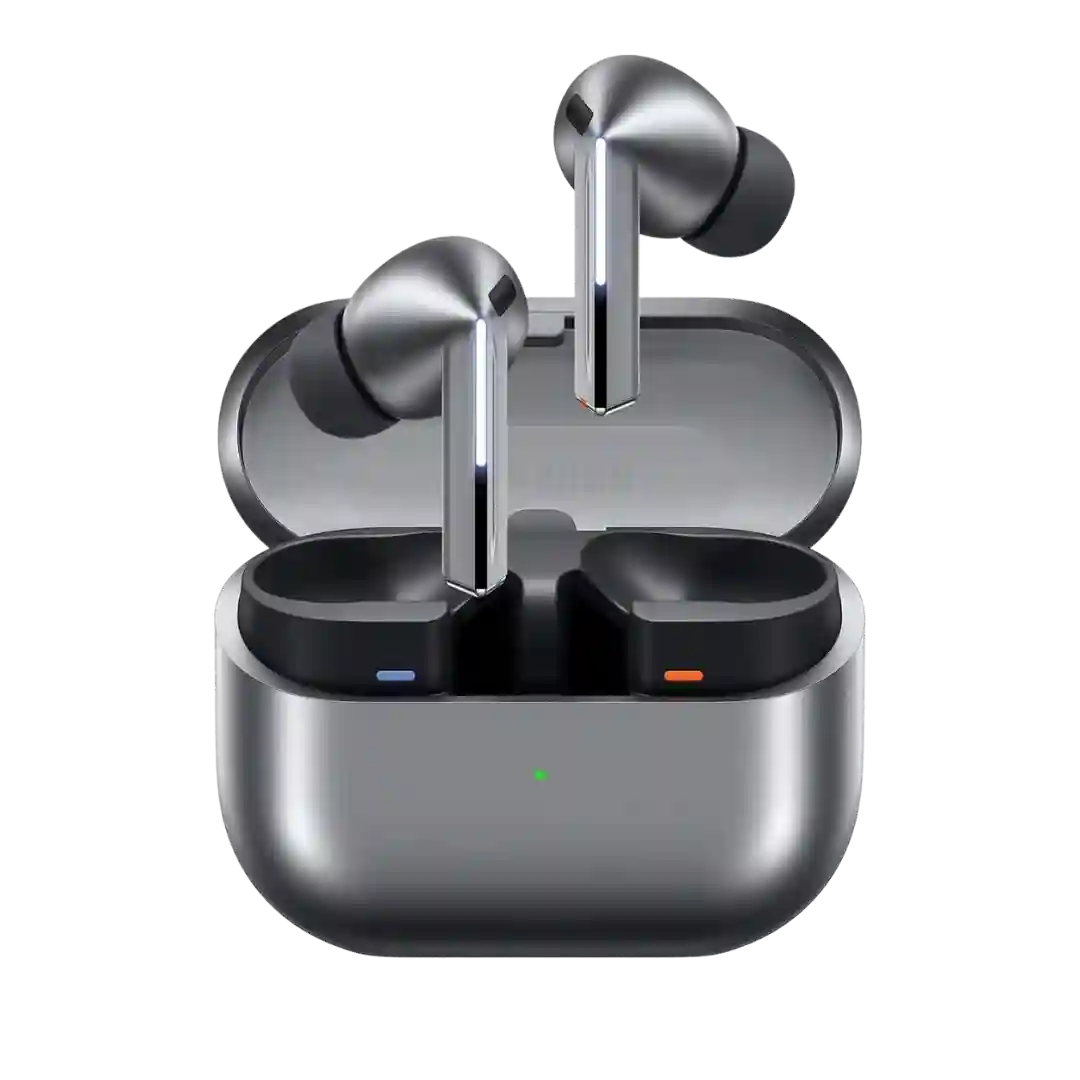
When reviewers commented on staging, they found the presentation surprisingly open and spacious for true wireless earbuds, especially with Samsung's higher-quality audio modes.
For everyday earbuds, the Buds 4 sound fairly open and spacious, especially with higher-quality Galaxy playback modes enabled. They do not sound huge, but they avoid the boxed-in feel common at this tier.
Soundstage is considered roomy for a closed-back wireless, with better depth and separation than Momentum 4; crossfeed and the dongle can change the sense of space. It still cannot match open-backs, and a few listeners describe it as more in-head than speaker-like.
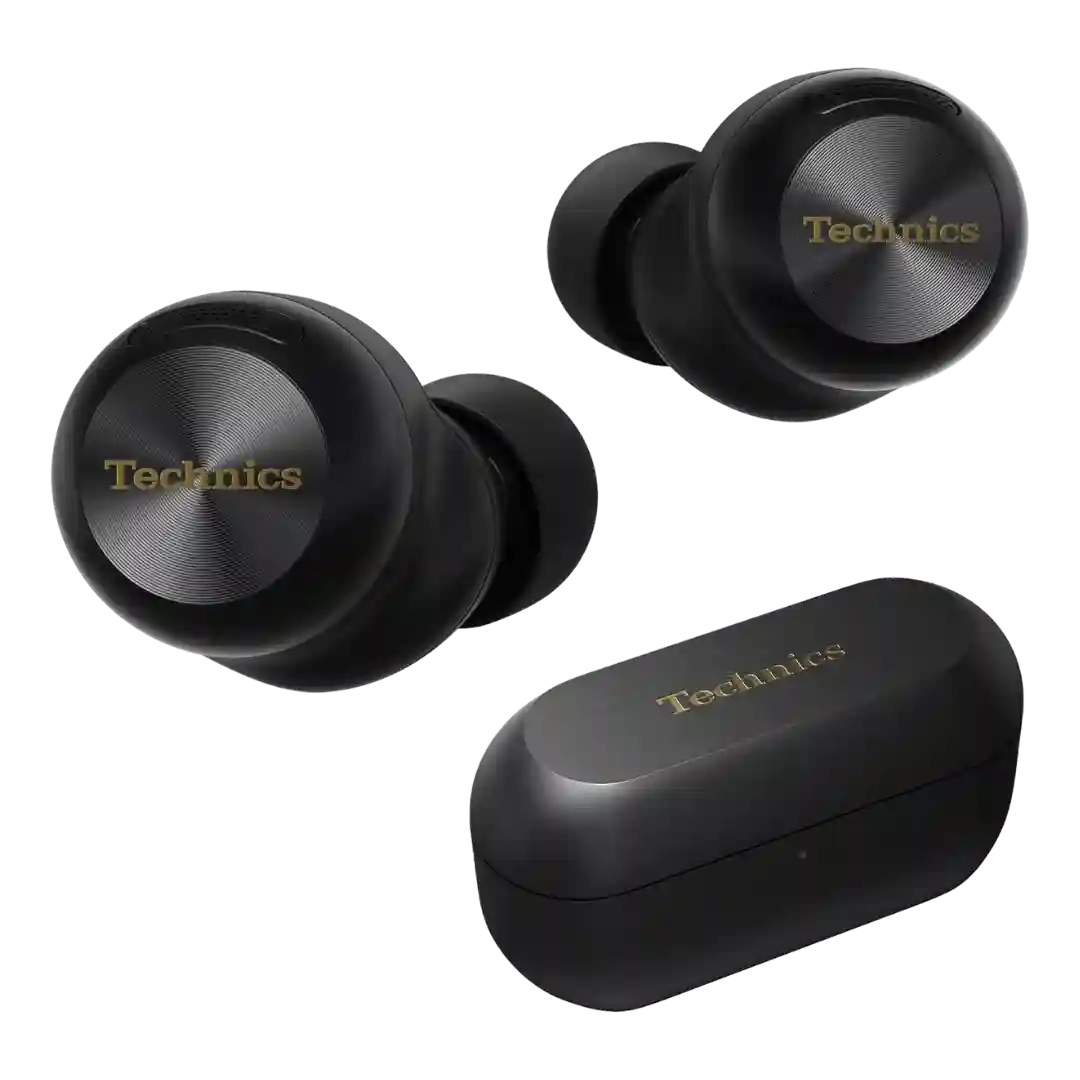
Soundstage width is unusually spacious for in-ears and becomes more enveloping with Spatial Audio features. A repeated caveat is that depth and openness still trail top open-back/over-ear references.
Many reviews describe a wide, immersive stage, though a minority characterize the presentation as more intimate than the widest options in the category.
Most reviewers hear a notably wide, open stage for a closed-back ANC headphone, enhanced further by Spatial Audio; a few call it only average by high-end standards.
Soundstage is often described as open and spacious for a closed-back wireless model, with a few noting it is more compact than deliberately wide-sounding competitors.
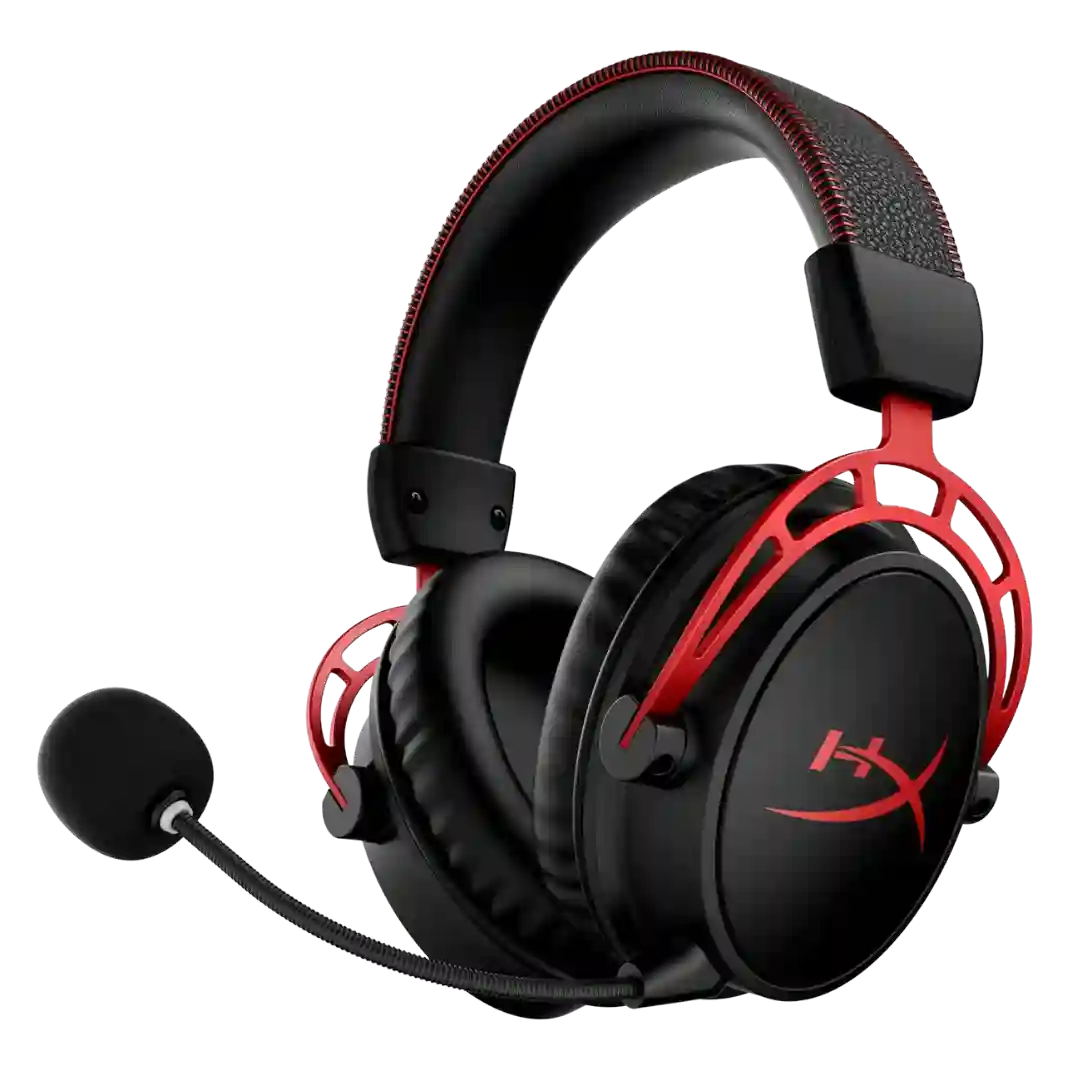
Soundstage is commonly described as wide and immersive for a closed-back gaming headset, helping games feel less cramped and improving directional awareness.
Soundstage is described as spacious and well-layered for a closed-back ANC headphone, though not the widest in class. Several reviews frame it as more focused or intimate than some rivals, with strong depth and imaging.
Soundstage is frequently described as wide and immersive, with an enveloping presentation; some report even better clarity and space when listening wired over USB-C.
Several reviews note a pleasantly wide, open soundstage for the price, with decent separation between elements, though not always matching more premium dual-driver models.
Soundstage is generally wide enough to create an immersive, directional gaming presentation, but it is not an expansive open-back style stage. Some reviewers say ANC can make the presentation feel more closed-in, and a few call the stage relatively tight for music.
Soundstage is commonly described as roomy and spacious for earbuds, with immersive modes able to expand the sense of space further (sometimes with tonal side effects).
Soundstage benefits from Yamaha’s Sound Field processing, with Music mode especially adding air and space; WL500 descriptions also mention a more three-dimensional, semi-open presentation.
Soundstage is usually described as wide enough for an immersive feel, but depth can be limited and some tests describe the stage as more inside-the-cups than truly expansive.
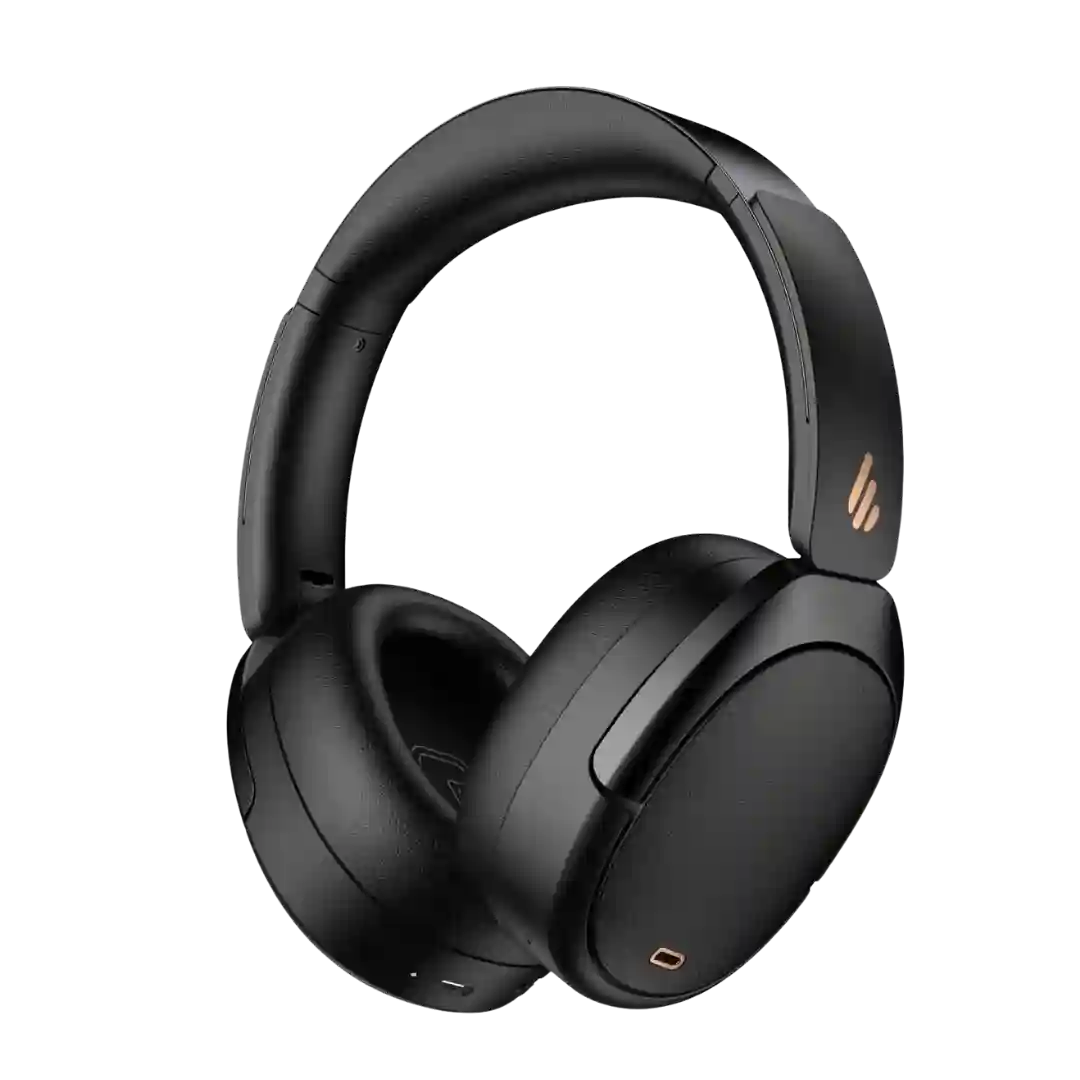
When reviewers discuss space, they usually describe the E1000 as wider-sounding than expected for the class, especially with surround processing engaged.
Soundstage is commonly described as wider than expected for sealed in-ears, with good left-right spread. Spatial processing can make it feel larger still, though the perceived benefit varies by listener and content.
The stage is unusually spacious for the price, often described as wide and sometimes tall, though depth and layering are less impressive than on pricier IEMs.