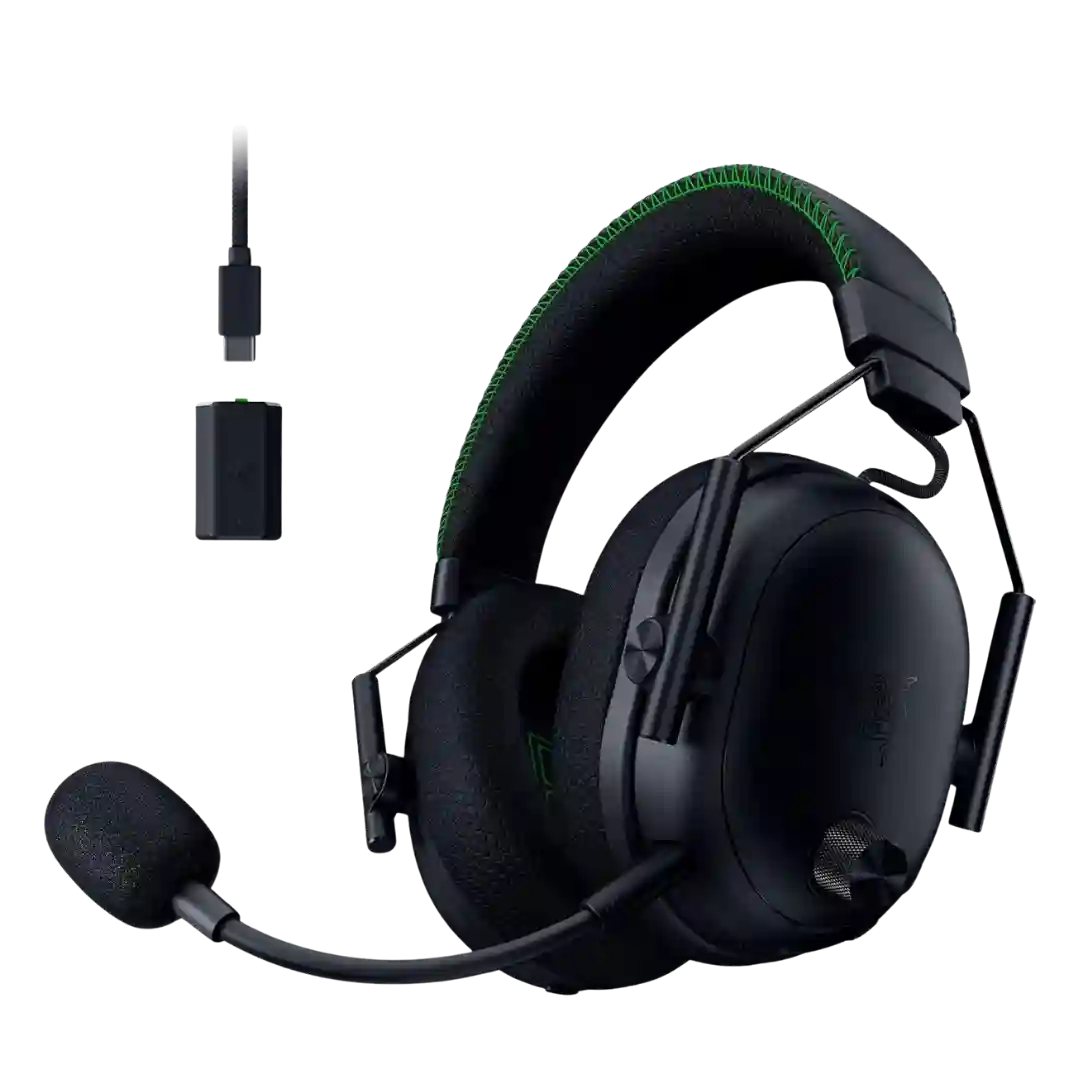
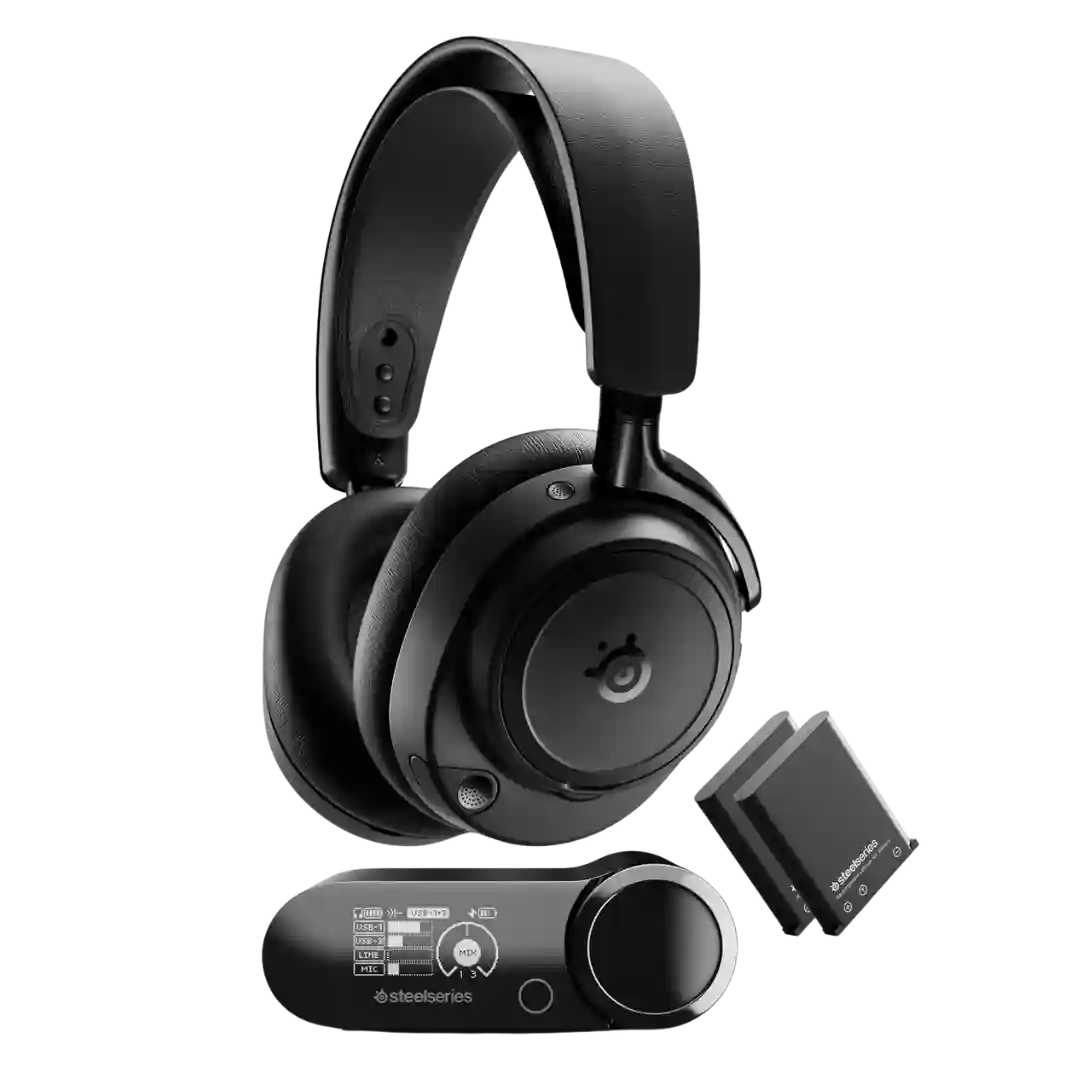
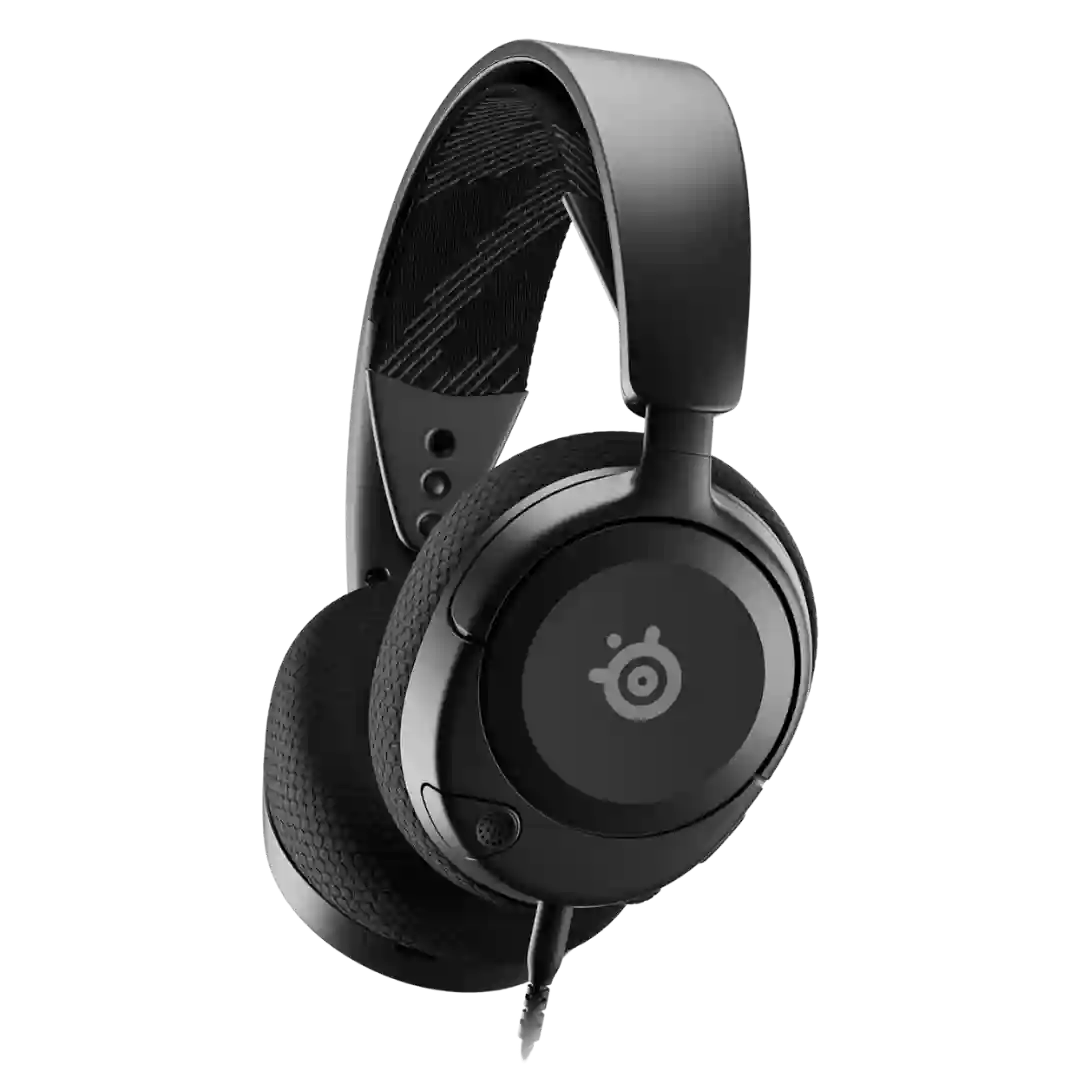
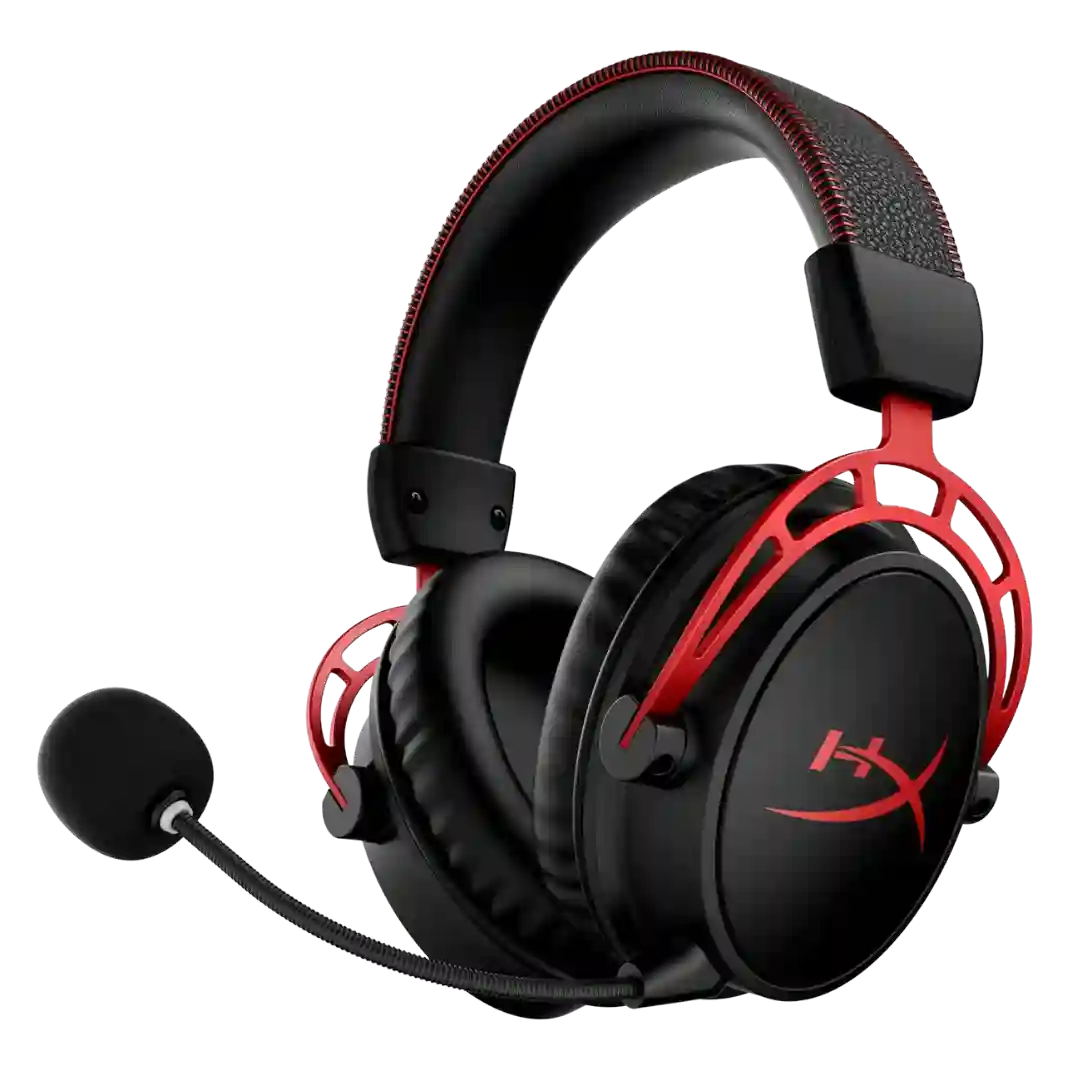
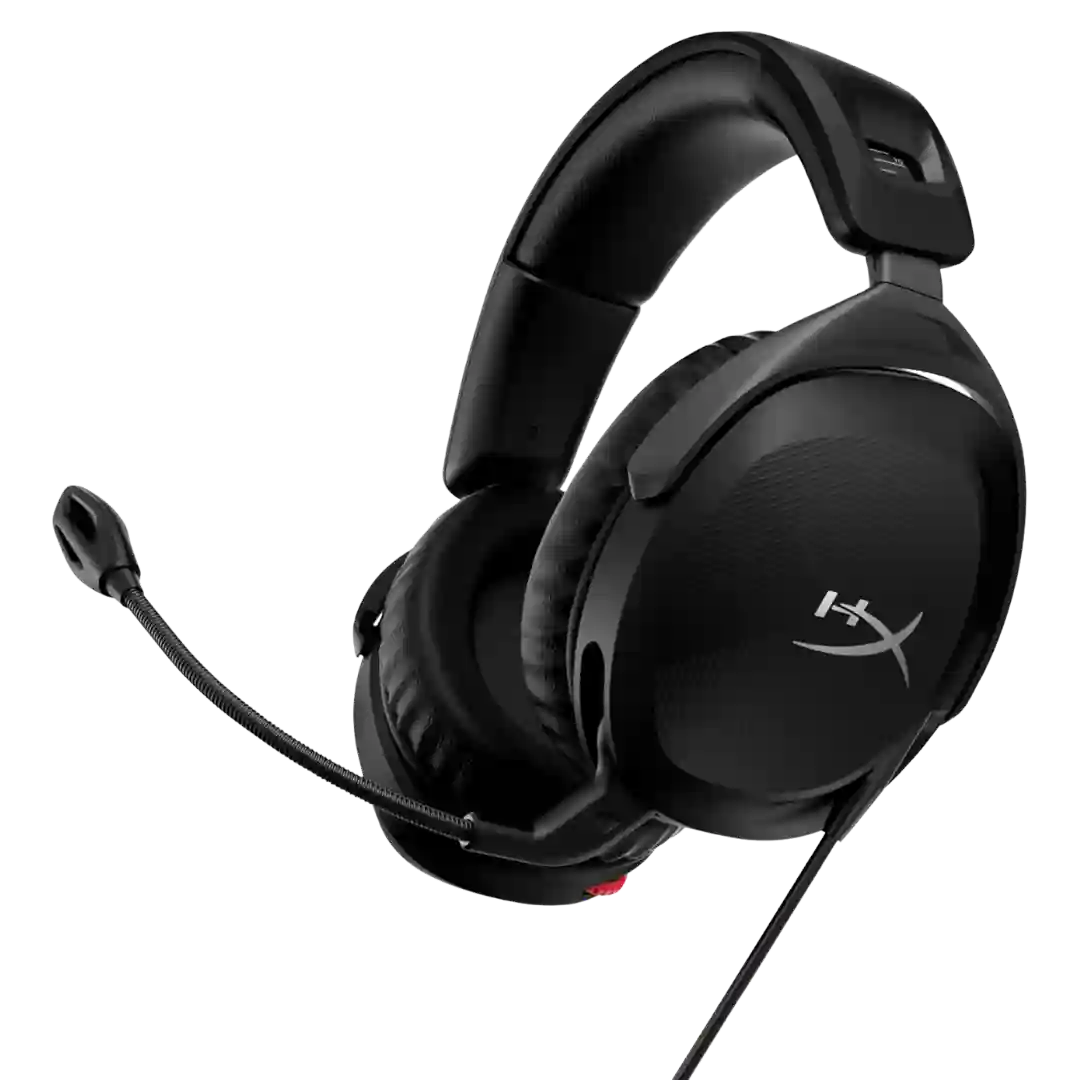
Spatial audio is frequently praised for convincing directionality and improved immersion, with support for common platform surround options and Sonar processing on PC. Competitive players like the imaging, while some prefer to dial effects back for pure stereo accuracy.
Spatial audio is frequently praised for movies and immersive content, with head tracking adding convincing placement. Spatial music remains more polarizing, with some preferring it turned off.
Spatial Audio with head tracking is regularly called a highlight for movies and supported music, though preferences vary and some leave it off for stereo purity.
Spatial audio support is frequently highlighted as a real strength for immersion and competitive awareness, especially on PC with THX spatial processing. Some reviewers prefer stereo for music and note certain esports presets may not work simultaneously with spatial modes.
Spatial audio and positional effects are frequently praised as immersive and smooth, leaning more cinematic than razor-sharp esports tuning. A minority of commentary points to weaker precision in some directions, especially behind you.
Spatial and surround effects are one of the stronger gaming positives, especially on PS5 or with PC software, though not every review finds it equally impressive.
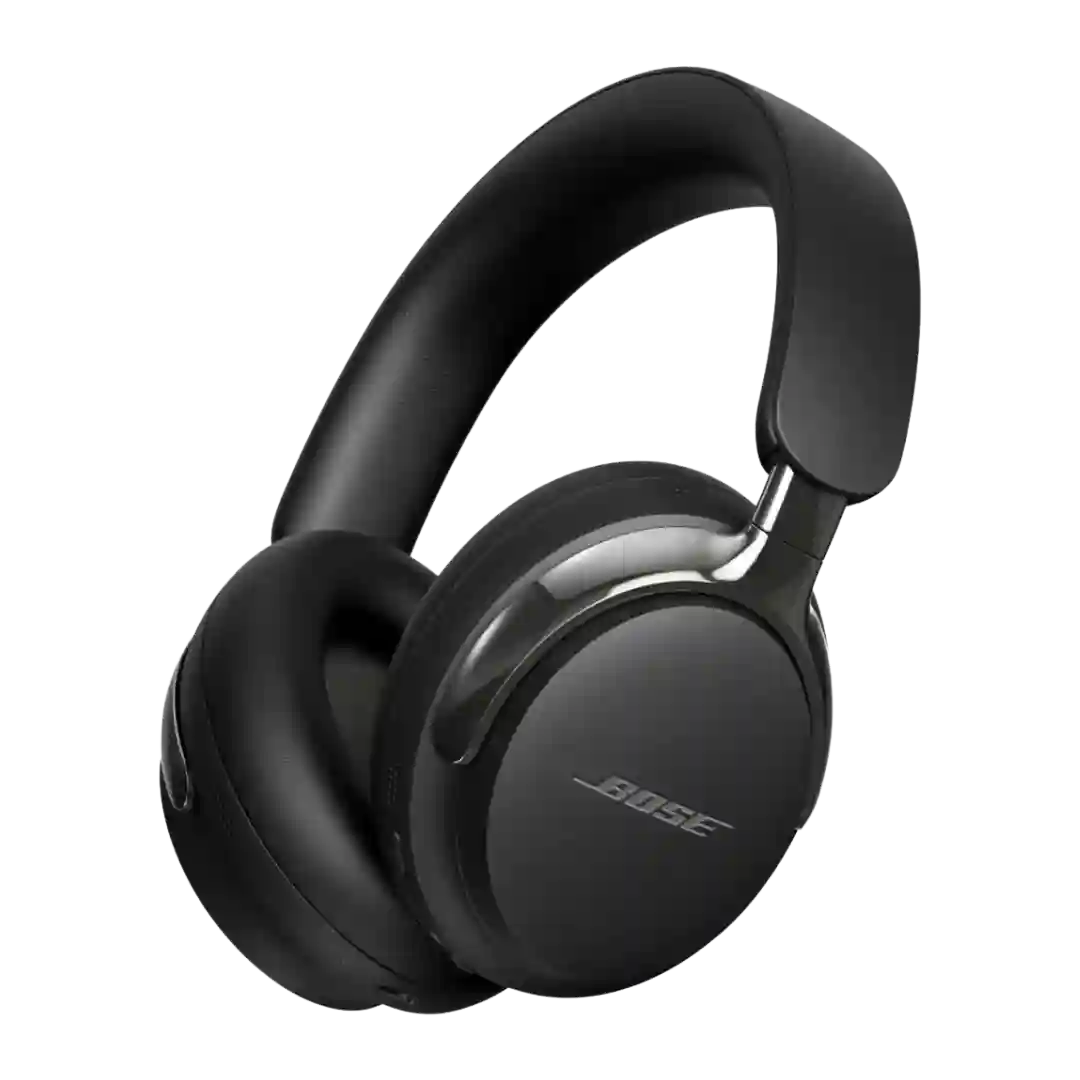
Spatial audio and Dolby Atmos support are widely considered a headline strength, especially for movies and TV, with head tracking adding immersion for many listeners. A minority see it as a gimmick for music, but overall sentiment is strongly positive.
Spatial audio support (notably Dolby Atmos on PC/Xbox and platform-specific 3D processing on PS5) is a key strength, though some note consistency varies across platforms.
Spatial audio features (such as 360 Reality Audio and related processing) are available via the app and compatible services, but value depends on your ecosystem and content sources.
Spatial Audio is frequently called immersive and especially compelling for movies and Apple Music/Atmos content. Opinions split on everyday value: some love the envelopment, while others see it as a gimmick or find personalization finicky.
Spatial rendering and positional accuracy are praised in multiple gaming-focused reviews, with several noting easier footstep and direction tracking in shooters.
Spatial audio here is Yamaha’s Sound Field Cinema/Music processing rather than head-tracked surround; reviews find it convincingly spacious overall, with Cinema mode effectiveness varying by content.
PC-focused spatial features (often Waves 3D) can add useful directionality, though results vary by game and some listeners prefer it off for the cleanest, most natural presentation.
Spatial audio support is included and some reviewers find it impressively immersive, while others report subtle or negligible differences between modes depending on content and platform.
Spatial audio support is robust and often praised, especially with head tracking for movies and immersive listening. Opinion is mixed for music: some love the effect, while others find it changes timbre or feels inconsistent and prefer it off.
Spatial/positional audio support and tuned presets help competitive play, making footsteps and directional cues easier to place, though overall immersion still trails top-tier headsets.
Spatial/immersive audio features are robust and can sound more natural than many implementations, but not everyone prefers the processing, and it typically reduces battery life.
Spatial audio (often with head tracking on Apple devices) is available and generally works well, though not everyone prefers it for music and some note it changes the sound signature.
Spatial audio gets mixed reactions: some find it immersive and bubble-like, while others call it subtle or underwhelming, and it is typically not head-tracked.
Spatial audio support is generally viewed as a worthwhile extra for movies, with head tracking on Apple devices in particular. Some reviewers treat it as a fun novelty, and Android support is often more limited.
Spatial audio is a pleasant bonus rather than a headline feature. Most reviews found it adds width or fullness, but it is not treated as a true premium immersive implementation.
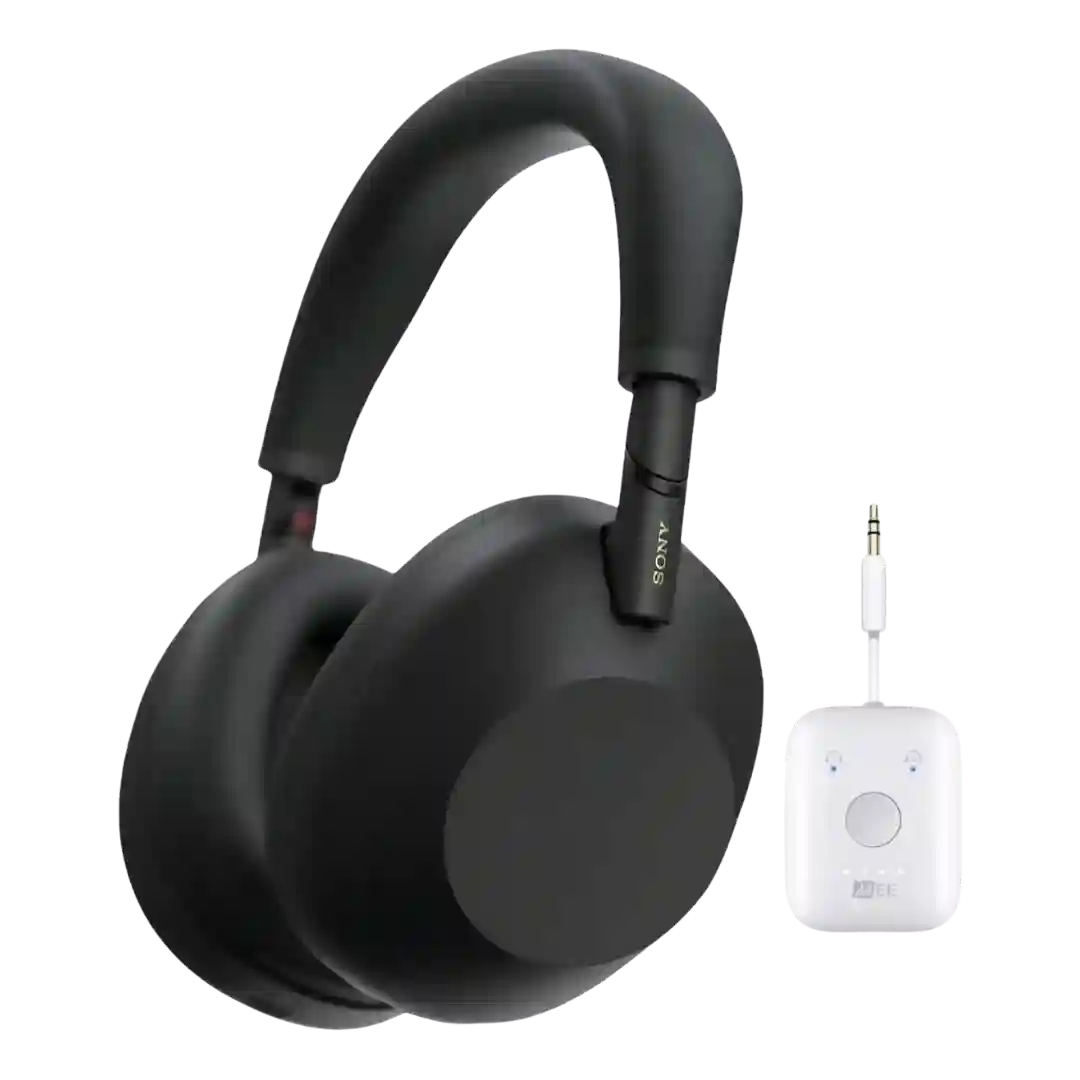
Spatial audio features (Sony 360 Reality Audio and head-tracking in some contexts) are viewed as impressive, yet can be limited by supported services, apps, or platform integration.
Dolby Atmos and head tracking are a major feature: some find the effect subtle and well executed, while others dislike the tonal shift or report jumpy tracking behavior.
Spatial audio support exists via Sony formats and platform-specific options, but availability and streaming-service support are inconsistent. Several reviewers call spatial features secondary to the core strengths of ANC and sound.
Spatial features include virtual surround and Sony 360-style personalization options, plus PS5 3D audio support in some setups. Benefits are mixed: some enjoy wider immersion, while others find the ear-photo personalization process cumbersome or not worth the effort.
Spatial audio support is mixed: upmix and head tracking can be fun for movies, but music support and service availability are inconsistent, and some reviewers find the setup confusing or the results underwhelming.
Immersive/spatial features (including cinema mode) get mixed reactions: some love cinema for clearer dialogue and a bigger movie feel, while others dislike the processing and prefer stereo for music.
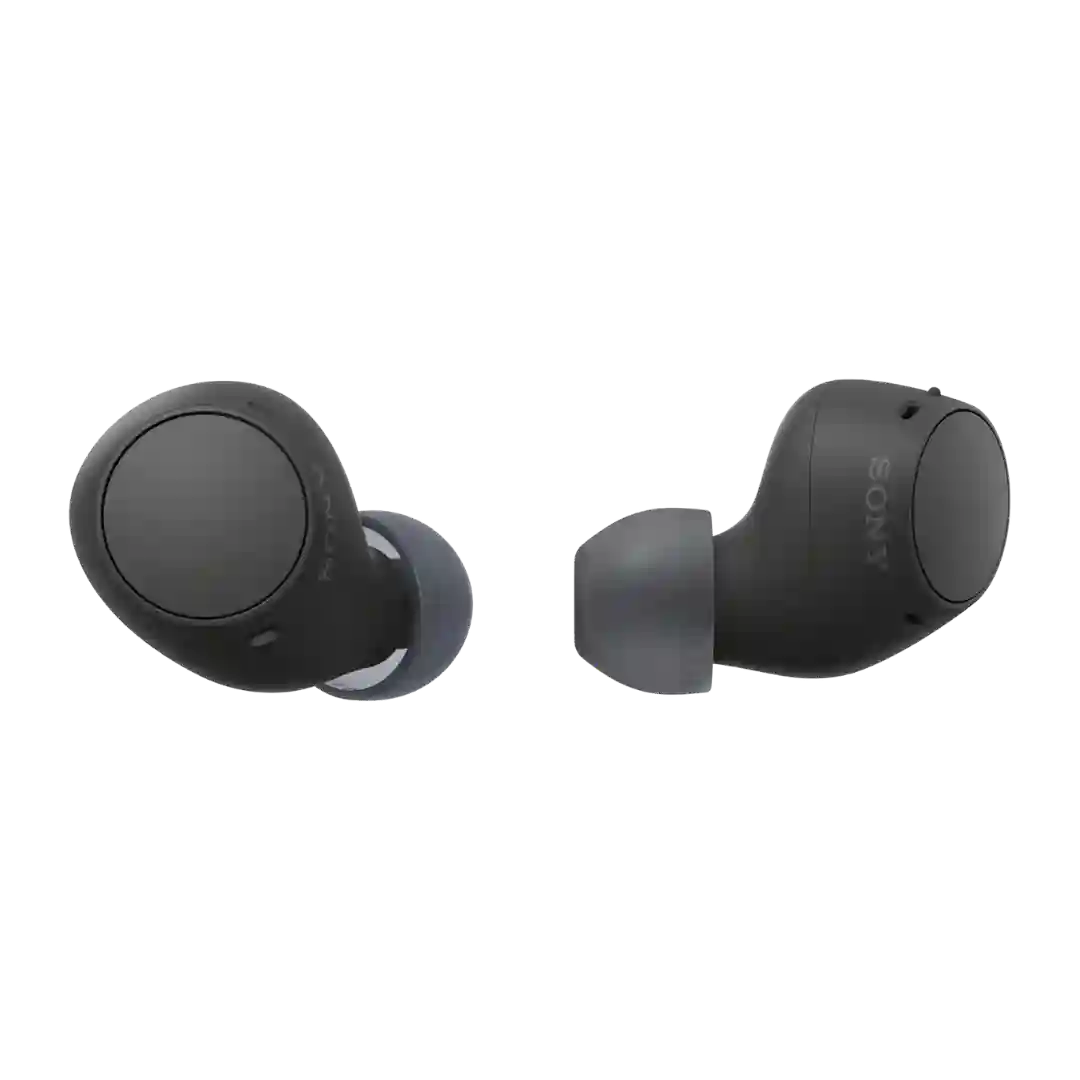
Spatial audio/360 Reality Audio support is a notable bonus for the price. Reviewer reactions vary: some find it immersive for certain content, while others consider it gimmicky or unnatural for music.
Spatial audio is one of the most divisive features, praised by some for head tracking and immersion but criticized by others as gimmicky, scratchy, or unnatural.
Spatial audio is present and sometimes helpful, but reactions are mixed: some found it precise or more immersive, while others found DTS subtle or poor.
Spatial or 3D audio is polarizing: some reviewers find it immersive and a big value add, while others call it underwhelming or artificial, and it may not behave consistently across apps/devices.
Spatial audio is included and often paired with head tracking, but opinions on its usefulness vary widely; several reviews call it mediocre or not worth using for music.
Samsung 360 Audio/spatial features are mentioned as supported, but head tracking is repeatedly noted as missing on the FE. The effect is described as situationally enjoyable but sometimes diluting sound on music.
Soundstage/spatial processing is a fun extra with adjustable room feel, but most agree it is not true immersive spatial audio and can sound synthetic on some tracks.
Spatial audio support exists, but it is commonly limited versus the Pro model (often no head tracking) and may be restricted to certain Pixel devices, making it a nice extra rather than a must-have.
Spatial audio is present in the app, but is often described as mediocre or best left off due to sound-quality tradeoffs; a minority find it a fun extra for movies.