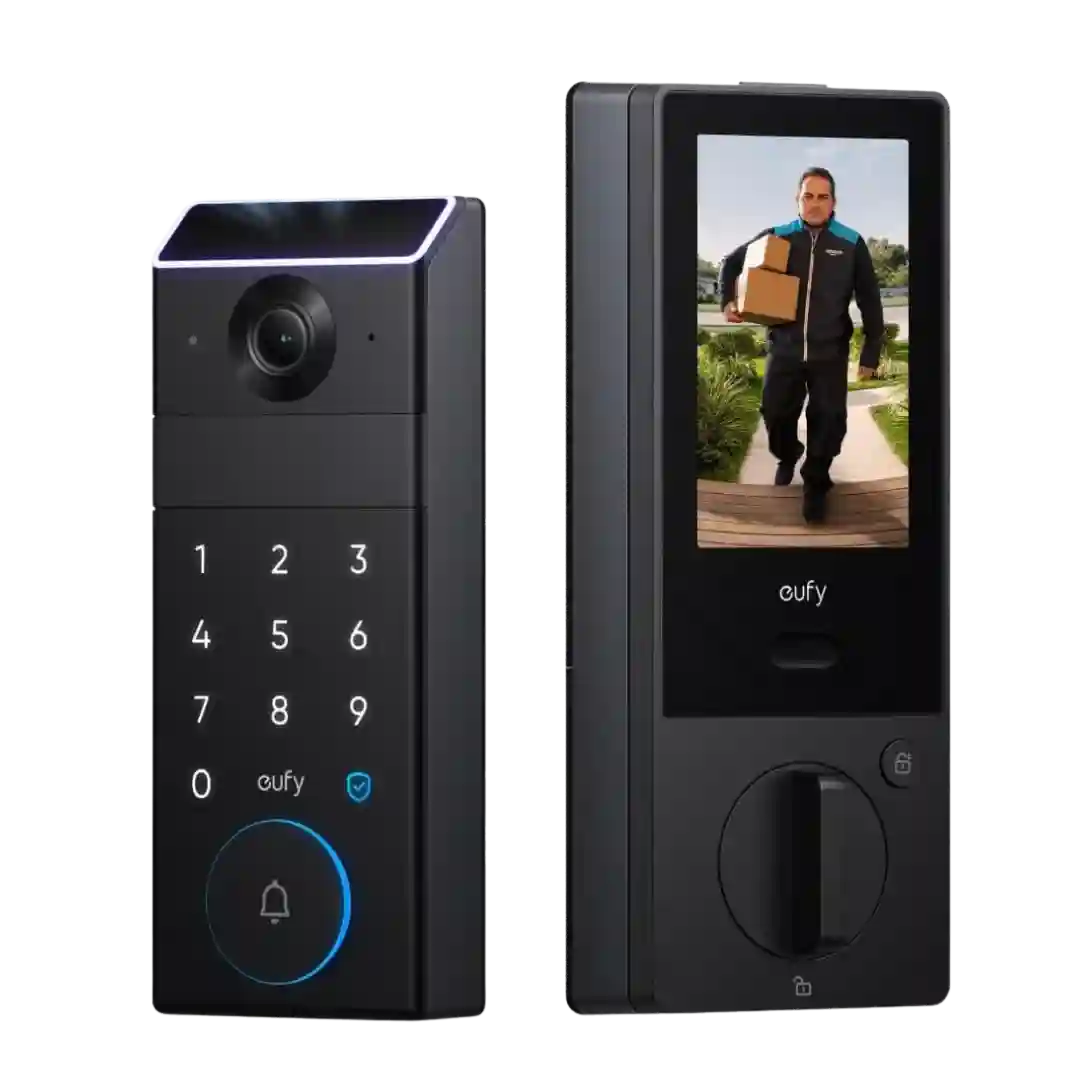
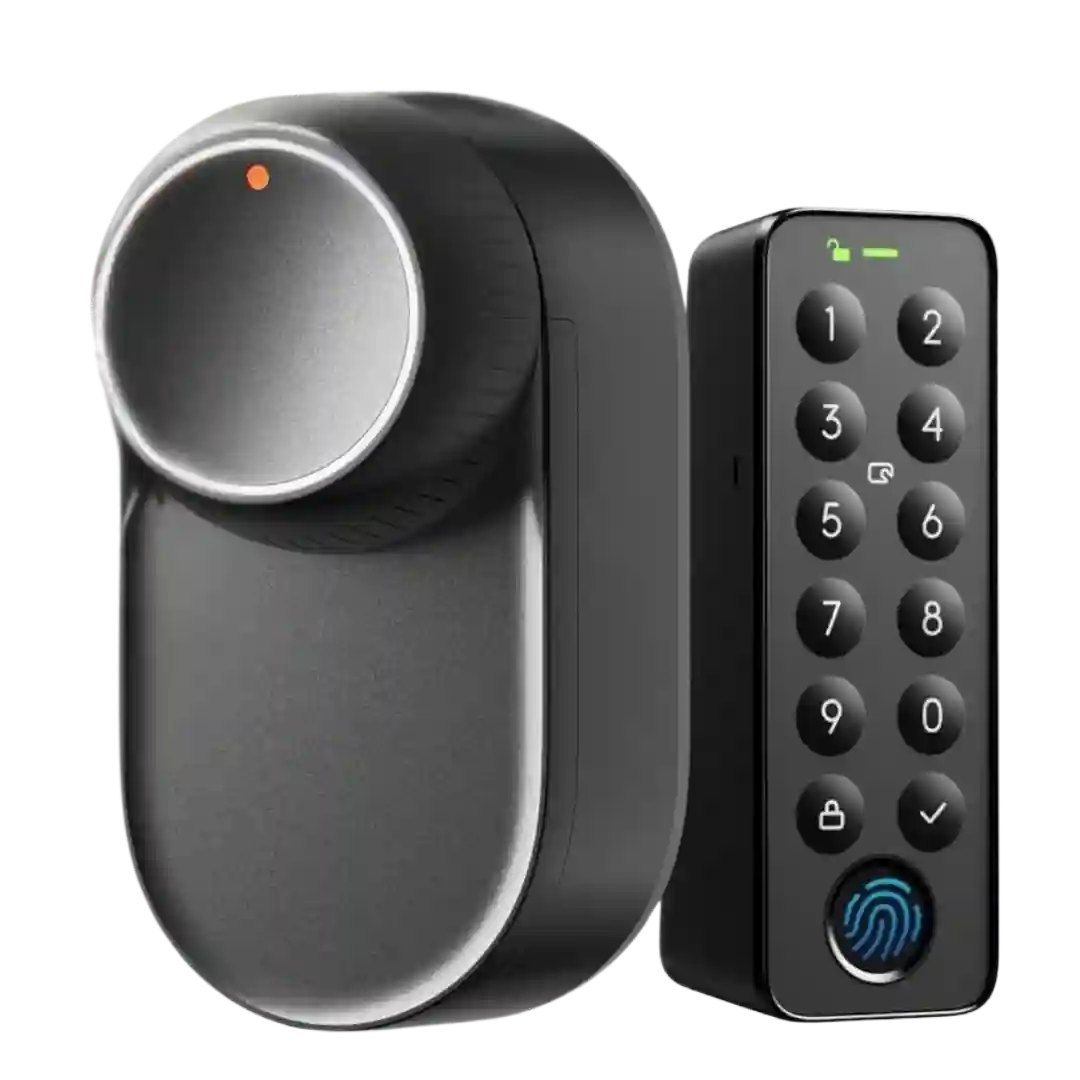
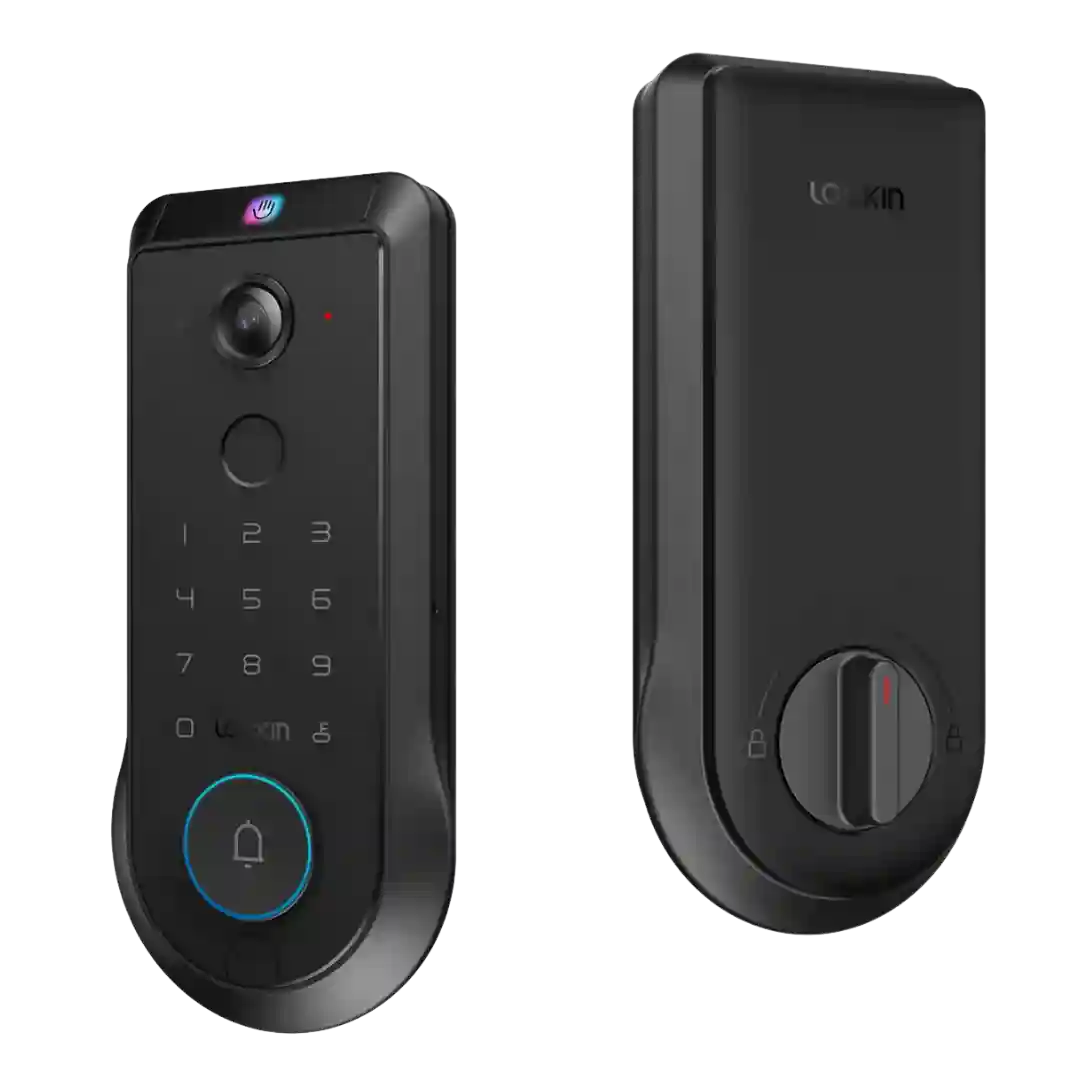
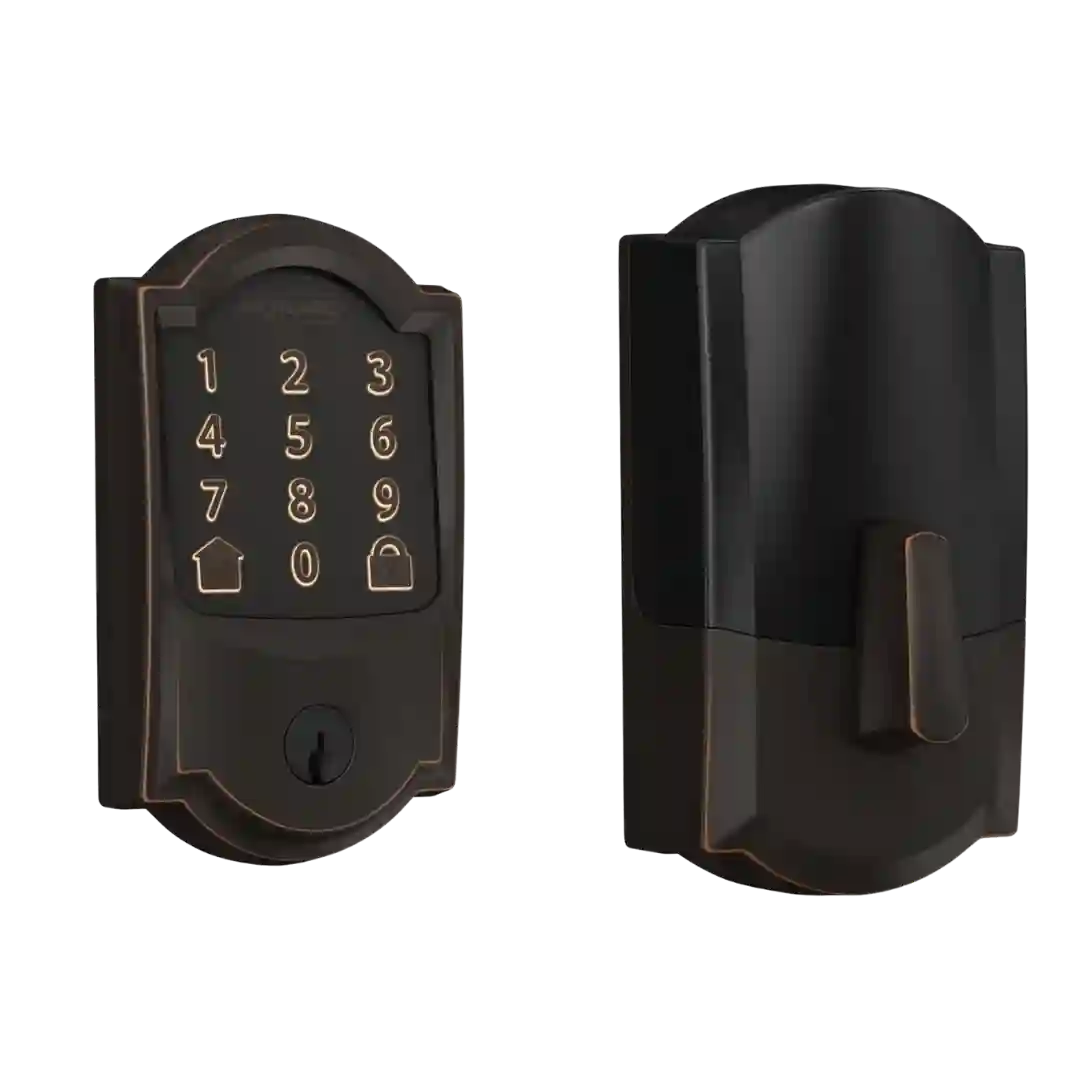
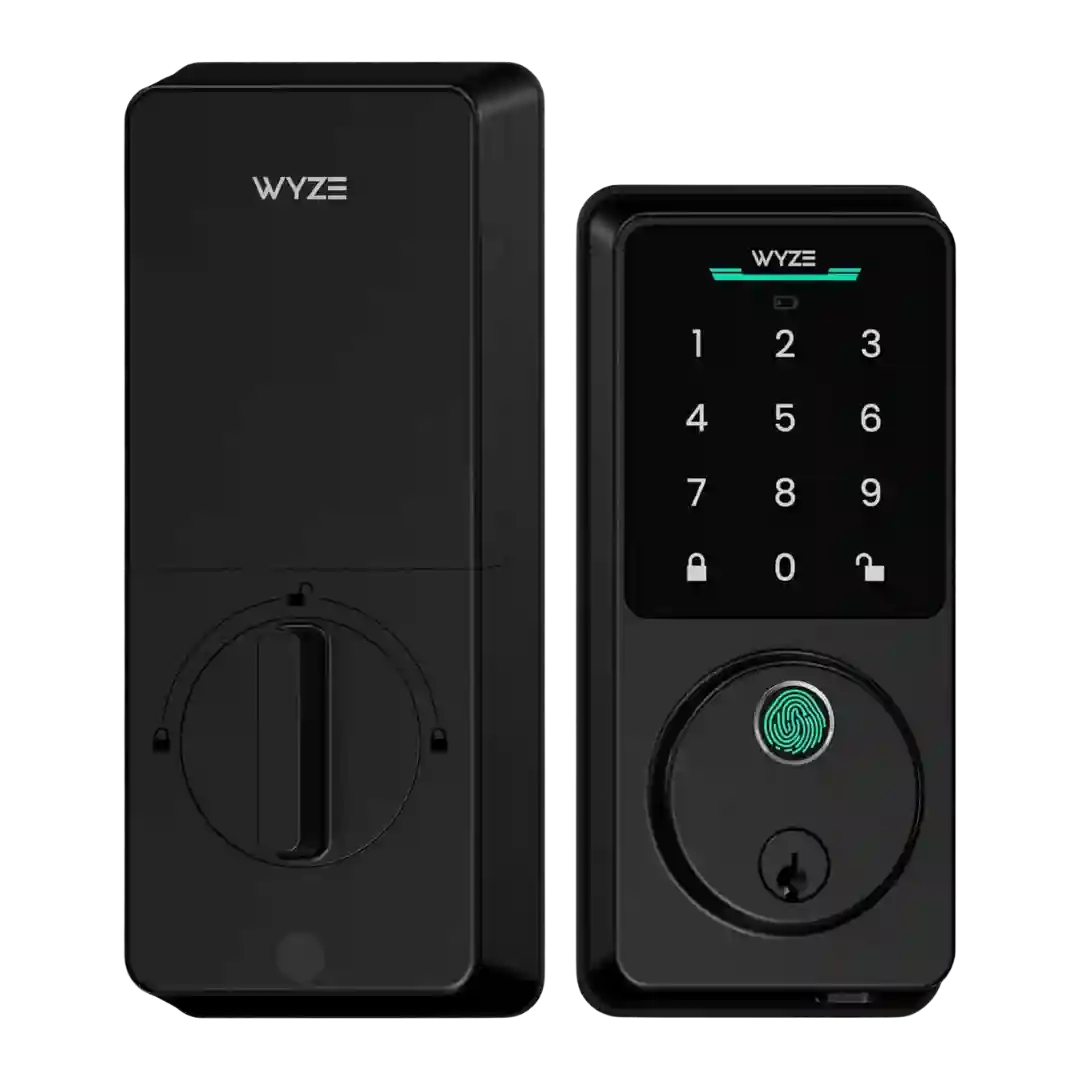
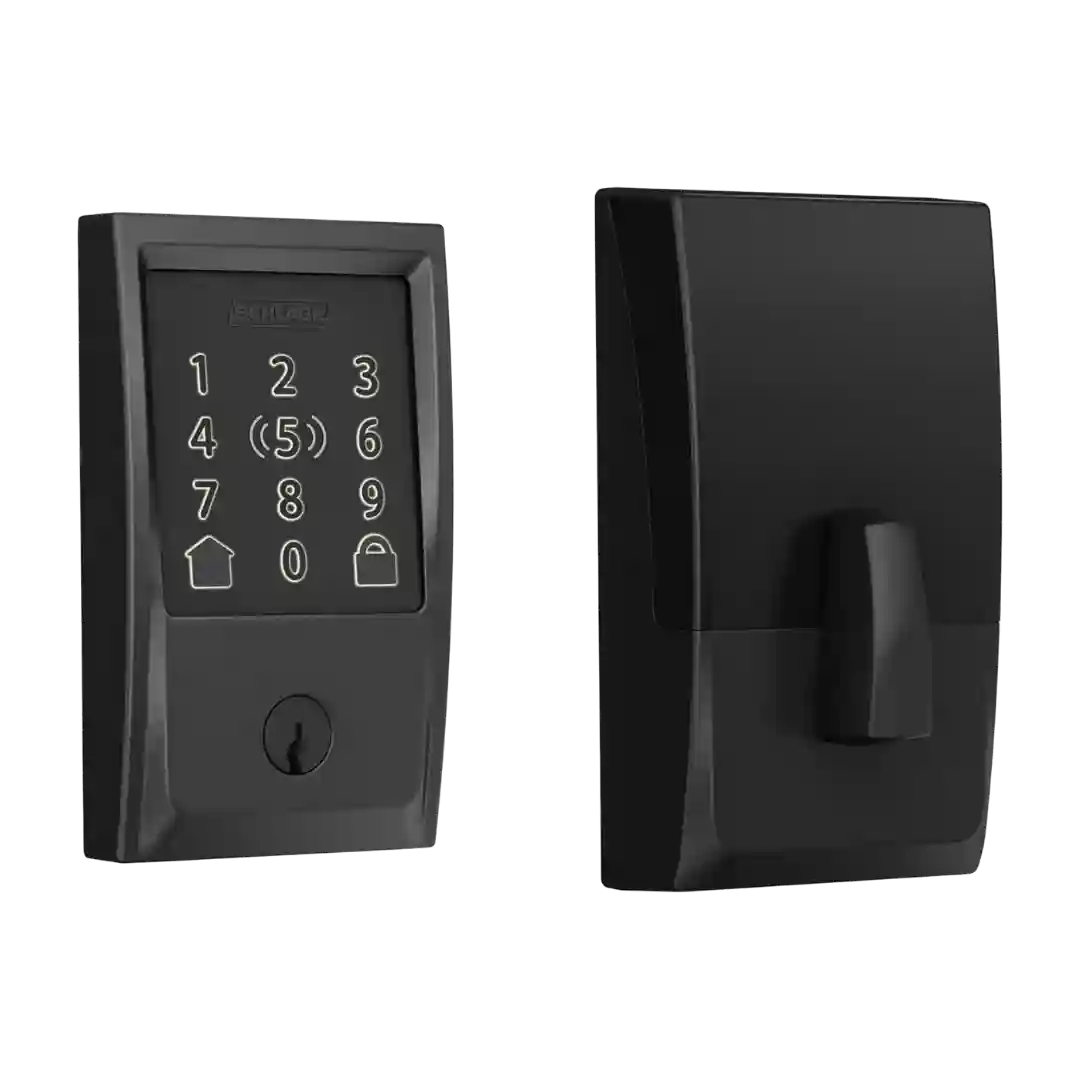
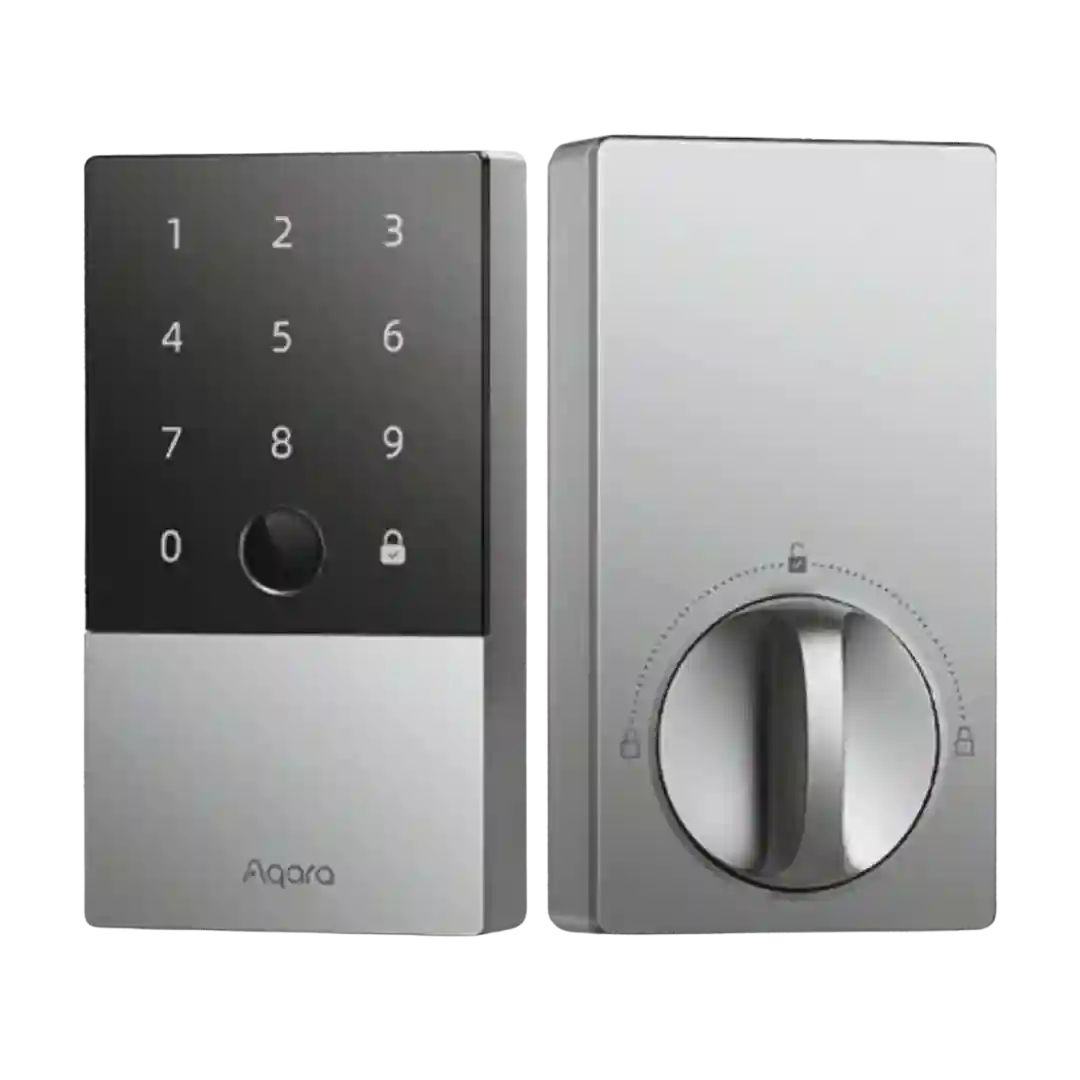
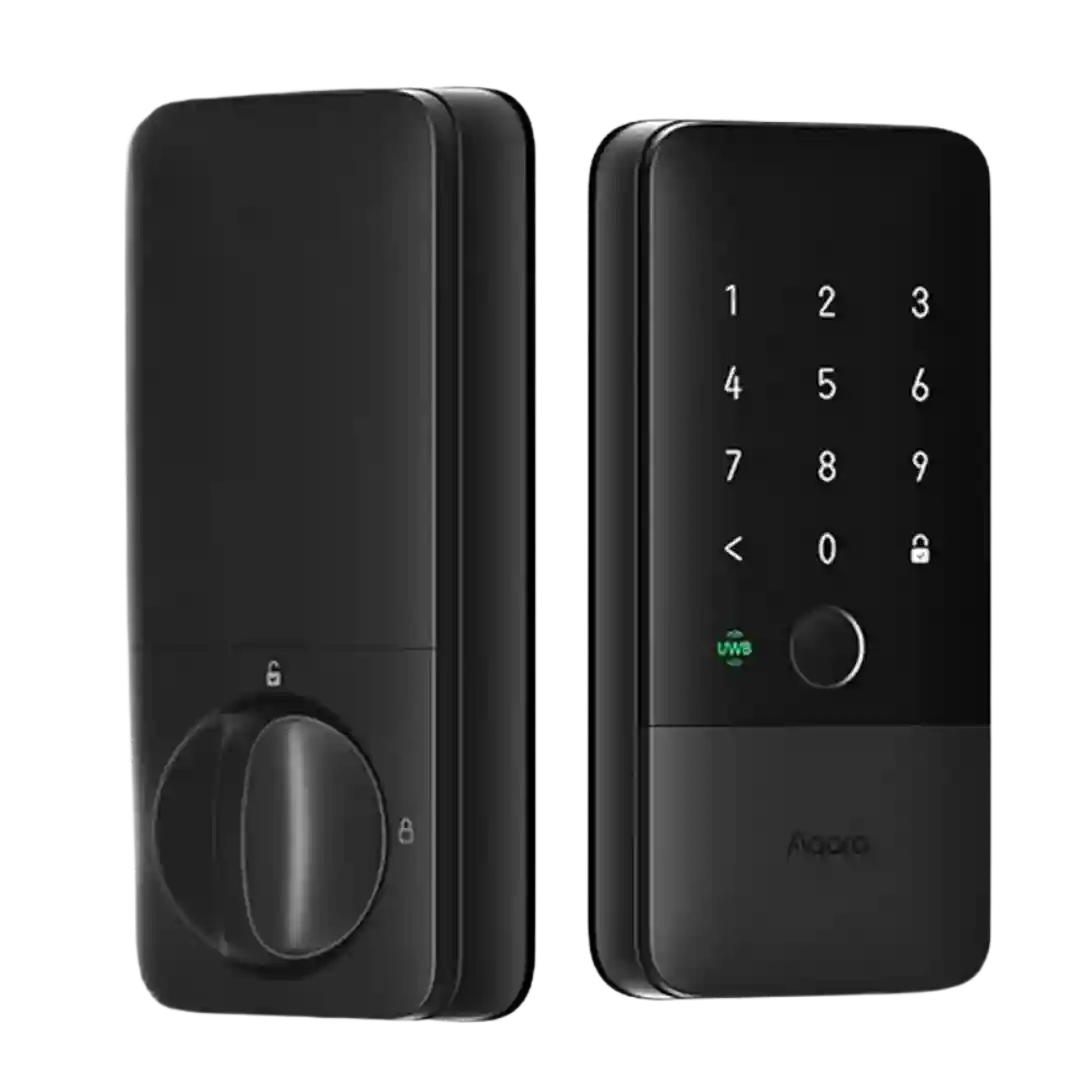
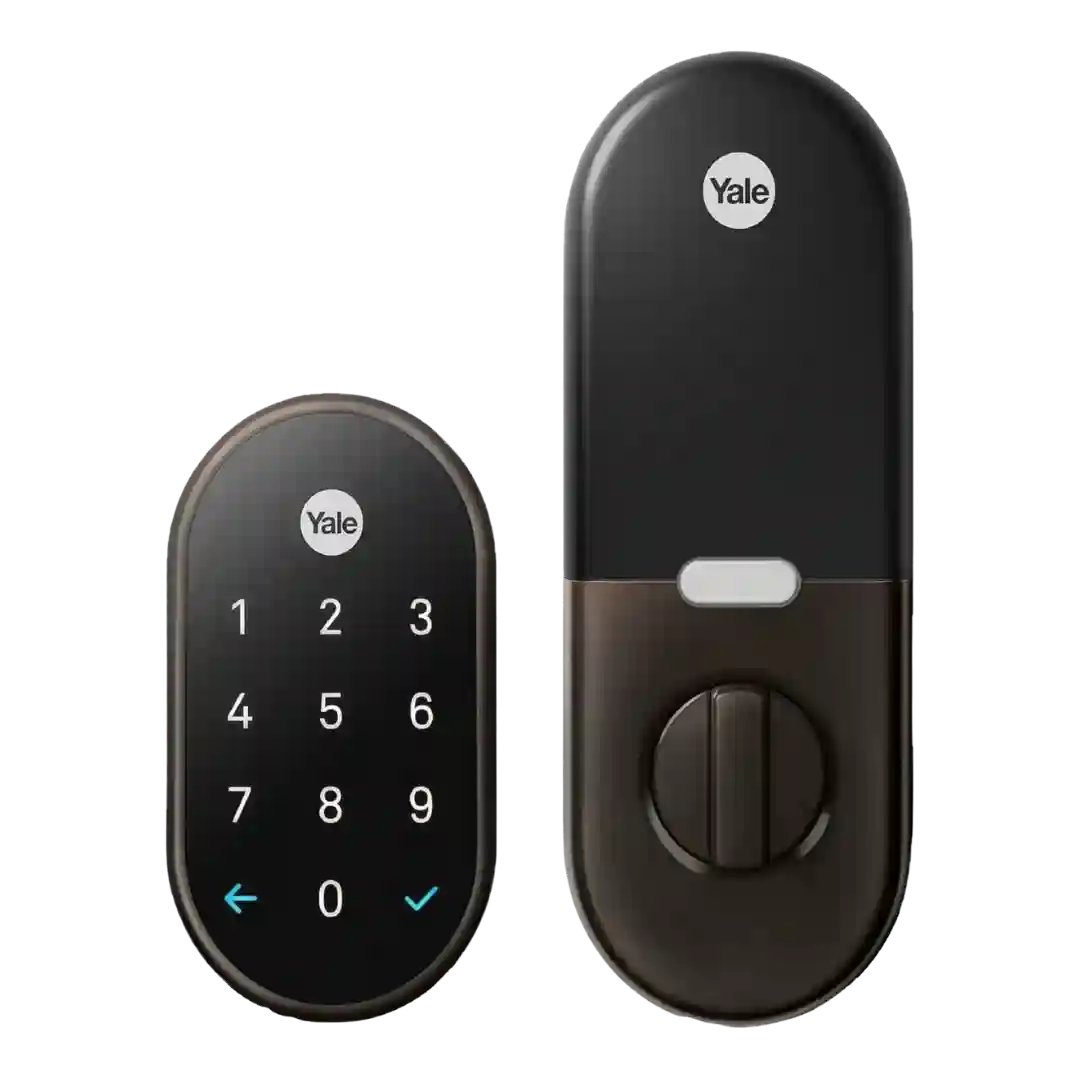
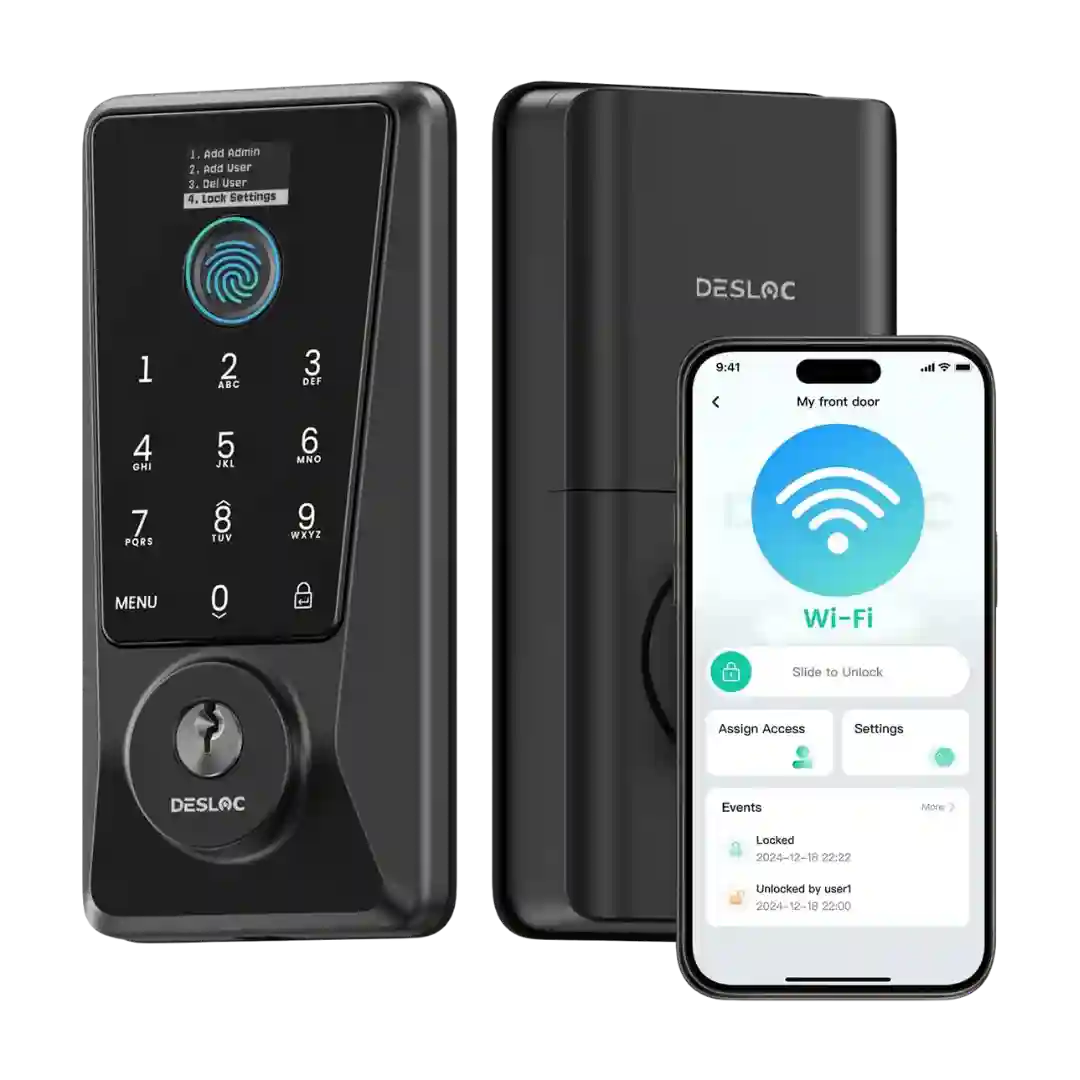
Tamper and suspicious-activity protections show up via mentions of tamper alarms, loitering alerts, and wrong-try lockouts. Sensitivity and alert volume can usually be tuned in the app.
Tamper/anti-theft features are commonly associated with the keypad ecosystem and can be enabled/managed in the app. Reviews mention the availability of tamper alerts, but most do not deeply stress-test sensitivity against real-world attacks.
Tamper detection is described as present with alarms and instant alerts for suspicious activity. Sensitivity is not quantified, but reviewers present it as a meaningful extra security layer.
Anti-tamper and unusual-activity detection are referenced (including tamper events surfaced in some ecosystem apps), but few reviewers deeply tested sensitivity or false-alarm behavior.
Tamper/forced-entry detection is available and sometimes adjustable in the app; it is treated as a useful deterrent, but real-world sensitivity and false-alarm rates are not uniformly tested across reviews.
Tamper and failed-attempt alerts are referenced, including alarm triggers and app notifications, though sensitivity tuning and real-world false positives are not deeply tested.
Tamper and forced-entry detection settings are described as configurable, including sensitivity adjustments. Reviewers appreciate the deterrent behavior even if the alarm volume is not described as extreme.
Brute-force mitigation is solid, with alarms, visual warnings, and a lockout after repeated failed attempts that disables keypad/fingerprint temporarily. Sensitivity and lockout timing are typically adjustable.
Tamper-related behavior is referenced through lockout timers, alerts for unusual conditions (like too many failed attempts or door left unlocked), and forced-entry style notifications in some setups. Detailed sensitivity tuning is not consistently covered, but protective behaviors are present.
At least one review notes tamper alerts, and others mention security notifications tied to suspicious activity like repeated wrong codes. Few provide deep detail on sensitivity settings, but the alerting is treated as useful.
Anti-hijacking or alarm-style features are described as a way to signal distress or tampering, but detailed sensitivity or false-alarm behavior is not well documented in the reviews.