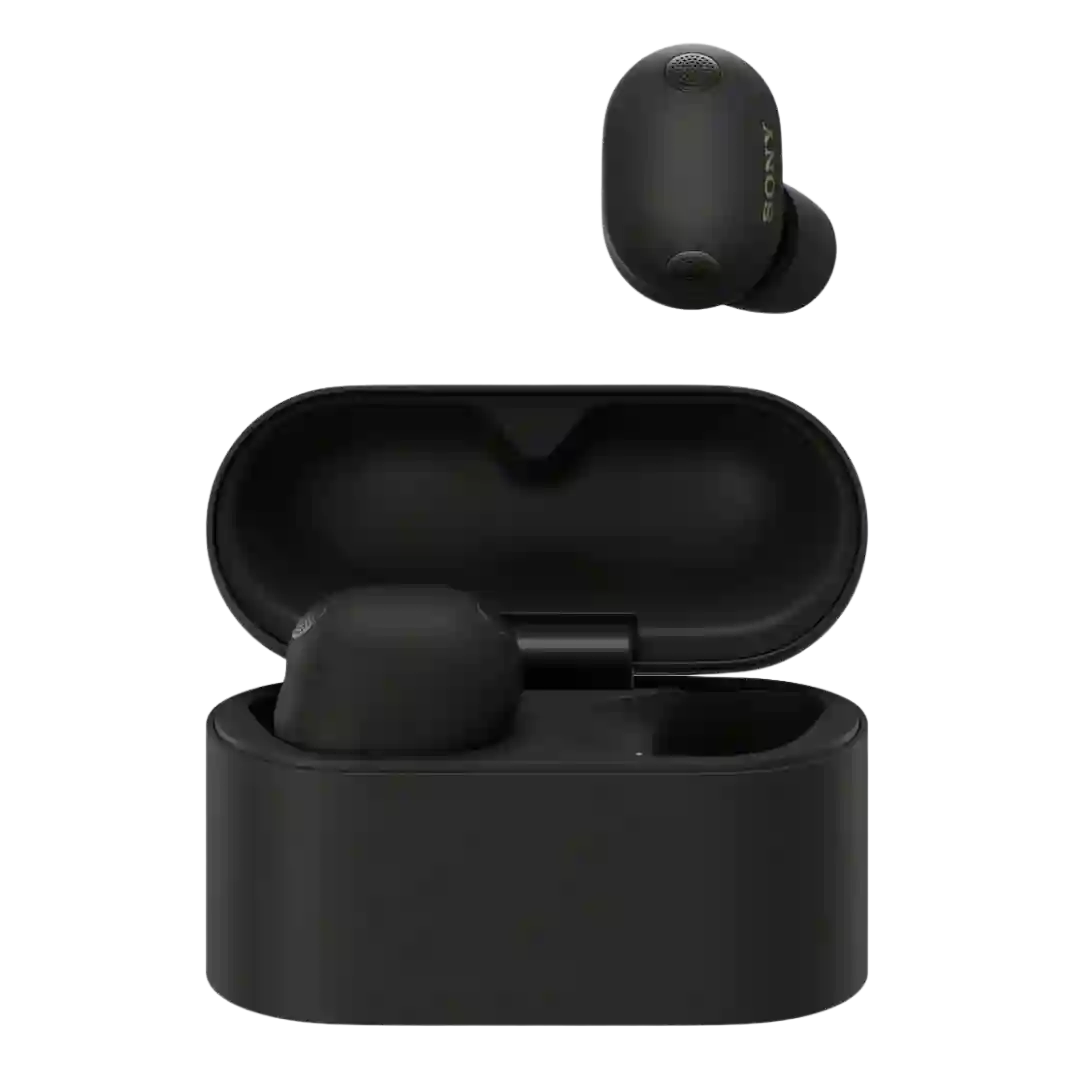
Treble comes through cleanly with good detail and vocal presence. Reviewers do not describe it as harsh or thin, which helps the Buds 4 avoid sounding brittle despite their lively tuning.
Treble is mostly described as smooth and non-fatiguing with little to no sibilance. It is not the most sparkling or analytical top end, but it avoids harshness across reviews.
Treble is typically smooth, airy, and non-fatiguing, with sparkle that avoids harshness. The main criticism is that the highest frequencies can feel slightly tamed or recessed for listeners who want extra bite and air.
Treble is widely called airy and detailed with good sparkle. At louder listening levels, a few reviews mention sibilance or sharpness, so treble-sensitive listeners may prefer a mild EQ cut.
Treble is usually described as clear, crisp, and smooth rather than piercing, though a few reviews note it is restrained or intentionally smooth instead of bright.
Treble detail is generally a strength, helping footsteps, reloads, whispers, and other small cues stand out. Reviewers usually found it clear without becoming painfully sharp.
Treble is usually described as crisp and controlled, delivering detail without harshness for most listeners. Some report a touch of brightness or occasional coherence/timing quirks versus top audiophile picks, but EQ can tame sibilance if it appears.
Treble is generally airy, detailed, and smooth, with occasional notes that it can approach brightness on certain recordings; Bass mode can tame the top end if needed.
Treble is widely reported as crisp and articulate with good sparkle; it tends to avoid harshness, though some listeners want more bite or energy depending on the default EQ.
Treble is generally clear and lively with good sparkle, though a few reviews mention occasional high-frequency leak-through in ANC mode or a slightly uneven top-end balance.
Treble is frequently praised for detail and shimmer, though a few reviewers mention occasional brightness, fatigue, or a sharper peak that may bother treble-sensitive listeners.
Treble is often described as detailed and generally well-controlled. Opinions diverge: some hear extra energy up top or a dip in the mid-treble that can make the presentation feel a touch closed-in, and sensitivity varies by listener and fit.
Treble is more energetic and airy than previous models, adding detail and space, but it can read as bright or slightly metallic for sensitive listeners. The 10-band EQ and softer presets help smooth it out.
Treble is crisp and revealing with good sparkle and detail. It can lean bright or forward for sensitive listeners, and some note a bit less refinement with ANC engaged.
Treble is detailed, energetic, and helpful for hearing percussion and articulation. The tradeoff is that some listeners may find the top end a bit bright, crisp, or slightly less forgiving with certain material.
Treble is usually called clear and detailed without harshness, though some report slight blunting or hissy cymbals on certain tracks. EQ can brighten the top end if you want more sparkle.
Treble is often described as crisp and detailed without obvious harshness for many, though some reviews report boosted regions that can fatigue sensitive listeners and note limited EQ control to tame it.
Treble tends to be detailed and airy, but reports vary from smooth and controlled to tinny or over-sharpened on older firmware or specific personalized profiles.
Treble is usually described as detailed and clean, but there are mixed notes about either roll-off in the upper treble or occasional sharpness at higher volumes depending on track and tuning.
Treble is commonly characterized as clear and sometimes forward or bright, with some reviewers noting a bit of crunch or reduced sparkle depending on track and settings.
Treble is often characterized as clear but not overly fatiguing compared with some flagship tunings. A few reviewers reported the highs could sound splashy or less controlled depending on fit, EQ, and expectations.
Treble is typically praised for clarity and refinement, but several reviews note peaks/extra air that can sound a little spicy, sizzly, or less forgiving on bright or compressed tracks. Others hear it as smooth and well-balanced for long sessions.
Treble is mostly clean and detailed, but certain presets can sound bright or fatiguing and one review notes slightly restrained upper-treble bite out of the box.
Treble is usually characterized as clean and non-fatiguing, avoiding harshness. A few listeners want more sparkle and air, especially compared with brighter, more energetic rivals.
Treble is typically described as crisp and detailed, though some sources mention occasional sharpness depending on volume, fit, or personal taste. The result is lively detail that may not suit everyone.