Best for USB-C
Cherry XTRFY H3 Wireless Gaming Headset
4.7 feature score
Highest scored product for this feature based on supporting review evidence.
Highest scored product for this feature based on supporting review evidence.
Balances feature score, supporting reviews, and overall product strength.
Has the broadest review evidence for this feature.
Strongest overall product among items with scored evidence for this feature.
Showing Headsets only. Switch back to all Headphones & Earbuds anytime.
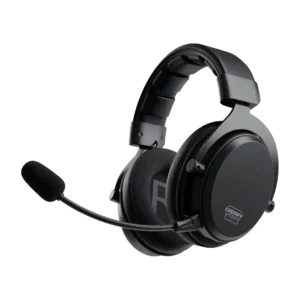
USB-C charging is standard here and was consistently presented as a positive, practical choice.
Pros: Battery, Volume output
Cons: Multipoint connectivity reliability, Codec support
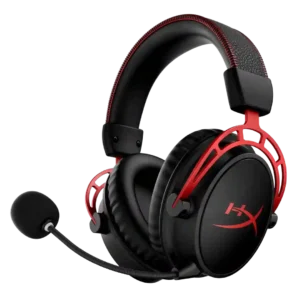
Wireless reviews confirm USB-C charging on the headset.
Pros: Noise isolation (passive), Software/setup simplicity
Cons: Bluetooth, Portability/foldability
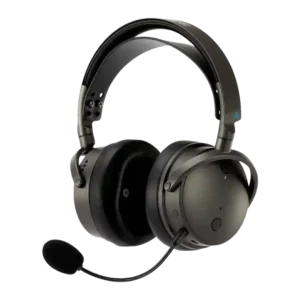
USB-C is important to the Maxwell’s versatility for charging, digital audio, and included accessory support.
Pros: Battery, Sound quality
Cons: Active noise cancellation, RGB lighting customization
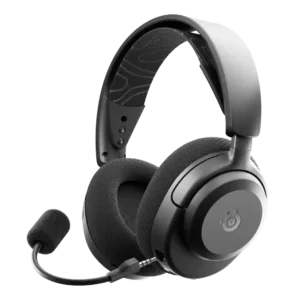
USB-C is central for charging and connectivity, and adapters are commonly included to support USB-A or other setups depending on model and use case.
Pros: Maximum volume clarity, Audio-video sync accuracy
Cons: Active noise cancellation effectiveness, Simultaneous wireless + Bluetooth audio
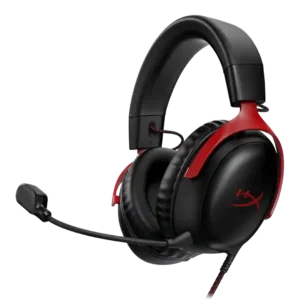
USB-C support appears in the included adapter and cable arrangement.
Pros: Clamping force comfort, Battery
Cons: Active noise cancellation, Xbox compatibility
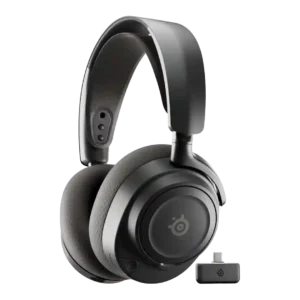
USB-C support is part of the modern feature set here, primarily through charging and the dongle ecosystem.
Pros: Multi-platform compatibility, Equalizer customization
Cons: Active noise cancellation, Water/sweat resistance rating
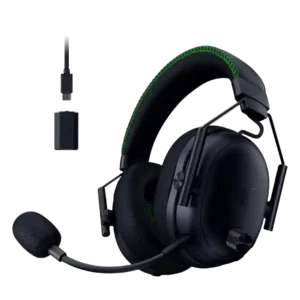
USB-C is central to charging and some wired use, and reviewers generally like the convenience. A few note platform restrictions or mode rules depending on how USB is used, but...
Pros: Game/Chat balance control, Multi-platform compatibility
Cons: Portability/foldability, Earpad noise
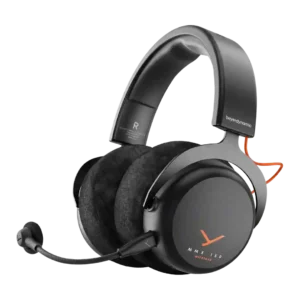
USB-C is central to the design for both charging/power and wired audio paths, and several reviews treat the USB connection as the primary way to unlock full functionality.
Pros: Battery, Multipoint connectivity reliability
Cons: Active noise cancellation effectiveness, Xbox compatibility
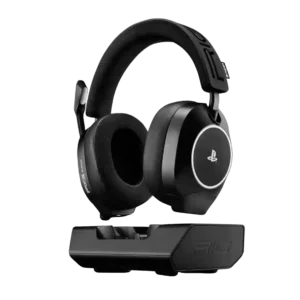
USB-C is well represented through the headset port, connection cable, and dongle, with reviewers noting USB-C connection and wired update or audio possibilities.
Pros: Earpad replacement ease, Replaceable earpads
Cons: Active noise cancellation, Carry case quality
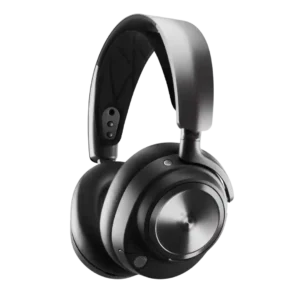
USB-C connectivity is a big part of the ecosystem, including dual USB inputs on the base station and USB-C charging/update access on the headset. Some users miss the optical input...
Pros: Replaceable battery, Simultaneous wireless + Bluetooth audio
Cons: aptX, LDAC
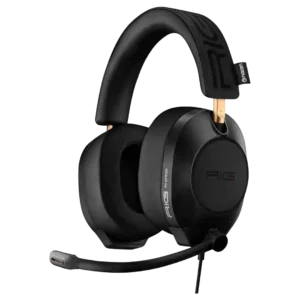
USB-C support is central through the DAC, passthrough charging, and mobile or laptop compatibility.
Pros: Audio-video sync accuracy, Battery
Cons: Active noise cancellation, Bluetooth
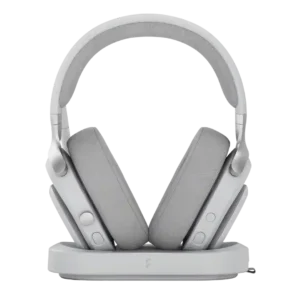
USB-C is used for charging and for wired USB audio in many reviews, with several noting it is convenient for desktop use and can improve mic fidelity versus wireless in...
Pros: Design and Aesthetics, Equalizer customization
Cons: Active noise cancellation effectiveness, Multipoint connectivity reliability
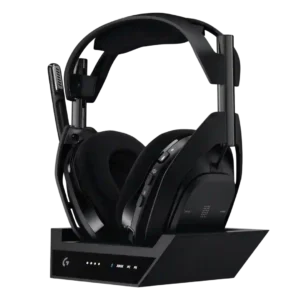
USB-C is central to the system for power and device connections, and reviewers repeatedly reference the USB-C routing as part of both the feature set and the setup complexity.
Pros: Maximum volume clarity, Volume output
Cons: Active noise cancellation effectiveness, Wired connection sound quality
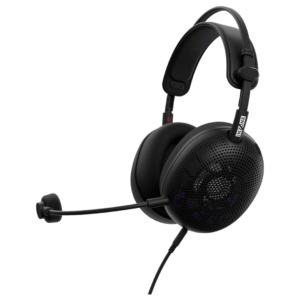
USB-C support came through the included audio box or adapter and was repeatedly mentioned as a practical connection option.
Pros: Battery, Weight comfort
Cons: Water/sweat resistance rating, Active noise cancellation
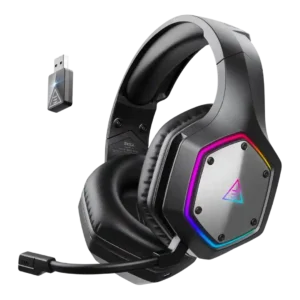
WT reviews clearly mention USB-C charging, which modernizes the wireless model's charging setup.
Pros: Audio-video sync accuracy, Equalizer customization
Cons: Ear cup swivel/rotation range, Portability/foldability
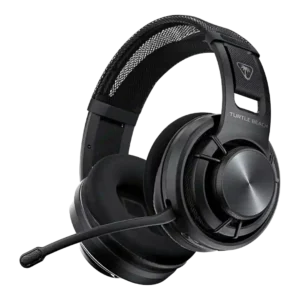
Charges over USB-C; reviewers treat the USB-C connection as power/charging rather than a full-featured wired audio link.
Pros: Comfort during long use, Weight comfort
Cons: Active noise cancellation effectiveness, Noise isolation (passive)
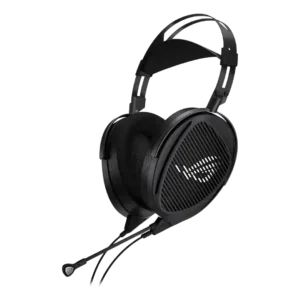
USB-C support is a recurring convenience point thanks to the included adapter and broad device compatibility.
Pros: Instrument separation, Software/setup simplicity
Cons: Noise isolation (passive), Active noise cancellation
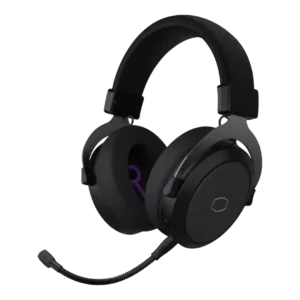
USB-C is part of the CH351 setup, appearing in its dongle and port layout.
Pros: Microphone noise reduction, Microphone quality for calls
Cons: Active noise cancellation effectiveness, Bluetooth connectivity stability
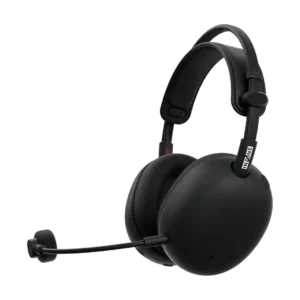
USB-C is used for charging and the included low-latency dongle. Some reviewers call out limitations like the lack of USB audio in certain scenarios.
Pros: Weight comfort, Ear cup swivel/rotation range
Cons: Xbox compatibility, Replaceable battery
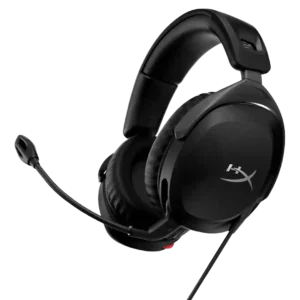
USB-C support was present on the wireless model, though cable quality and included charging length drew criticism.
Pros: Weight comfort, Ear cup swivel/rotation range
Cons: Detachable microphone convenience, Detachable cable convenience