Best for USB-C
Sony WH-CH720N Wireless Headphones
5.0 feature score
Highest scored product for this feature based on supporting review evidence.
Highest scored product for this feature based on supporting review evidence.
Balances feature score, supporting reviews, and overall product strength.
Has the broadest review evidence for this feature.
Strongest overall product among items with scored evidence for this feature.
Showing Over-Ear Headphones only. Switch back to all Headphones & Earbuds anytime.
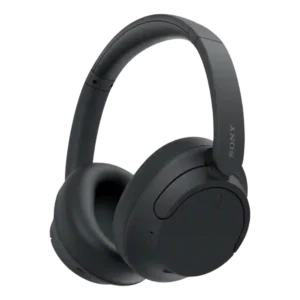
USB-C charging is repeatedly noted and treated as the expected modern standard for this model.
Pros: USB-C, Weight comfort
Cons: aptX, Water/sweat resistance rating
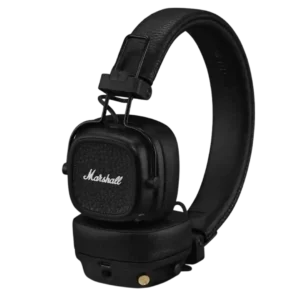
USB-C charging is directly supported in multiple reviews, with included USB-C cables and USB-C charging mentioned repeatedly.
Pros: Ear cup swivel/rotation range, USB-C
Cons: Active noise cancellation, Transparency mode quality
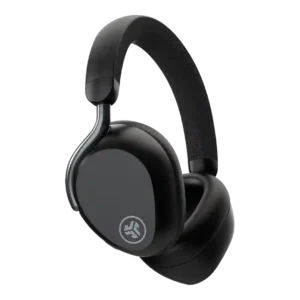
USB-C support is fully integrated for charging and wired playback accessories, which adds everyday convenience.
Pros: USB-C, Award recognition
Cons: Water/sweat resistance rating, Sidetone adjustment quality
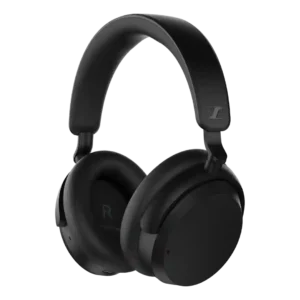
USB-C is the standard for charging here and is broadly appreciated; multiple reviews also emphasize its ability to carry audio on compatible devices.
Pros: Audio-video sync accuracy, USB-C
Cons: Water/sweat resistance rating, Carry case quality
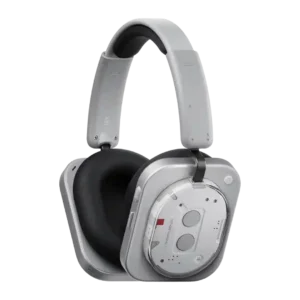
USB-C is a frequently praised feature because it supports charging and USB-C audio, adding modern wired flexibility.
Pros: LDAC, Equalizer customization
Cons: Replaceable battery, Sustainability materials
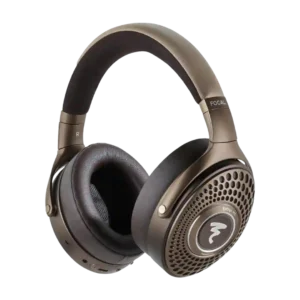
USB-C is central to the product experience, handling charging and the high-value DAC mode for higher-resolution wired playback.
Pros: Build quality, Instrument separation
Cons: LDAC, Touch control responsiveness
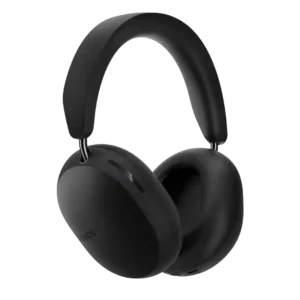
USB-C is consistently appreciated for both charging and wired audio, and many reviews call it a clear win over older Lightning implementations. It also supports practical desktop and travel use...
Pros: USB-C, Replaceable earpads
Cons: Water/sweat resistance rating, Cable quality

USB-C support is a major practical plus, letting the Wesley connect to modern devices while still keeping its wired retro identity.
Pros: Charging, Design and Aesthetics
Cons: Active noise cancellation effectiveness, Maximum volume clarity
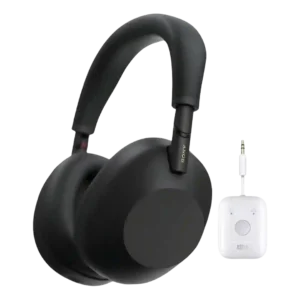
USB-C is solid for charging and quick top-ups, but multiple reviews call out the absence of wired USB-C audio as a notable miss at this price.
Pros: Active noise cancellation effectiveness, Weight comfort
Cons: Water/sweat resistance rating, Replaceable battery
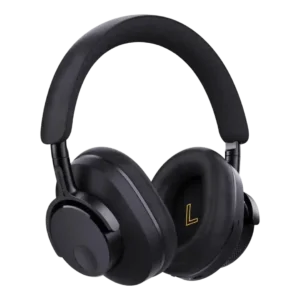
USB-C is a strong point, supporting charging and wired digital audio on compatible devices.
Pros: Replaceable earpads, Replaceable battery
Cons: Water/sweat resistance rating, Touch control responsiveness
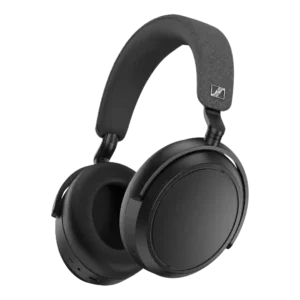
USB-C is a key advantage: reviews highlight charging convenience and USB-C audio as a rare, practical feature for wired listening.
Pros: Battery, aptX
Cons: LDAC, Water/sweat resistance rating
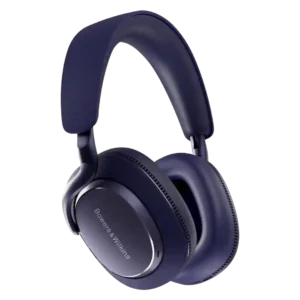
USB-C implementation is strong, covering charging and audio, and enabling high-resolution wired playback with compatible sources.
Pros: aptX, Multipoint connectivity reliability
Cons: Replaceable battery, LDAC
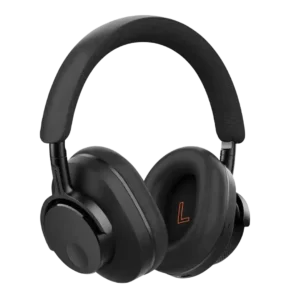
USB-C is the core port for charging and wired audio; reviews generally like the flexibility, though some note it means there is no traditional analog 3.5mm jack on the headphone...
Pros: Battery, Replaceable battery
Cons: LDAC, Water/sweat resistance rating

USB-C is now central for charging and wired lossless playback, and multiple reviewers welcomed it over Lightning.
Pros: Award recognition, Software/setup simplicity
Cons: aptX, LDAC
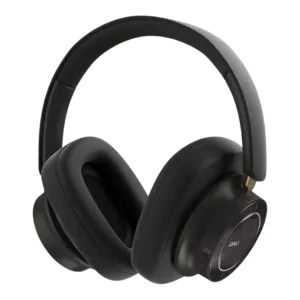
USB-C is highlighted as both a charging and playback option, with multiple sources noting USB audio support up to 24-bit and 96kHz.
Pros: Maximum volume clarity, Replaceable earpads
Cons: App, Equalizer customization
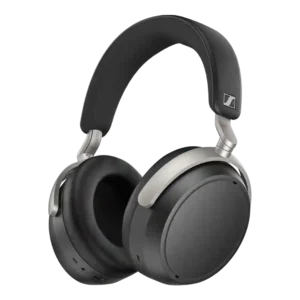
USB-C is a versatility highlight for both charging and wired digital audio, and is frequently cited as the cleanest connection option.
Pros: Battery, Equalizer customization
Cons: Xbox compatibility, Water/sweat resistance rating
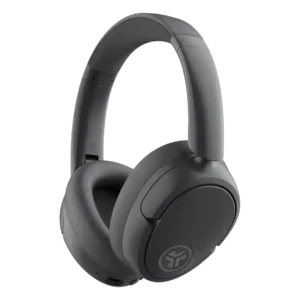
USB-C is the only port for charging and wired audio, enabling direct wired playback but also meaning there is no 3.5mm analog input.
Pros: Battery, Cable quality
Cons: aptX, LDAC
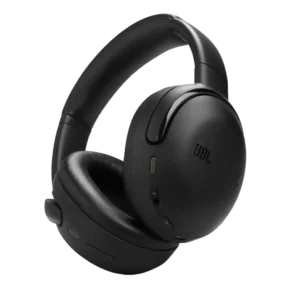
USB-C is central to both charging and wired digital playback.
Pros: Battery, Connectivity options
Cons: Water/sweat resistance rating, Replaceable earpads
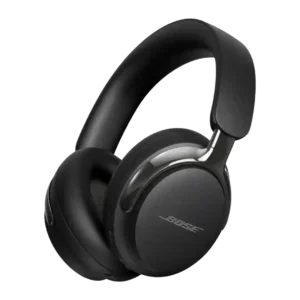
USB-C is a key Gen 2 upgrade, enabling digital audio input (often described as lossless/hi-res) in addition to charging, and allowing simultaneous charge-and-listen use cases.
Pros: Android compatibility, Multi-platform compatibility
Cons: Water/sweat resistance rating, Dongle
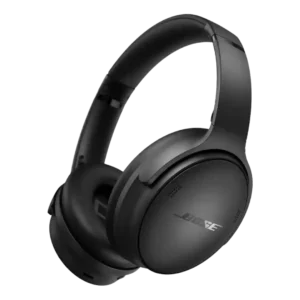
USB-C is present for charging; at least one review highlights the lack of USB-C audio passthrough as a limitation despite the port.
Pros: Volume output, Weight comfort
Cons: aptX, LDAC
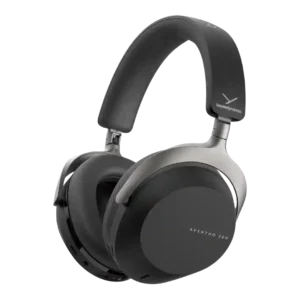
USB-C is used for charging and, in several reviews, for wired audio playback, adding versatility beyond standard Bluetooth listening.
Pros: aptX, Battery
Cons: Frequency response accuracy, Clamping force comfort
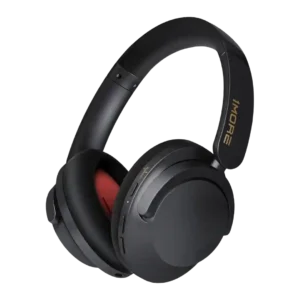
USB-C charging is standard across reviews and contributes to quick top-ups; USB audio over the USB-C port is not described as supported.
Pros: Battery, USB-C
Cons: aptX, Water/sweat resistance rating
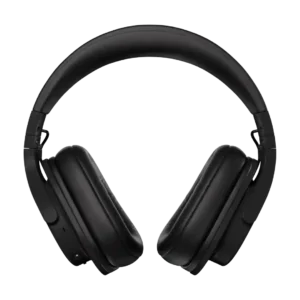
USB-C is used for power/charging in the coverage (including the WL500 dock), making it easy to plug into common chargers.
Pros: Weight comfort, Audio-video sync accuracy
Cons: Active noise cancellation effectiveness, Noise cancellation adjustability
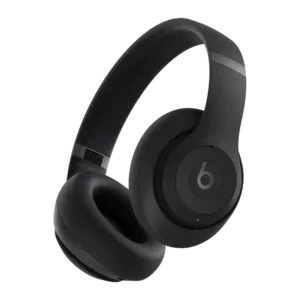
USB-C is widely celebrated for modern charging and for enabling hi-res wired playback through the internal DAC. The key drawback repeated across reviews is that ANC and transparency are disabled...
Pros: Design and Aesthetics, Multi-platform compatibility
Cons: aptX, LDAC
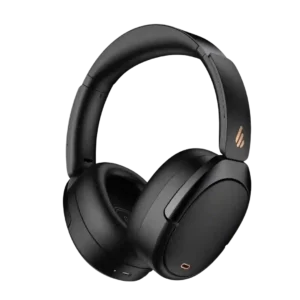
USB-C is used for charging.
Pros: Microphone quality for calls, Comfort during long use
Cons: aptX, Water/sweat resistance rating
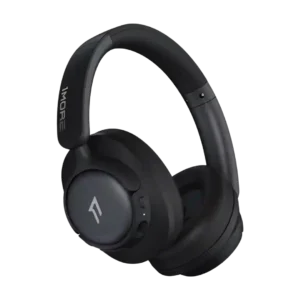
USB-C support is a clear convenience win. It is consistently mentioned for charging, and several reviews also tie it to wired operation.
Pros: Battery, Charging
Cons: Carry case quality, Sensors
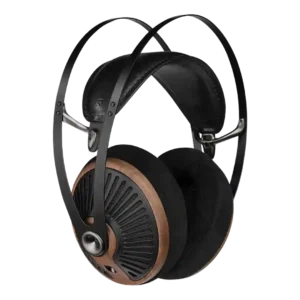
USB-C support comes via an included adapter/dongle, enabling plug-and-play use with phones and computers lacking a headphone jack. It’s positioned as convenience rather than a high-end solution.
Pros: Sustainability materials, Replaceable earpads
Cons: Noise isolation (passive), Portability/foldability
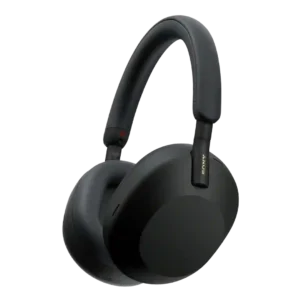
USB-C is used for charging, but several reviews emphasize it cannot be used for wired digital audio playback.
Pros: Active noise cancellation effectiveness, Weight comfort
Cons: aptX, Water/sweat resistance rating

USB-C is used for charging and quick charging, but one review notes it does not carry USB-C audio.
Pros: Bluetooth version, Battery
Cons: Water/sweat resistance rating, Wind noise handling
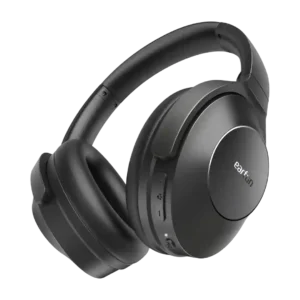
USB-C handling is a practical advantage here, covering charging and wired audio playback instead of relying on a separate 3.5mm cable.
Pros: Bluetooth connectivity stability, Comfort during long use
Cons: Included accessories, Cable quality
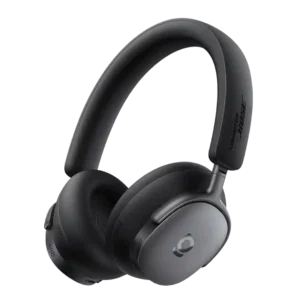
USB-C is used for charging, but multiple reviews call out the lack of USB-C audio.
Pros: Battery, Charging
Cons: Sensors, Wired connection sound quality

Later refreshes add USB-C, viewed as more future-proof and enabling certain wired use cases, though some are disappointed it came without a broader hardware update.
Pros: Hinge durability, Transparency mode quality
Cons: aptX, LDAC
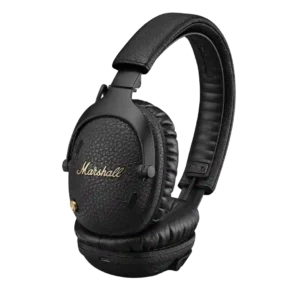
USB-C is the single physical port for charging and wired audio, which keeps things simple but also means no dedicated 3.5mm jack.
Pros: Battery, Clamping force comfort
Cons: aptX, LDAC
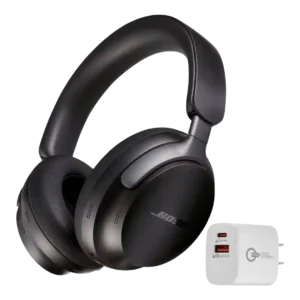
USB-C is charging-only; lack of USB-C digital audio passthrough is a repeated complaint for a flagship-priced model.
Pros: Volume output, Comfort during long use
Cons: Water/sweat resistance rating, USB-C