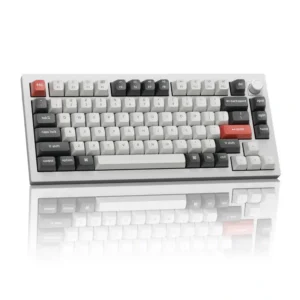
The compact 75% layout retains function keys, arrows, and navigation controls, while the wider Ultra family offers 80% and full-size alternatives.
Pros: legend visibility, RGB customization
Cons: actuation consistency, rapid trigger support
The compact 75% layout retains function keys, arrows, and navigation controls, while the wider Ultra family offers 80% and full-size alternatives.
Pros: legend visibility, RGB customization
Cons: actuation consistency, rapid trigger support
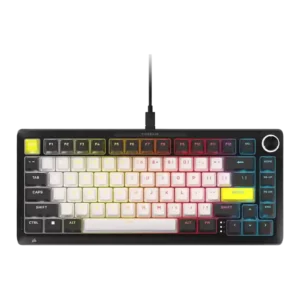
The 75% layout itself was praised as well balanced, spacious for its footprint, and close to ideal for several reviewers.
Pros: per-key lighting control, durability
Cons: portability, noise level
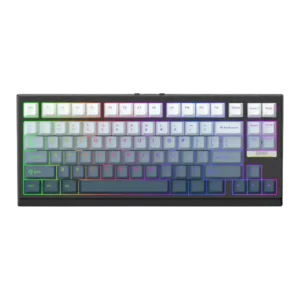
Layout options were praised for functional 75% or compact layouts that avoided missing important keys.
Pros: desk space efficiency, layout options
Cons: compatibility
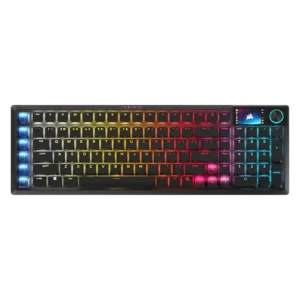
Included Windows and Mac keycaps plus a physical OS switch make the board unusually accommodating across desktop platforms.
Pros: key stability, stabilizer quality
Cons: analog input support, rapid trigger support
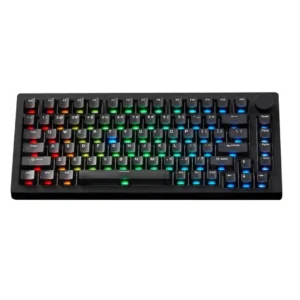
Layout options are well received, especially 75% navigation keys, knob placement, ISO availability, and Windows/Mac support, even with the hidden mode switch caveat.
Pros: switch options, hot-swappable switches
Cons: portability, cable quality
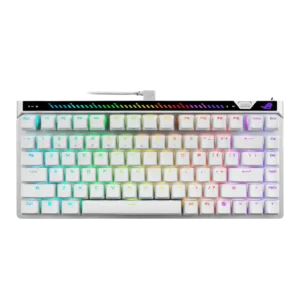
The 75% layout was broadly liked for keeping function keys, arrows, and productivity-friendly controls while staying compact.
Pros: key responsiveness, latency
Cons: analog input support, wrist rest quality
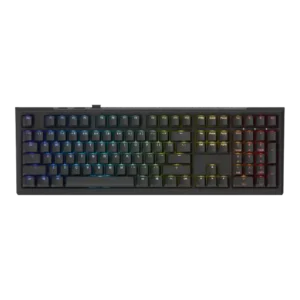
Layout options received positive evidence from reviewers who appreciated the full-size and 60% choices and broader layout availability.
Pros: typing feel, key stability
Cons: profile management, wrist rest quality
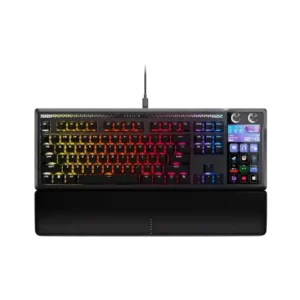
The layout is one of the biggest tradeoffs: the Stream Deck replaces the numpad and can mimic it, but not everyone likes that compromise. Heavy numpad users are the most...
Pros: customization options, ease of switch replacement
Cons: reliability, analog input support