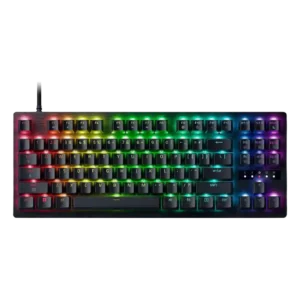
The 8KHz polling rate is repeatedly framed as a serious speed upgrade, especially for competitive play where tiny input delays matter.
Pros: polling rate, RGB customization
Cons: key stability, typing comfort
The 8KHz polling rate is repeatedly framed as a serious speed upgrade, especially for competitive play where tiny input delays matter.
Pros: polling rate, RGB customization
Cons: key stability, typing comfort
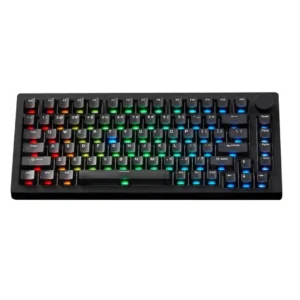
Polling-rate evidence is positive, especially for TMR and HE models with 8K claims or tests; the VIA model's lower rates are still described as acceptable.
Pros: switch options, hot-swappable switches
Cons: portability, cable quality
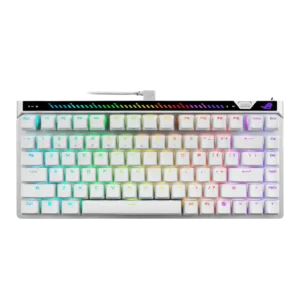
The high polling rate was treated as a competitive advantage, though one reviewer framed its benefit as most relevant to pros.
Pros: key responsiveness, latency
Cons: analog input support, wrist rest quality
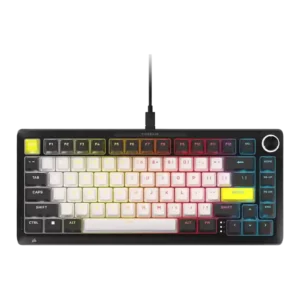
8,000Hz polling was usually treated as fast and performance-oriented, though one reviewer said it made no practical difference in use.
Pros: per-key lighting control, durability
Cons: portability, noise level
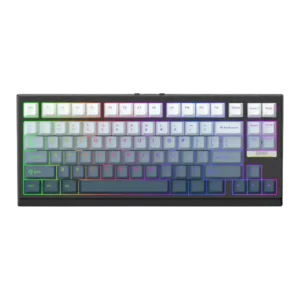
The polling rate was treated as part of the keyboard's precision-and-speed appeal for users who care about Hall Effect performance.
Pros: desk space efficiency, layout options
Cons: compatibility
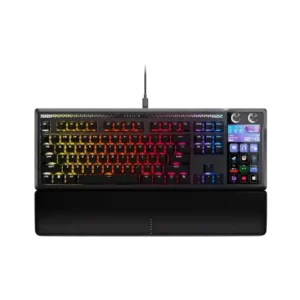
The 8,000Hz polling rate is repeatedly treated as a premium gaming feature, especially for competitive play. Several reviewers note that most people may not feel the difference, but it supports...
Pros: customization options, ease of switch replacement
Cons: reliability, analog input support
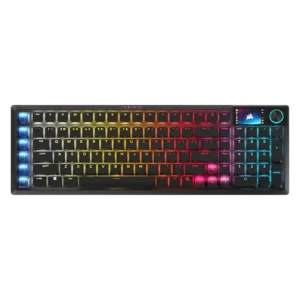
8,000Hz works over wired and 2.4GHz connections and supports very low latency. Several reviewers called the practical gain over 1,000Hz small while noting added battery and system cost.
Pros: key stability, stabilizer quality
Cons: analog input support, rapid trigger support
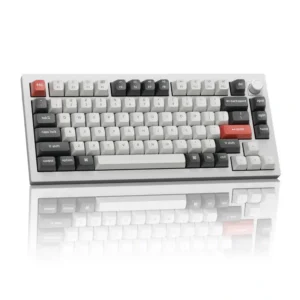
The 8,000Hz mode works over wired and 2.4GHz connections, but most testers could not feel a meaningful difference from 1,000Hz. It is more future-proofing than a daily-use breakthrough.
Pros: legend visibility, RGB customization
Cons: actuation consistency, rapid trigger support
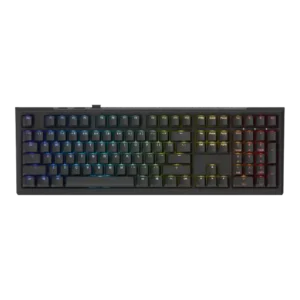
Most reviewers treated the 1,000 Hz polling rate as adequate for normal play, while competitive-focused reviewers noted it trails higher-polling rivals.
Pros: typing feel, key stability
Cons: profile management, wrist rest quality