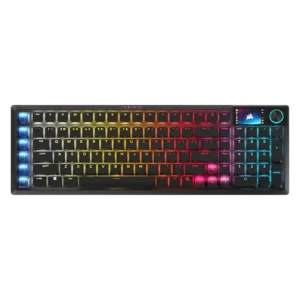
The screw-in stabilizers feel exceptionally solid and resist movement, helping larger keys sound and feel controlled.
Pros: key stability, stabilizer quality
Cons: analog input support, rapid trigger support
The screw-in stabilizers feel exceptionally solid and resist movement, helping larger keys sound and feel controlled.
Pros: key stability, stabilizer quality
Cons: analog input support, rapid trigger support
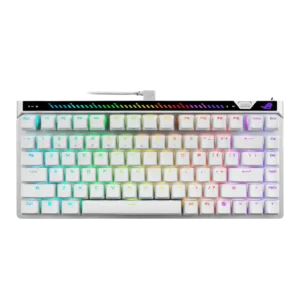
Stabilizers received a strong score where evaluated, with minimal rattle and a solid feel on larger keys.
Pros: key responsiveness, latency
Cons: analog input support, wrist rest quality
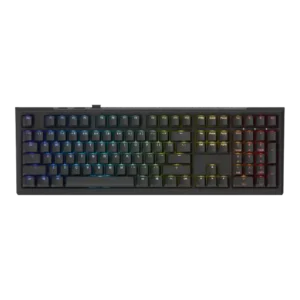
Stabilizer quality was a major strength, with reviewers praising lubed, solid, vastly improved stabilizers and reduced wobble or rattle.
Pros: typing feel, key stability
Cons: profile management, wrist rest quality
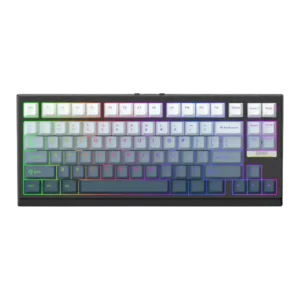
Stabilizer quality was praised for lubrication and lack of rattle, with another reviewer calling the stabilizers nicely lubed.
Pros: desk space efficiency, layout options
Cons: compatibility
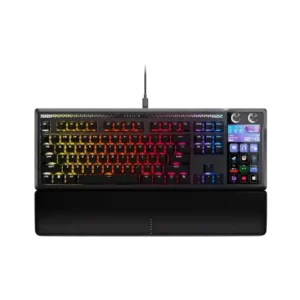
Stabilizers are praised by the reviewers who discuss them, with tuned PCB-mount stabilizers and no loose or rattly feel. This supports the keyboard's strong typing reputation.
Pros: customization options, ease of switch replacement
Cons: reliability, analog input support
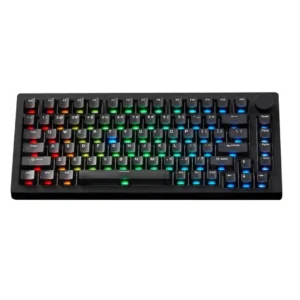
Stabilizers are generally praised as lubed, stable, rattle-free, or minimally wobbly, with included extras adding flexibility.
Pros: switch options, hot-swappable switches
Cons: portability, cable quality
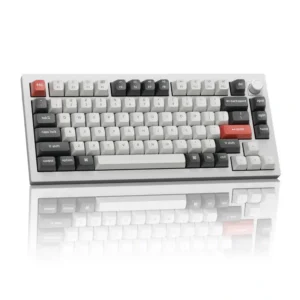
Most testers found the screw-in stabilizers tighter, quieter, and less wobbly than earlier versions. One unit had excessive resistance and a sticking space bar, creating a serious quality-control concern.
Pros: legend visibility, RGB customization
Cons: actuation consistency, rapid trigger support
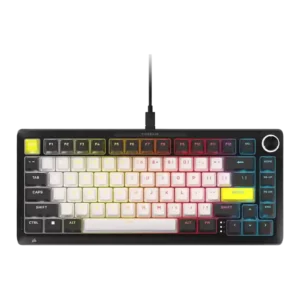
Stabilizer evidence was sharply mixed, ranging from praised stable larger keys to strong complaints about rattle, thin lubing, and poor tuning.
Pros: per-key lighting control, durability
Cons: portability, noise level