#1
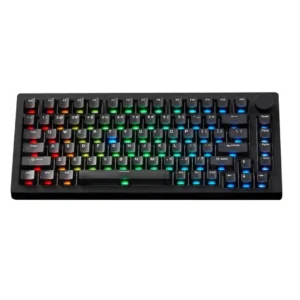
Reviewers consistently value the switch ecosystem, especially the TMR model's ability to mix magnetic and mechanical switches and the availability of multiple Akko options.
Pros: switch options, hot-swappable switches
Cons: portability, cable quality
#2
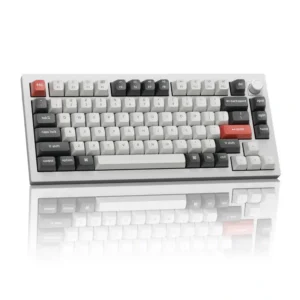
Red, Brown, and Banana variants cover gaming, mixed use, and stronger tactility, and the hot-swap design makes alternatives easy. The Brown option drew the harshest criticism.
Pros: legend visibility, RGB customization
Cons: actuation consistency, rapid trigger support
#3
Switch choice was praised in the budget-focused review, especially the Creamy Jade option for users who prefer a softer aesthetic.
Pros: desk space efficiency, layout options
Cons: compatibility
#4
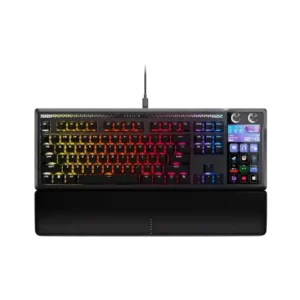
Out of the box, the switch choice is limited to the MLX Pulse linear switch. Hot-swap support softens that limitation because buyers can install compatible mechanical switches later.
Pros: customization options, ease of switch replacement
Cons: reliability, analog input support
#5
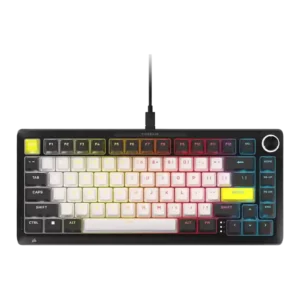
Switch-option evidence was limited and negative because standard MX tactile and clicky switches are not usable on the Hall Effect PCB.
Pros: per-key lighting control, durability
Cons: portability, noise level
#6
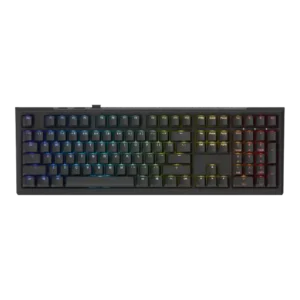
Switch options were a recurring limitation: the board uses proprietary Ducky inductive switches, with few or no alternatives, although one reviewer described multiple switch options positively.
Pros: typing feel, key stability
Cons: profile management, wrist rest quality
#7
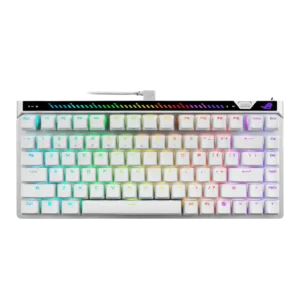
Switch option sentiment was weak because reviewers repeatedly noted proprietary or limited magnetic-switch compatibility, which restricts experimentation.
Pros: key responsiveness, latency
Cons: analog input support, wrist rest quality
#8
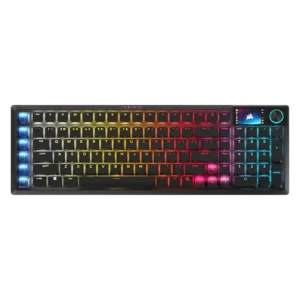
Only fixed OPX optical switches are offered, with no Hall Effect, alternate feel, or adjustable-actuation option for buyers who want deeper switch choice.
Pros: key stability, stabilizer quality
Cons: analog input support, rapid trigger support