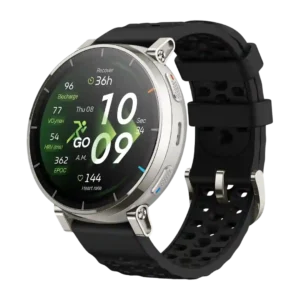
Charging convenience has limited positive evidence because the familiar Amazfit charger works across several recent models.
Pros: pairing reliability, brightness
Cons: Wi-Fi connectivity, Bluetooth connectivity
Charging convenience has limited positive evidence because the familiar Amazfit charger works across several recent models.
Pros: pairing reliability, brightness
Cons: Wi-Fi connectivity, Bluetooth connectivity
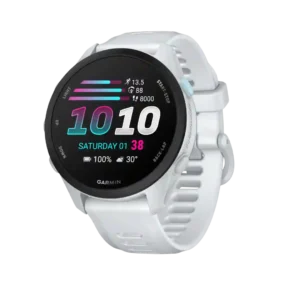
Quick mid-range charging makes brief top-ups practical, and the familiar Garmin connector is easy to use. Charging slows near full capacity as expected.
Pros: step counting accuracy, app ecosystem
Cons: Bluetooth connectivity, pairing reliability
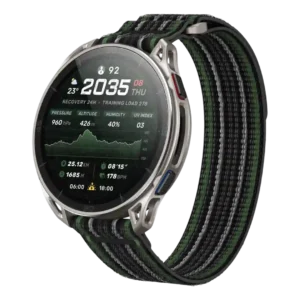
Charging convenience is mostly positive, with secure magnetic charging and useful top-up behavior, though one magnet felt only decent.
Pros: software smoothness, flashlight usefulness
Cons: sleep tracking accuracy, ECG functionality
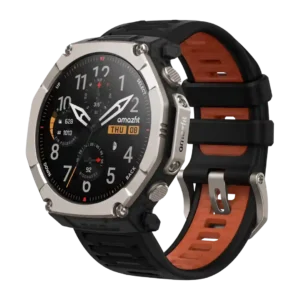
Charging convenience was positive where mentioned, thanks to the charging puck working with common USB-C cables.
Pros: display quality, brightness
Cons: onboard music storage, size options
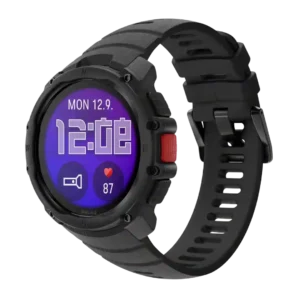
Charging convenience was positive because the shared USB-C charger was described as useful for owners of multiple Polar watches.
Pros: workout tracking variety, flashlight usefulness
Cons: blood oxygen tracking, ECG functionality
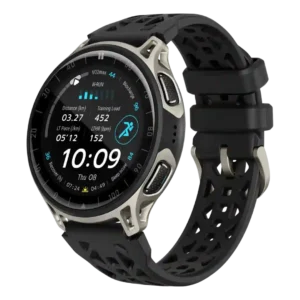
Charging convenience was mixed: the magnetic puck was liked, but reviewers disliked the proprietary charger and need to carry another accessory.
Pros: calorie tracking usefulness, durability
Cons: ECG functionality, size options
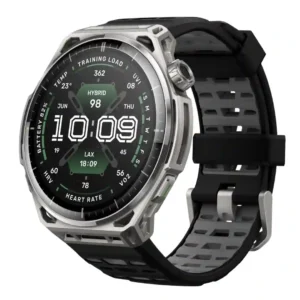
The magnetic USB-C charging head is straightforward, but the box omits the cable. Reviewers viewed that as mildly inconvenient even if it reduces packaging.
Pros: battery life, watch face quality
Cons: activity auto-detection, LTE connectivity
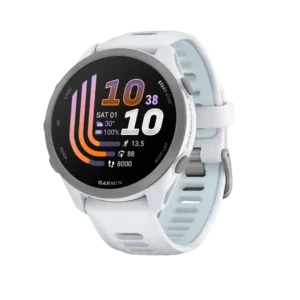
Garmin’s proprietary cable is less convenient than magnetic or wireless alternatives and can shift out of place on the watch.
Pros: music controls, pairing reliability
Cons: LTE connectivity, ECG functionality