#1
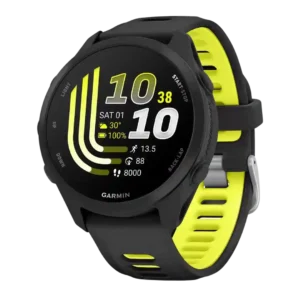
Garmin Pay is a useful convenience and a key reason to choose the 170 over the 70. Its value depends on bank support and whether buyers can justify the price...
Pros: recovery insights, fitness tracking accuracy
Cons: ECG functionality, call handling
#2
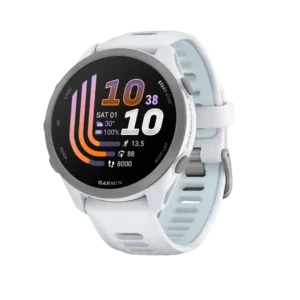
Garmin Pay is convenient for phone-free coffee, water, or emergency purchases. Its value depends heavily on local bank support and whether the extra model cost feels justified.
Pros: music controls, pairing reliability
Cons: LTE connectivity, ECG functionality
#3
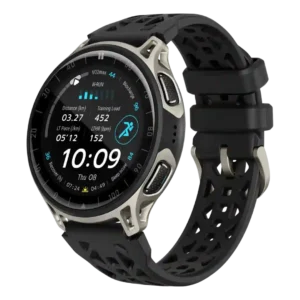
Contactless payments were positively described as practical for errands, coffee or post-workout stops without carrying a phone.
Pros: calorie tracking usefulness, durability
Cons: ECG functionality, size options
#4
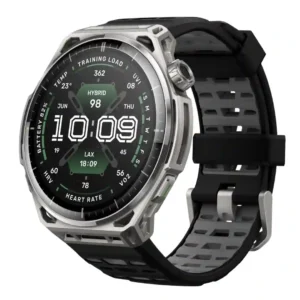
Zepp Pay is present, but regional and bank support limits its usefulness. European users may need Curve, and not every German bank is directly supported.
Pros: battery life, watch face quality
Cons: activity auto-detection, LTE connectivity
#5
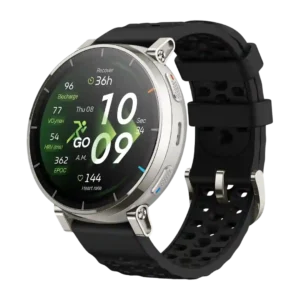
Contactless payments are region-dependent: one reviewer says Zepp Pay does not work in the United States, while a European reviewer reports Curve-based payment works smoothly.
Pros: pairing reliability, brightness
Cons: Wi-Fi connectivity, Bluetooth connectivity
#6
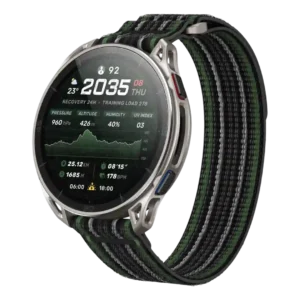
Contactless payment works quickly after setup, but enrollment and PIN friction make the implementation less convenient.
Pros: software smoothness, flashlight usefulness
Cons: sleep tracking accuracy, ECG functionality
#7
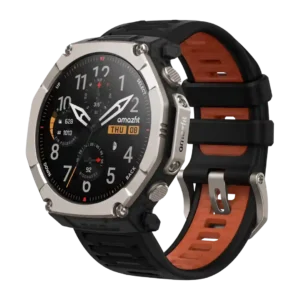
Contactless-payment evidence was region-dependent: one review liked European NFC support, while others criticized limited or unavailable payment support.
Pros: display quality, brightness
Cons: onboard music storage, size options
#8
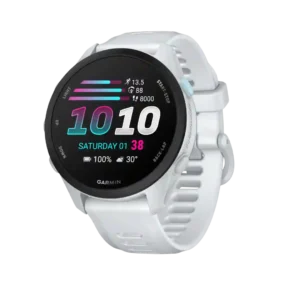
Garmin Pay is completely absent, so runners must carry a phone, card, or cash for purchases. This is one of the clearest reasons to consider the Forerunner 170.
Pros: step counting accuracy, app ecosystem
Cons: Bluetooth connectivity, pairing reliability