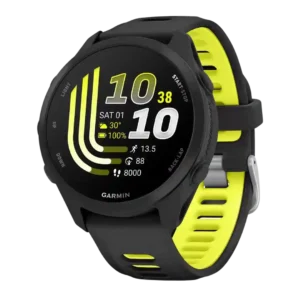
The refreshed Garmin interface makes menus smoother and faster to move through than on earlier entry-level models.
Pros: recovery insights, fitness tracking accuracy
Cons: ECG functionality, call handling
The refreshed Garmin interface makes menus smoother and faster to move through than on earlier entry-level models.
Pros: recovery insights, fitness tracking accuracy
Cons: ECG functionality, call handling
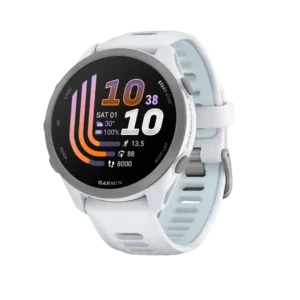
The updated menus move quickly and physical-button navigation is easy during workouts. A few controls, including the start action, can still feel ambiguous.
Pros: music controls, pairing reliability
Cons: LTE connectivity, ECG functionality
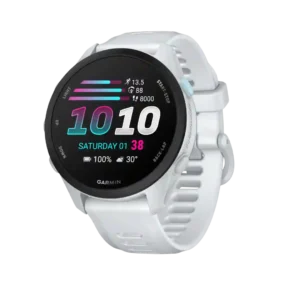
The five-button layout and cleaner software make menus easy to move through during workouts or daily use. Touch remains available for faster scrolling.
Pros: step counting accuracy, app ecosystem
Cons: Bluetooth connectivity, pairing reliability
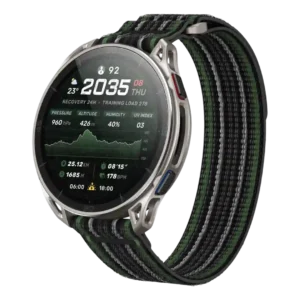
Menu navigation benefits from responsive menus, workout screens, and map display performance.
Pros: software smoothness, flashlight usefulness
Cons: sleep tracking accuracy, ECG functionality
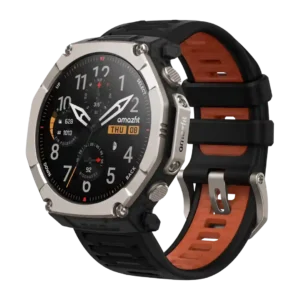
Menu navigation was praised as easy, helped by physical buttons and touchscreen control.
Pros: display quality, brightness
Cons: onboard music storage, size options
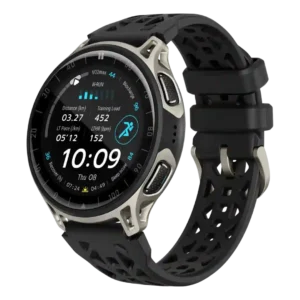
Menu navigation was serviceable but not effortless; reviewers liked straightforward navigation yet noted a learning curve and some complexity.
Pros: calorie tracking usefulness, durability
Cons: ECG functionality, size options
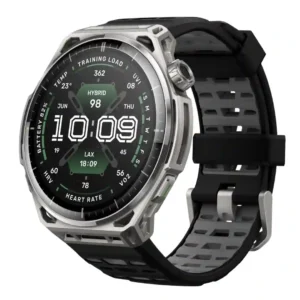
The crown can feel excellent when well weighted and used deliberately, but experiences varied. One unit lagged badly during fast scrolling, while another reviewer found crown navigation easy and controlled.
Pros: battery life, watch face quality
Cons: activity auto-detection, LTE connectivity
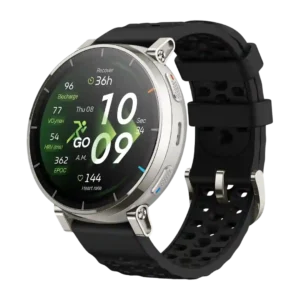
Menu navigation has a mild concern because a reviewer found Amazfit's navigation changes frequent enough to question them.
Pros: pairing reliability, brightness
Cons: Wi-Fi connectivity, Bluetooth connectivity