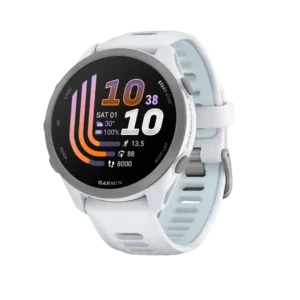
Core tracking and everyday functions proved dependable across running, swimming, and gym use, even though the hardware is not Garmin’s newest.
Pros: music controls, pairing reliability
Cons: LTE connectivity, ECG functionality
Core tracking and everyday functions proved dependable across running, swimming, and gym use, even though the hardware is not Garmin’s newest.
Pros: music controls, pairing reliability
Cons: LTE connectivity, ECG functionality
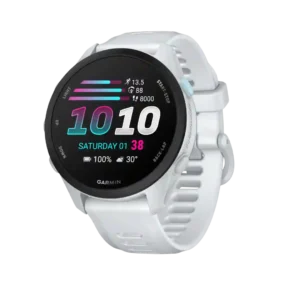
Day-to-day tracking and software are generally stable, with few complaints across extended testing. Occasional Bluetooth and syncing problems are the main reliability caveat.
Pros: step counting accuracy, app ecosystem
Cons: Bluetooth connectivity, pairing reliability
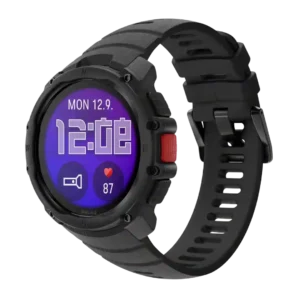
Reliability was praised in general terms through comments about consistency, daily dependability, and a tough, simple, reliable experience.
Pros: workout tracking variety, flashlight usefulness
Cons: blood oxygen tracking, ECG functionality
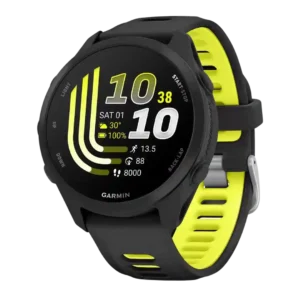
Road-running performance is dependable enough for several reviewers to use it as a primary training watch. Reliability becomes more mixed in dense forest, steep terrain, and technical hiking.
Pros: recovery insights, fitness tracking accuracy
Cons: ECG functionality, call handling
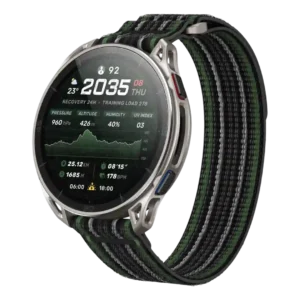
Reliability is mixed: endurance and GPS are taken seriously, but automatic rerouting was criticized for not working reliably.
Pros: software smoothness, flashlight usefulness
Cons: sleep tracking accuracy, ECG functionality
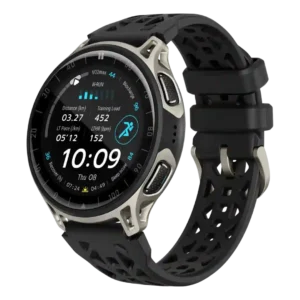
Reliability evidence was limited and mixed, mainly around inconsistent heart-rate/GPS moments and one wrong first GPS run.
Pros: calorie tracking usefulness, durability
Cons: ECG functionality, size options
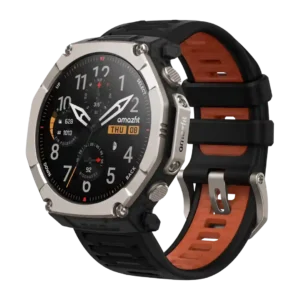
Reliability was mixed to poor overall: hardware seemed trustworthy, but several reviewers said key new software features did not reliably work.
Pros: display quality, brightness
Cons: onboard music storage, size options