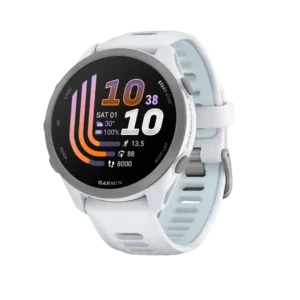
The compact 42–43mm design works for many wrists, but there is no larger case option for buyers who prefer a bigger display or more substantial watch.
Pros: music controls, pairing reliability
Cons: LTE connectivity, ECG functionality
The compact 42–43mm design works for many wrists, but there is no larger case option for buyers who prefer a bigger display or more substantial watch.
Pros: music controls, pairing reliability
Cons: LTE connectivity, ECG functionality
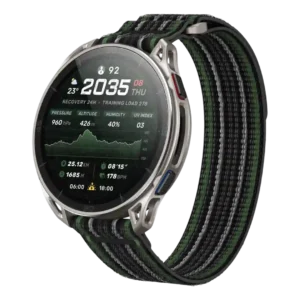
Size is a tradeoff: the larger case improves screen experience, but very slim wrists may not be ideal.
Pros: software smoothness, flashlight usefulness
Cons: sleep tracking accuracy, ECG functionality
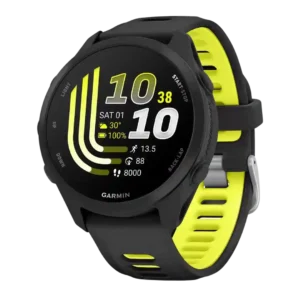
The compact single case works well for many smaller wrists, but buyers who need multiple case sizes have no alternative.
Pros: recovery insights, fitness tracking accuracy
Cons: ECG functionality, call handling
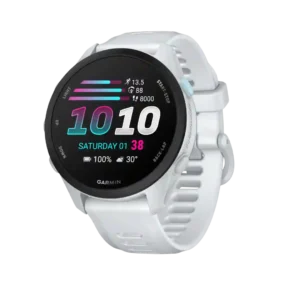
Only one compact case size is available, which suits many runners but may still feel large on very slender wrists. There is no larger alternative for those who prefer bigger...
Pros: step counting accuracy, app ecosystem
Cons: Bluetooth connectivity, pairing reliability
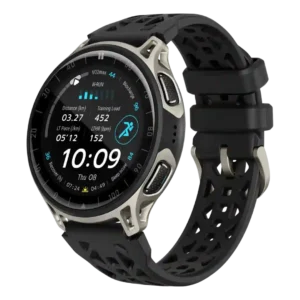
Size options were a concern because reviewers repeatedly said smaller-wristed users could benefit from a smaller or more compact model.
Pros: calorie tracking usefulness, durability
Cons: ECG functionality, size options
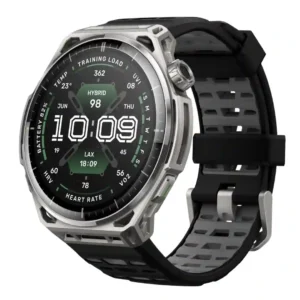
The watch comes in only one 51.4mm case size. That lack of a smaller option excludes many slim-wristed buyers.
Pros: battery life, watch face quality
Cons: activity auto-detection, LTE connectivity
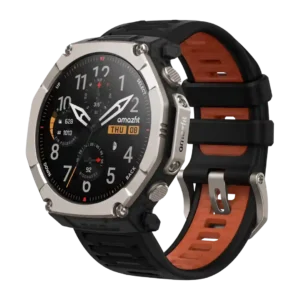
Size options were limited in the evidence, with one review calling one-size availability a downside.
Pros: display quality, brightness
Cons: onboard music storage, size options