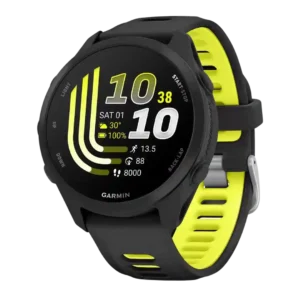
The touchscreen is responsive without feeling overly sensitive, while physical buttons remain available for workouts.
Pros: recovery insights, fitness tracking accuracy
Cons: ECG functionality, call handling
The touchscreen is responsive without feeling overly sensitive, while physical buttons remain available for workouts.
Pros: recovery insights, fitness tracking accuracy
Cons: ECG functionality, call handling
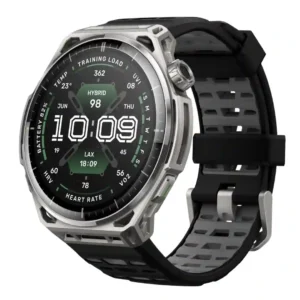
Touch input was consistently described as smooth, fast, and highly responsive, with a premium feel comparable to modern phone displays.
Pros: battery life, watch face quality
Cons: activity auto-detection, LTE connectivity
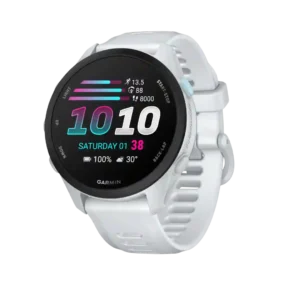
Touch input is quick and responsive in normal conditions, with buttons available when hands are wet or gloved. Heavy rain may introduce a little lag.
Pros: step counting accuracy, app ecosystem
Cons: Bluetooth connectivity, pairing reliability
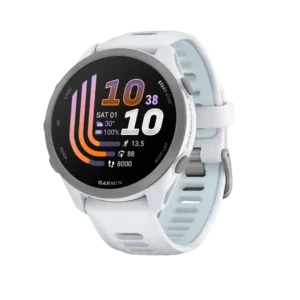
Swipes and taps register quickly without feeling overly sensitive. Touch works well for menus and music, while buttons remain available for workouts.
Pros: music controls, pairing reliability
Cons: LTE connectivity, ECG functionality
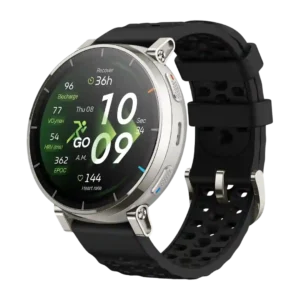
Touchscreen responsiveness is positive in the available evidence, with reviewers noting little lag and smooth operation.
Pros: pairing reliability, brightness
Cons: Wi-Fi connectivity, Bluetooth connectivity
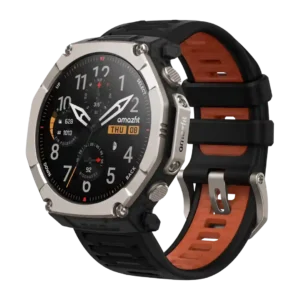
Touchscreen responsiveness was mostly good, though one reviewer found it overly sensitive and in need of subtlety.
Pros: display quality, brightness
Cons: onboard music storage, size options
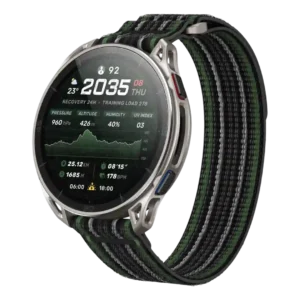
Touch response is praised on the display, but one reviewer disliked the double-tap unlock behavior during activity.
Pros: software smoothness, flashlight usefulness
Cons: sleep tracking accuracy, ECG functionality
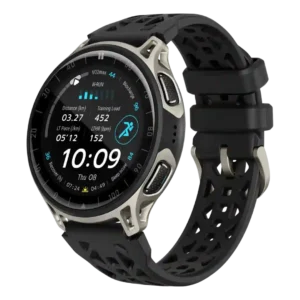
Touchscreen responsiveness was split: several reviewers called it responsive, while others said sensitivity caused accidental inputs during running or wet use.
Pros: calorie tracking usefulness, durability
Cons: ECG functionality, size options