#1
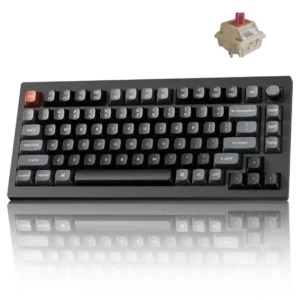
Key remapping, firmware controls, lighting, polling, macros, and even downloadable case files make this unusually open to personalization. It works well both as a ready-made board and as a platform...
Pros: key responsiveness, actuation consistency
Cons: rapid trigger support, analog input support
#2
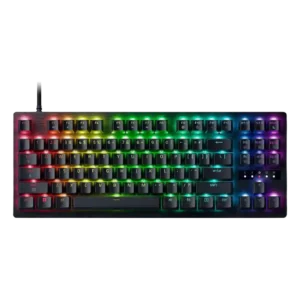
Customization is a standout: reviewers highlight actuation tuning, Rapid Trigger settings, onboard adjustments, software control, browser options, and deep analog behavior.
Pros: polling rate, RGB customization
Cons: key stability, typing comfort
#3
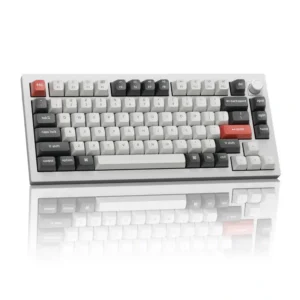
The board is highly modifiable through switch and keycap swaps, internal foam changes, remapping, macros, lighting, layers, and advanced firmware settings.
Pros: legend visibility, RGB customization
Cons: actuation consistency, rapid trigger support
#4
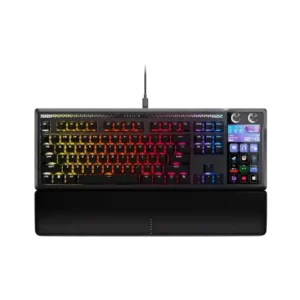
Customization is exceptionally broad, spanning Stream Deck actions, widgets, profiles, RGB, plugins, and key assignments. Positive owners often describe it as endless or unmatched.
Pros: customization options, ease of switch replacement
Cons: reliability, analog input support
#5
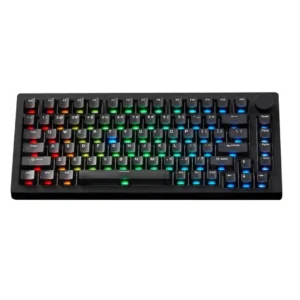
Customization options are a central strength, spanning disassembly, switch swaps, actuation, macros, lighting, knob functions, and sound tuning.
Pros: switch options, hot-swappable switches
Cons: portability, cable quality
#6
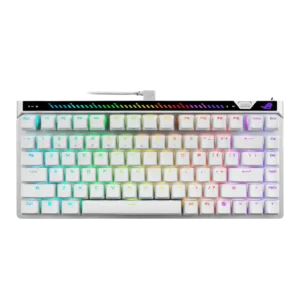
Customization was a strong point, with actuation, rapid trigger, RGB, key assignments, and browser-based tuning repeatedly praised.
Pros: key responsiveness, latency
Cons: analog input support, wrist rest quality
#7
Customization options were a strength, with reviewers praising extensive software controls, rapid-trigger settings, and broad configurability.
Pros: desk space efficiency, layout options
Cons: compatibility
#8
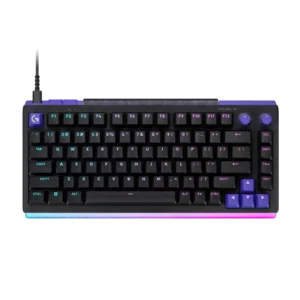
This is one of the board’s clearest strengths: users can mix switch types, tune actuation, set Rapid Trigger and dual actions, remap keys, and personalize lighting. The depth rewards experimentation...
Pros: latency, RGB customization
Cons: actuation consistency, connectivity
#9
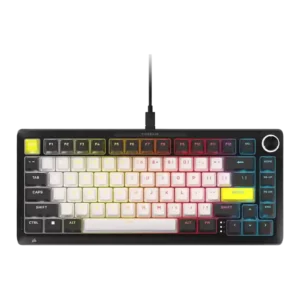
Customization was one of the strongest themes, with praise for upgrade modules, actuation tuning, lighting control, and broad software control, though modularity confused some reviewers.
Pros: per-key lighting control, durability
Cons: portability, noise level
#10
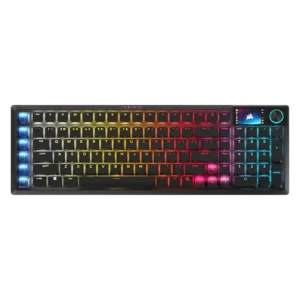
Web Hub exposes broad control over remapping, macros, lighting, profiles, polling, FlashTap, the dial, and display. Some reviewers still found advanced lighting, screen, or dial options more limited than the...
Pros: key stability, stabilizer quality
Cons: analog input support, rapid trigger support
#11
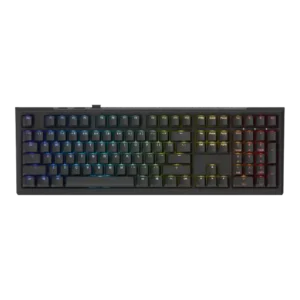
Customization options were broad in concept but uneven in execution, with praised actuation/RGB controls offset by limited guidance, profiles, and advanced settings.
Pros: typing feel, key stability
Cons: profile management, wrist rest quality