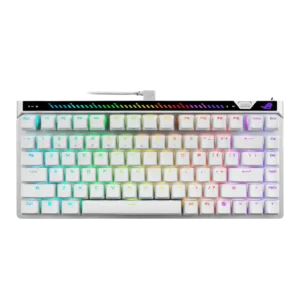
Latency feedback was excellent, with reviewers praising the wired connection and minimal signal delay.
Pros: key responsiveness, latency
Cons: analog input support, wrist rest quality
Latency feedback was excellent, with reviewers praising the wired connection and minimal signal delay.
Pros: key responsiveness, latency
Cons: analog input support, wrist rest quality
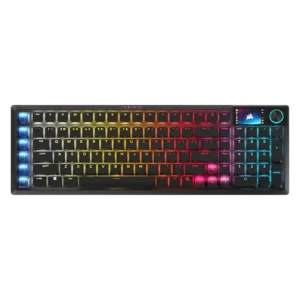
Wired and Slipstream wireless latency is effectively imperceptible. Reviewers reported no lag in competitive play, with sub-millisecond behavior and reliable rapid inputs.
Pros: key stability, stabilizer quality
Cons: analog input support, rapid trigger support
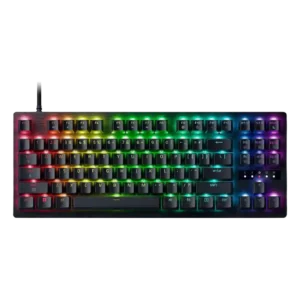
Latency is a major strength, with reviewers tying the 8KHz implementation to extremely low input delay and tight on-screen response.
Pros: polling rate, RGB customization
Cons: key stability, typing comfort
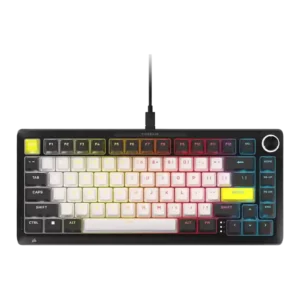
Latency evidence was strongly positive, especially around immediate feel, low-latency operation, and wired-equivalent responsiveness.
Pros: per-key lighting control, durability
Cons: portability, noise level
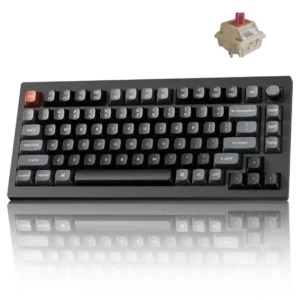
Reviewers experienced no meaningful input lag in games, whether using high polling rates or standard modes. Most also felt 1,000Hz would already be fast enough for ordinary users.
Pros: key responsiveness, actuation consistency
Cons: rapid trigger support, analog input support
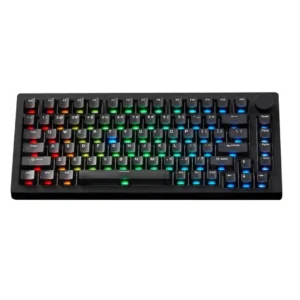
Latency evidence is positive overall, with reviewers reporting very low measured latency and no meaningful lag in wired or wireless use.
Pros: switch options, hot-swappable switches
Cons: portability, cable quality
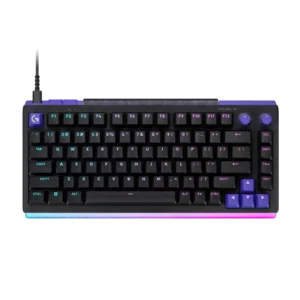
The wired 8,000Hz mode and very low quoted response time deliver exceptionally direct input. Most ordinary players may not consciously perceive the full advantage.
Pros: latency, RGB customization
Cons: actuation consistency, connectivity
Latency evidence was positive where discussed, with the wired Type-C connection praised for consistency and less lag.
Pros: desk space efficiency, layout options
Cons: compatibility
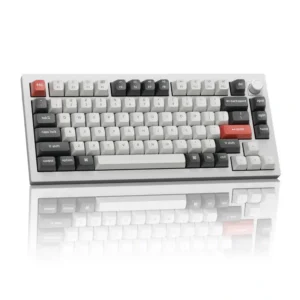
Wired and 2.4GHz performance is consistently described as extremely responsive, with no noticeable delay in most tests. One reviewer found large stabilized keys slow to return, creating a serious outlier.
Pros: legend visibility, RGB customization
Cons: actuation consistency, rapid trigger support
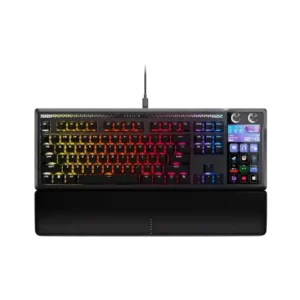
Reviewers like the low-latency promise of 8,000Hz polling and shorter hand travel to the Stream Deck controls. One reviewer did notice input delay on the Stream Deck side during rapid...
Pros: customization options, ease of switch replacement
Cons: reliability, analog input support
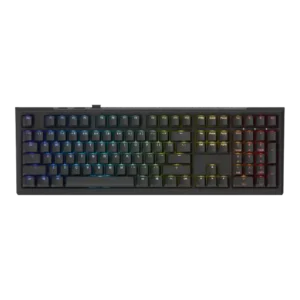
Latency impressions were mostly positive in wired and wireless use, but one reviewer questioned the latency tradeoff of going wireless for a performance keyboard.
Pros: typing feel, key stability
Cons: profile management, wrist rest quality