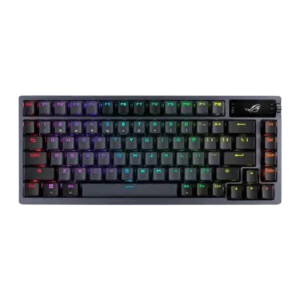
Sound dampening was a major strength, with reviewers praising the layered foam, silicone, and gaskets for reducing ping, hollowness, and harshness.
Pros: durability, wireless performance
Cons: passthrough features, onboard memory
Sound dampening was a major strength, with reviewers praising the layered foam, silicone, and gaskets for reducing ping, hollowness, and harshness.
Pros: durability, wireless performance
Cons: passthrough features, onboard memory
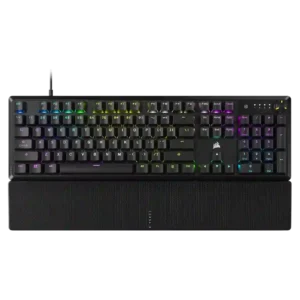
Sound dampening was one of the most consistently praised attributes, with foam layers credited for lower ping, quieter typing, and better acoustics.
Pros: per-key lighting control, compatibility
Cons: ease of switch replacement, hot-swappable switches
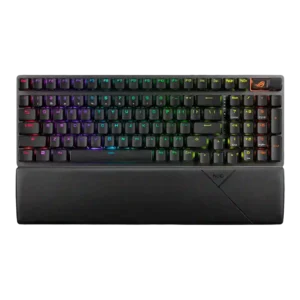
Sound dampening is strongly praised, with reviewers repeatedly crediting foam, pads, and dampening materials for reducing ping, hollowness, and reverberation.
Pros: per-key lighting control, wireless performance
Cons: rapid trigger support, analog input support
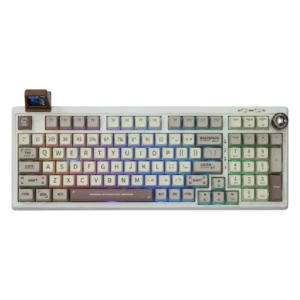
Sound dampening is widely praised; foam, gasket-style structure, and case design reduce hollowness, pinging, and harshness.
Pros: noise level, acoustics
Cons: rapid trigger support, actuation consistency
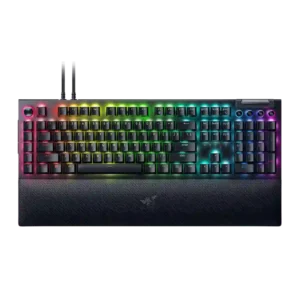
Sound dampening was generally effective, with reviewers crediting foam, tape mods, and damping for reduced ping, reverb, and a more refined sound.
Pros: key stability, ease of switch replacement
Cons: compatibility, battery life
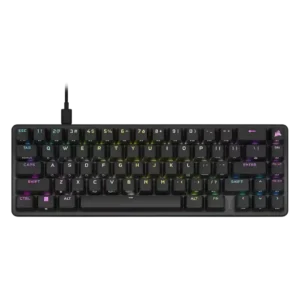
Sound dampening was generally praised for reducing ping and harshness, though one reviewer felt the internal foam did not do much.
Pros: volume control, key responsiveness
Cons: wireless performance, wrist rest quality
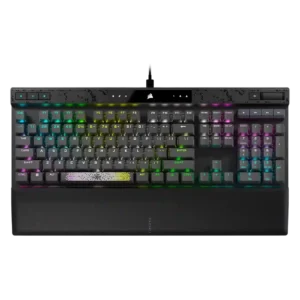
Sound dampening was improved over some Corsair boards and praised by several reviewers, but others said it was insufficient for the price.
Pros: reliability, key responsiveness
Cons: desk space efficiency, wireless performance