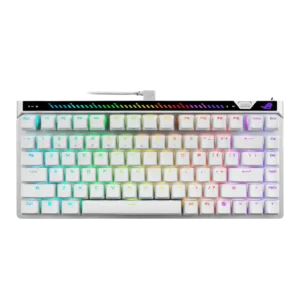
Sound dampening was praised for reducing ping, rattle, and resonance across several reviews.
Pros: key responsiveness, latency
Cons: analog input support, wrist rest quality
Sound dampening was praised for reducing ping, rattle, and resonance across several reviews.
Pros: key responsiveness, latency
Cons: analog input support, wrist rest quality
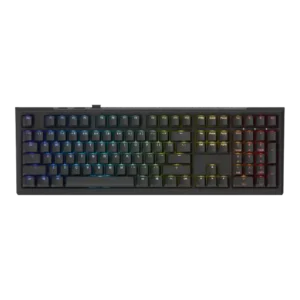
Sound dampening was strongly praised for its layers of foam, dampening materials, and controlled sound, though modders disliked how hard it was to alter.
Pros: typing feel, key stability
Cons: profile management, wrist rest quality
Sound dampening was praised through subdued keys, spacebar foam, and internal foams shaping the board's sound profile.
Pros: desk space efficiency, layout options
Cons: compatibility
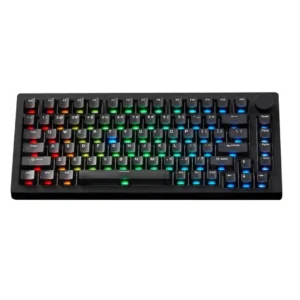
Sound dampening is effective in most builds, helping reduce hollowness and resonance, though some reviewers consider the foams typical or limiting for foamless builds.
Pros: switch options, hot-swappable switches
Cons: portability, cable quality
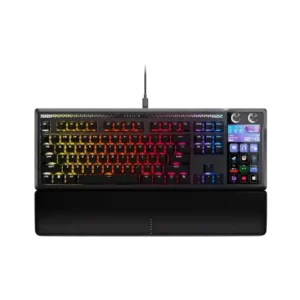
Sound dampening is consistently appreciated, with several reviewers noting the multi-layer damping and echo-free feel. It helps the board sound fuller and less pingy than older gaming keyboards.
Pros: customization options, ease of switch replacement
Cons: reliability, analog input support
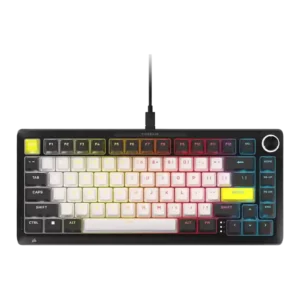
Sound dampening was often praised for reducing hollow resonance and improving feel, but some reviewers felt the board was over-dampened or still compromised by stabilizers.
Pros: per-key lighting control, durability
Cons: portability, noise level
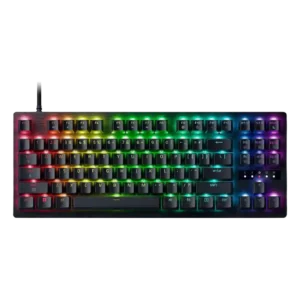
Sound dampening is improved in the more positive takes, especially where foam creates a better typing sound. One review still finds the switches under-damped and a little harsh.
Pros: polling rate, RGB customization
Cons: key stability, typing comfort