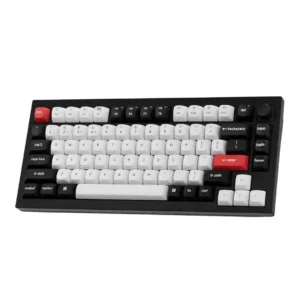
Sound dampening is a standout, with reviewers repeatedly praising foam, gaskets, acoustic pads, and reduced ping or noise.
Pros: key stability, frame rigidity
Cons: profile management, reliability
Sound dampening is a standout, with reviewers repeatedly praising foam, gaskets, acoustic pads, and reduced ping or noise.
Pros: key stability, frame rigidity
Cons: profile management, reliability
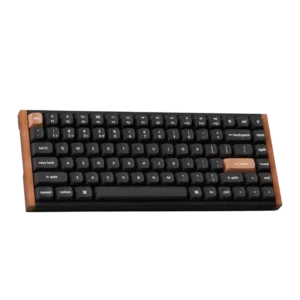
Sound dampening was praised for muted, premium, thocky sound from internal foam, silicone, and dampening layers.
Pros: wrist rest quality, onboard memory
Cons: per-key lighting control, switch options
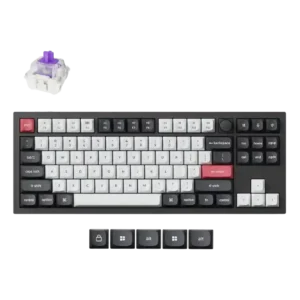
Sound dampening was praised where discussed, with padding and internal construction credited for reducing unwanted noise and improving sound.
Pros: build quality, extra gaming features
Cons: switch options, hot-swappable switches
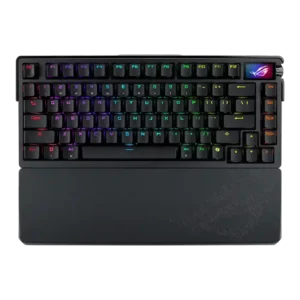
Sound dampening was strongly praised for reducing ping, hollow reverberation, and case resonance through foam and silicone layers.
Pros: key spacing, reliability
Cons: rapid trigger support, analog input support
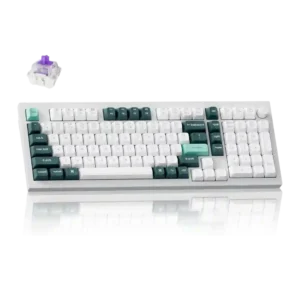
Sound dampening was viewed positively, with reviewers linking foam, gasket design, and dampening layers to bounce, reduced ping, and a softer typing experience.
Pros: cable quality, typing comfort
Cons: portability, switch options
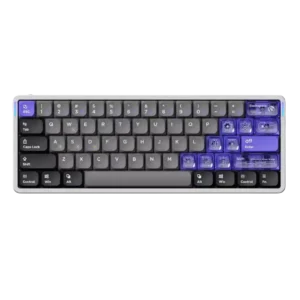
Sound dampening was praised when reviewers mentioned the foam and silicone layers, which helped make the thin board sound more refined.
Pros: frame rigidity, rapid trigger support
Cons: switch options, legend visibility
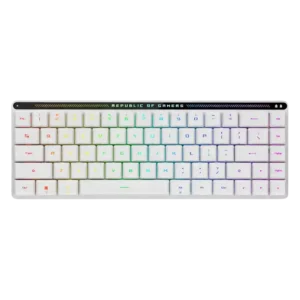
Sound dampening is strongly praised for reducing ping, rattle, echo, and case noise through silicone foam layers.
Pros: reliability, typing comfort
Cons: cable quality, wrist rest quality

Sound dampening was praised for reducing ping, refining the sound, and isolating vibration through the case design and internal layers.
Pros: value for money, customization options
Cons: cable quality, portability
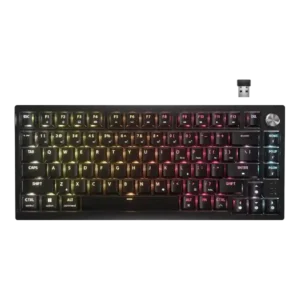
Sound dampening was strongly praised, with reviewers crediting the foam and silicone layers for quieter, smoother, less hollow sound.
Pros: latency, durability
Cons: legend visibility, rapid trigger support
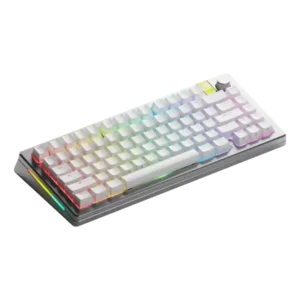
Sound dampening was a strength in positive configurations, with reviewers praising the dampened thud, gaskets, and quiet heavy-frame construction.
Pros: materials quality, customization options
Cons: reliability, actuation consistency
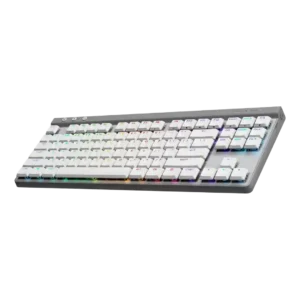
Sound dampening was one of the clearest strengths, with many reviews crediting foam and lubrication for a quieter, more refined sound.
Pros: latency, wireless performance
Cons: rapid trigger support, ease of switch replacement
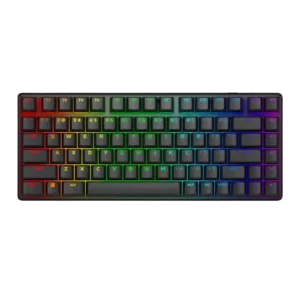
Sound dampening generally worked well to reduce hollowness, rattle, ping, and metallic resonance, but it did not make the board universally quiet.
Pros: key stability, backlight brightness
Cons: rapid trigger support, wrist rest quality
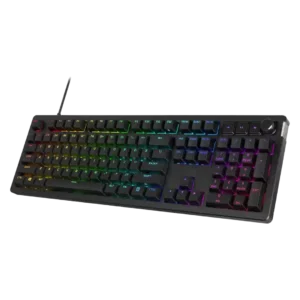
Sound dampening is widely praised, with reviewers crediting foam, gaskets, or integrated dampening for reduced harshness and better sound.
Pros: compatibility, legend visibility
Cons: wrist rest quality, cable quality
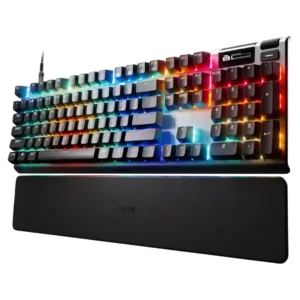
Sound dampening was generally seen as improved and effective, though one video reviewer still found the sound less refined than expected.
Pros: key responsiveness, durability
Cons: passthrough features, analog input support
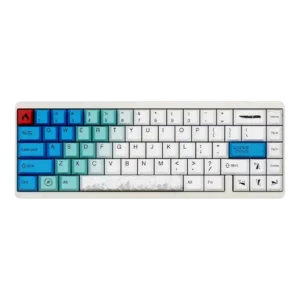
Sound dampening was viewed positively in limited evidence, with one reviewer saying the construction made the keyboard sound more premium.
Pros: durability, key responsiveness
Cons: reliability, RGB customization
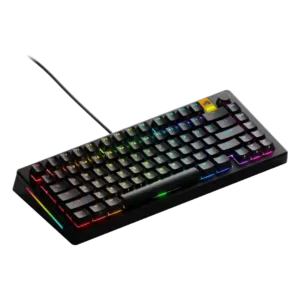
Sound dampening received polarized feedback: one reviewer disliked the thin foam, while others praised internal damping and quiet typing setups.
Pros: RGB lighting quality, layout options
Cons: frame rigidity, value for money
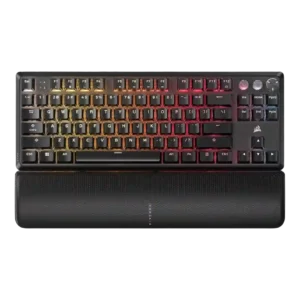
Sound dampening drew criticism when silicone layers or internal design failed to control ping, though one TKL review said silicone helped.
Pros: per-key lighting control, key responsiveness
Cons: ease of switch replacement, battery life
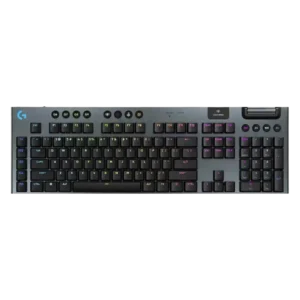
Sound dampening was a weakness in the limited evidence, with one reviewer saying Logitech lacked the foam and tuning used by more enthusiast boards.
Pros: stabilizer quality, latency
Cons: ease of switch replacement, hot-swappable switches
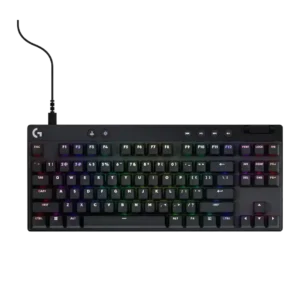
Sound dampening is weak overall; reviewers often found hollow sound or insufficient damping despite some included layers.
Pros: durability, per-key lighting control
Cons: noise level, sound dampening