#1
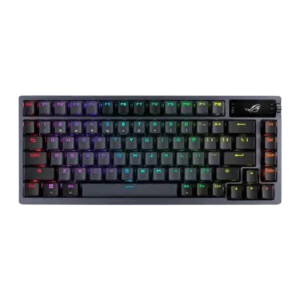
Best for premium typing feel, quiet sound, strong wireless, and mod-friendly hardware. Skip it if Armoury Crate, limited macro layers, or the high price would frustrate you.
Pros: durability, wireless performance
Cons: passthrough features, onboard memory
#2
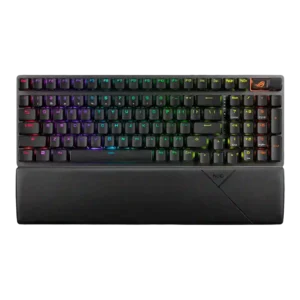
Best for a compact wireless numpad keyboard with excellent switches, quiet acoustics, strong battery life, and sturdy build. Skip it if Armoury Crate frustration, dimmer RGB, or a cramped 96%...
Pros: per-key lighting control, wireless performance
Cons: rapid trigger support, analog input support
#3
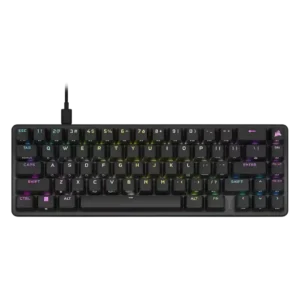
Best for a compact wired board with fast OPX switches, sturdy build, strong layout, and pleasing sound. Skip it if you need wireless, broad switch choice, a wrist rest, or...
Pros: volume control, key responsiveness
Cons: wireless performance, wrist rest quality
#4
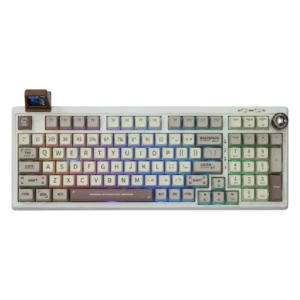
Choose the RT100 for quiet, retro-styled typing, hot-swap flexibility, and strong value. Skip it if you need polished software, a premium knob, or flawless mini-screen customization.
Pros: noise level, acoustics
Cons: rapid trigger support, actuation consistency
#5
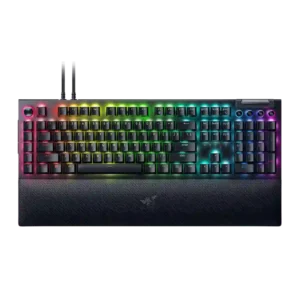
Best for a feature-packed, responsive Razer keyboard with strong macros, RGB and comfort. Skip it if desk space, quiet typing, wireless freedom, low software reliance or price matter more.
Pros: key stability, ease of switch replacement
Cons: compatibility, battery life
#6
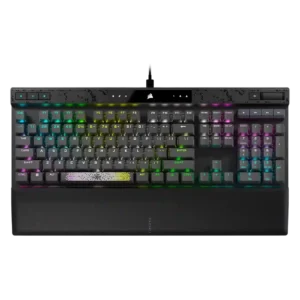
Good if you want deep actuation tuning, fast gaming response, strong RGB, and a plush wrist rest. Skip it if loud typing, full-size desk space, or paying premium prices bothers...
Pros: reliability, key responsiveness
Cons: desk space efficiency, wireless performance
#7
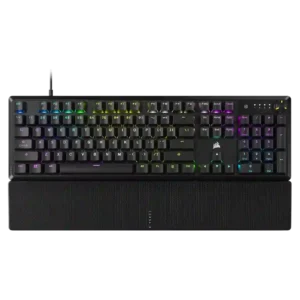
Good if you want a full-size wired keyboard with smooth, quiet typing, strong RGB, and good value. Skip it if you need a detachable cable, hot-swap switches, wireless freedom, or...
Pros: per-key lighting control, compatibility
Cons: ease of switch replacement, hot-swappable switches