Best for DPI range
Razer DeathAdder V3
5.0 feature score
Highest scored product for this feature based on supporting review evidence.
Highest scored product for this feature based on supporting review evidence.
Balances feature score, supporting reviews, and overall product strength.
Has the broadest review evidence for this feature.
Strongest overall product among items with scored evidence for this feature.
Showing Razer only. Switch back to all brands anytime.
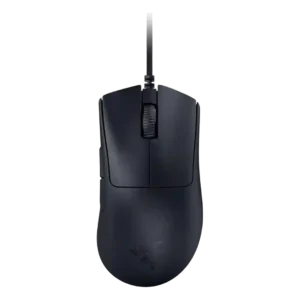
DPI range evidence was positive, with reviewers treating the 30K ceiling and wider adjustment range as a precision benefit.
Pros: Accuracy and tracking precision, sensor performance
Cons: handedness options, tilt gesture controls
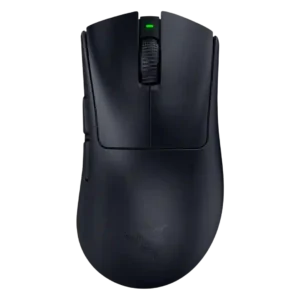
The extreme DPI ceiling was valued by reviewers who cared about surgical tuning and peak sensor headroom.
Pros: Accuracy and tracking precision, sensor performance
Cons: onboard memory, handedness options
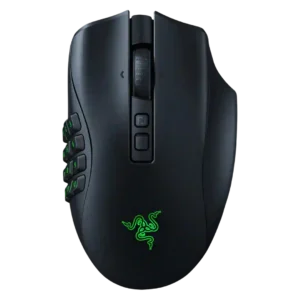
The high DPI range and DPI configuration options were praised as part of the mouse's high-performance sensor package.
Pros: sensor performance, click latency
Cons: software stability, Bluetooth support
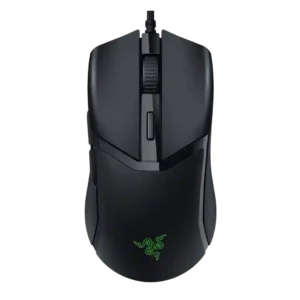
DPI and sensitivity were considered sufficient for most users, with reviewers finding the 8500 DPI range smooth or workable in practice.
Pros: Accuracy and tracking precision, motion consistency
Cons: click noise, onboard memory
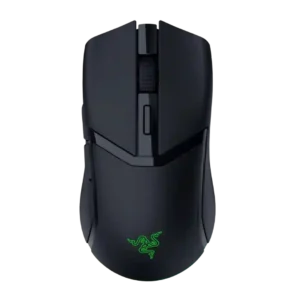
DPI range was viewed as sufficient for most gamers and competitive enough for premium use, despite one review noting rivals can reach higher DPI.
Pros: 2.4GHz connectivity, surface compatibility
Cons: click noise, software stability
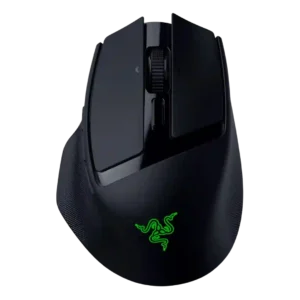
DPI handling was generally strong, with instant drift-free shifts, though one reviewer disliked the lack of a default DPI switcher.
Pros: ecosystem integration, sensor performance
Cons: AI Prompt Master, durability over time
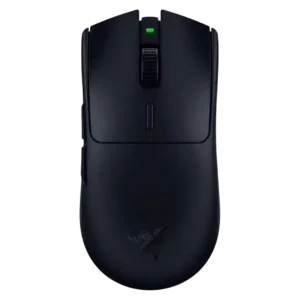
The 30K DPI ceiling was considered powerful for FPS use, though one reviewer viewed extreme DPI as more buzzword than necessity.
Pros: motion consistency, wireless latency
Cons: handedness options, onboard memory
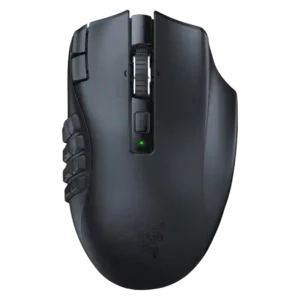
The DPI ceiling was seen as enormous and useful headroom, though one reviewer also called that much DPI unnecessary for real use.
Pros: Accuracy and tracking precision, sensor performance
Cons: handedness options, fingertip grip comfort
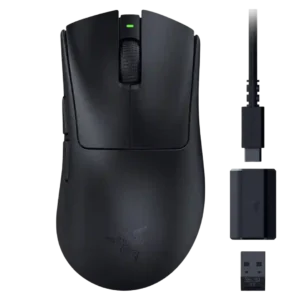
The 26K DPI ceiling was considered enough for nearly all gamers, even though some reviewers noted it is lower than flagship sensors or impractical at the top end.
Pros: click latency, motion consistency
Cons: handedness options, Bluetooth support

The huge DPI range was seen as flexible and impressive, but several reviewers said the extreme 50K ceiling is more experimental than necessary.
Pros: balance and weight distribution, build quality
Cons: dock compatibility, Bluetooth support
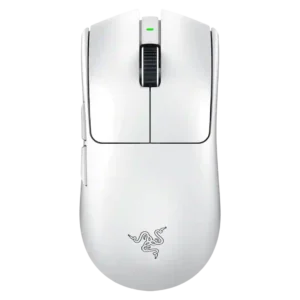
Reviewers treated the 35K DPI ceiling and single-step adjustment as technically impressive, though often more than most players need.
Pros: click latency, balance and weight distribution
Cons: 2.4GHz connectivity, software stability
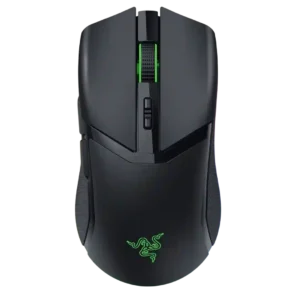
DPI control was mixed: dedicated up/down controls were praised for fast switching, but some reviewers called 30,000 DPI overkill, wonky at extremes, or cheaply implemented on the top buttons.
Pros: motion consistency, sensor performance
Cons: software stability, MMO gaming suitability
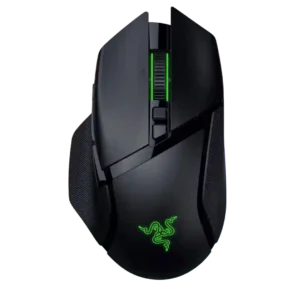
The 35K DPI ceiling was viewed as technically impressive but often overkill or not worth paying extra for.
Pros: lift-off distance, motion consistency
Cons: cross-platform compatibility, handedness options