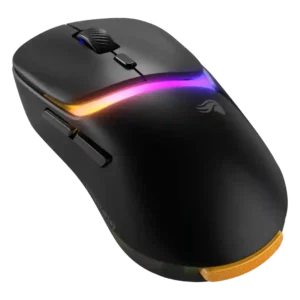
Lift-off distance earned positive mention as part of the useful competitive tuning options.
Pros: glide smoothness, sensor performance
Cons: grip texture, firmware reliability
Lift-off distance earned positive mention as part of the useful competitive tuning options.
Pros: glide smoothness, sensor performance
Cons: grip texture, firmware reliability
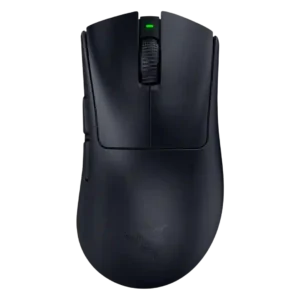
Lift-off and landing controls were praised when tied to precise surface calibration and stable control.
Pros: Accuracy and tracking precision, sensor performance
Cons: onboard memory, handedness options
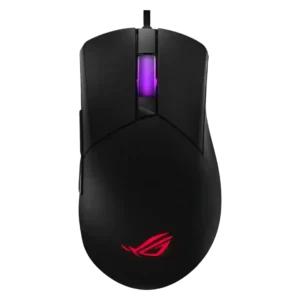
Lift-off distance control was praised as a software luxury because it could reduce the effect of lifting during play.
Pros: onboard memory, software stability
Cons: handedness options
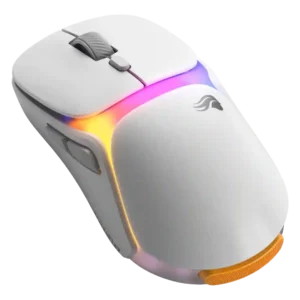
Lift-off distance mattered mainly as a competitive customization option within the software rather than as a criticized tracking flaw.
Pros: battery life, programmable buttons
Cons: software stability, firmware reliability
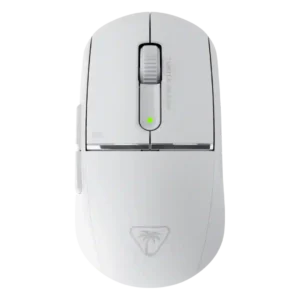
Lift-off distance tuning was viewed positively as part of the deeper sensor customization set.
Pros: wireless latency, surface compatibility
Cons: RGB features, firmware reliability
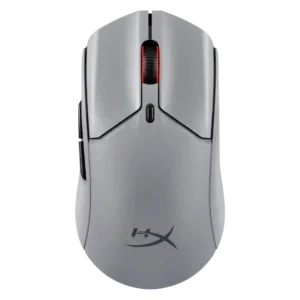
Lift-off distance received light coverage: one reviewer liked the standard 1mm feel, while another disliked the limited 1mm/2mm options.
Pros: motion consistency, wireless latency
Cons: palm grip comfort, software stability
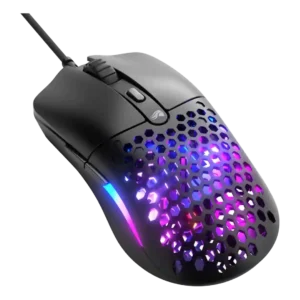
Lift-off distance drew mixed evidence because one review disliked missing adjustment, while another said the fixed distance had little practical impact.
Pros: value for money, click latency
Cons: water and dust resistance, cable flexibility
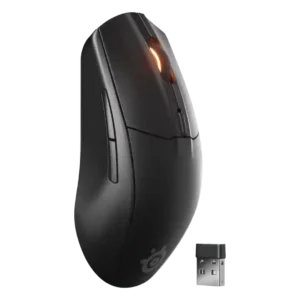
Reviewers considered the fixed lift-off distance a drawback compared with newer sensors that allow finer adjustment.
Pros: build quality, ergonomic design
Cons: handedness options, RGB features
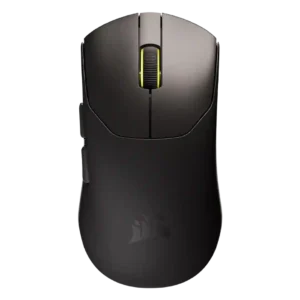
Lift-off distance customization was called out as missing, especially by reviewers expecting more advanced tuning options from a performance mouse.
Pros: connection stability, weight
Cons: click latency, cable flexibility