Best for onboard memory
SteelSeries Rival 3 Gen 2 Wired
4.5 feature score
Highest scored product for this feature based on supporting review evidence.
Highest scored product for this feature based on supporting review evidence.
Balances feature score, supporting reviews, and overall product strength.
Has the broadest review evidence for this feature.
Strongest overall product among items with scored evidence for this feature.
Showing SteelSeries only. Switch back to all brands anytime.
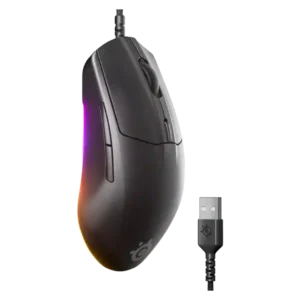
Onboard memory was useful for preserving settings across computers without relying on local software.
Pros: connection stability, left and right click quality
Cons: palm grip comfort, profile switching
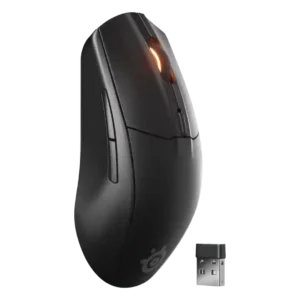
Reviewers liked that settings or DPI profiles could be saved to the mouse and carried between devices.
Pros: build quality, ergonomic design
Cons: handedness options, RGB features
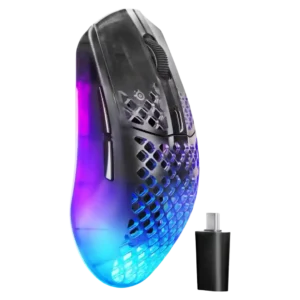
Onboard memory was seen as practical because saved profiles can make settings easier to carry across systems without software.
Pros: click latency, motion consistency
Cons: palm grip comfort, fingertip grip comfort
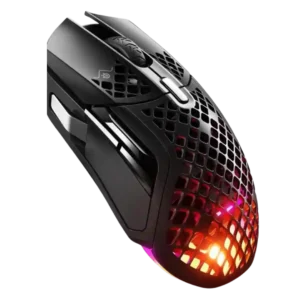
Onboard memory was useful for saving profiles, but one reviewer criticized Bluetooth mode for not preserving some settings.
Pros: motion consistency, connection stability
Cons: weight tuning, fingertip grip comfort
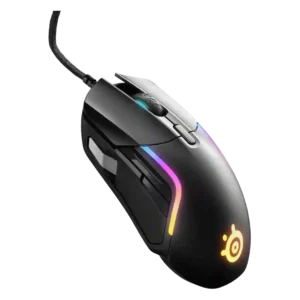
Onboard memory was a recurring weakness because RGB or broader profiles often required software, though one reviewer found saved DPI and polling adequate for events.
Pros: switch durability, surface compatibility
Cons: weight tuning, portability
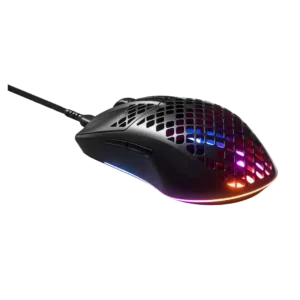
Onboard memory drew criticism because one reviewer could not get settings to save to the device.
Pros: click latency, acceleration control
Cons: palm grip comfort, onboard memory
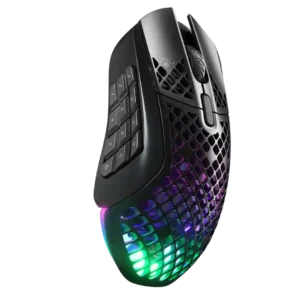
Onboard memory was criticized because profiles, macros, and RGB suites could not be fully carried between PCs.
Pros: motion consistency, surface compatibility
Cons: onboard memory, handedness options