Best for RV outlet
Pecron E3600
5.0 feature score
Highest scored product for this feature based on supporting review evidence.
Highest scored product for this feature based on supporting review evidence.
Balances feature score, supporting reviews, and overall product strength.
Has the broadest review evidence for this feature.
Strongest overall product among items with scored evidence for this feature.
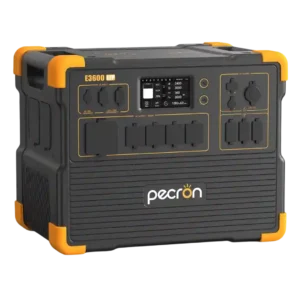
The RV outlet is genuinely useful because the inverter can supply the power needed to run real 30-amp RV loads.
Pros: power output, rated output
Cons: output stability, voltage regulation
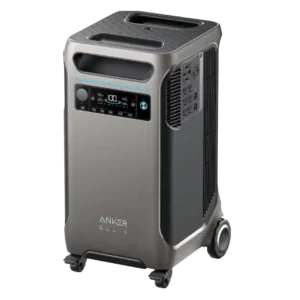
The heavy-duty RV connections make the F3800 a capable campsite or motorhome power hub, with enough output for multiple comforts at once.
Pros: rated output, output stability
Cons: car charging speed, USB-A ports
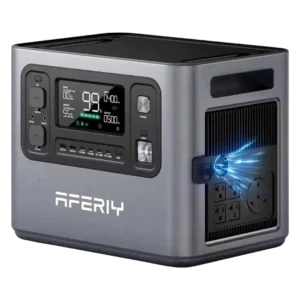
The integrated RV connection is a major advantage, letting owners plug in a trailer directly and run most or all normal RV loads.
Pros: rated output, peak output
Cons: app connectivity, voltage regulation
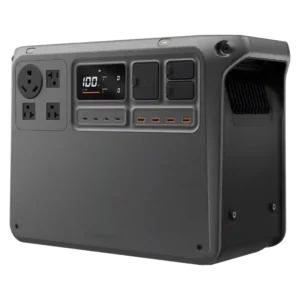
The 30-amp RV connection adds unusual versatility for campers and can run essential RV appliances within the 3,000W limit.
Pros: rated output, peak output
Cons: startup reliability, full-load noise
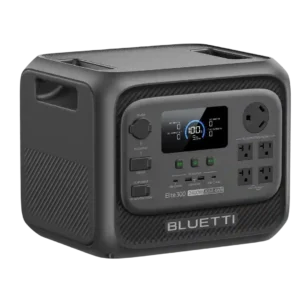
Direct RV hookup is a major convenience, avoiding adapters or custom wiring for common camper and van setups.
Pros: surge capacity, voltage regulation
Cons: water resistance, ventilation requirements
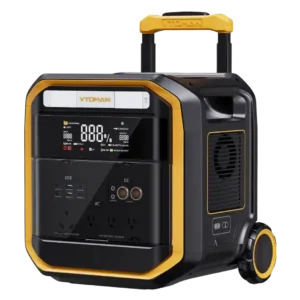
The dedicated RV connection is a useful option for caravans and mobile setups that need a direct high-current feed.
Pros: power output, surge capacity
Cons: specification accuracy, peak output
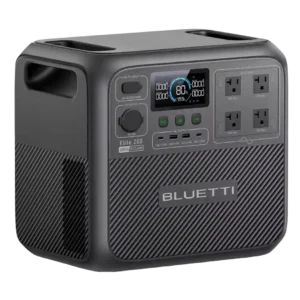
There is no dedicated RV receptacle, so RV users need an adapter and must remain within the unit's standard AC limits.
Pros: output stability, pure sine wave output
Cons: specification accuracy, startup reliability
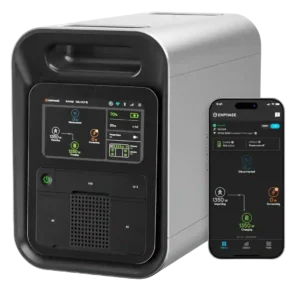
It lacks the higher-amperage RV connection some campers need, so direct RV powering may require a different station.
Pros: rated output, output stability
Cons: runtime at full load, RV outlet