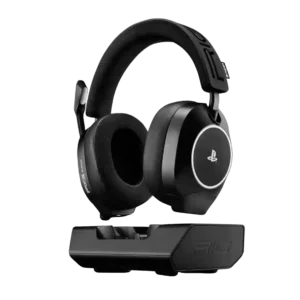
Spatial audio was a standout, with Dolby Atmos and 3D audio comments tied to clearer cues, immersion, and dramatic in-game directionality.
Pros: Spatial audio, Positional audio accuracy
Cons: Carry case quality, Detachable microphone convenience
Spatial audio was a standout, with Dolby Atmos and 3D audio comments tied to clearer cues, immersion, and dramatic in-game directionality.
Pros: Spatial audio, Positional audio accuracy
Cons: Carry case quality, Detachable microphone convenience
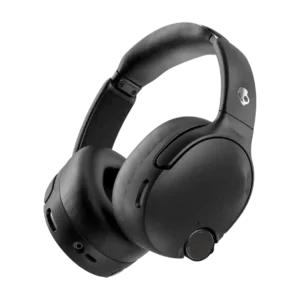
TrueSpatial is more than a novelty: reviewers heard a wider, speaker-like presentation and convincing head tracking. It works especially well for movies, stationary listening, and immersive music playback.
Pros: Treble clarity, Instrument separation
Cons: Codec support, Headband adjustability
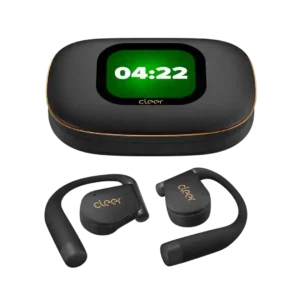
Spatial audio is a major differentiator, producing convincing depth and positional effects for movies and games. Music reactions are more mixed, with some reviewers preferring standard stereo or questioning the...
Pros: Instrument separation, Multipoint connectivity reliability
Cons: Noise isolation (passive)
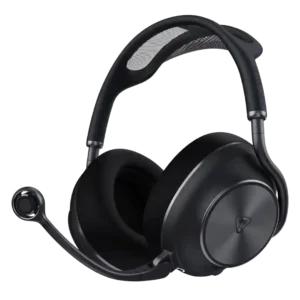
Dolby Atmos adds enjoyable height, distance, and environmental detail in supported games and movies. Competitive players may prefer native game audio because virtualization can add reverb or soften precise cues.
Pros: Codec support, Packaging quality
Cons: Multipoint connectivity reliability, Replaceable ear plates
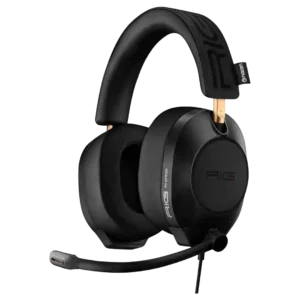
Spatial audio was positively received through Dolby Atmos or related support, though the evidence frames it as an enhancement rather than mandatory.
Pros: Audio-video sync accuracy, Battery
Cons: Bluetooth, Active noise cancellation
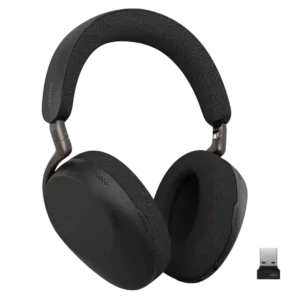
Spatial processing is often useful for making calls feel more natural and adding media depth. One listener found the music upmixing too boomy, so its value depends on content.
Pros: Frequency response accuracy, Clamping force comfort
Cons: Volume output, aptX
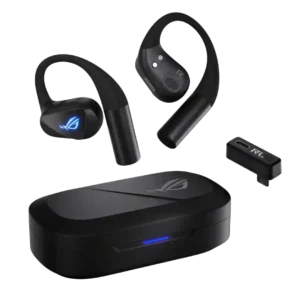
Positional performance is strong for games, especially footsteps and directional cues. A few tests find rear localization or Dolby Atmos rendering less convincing.
Pros: Transparency mode quality, Touch control responsiveness
Cons: Noise isolation (passive), Packaging condition
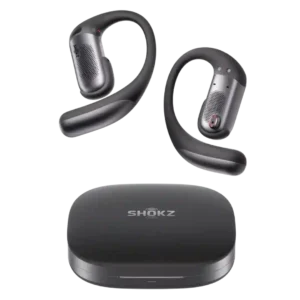
Dolby Atmos adds convincing width, height, and immersion, especially for movies and supported music. Head tracking works smoothly for many but feels distracting or gimmicky to others.
Pros: Voice assistant integration, Android compatibility
Cons: Maximum volume clarity, Packaging condition
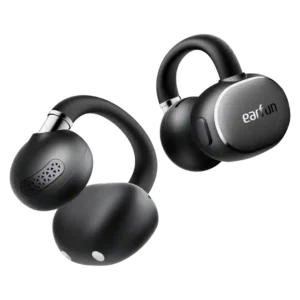
Theater Mode can create a wider, more immersive presentation for movies and games. For music, it often changes tonality, adds reverb, or sounds unnatural.
Pros: Weight comfort, Hinge durability
Cons: Active noise cancellation, Sensors
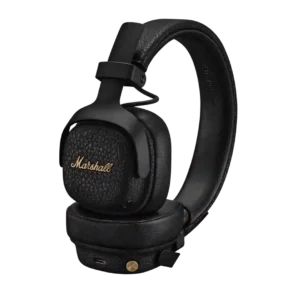
Soundstage mode can add convincing room-like depth and immersion, and several reviewers kept it enabled. Others find it subtle, bass-reducing, artificial, or inferior to true spatial audio.
Pros: Multipoint connectivity reliability, Codec support
Cons: aptX, Smart Pause performance
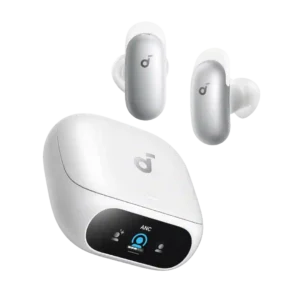
Spatial audio is a nice extra rather than a core reason to buy. Reviewers mention Dolby Atmos and head tracking positively, but one owner finds it only okay.
Pros: Maximum volume clarity, Noise isolation (passive)
Cons: Apple H2 chip support, Treble clarity
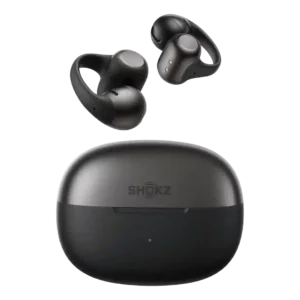
Dolby/spatial processing is polarizing. Some listeners loved the wider, room-filling presentation, while others felt it sounded artificial, metallic, or not worth using.
Pros: Android compatibility, Multi-platform compatibility
Cons: Auracast support, Active noise cancellation

Spatial modes work best for movies and gaming, where they add scale, envelopment, and clearer positional cues. Music mode is much more divisive and is often subtle, artificial, blurred, or...
Pros: Maximum volume clarity, Charging
Cons: 3.5mm analog input availability, Cable quality
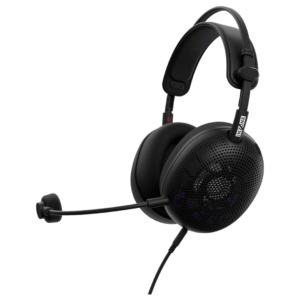
Spatial audio evidence was split: some surround modes and profiles helped immersion, while Sony's 360 mode was criticized by several reviewers.
Pros: Weight comfort, Battery
Cons: Noise isolation (passive), Sound leakage

Spatial and 360 Upmix modes divide opinion: Cinema can add scale and impact, while Music and Game often sound processed, tinny, or less natural.
Pros: Microphone noise reduction, Multipoint connectivity reliability
Cons: Water/sweat resistance rating, Gaming performance
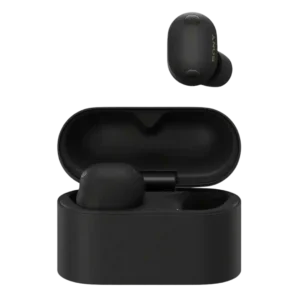
Spatial audio was mixed or weakly supported: some features were Android-only or not functional during early testing, and one reviewer noted waning 360 Reality Audio support.
Pros: Maximum volume clarity, Audio-video sync accuracy
Cons: Sidetone adjustment quality, Software/setup simplicity

Spatial or 3D audio was mixed to weak: one reviewer found it fine, another better than expected, and another said it did little.
Pros: Smart Pause performance, Wear detection performance
Cons: Water/sweat resistance rating, Wind noise handling
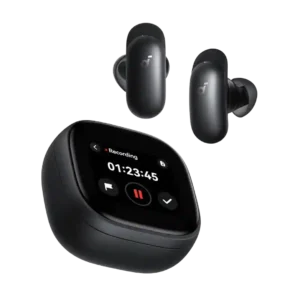
Spatial audio is polarizing. Some enjoyed the larger presentation, while others felt Dolby processing hurt music or compared poorly with rival spatial modes.
Pros: Microphone noise reduction, Stability
Cons: Lossless audio support, Spatial audio
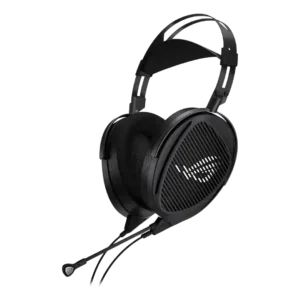
There is no built-in virtual surround or spatial-audio processing. The natural open-back stage can still feel immersive, and external options such as Dolby Atmos may work well.
Pros: Maximum volume clarity, Frequency response accuracy
Cons: Active noise cancellation, Bluetooth

Spatial audio support receives negative evidence from a reviewer who expected 360 Reality Audio to be present.
Pros: Transparency mode quality, Maximum volume clarity
Cons: Active noise cancellation, Spatial audio