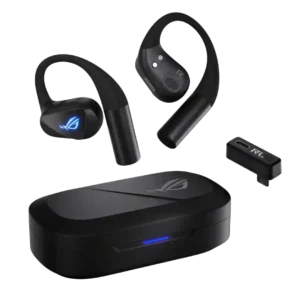
The open-ear effect was judged more natural and effective for hearing surroundings than typical electronic transparency modes.
Pros: Transparency mode quality, Touch control responsiveness
Cons: Noise isolation (passive), Packaging condition
The open-ear effect was judged more natural and effective for hearing surroundings than typical electronic transparency modes.
Pros: Transparency mode quality, Touch control responsiveness
Cons: Noise isolation (passive), Packaging condition

Transparency and situational awareness are major strengths because the open design lets users hear traffic, people, and home surroundings naturally.
Pros: Transparency mode quality, Maximum volume clarity
Cons: Active noise cancellation, Spatial audio
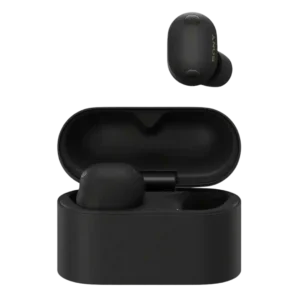
Transparency and ambient modes were usually praised as natural, clear, or useful, though Apple was still favored by some and auto ambient could be hit-or-miss.
Pros: Maximum volume clarity, Audio-video sync accuracy
Cons: Sidetone adjustment quality, Software/setup simplicity

Awareness is one of the clearest strengths: runners, commuters, drivers, parents, and office users liked hearing the world while audio played. A few users felt the driver placement blocked more...
Pros: Android compatibility, Multi-platform compatibility
Cons: Auracast support, Active noise cancellation

Ambient Aware is often praised for natural, clear awareness and quick switching. Some tests heard a more occluded or artificial presentation than premium models, especially in the upper frequencies.
Pros: Maximum volume clarity, Charging
Cons: 3.5mm analog input availability, Cable quality

Transparency mode sounds clear and useful for conversation and travel announcements, though it is not always as natural as Apple’s best implementation.
Pros: Microphone noise reduction, Multipoint connectivity reliability
Cons: Water/sweat resistance rating, Gaming performance
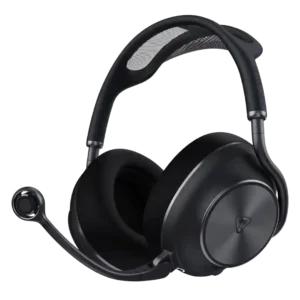
Transparency mode is useful for hearing family, calls, or surroundings without removing the headset, and its level can be adjusted in the app. On-headset mode control is less flexible than...
Pros: Codec support, Packaging quality
Cons: Multipoint connectivity reliability, Replaceable ear plates
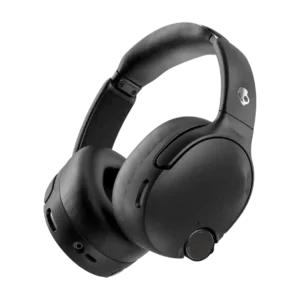
Stay-Aware mode generally sounds natural and makes quick conversations or outdoor use practical. Most reviewers liked it, though one found it a step behind the best transparency systems until sidetone...
Pros: Treble clarity, Instrument separation
Cons: Codec support, Headband adjustability

Transparency mode is useful and mostly natural for conversations and awareness. Some reviewers hear a slightly occluded top end, extra wind, or less-than-crystal-clear passthrough.
Pros: Multipoint connectivity reliability, Codec support
Cons: aptX, Smart Pause performance

HearThrough is generally clear and useful, with several testers calling it natural. One listener found it too quiet and less natural than leading consumer implementations.
Pros: Frequency response accuracy, Clamping force comfort
Cons: Volume output, aptX
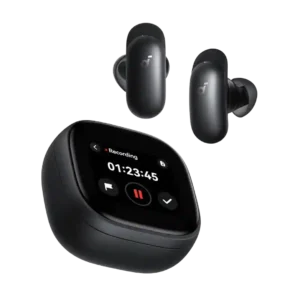
Transparency mode is more divisive than ANC. Some found it natural and clean, while others called it weak, hissy, or much worse than AirPods and Samsung pass-through modes.
Pros: Microphone noise reduction, Stability
Cons: Lossless audio support, Spatial audio
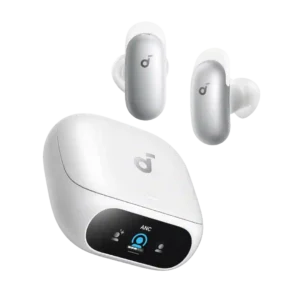
Transparency mode is mostly useful and natural when intentionally enabled. The main complaints are around automatic ambient switching that interrupts music.
Pros: Maximum volume clarity, Noise isolation (passive)
Cons: Apple H2 chip support, Treble clarity

Transparency mode drew mixed reactions: some found it good or useful, while others noted hiss, artificial tone or weak naturalness.
Pros: Smart Pause performance, Wear detection performance
Cons: Water/sweat resistance rating, Wind noise handling
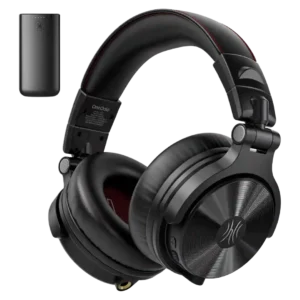
Transparency mode evidence was weak to negative: one reviewer found conversation hard to hear, and another said the feature was absent altogether.
Pros: Battery, Detachable cable convenience
Cons: Active noise cancellation, Transparency mode quality