Best for Noise isolation (passive)
SteelSeries Arctis Nova Elite
4.5 feature score
Highest scored product for this feature based on supporting review evidence.
Highest scored product for this feature based on supporting review evidence.
Balances feature score, supporting reviews, and overall product strength.
Has the broadest review evidence for this feature.
Strongest overall product among items with scored evidence for this feature.
Showing Headsets only. Switch back to all Headphones & Earbuds anytime.
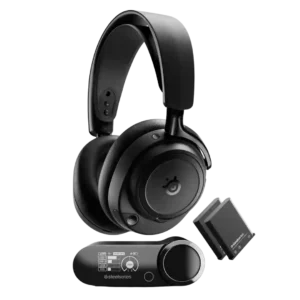
Passive isolation is widely strong, credited to sealed pads and dense cushions, though one review only calls it moderate.
Pros: Maximum volume clarity, Multipoint connectivity reliability
Cons: Portability/foldability, USB-C
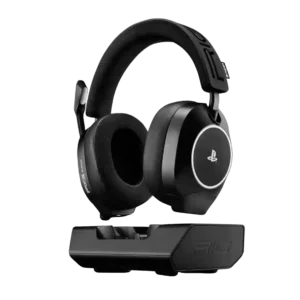
Passive isolation was praised by reviewers who noticed strong seal-based isolation, including one calling it kind of incredible.
Pros: Spatial audio, Positional audio accuracy
Cons: Carry case quality, Detachable microphone convenience
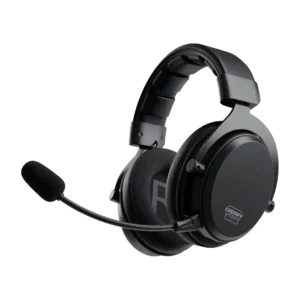
Passive isolation was praised in the YouTube review that discussed the closed over-ear seal.
Pros: Volume output, Audio-video sync accuracy
Cons: Xbox compatibility, Equalizer customization
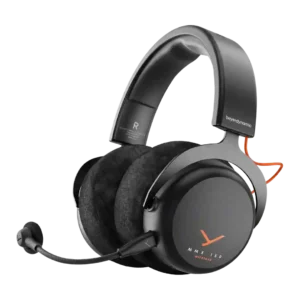
Passive isolation is consistently praised for reducing surrounding noise, though one review notes it does not handle droning noise like ANC.
Pros: Battery, Audio-video sync accuracy
Cons: Xbox compatibility, Volume output
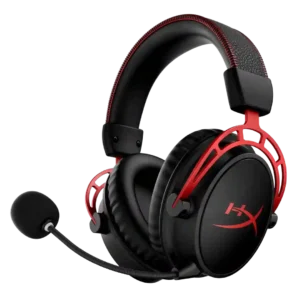
Passive isolation is a consistent strength, blocking or muffling household noise well for an over-ear gaming headset.
Pros: Maximum volume clarity, Earpad replacement ease
Cons: Bluetooth, Xbox compatibility
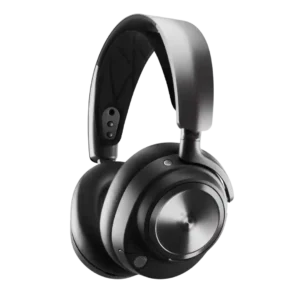
Passive isolation is generally seen as good, especially from the closed-back seal, even when ANC is not the focus.
Pros: Charging, Spatial audio
Cons: Hinge durability, Smudge resistance
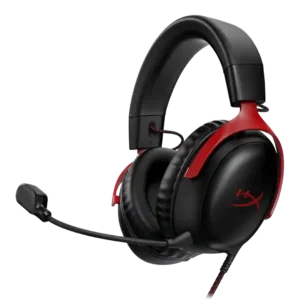
Passive isolation was consistently useful, with earcups and cushioning blocking or shutting out outside noise without active cancellation.
Pros: Hinge durability, Wireless latency
Cons: Preset EQ profile quality, Xbox compatibility
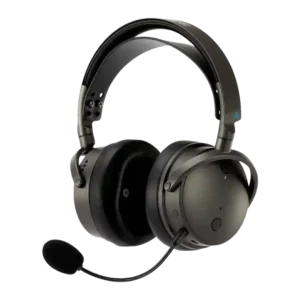
Passive isolation is mostly praised thanks to the closed cups and pads, though one reviewer found outside sound cut through more than expected.
Pros: Instrument separation, Maximum volume clarity
Cons: Hinge durability, Carry case quality
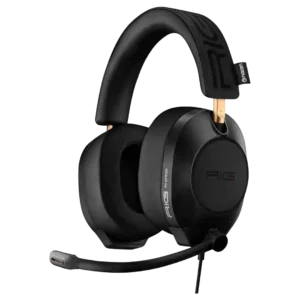
Passive isolation was consistently useful, ranging from average lab results to reviewers calling it solid, superior, or excellent for blocking external noise.
Pros: Audio-video sync accuracy, Battery
Cons: Bluetooth, Active noise cancellation
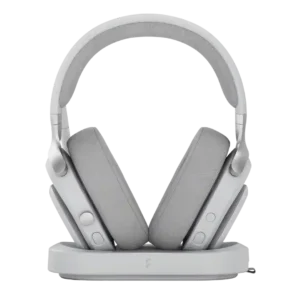
Passive isolation was mixed-to-positive: several reviewers found it effective enough, while one found it weaker than other closed-backs.
Pros: Spatial audio, Software/setup simplicity
Cons: Xbox compatibility, Sidetone adjustment quality
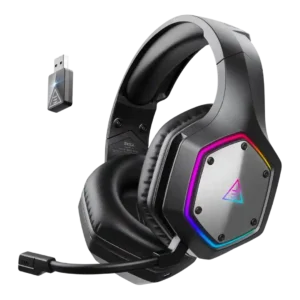
Passive isolation was split: some reviewers felt external noise was reduced well, while others found sealing and isolation lacking.
Pros: Audio-video sync accuracy, Wireless latency
Cons: Midrange clarity, Ear cup swivel/rotation range
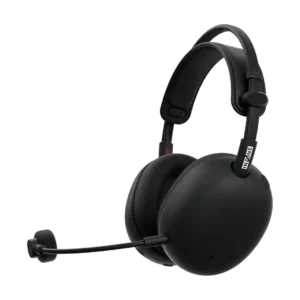
Passive isolation was decent to good, though the loose lightweight seal made ANC more important.
Pros: Weight comfort, Comfort during long use
Cons: Xbox compatibility, Smudge resistance
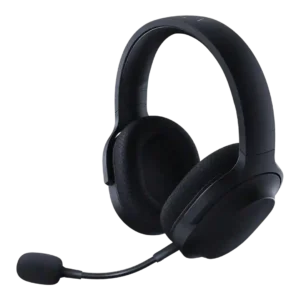
Passive isolation was useful in quiet rooms and some home settings, but reviewers repeatedly warned that voices, traffic, or travel noise still came through.
Pros: Cable quality, Hinge durability
Cons: aptX, Active noise cancellation
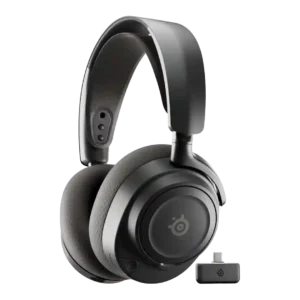
Passive isolation split reviewers: some found it useful for immersion, while others said voices, keyboards, and outside noise still came through.
Pros: Connectivity versatility, Multi-platform compatibility
Cons: Transparency mode quality, Active noise cancellation
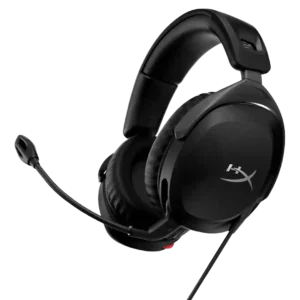
Passive isolation was inconsistent across reviews, ranging from strong attenuation to complaints that household noise or external sound still came through.
Pros: Multi-platform compatibility, Dongle
Cons: Replaceable earpads, Preset EQ profile quality
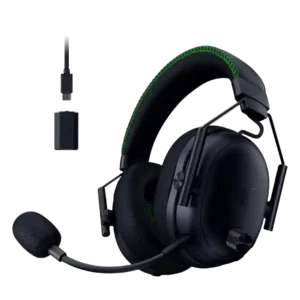
Passive isolation was mixed because the cloth pads and fit can leak noise, though one reviewer thought passive isolation was enough for typical gaming.
Pros: Audio-video sync accuracy, Multi-platform compatibility
Cons: Cable quality, Preset EQ profile quality
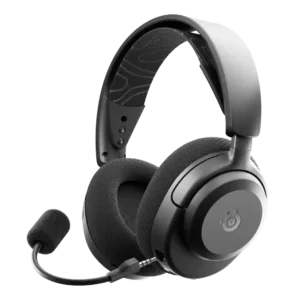
Passive isolation was acceptable for quieter rooms but not strong, with reviewers saying it blocked some outside sound while leaving plenty of awareness.
Pros: Charging, Weight comfort
Cons: Sound leakage, Cable quality
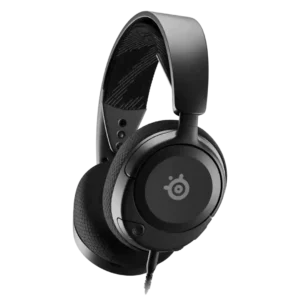
Passive isolation is a weak point; reviewers say it is modest and not especially effective at blocking outside noise.
Pros: Earpad replacement ease, Weight comfort
Cons: Sidetone adjustment quality, USB-C
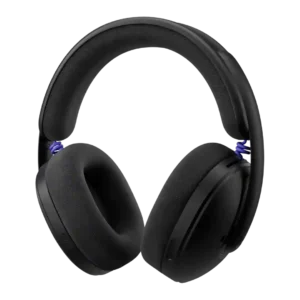
Passive isolation was weak by closed-headset standards, letting partners, kids, and surrounding activity remain audible; one reviewer saw this as useful awareness.
Pros: Wireless latency, Weight comfort
Cons: Microphone noise reduction, Multipoint connectivity reliability
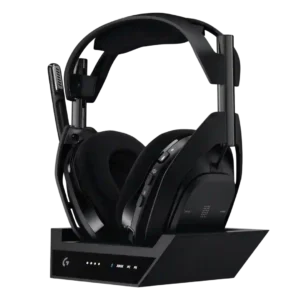
Passive isolation is a recurring weakness: fabric pads are comfortable but let in more room noise than some competitors.
Pros: Positional audio accuracy, Soundstage width
Cons: Active noise cancellation, Hinge durability
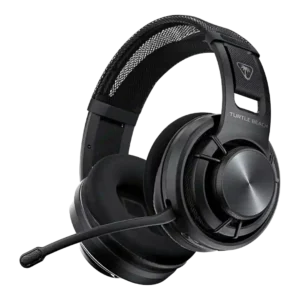
Passive isolation is intentionally poor due to the open-back design, making the headset best for quiet rooms rather than noisy spaces.
Pros: Weight comfort, Cable quality
Cons: Active noise cancellation, Noise isolation (passive)
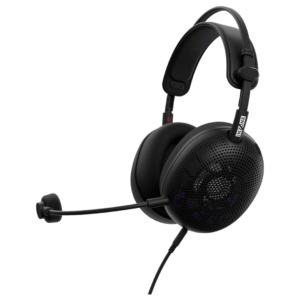
Passive isolation was the clearest weakness: reviewers said the open-back design lets background noise pass through and requires a quiet room.
Pros: Weight comfort, Battery
Cons: Noise isolation (passive), Sound leakage
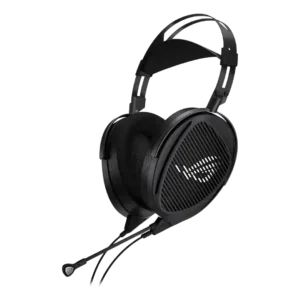
Because the Kithara is open-back, reviewers consistently warn that it offers little passive isolation and works best in quiet rooms.
Pros: Maximum volume clarity, Connectivity versatility
Cons: Carry case quality, Xbox compatibility