#1
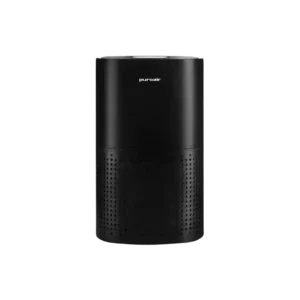
Auto mode is widely liked when it ramps up for smoke, cooking, dust, or poorer air, then settles back down. It is one of the product's most appreciated convenience features.
Pros: particle removal effectiveness, dust removal
Cons: CADR rating, air changes per hour
#2
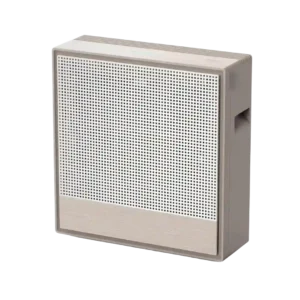
Auto mode was one of the most consistently praised features because reviewers could leave the unit to adjust itself.
Pros: smoke removal, CADR rating
Cons: filter replacement cost, app connectivity
#3
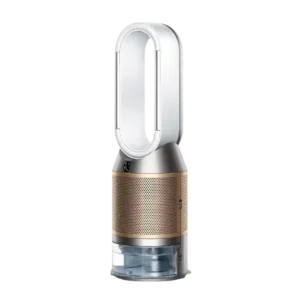
Review evidence is strongly positive.
Pros: pollen removal, VOC reduction
Cons: documentation quality, condition on arrival
#4
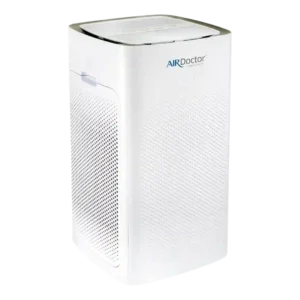
Auto mode is praised for reacting to changing air conditions without much user attention. Reviewers liked that it increases power when the air gets worse and settles down afterward.
Pros: ozone-free operation, particle removal effectiveness
Cons: filter replacement cost, app connectivity
#5
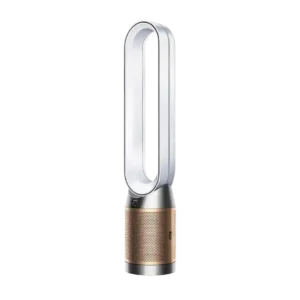
Auto mode is generally praised for reacting to changing air quality, with isolated concern tied to noise or reliability.
Pros: allergen reduction, smoke removal
Cons: customer support, reliability
#6
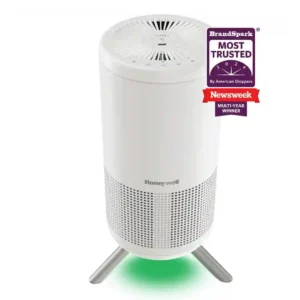
Auto mode is generally praised for adjusting fan speed when air quality changes, with one customer also noticing responsive adjustment.
Pros: dust removal, pollen removal
Cons: app connectivity, remote control
#7
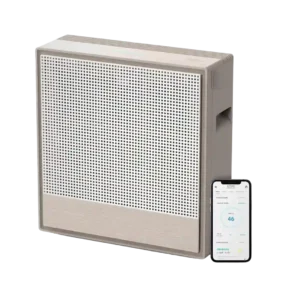
Auto, Smart, Rapid, and Eco behavior was generally praised for hands-off operation and useful ramp-up or energy-saving behavior.
Pros: pre-filter quality, room coverage
Cons: fan speed options, filter replacement cost
#8
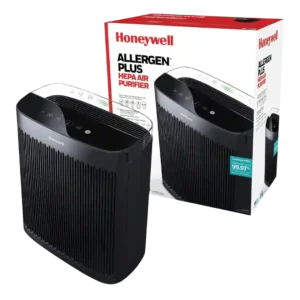
Customer evidence for auto mode performance was strongly positive across 19 review(s), based only on cited transcript evidence.
Pros: particle removal effectiveness, pollen removal
Cons: child lock, listing accuracy
#9
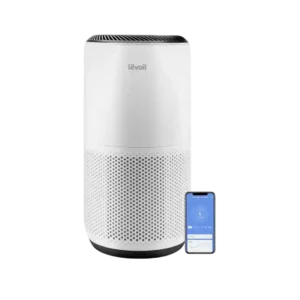
Auto mode was usually viewed as useful and hands-off, but sensor limitations meant a few reviewers found its reactions slower or less accurate than ideal.
Pros: ozone-free operation, build quality
Cons: VOC sensor accuracy, washable pre-filter
#10
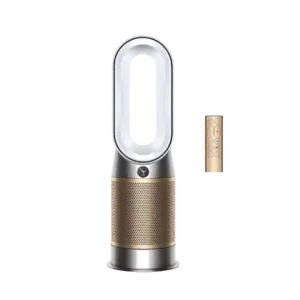
Auto mode was generally useful for reacting to changing air quality, with one caveat that response depends on being in Auto mode.
Pros: dust removal, PM2.5 detection
Cons: mold spore reduction, durability
#11
Auto-mode evidence is positive when reviewers describe automatic sensing, ramping, or adjustment.
Pros: overall satisfaction, real-time air quality monitoring
Cons: VOC sensor accuracy, customer support
#12
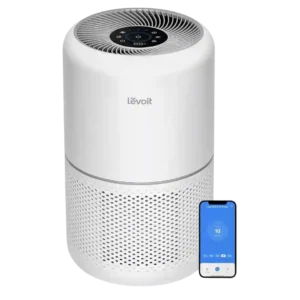
Auto mode drew divided reactions: several reviewers called it useful or genuinely smart, while others criticized delays, threshold choices, or confusing speed decisions.
Pros: ozone-free operation, safety certifications
Cons: VOC sensor accuracy, handle design
#13
Auto mode is commonly praised as set-and-forget, though some users found it too sensitive or aggressive.
Pros: particle removal effectiveness, HEPA filtration
Cons: real-time air quality monitoring, filter replacement cost
#14
Evidence for auto mode performance appears in the listed reviews; scores reflect whether each source praised, criticized, or qualified that trait.
Cons: customer support, reliability