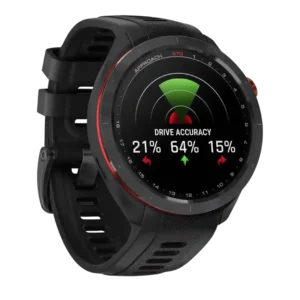
Mapping and navigation are major strengths, with detailed hole maps, PinPointer, dispersion views, and wrist-based planning repeatedly praised.
Pros: recovery insights, GPS accuracy
Cons: software smoothness, fitness tracking accuracy
Showing Wearable Tech only. Switch back to all Smartwatches anytime.
Showing Garmin only. Switch back to all brands anytime.
Mapping and navigation are major strengths, with detailed hole maps, PinPointer, dispersion views, and wrist-based planning repeatedly praised.
Pros: recovery insights, GPS accuracy
Cons: software smoothness, fitness tracking accuracy
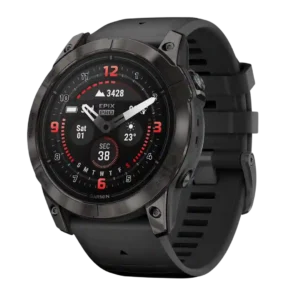
Mapping and navigation are standout strengths, with detailed maps, GPX loading, routing, and on-watch navigation repeatedly praised.
Pros: GPS accuracy, charging speed
Cons: ECG functionality, voice assistant quality
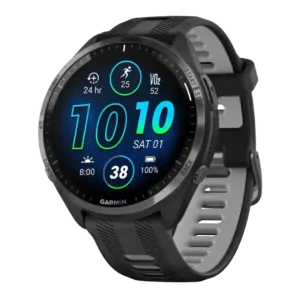
Mapping and navigation were major strengths, with detailed AMOLED maps, turn prompts, trail help, and strong route-following support.
Pros: water resistance, workout tracking variety
Cons: LTE connectivity, ECG functionality
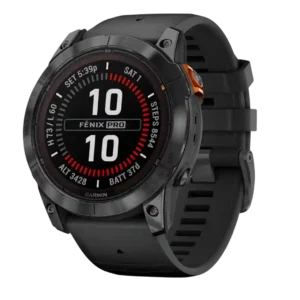
Mapping and navigation were widely praised as class-leading, but reviewers also noted screen size, weather-overlay placement and phone-map comparisons as limitations.
Pros: GPS accuracy, app ecosystem
Cons: ECG functionality, calorie tracking usefulness
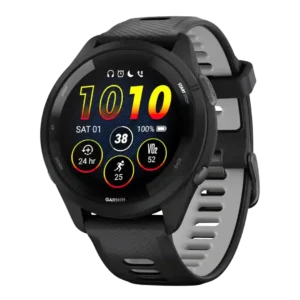
Mapping and navigation were the most consistent weakness for trail and ultra use; breadcrumb routing was useful for some, but missing full maps and failed TracBack frustrated others.
Pros: step counting accuracy, third-party app support
Cons: ECG functionality, LTE connectivity
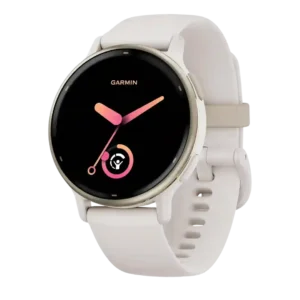
Navigation scored low because reviewers noted the absence of navigation features or navigation-like smartwatch functions.
Pros: fitness tracking accuracy, wellness insights
Cons: software smoothness, ECG functionality
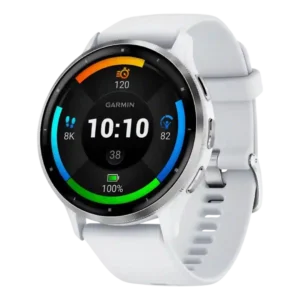
Mapping and navigation are weak points; reviewers note missing courses, limited route navigation, lack of maps, and better options for exploration.
Pros: health tracking accuracy, software smoothness
Cons: LTE connectivity, mapping and navigation