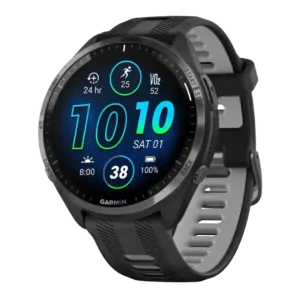
One reviewer found blood oxygen readings close to a pulse oximeter, supporting strong SpO2 tracking confidence.
Pros: water resistance, workout tracking variety
Cons: LTE connectivity, ECG functionality
Showing Garmin only. Switch back to all brands anytime.
One reviewer found blood oxygen readings close to a pulse oximeter, supporting strong SpO2 tracking confidence.
Pros: water resistance, workout tracking variety
Cons: LTE connectivity, ECG functionality
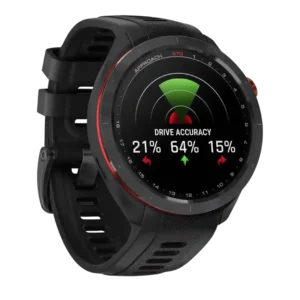
Blood oxygen tracking receives limited but positive usefulness evidence as another health metric the reviewer liked monitoring.
Pros: recovery insights, GPS accuracy
Cons: software smoothness, fitness tracking accuracy
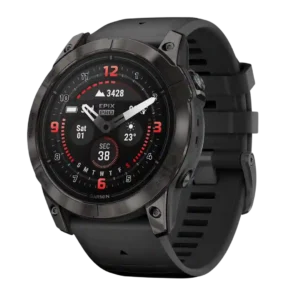
Blood oxygen tracking received limited but positive evidence, with one reviewer reporting readings stayed in the expected range during testing.
Pros: GPS accuracy, charging speed
Cons: ECG functionality, voice assistant quality
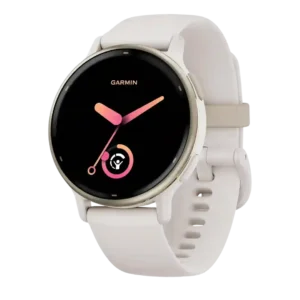
Blood oxygen tracking was treated as part of the watch’s broader accurate health-monitoring package in one review.
Pros: fitness tracking accuracy, wellness insights
Cons: software smoothness, ECG functionality
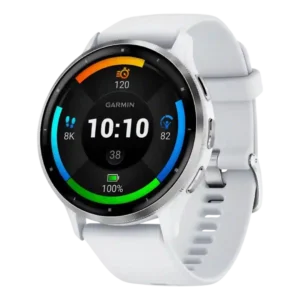
Blood oxygen tracking is weakly supported and mixed-to-negative: reviewers noted battery drain from using it and one scientific test was unimpressed with oxygen saturation measurements.
Pros: health tracking accuracy, software smoothness
Cons: LTE connectivity, mapping and navigation
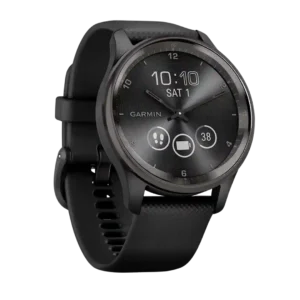
Blood oxygen tracking drew low confidence, with reviewers reporting suspect readings, incomplete overnight capture, and inaccurate low values.
Pros: activity auto-detection, build quality
Cons: blood oxygen tracking, Bluetooth connectivity
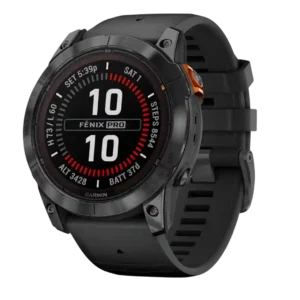
Blood oxygen tracking drew criticism from one reviewer who saw automatic measurements as superfluous and battery-costly.
Pros: GPS accuracy, app ecosystem
Cons: ECG functionality, calorie tracking usefulness