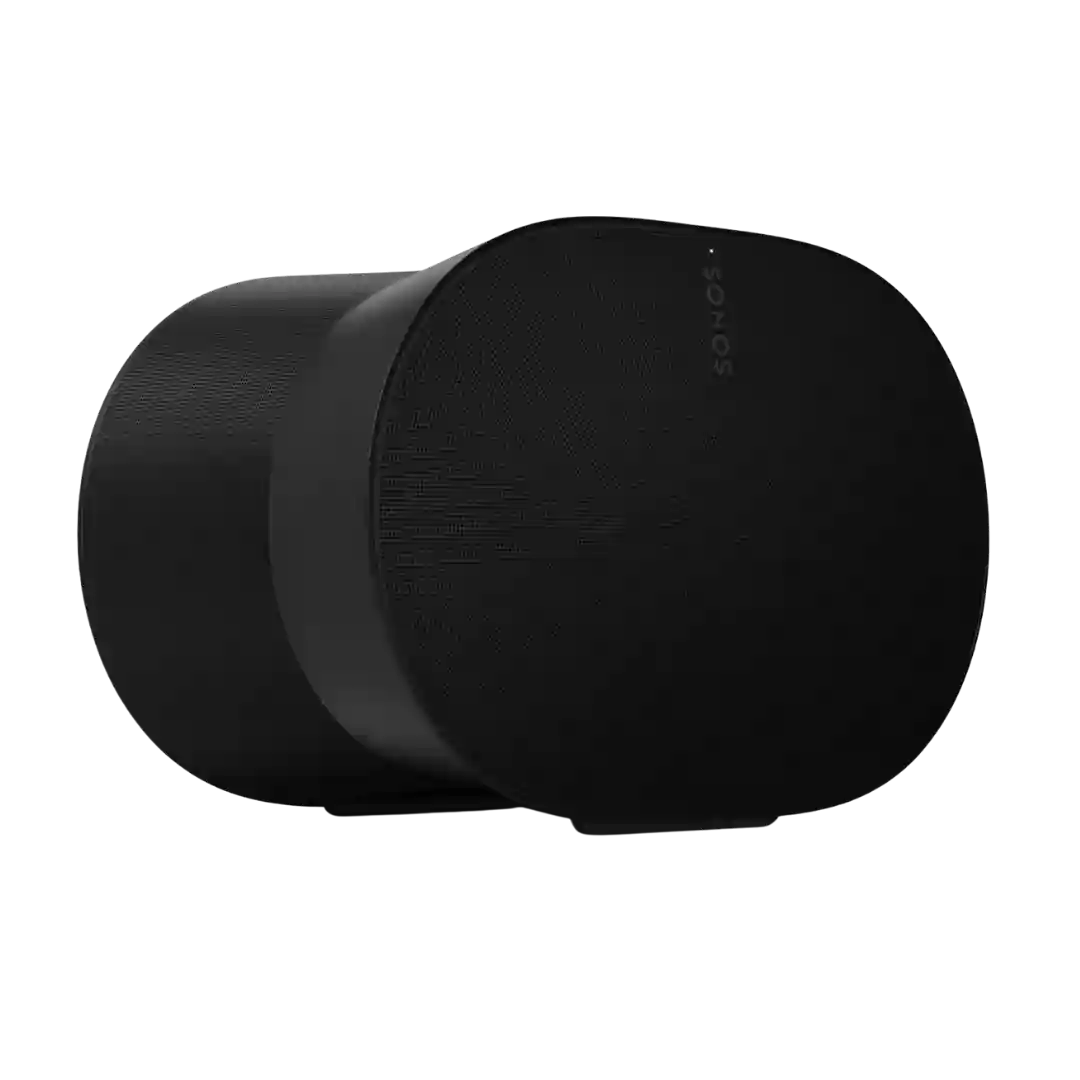
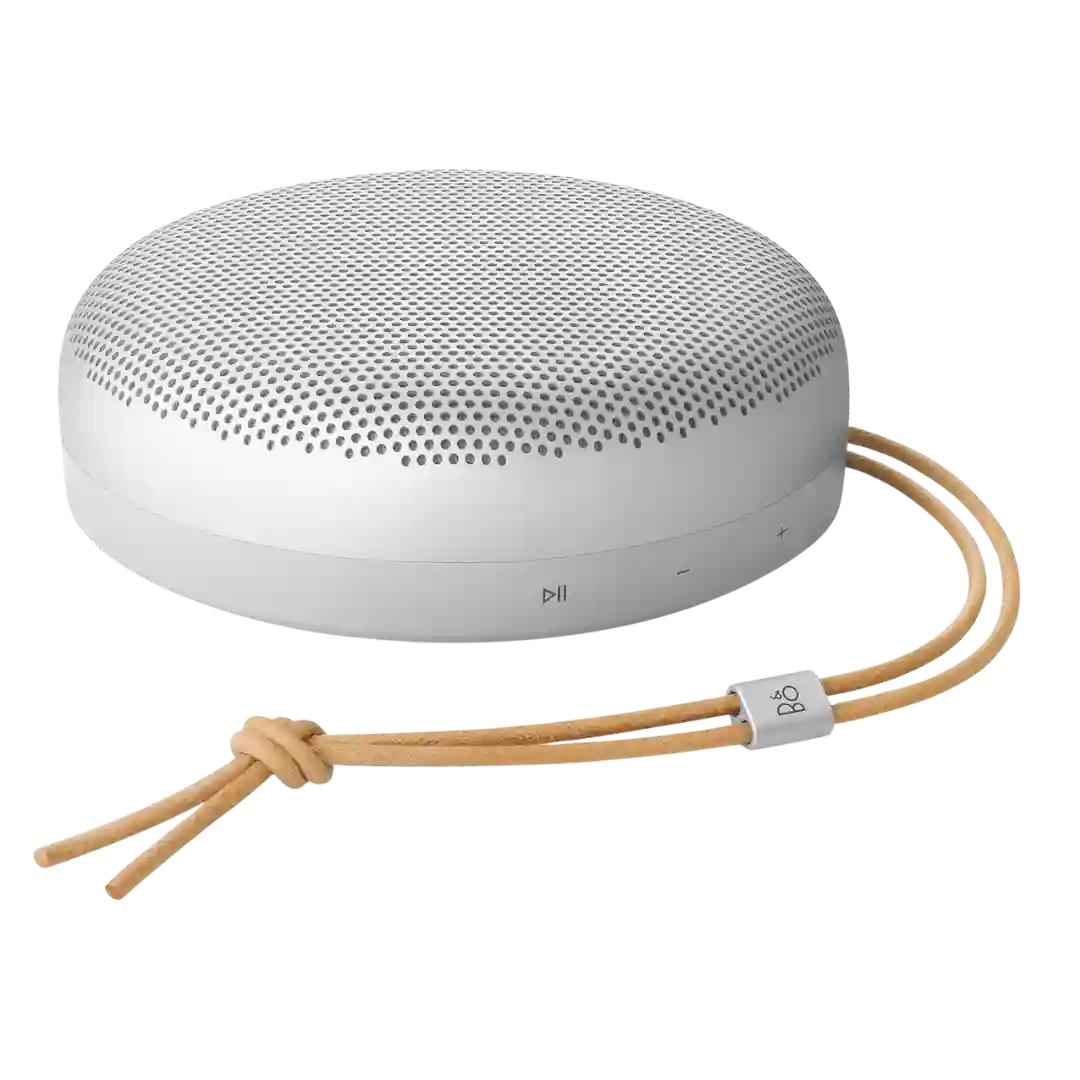
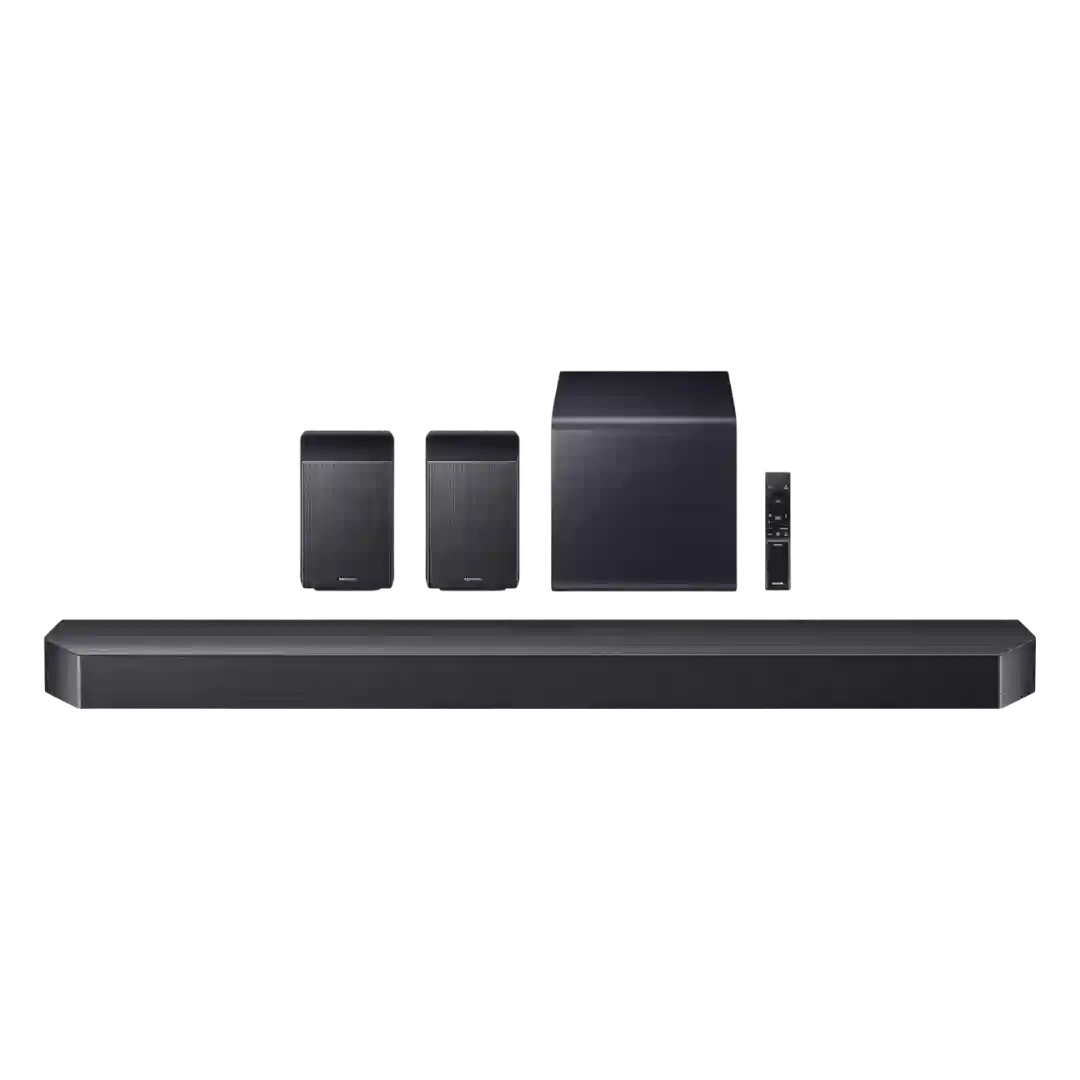
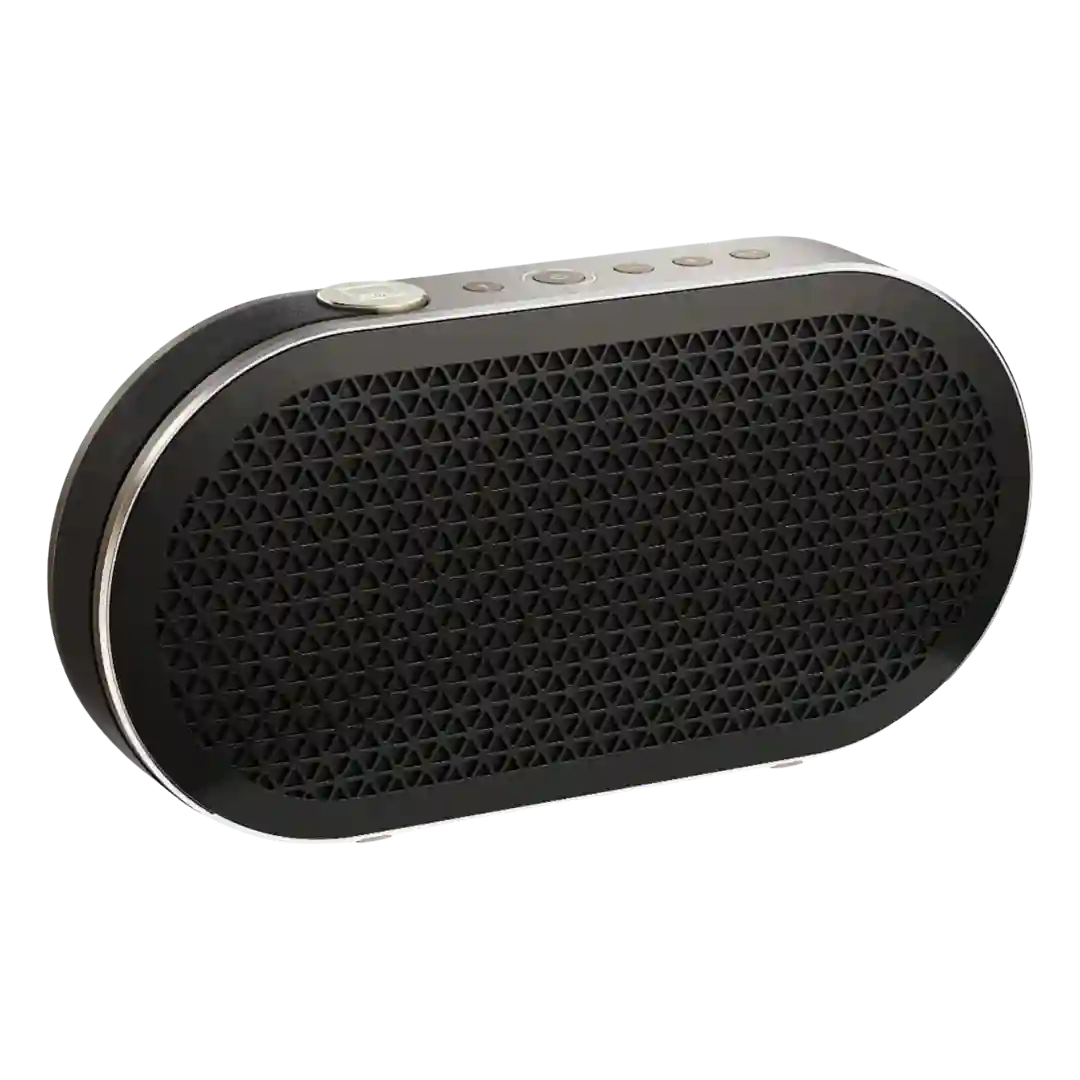
When the Era 300 is working well, reviewers describe the sound as unusually solid and unified rather than artificially stretched apart. That sense of cohesion is a big reason its spaciousness feels believable.
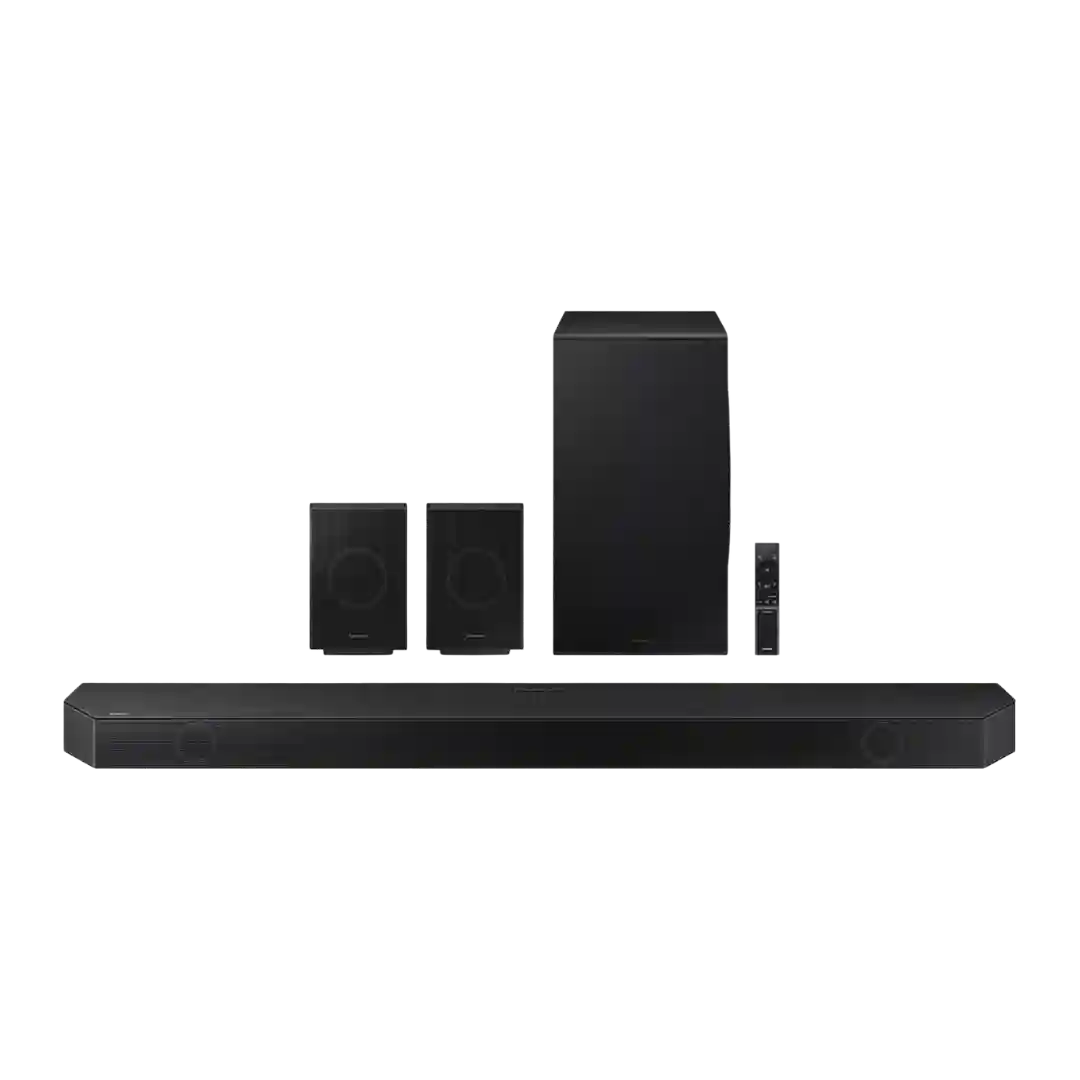
Across film and Atmos demos, the system is praised for a seamless, cohesive bubble of sound with smooth handoffs between bar, rears, and sub, especially after calibration.
Several reviewers highlight how cohesive and orderly the REN sounds, even on dense mixes or movie soundtracks. It presents a unified stereo image rather than a disjointed hi-fi effect.
Even when the speakers sound large and expansive, reviewers often describe the presentation as integrated and coherent rather than smeared or disjointed.
Cohesion and integration are consistently praised, with multiple reviews noting that the presentation stays unified and well layered rather than sounding like separate drivers.
When two speakers are paired, reviewers describe the overall presentation as well integrated, natural, and musically satisfying despite the compact scale.
Overall presentation is commonly described as energetic and composed for a compact portable, but dissenting takes call out midrange muddiness or less refined sound depending on genre and volume.
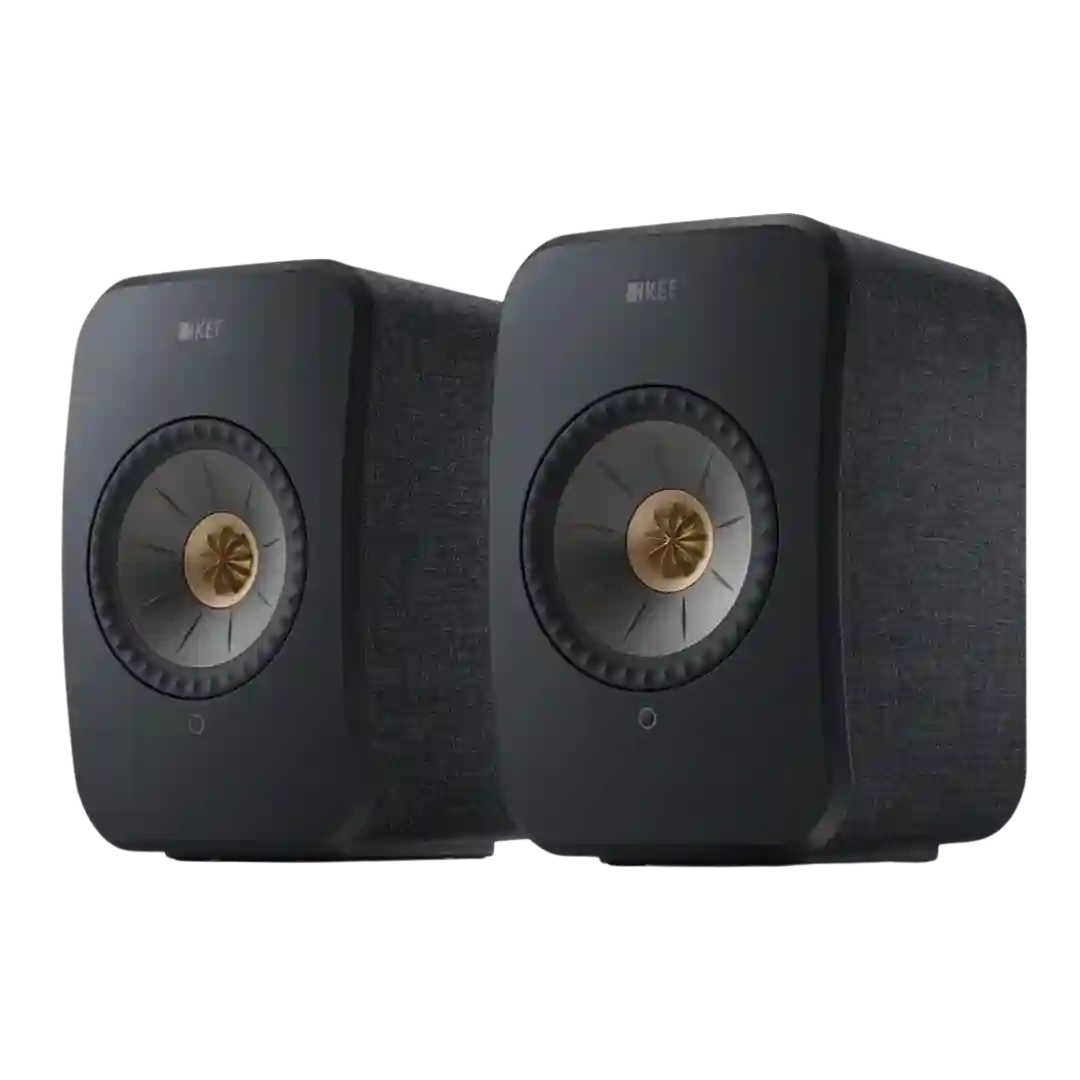
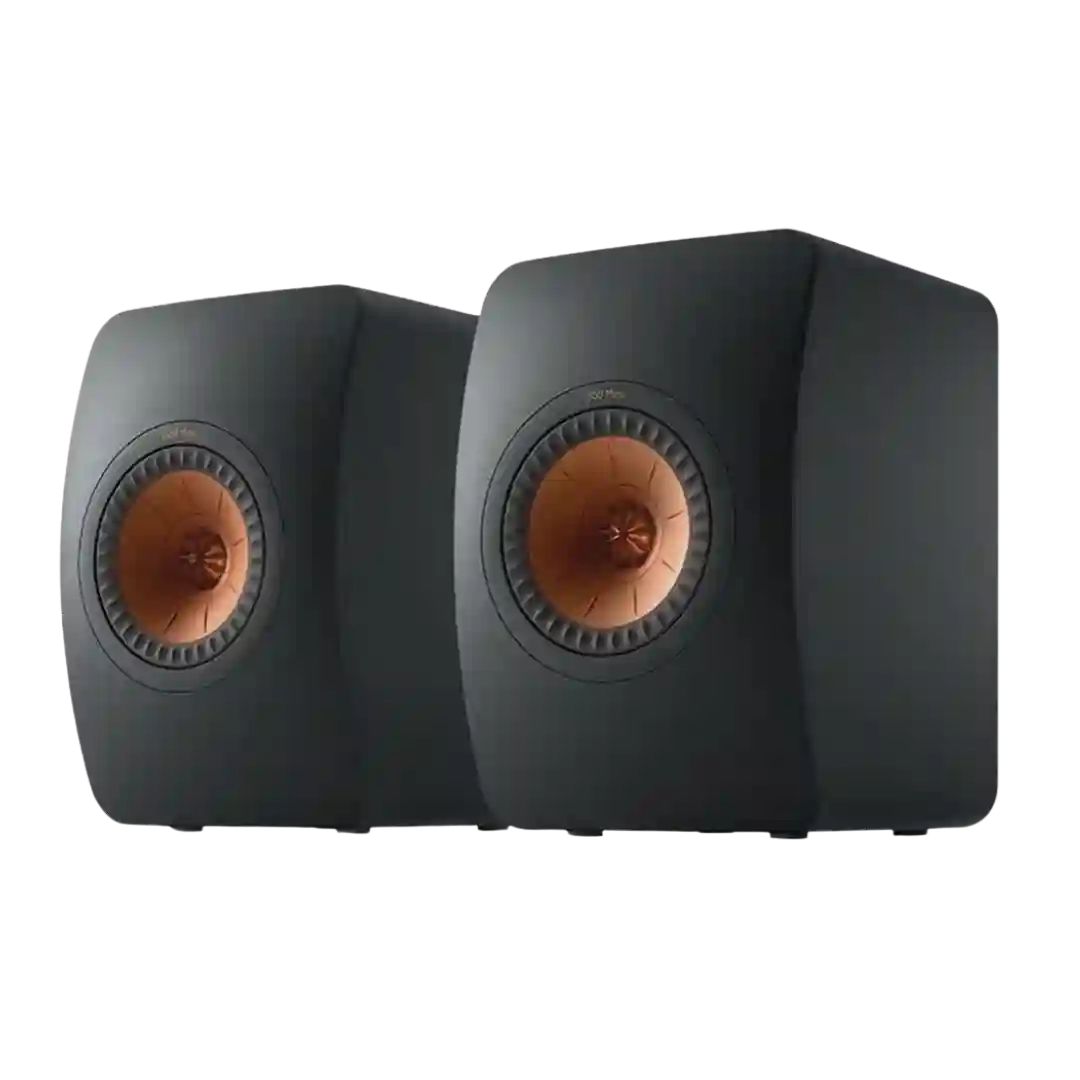
Uni-Q coherence is a repeated theme: the speakers are often described as seamless, integrated, and single-driver-like in how they blend bass, mids, and treble once properly set up and broken in.
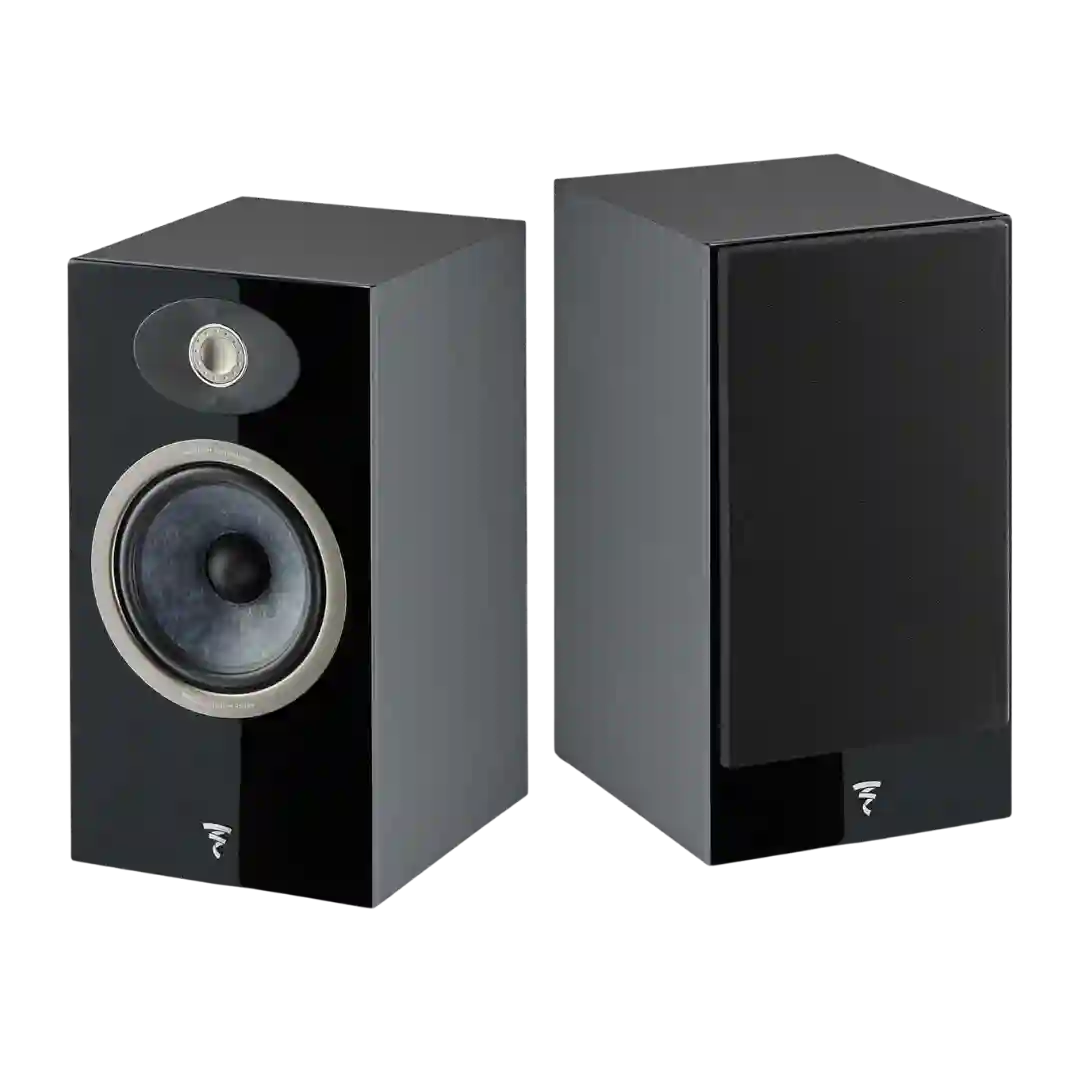
The Theva No.1 is repeatedly described as fluid, organized, and easy to listen to over long sessions. It keeps complex mixes coherent, though some reviewers wanted more rhythmic snap and outright excitement versus top class leaders.
Overall presentation is consistently described as cohesive and engaging, with strong room-filling character and a tuning that works across many genres without falling apart at higher volumes.
The M2 is generally described as more mature, smoother, and more coherent than the original, with fewer tonal distractions, though budget limits still show up in scale and dynamics.
The overall presentation tends to feel cohesive and punchy for a tiny speaker, leaning toward an energetic, full sound rather than a spacious audiophile signature.
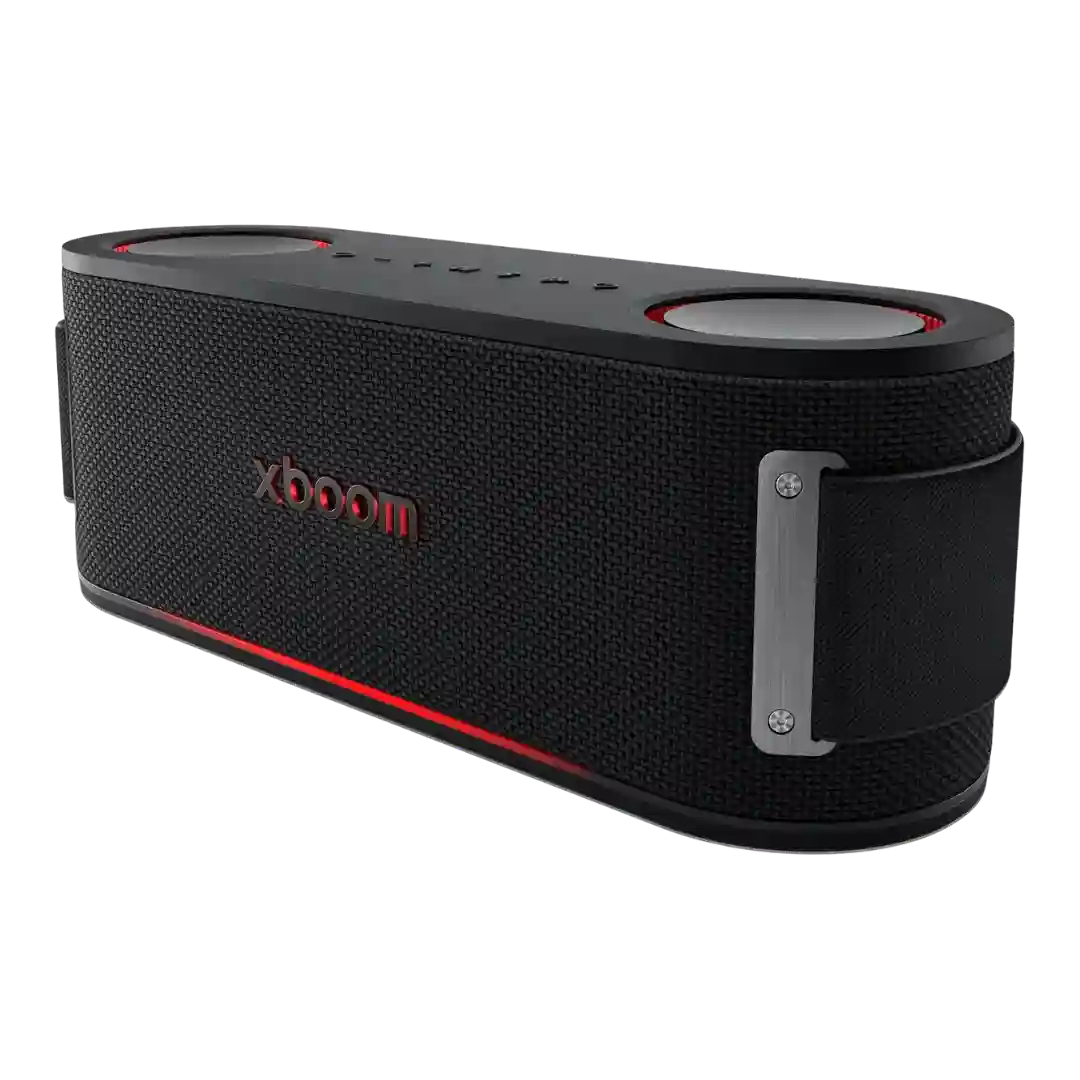
Despite the bass-heavy tuning, several reviews still describe the presentation as energetic, balanced enough, and coherent for its intended party role.
The overall presentation is described as cohesive and enjoyable, with good timing and controlled bass that usually stays in its lane. The sound prioritizes fun and impact while remaining reasonably balanced after minor EQ.
With TV and multichannel content, the soundbar usually presents sound in a coherent, well-blended way, though stereo material can become a bit diffuse because spatial processing is always active.
At its best, the Nova S50 stays surprisingly composed for such a tiny soundbar, but the overall presentation can fall apart on more demanding material when bass blooms or treble turns sharp.
When dialed in, the speaker presents a cohesive, full-bodied sound, but several reviews note that genre-hopping often requires changing EQ to keep tracks sounding their best.
Overall cohesion is strong for movies, but there are repeated notes that the subwoofer can lag slightly on fast music and that bar-to-sub blending is not always perfectly seamless in every room.
Several reviews describe the sound as coherent and enjoyable for casual listening, with enough presence to avoid sounding thin, despite its single-driver, mono nature.
Overall cohesion is usually described as balanced and listenable across many genres for a budget mini speaker. The biggest threat to cohesion is when volume rises high, where some hear muddiness, thinning, or compression.
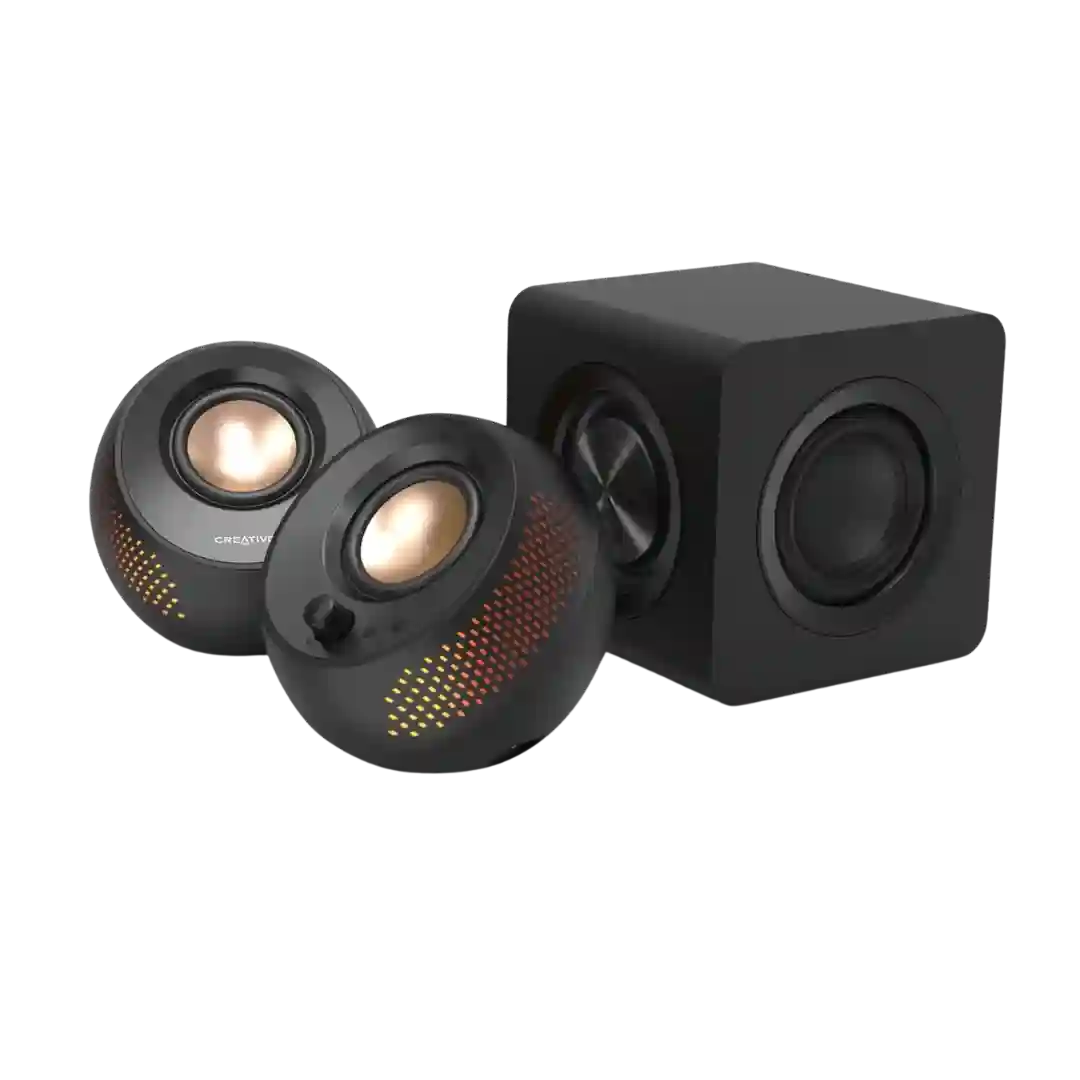
The system can sound satisfyingly full as a whole, but how naturally the sub blends with the satellites depends heavily on positioning and room interaction.
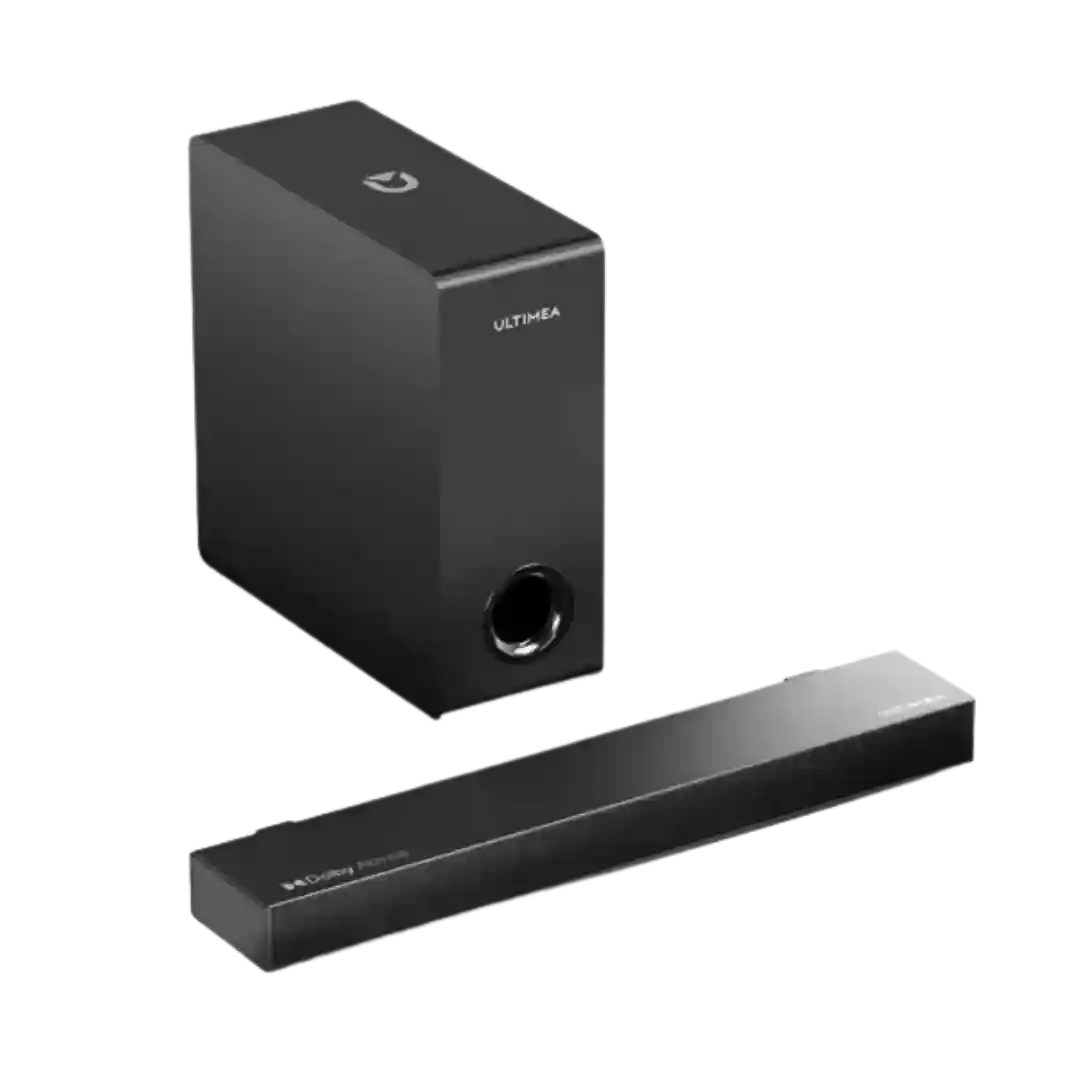
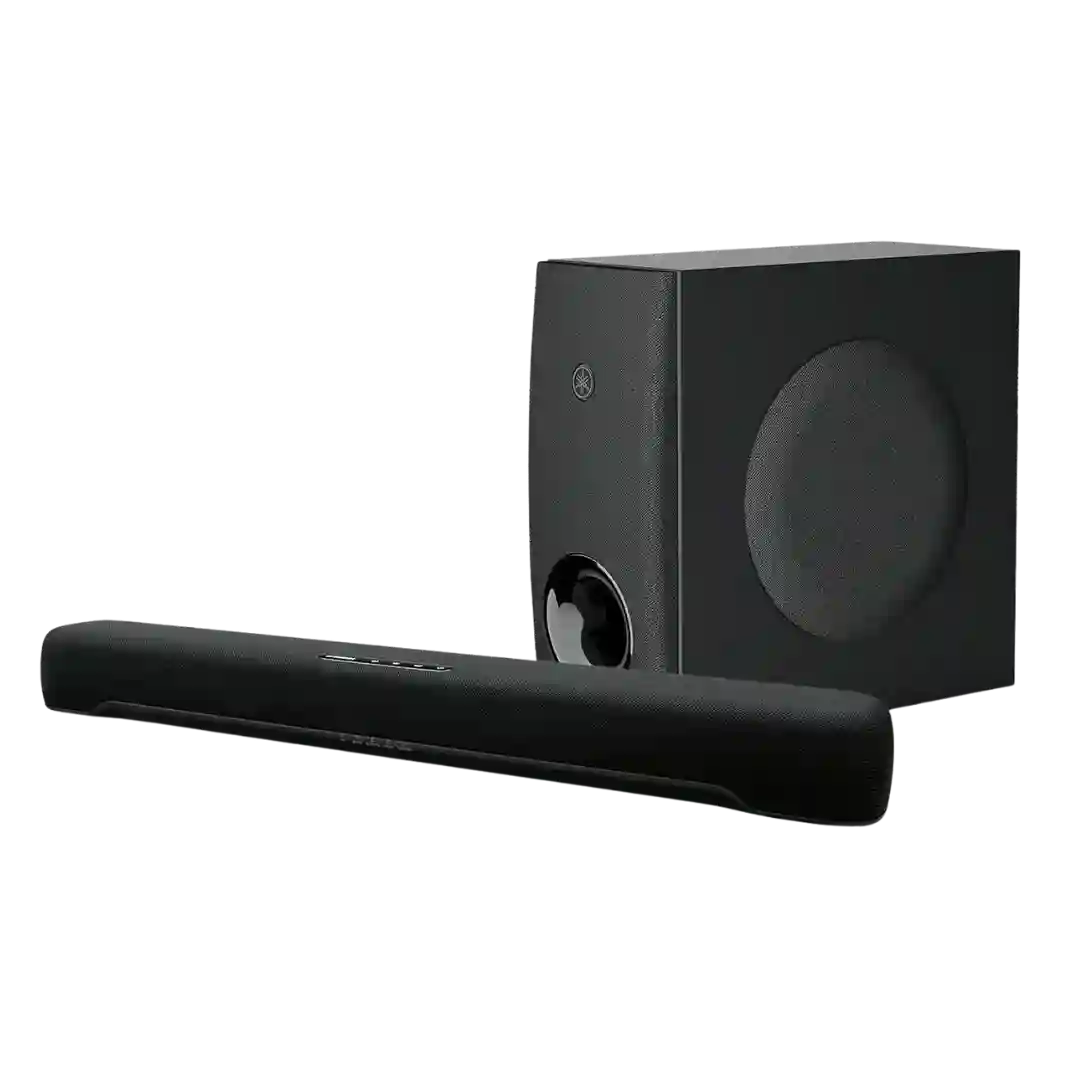
Cohesion is the most consistent critique: multiple reviews say the crossover and handover between soundbar and subwoofer is noticeable. Some note Bass Extension and careful sub-level adjustment can improve the sense of unity.
Overall presentation is one of the most divisive areas. Some call it immersive and vibrant, while others find it shallow, empty, or muddled, especially when AI modes or bass-forward tuning dominate.