Best for Dongle
beyerdynamic MMX 150 Wireless Over-Ear Gaming Headset
5.0 feature score
Highest scored product for this feature based on supporting review evidence.
Highest scored product for this feature based on supporting review evidence.
Balances feature score, supporting reviews, and overall product strength.
Has the broadest review evidence for this feature.
Strongest overall product among items with scored evidence for this feature.
Showing Headsets only. Switch back to all Headphones & Earbuds anytime.
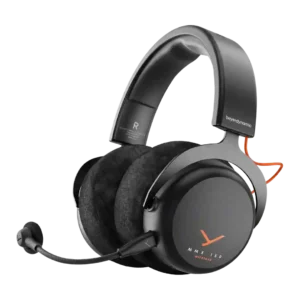
The dongle is a strength in wireless reviews, pairing instantly and enabling low-latency or near-synced gaming audio.
Pros: Multipoint connectivity reliability, Battery
Cons: Active noise cancellation, Water/sweat resistance rating
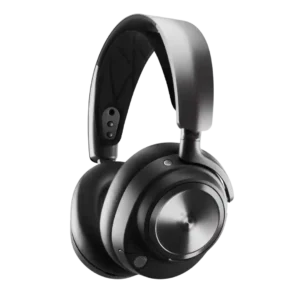
The base station/transmitter is repeatedly called a standout control hub for switching sources, charging batteries, and managing settings.
Pros: Audio-video sync accuracy, Charging
Cons: Water/sweat resistance rating, Codec support
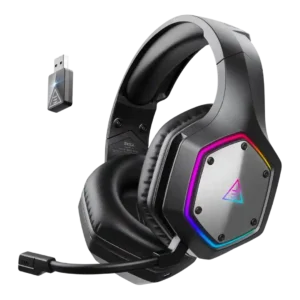
The USB dongle is important to the WT experience, with reviews describing it as supplied, easy to pair, and central to the wireless connection.
Pros: Connectivity versatility, USB-C
Cons: Active noise cancellation, Bluetooth
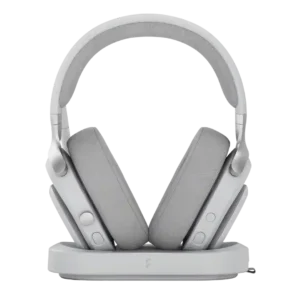
The dongle implementation was praised because the dock stores or extends it, improving convenience and reducing potential USB interference.
Pros: Software/setup simplicity, Hinge durability
Cons: Xbox compatibility, Transparency mode quality
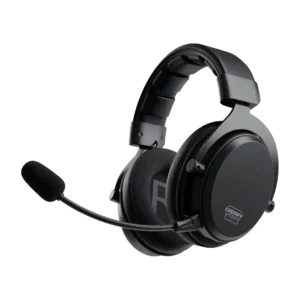
Reviewers repeatedly mention the supplied USB dongle or low-latency USB-A dongle as a core connection option.
Pros: Audio-video sync accuracy, Battery
Cons: Xbox compatibility, RGB lighting customization
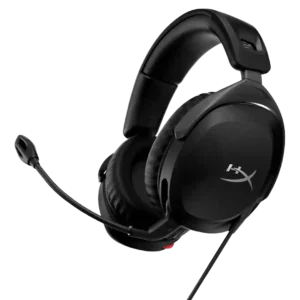
Wireless dongle feedback is positive overall, especially for quick setup, strong connection, and impressive range.
Pros: Wireless latency, Xbox compatibility
Cons: RGB lighting customization, Detachable cable convenience
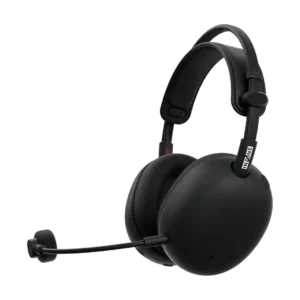
The USB-C dongle was repeatedly viewed as a core strength for low-latency wireless use and platform switching.
Pros: Wireless latency, Weight comfort
Cons: Integrated microphone, Smudge resistance
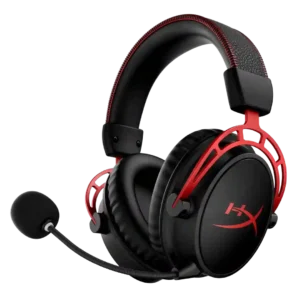
The wireless USB dongle is simple and useful, but also central to the headset’s compatibility limits because it is the main or only connection path.
Pros: Battery, Detachable cable convenience
Cons: Active noise cancellation, Bluetooth
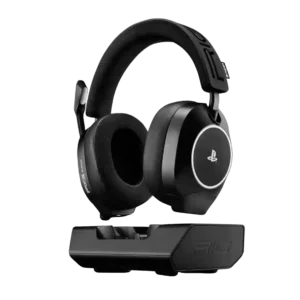
The USB-C dongle is central to the headset experience, with praise for switching and placement but some dock dependency caveats.
Pros: Earpad replacement ease, Wireless latency
Cons: Active noise cancellation, Carry case quality
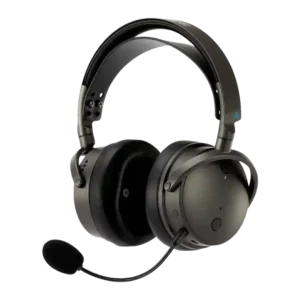
The dongle was often praised for low-latency wireless, but one review noted USB-related artifacting and finicky behavior.
Pros: Battery, Charging
Cons: Active noise cancellation, Touch control responsiveness
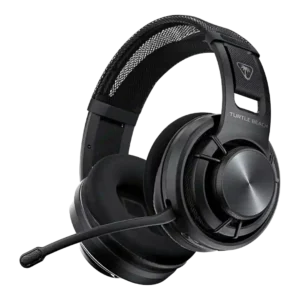
The USB-A dongle is central to the best low-latency gaming experience and is repeatedly included in setup/accessory discussion.
Pros: Weight comfort, Cable quality
Cons: Active noise cancellation, Noise isolation (passive)
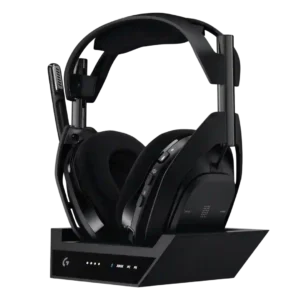
The base station can reduce separate dongle clutter for multi-console owners, which reviewers framed as a key convenience.
Pros: Wireless latency, Multi-platform compatibility
Cons: Active noise cancellation, RGB lighting customization
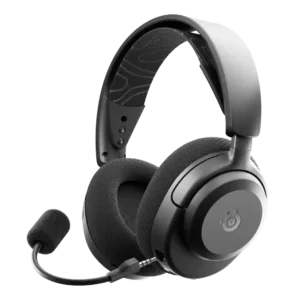
The dongle is useful and low-latency, but storage and port-blocking concerns keep it from being flawless.
Pros: Detachable cable convenience, Replaceable earpads
Cons: Sound leakage, Replaceable ear plates
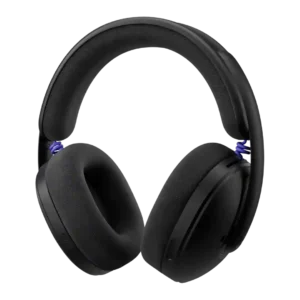
The Lightspeed dongle is central to setup and generally convenient, though one reviewer found setup or discovery annoying.
Pros: Weight comfort, Comfort during long use
Cons: Active noise cancellation, RGB lighting customization
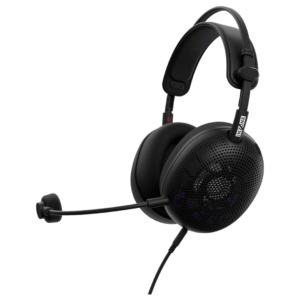
The dongle/audio box adds USB-C access and software profile support, though reviewers differed on how useful it was beyond that.
Pros: Battery, Weight comfort
Cons: Water/sweat resistance rating, Active noise cancellation
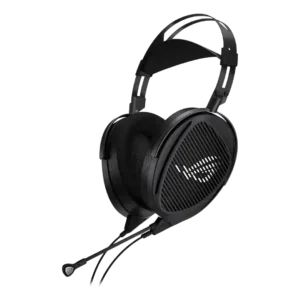
The included USB-C dongle improves compatibility and sometimes volume, but reviewers disagreed on whether it meaningfully upgrades audio.
Pros: Software/setup simplicity, Detachable microphone convenience
Cons: Active noise cancellation, Bluetooth
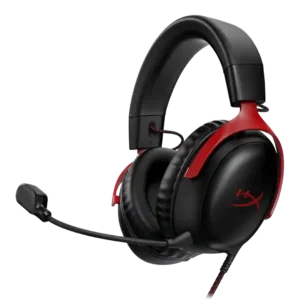
The dongle enables low-latency wireless and broad USB use, but it is also the main source of connection inflexibility.
Pros: Microphone quality for calls, Hinge durability
Cons: Active noise cancellation, Detachable cable convenience
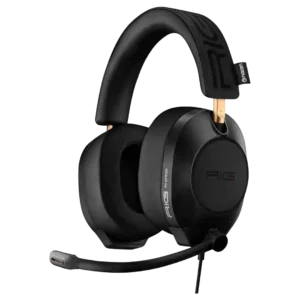
The DAC dongle adds real connection and audio benefits, but size, platform behavior, and one failed sample keep the score from being uniformly high.
Pros: Audio-video sync accuracy, Battery
Cons: Active noise cancellation, Bluetooth
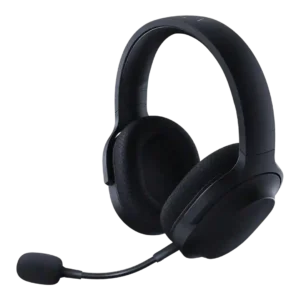
The USB-C dongle is central to the headset's versatility, but many reviewers warn it is wide, easy to lose, or able to block adjacent ports.
Pros: Multi-platform compatibility, Connectivity versatility
Cons: Water/sweat resistance rating, aptX
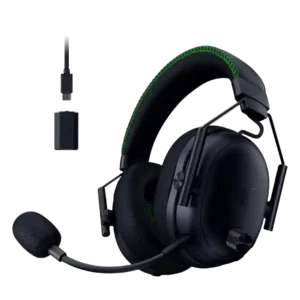
The dongle is the most repeated hardware annoyance, with cable clutter, poor grip, and less elegant setup offsetting its strong performance.
Pros: Wireless latency, Positional audio accuracy
Cons: RGB lighting customization, Integrated microphone
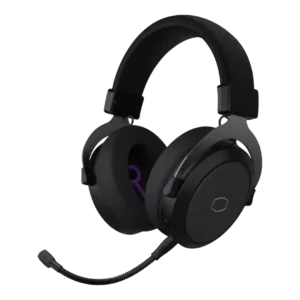
Dongle support is present through the 2.4GHz USB-C dongle, though wireless performance concerns limit the benefit.
Pros: Microphone quality for calls, Microphone noise reduction
Cons: Active noise cancellation, Preset EQ profile quality
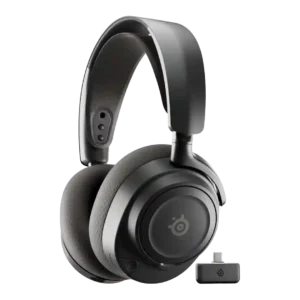
The dongle was the most repeated hardware complaint, with reviewers frequently saying its wide shape blocks adjacent ports.
Pros: Wireless latency, Multi-platform compatibility
Cons: Active noise cancellation, Water/sweat resistance rating