Best for Dongle
JBL Tour Pro 3 Earbuds
4.9 feature score
Highest scored product for this feature based on supporting review evidence.
Highest scored product for this feature based on supporting review evidence.
Balances feature score, supporting reviews, and overall product strength.
Has the broadest review evidence for this feature.
Strongest overall product among items with scored evidence for this feature.
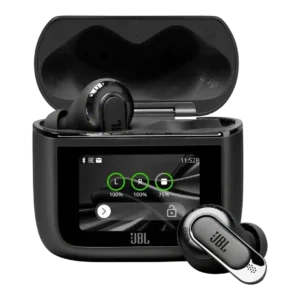
The case transmitter/dongle function was repeatedly praised as a major convenience for flights, gyms, wired sources, and low-latency playback.
Pros: Codec support, Dongle
Cons: Sound leakage, Find My
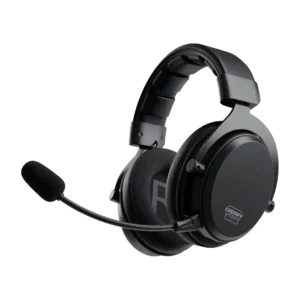
The dongle experience was positive, with reviewers praising easy setup, low latency, and rock-solid 2.4GHz performance.
Pros: Volume output, Audio-video sync accuracy
Cons: Xbox compatibility, Equalizer customization
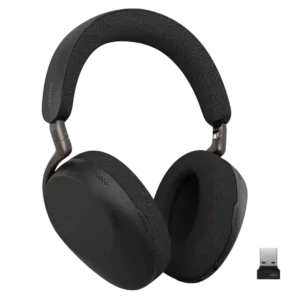
The USB adapter generally provides reliable, low-friction PC connectivity and may improve call performance in some setups. One configuration may still require an extra USB adapter.
Pros: Frequency response accuracy, Clamping force comfort
Cons: Volume output, aptX
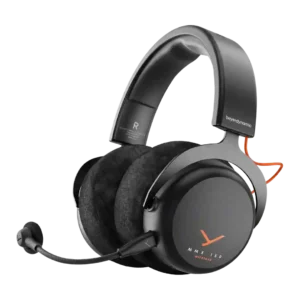
The low-latency dongle is praised for reliable pairing and gaming-focused wireless use.
Pros: Battery, Audio-video sync accuracy
Cons: Xbox compatibility, Volume output
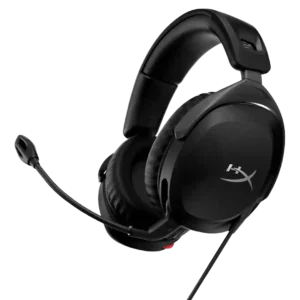
Wireless dongle behavior was a strength, with reviewers praising instant or fast setup and, in one case, excellent range.
Pros: Multi-platform compatibility, Dongle
Cons: Replaceable earpads, Preset EQ profile quality
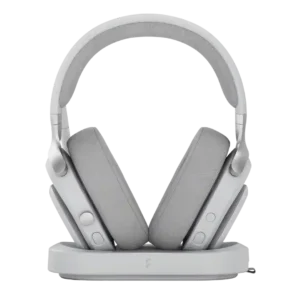
The dongle design was praised for storage, range, and integration with the charging base.
Pros: Spatial audio, Software/setup simplicity
Cons: Xbox compatibility, Sidetone adjustment quality
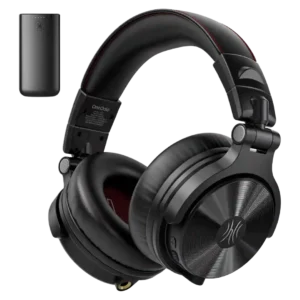
The M2 transmitter and dongle system were central to the praise, with reviewers repeatedly calling the low-latency mode useful, fast and close to wired, despite one stutter complaint.
Pros: Battery, Detachable cable convenience
Cons: Active noise cancellation, Transparency mode quality
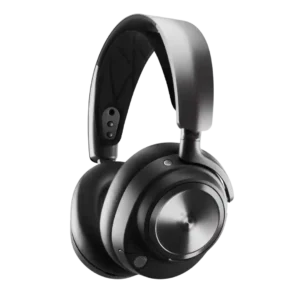
The wireless dock/dongle setup is praised as handy and market-leading for battery handling and source flexibility.
Pros: Charging, Spatial audio
Cons: Hinge durability, Smudge resistance
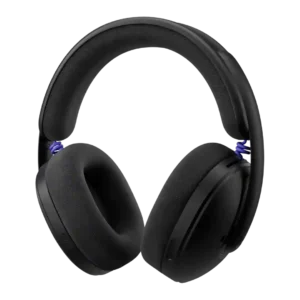
The dongle experience was strong, with plug-and-play setup, stable connections, and no reported latency through Lightspeed in tested use.
Pros: Wireless latency, Weight comfort
Cons: Microphone noise reduction, Multipoint connectivity reliability
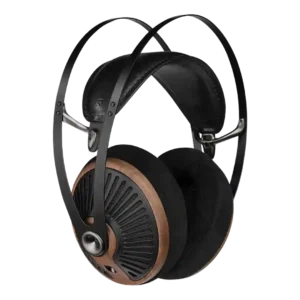
The tiny included USB-C dongle is a welcome way to connect modern phones and laptops. Reviewers see it as a convenient starter or backup rather than an audiophile-grade source.
Pros: Volume output, Carry case quality
Cons: Connectivity options, Noise isolation (passive)
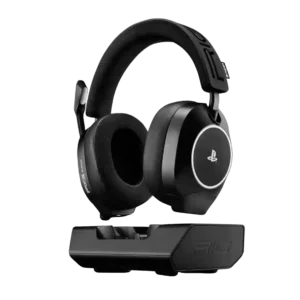
The dongle was mostly praised for easy docking, reduced clutter, side-kicked USB-C shape, and multi-platform expandability, despite manual swapping complaints.
Pros: Spatial audio, Positional audio accuracy
Cons: Carry case quality, Detachable microphone convenience
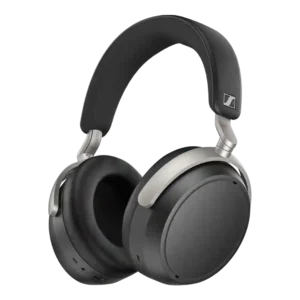
The BTD 700 dongle is often praised as valuable or game-changing, but setup, durability, and some call/functionality issues keep it from being flawless.
Pros: Instrument separation, Charging
Cons: Xbox compatibility, Water/sweat resistance rating
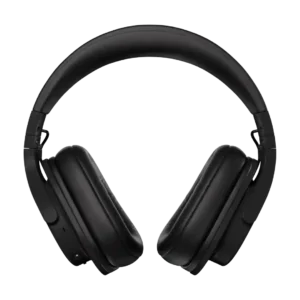
The dock/dongle-style hardware was viewed positively in WL500 transcripts for sturdiness and flexible wireless connection.
Pros: Audio-video sync accuracy, Clamping force comfort
Cons: Transparency mode quality, Sustainability and repairability
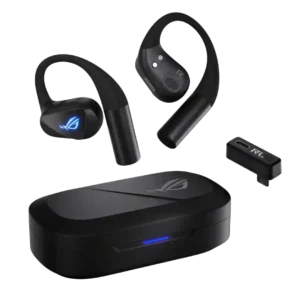
The 2.4GHz USB-C dongle is central to the appeal, delivering excellent low-latency gaming and useful passthrough charging. A few units show disconnects or awkward port blocking, so reliability is not...
Pros: Transparency mode quality, Touch control responsiveness
Cons: Noise isolation (passive), Packaging condition
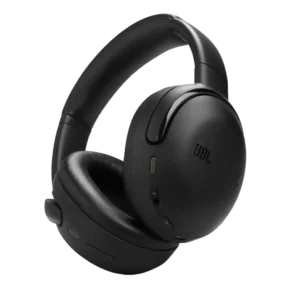
The Smart Tx dongle split opinion: many called it unique, practical, or game-changing for travel, while others found it niche, costly, easy to lose, or unnecessary.
Pros: Immersive audio quality, ANC background noise level
Cons: Replaceable pads/headband, Replaceable earpads
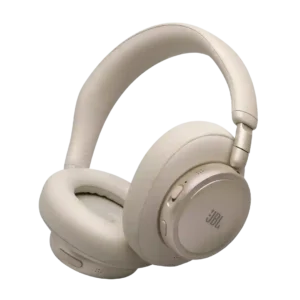
The optional Smart TX transmitter can add wireless audio to planes, old TVs, and other non-Bluetooth sources. It is potentially useful, though its extra cost is substantial.
Pros: Maximum volume clarity, Charging
Cons: 3.5mm analog input availability, Cable quality
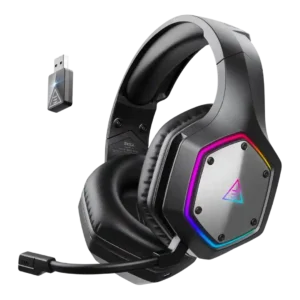
Dongle experience was mixed: plug-and-play use was praised, but one PC pairing instruction issue created friction.
Pros: Audio-video sync accuracy, Wireless latency
Cons: Midrange clarity, Ear cup swivel/rotation range
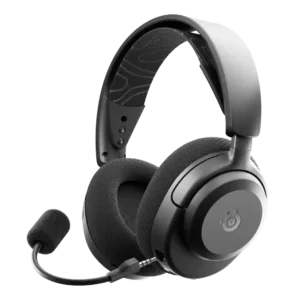
Dongle feedback was mixed: reviewers liked the low-latency, slim, offset design, but some disliked port blocking or lack of onboard storage.
Pros: Charging, Weight comfort
Cons: Sound leakage, Cable quality
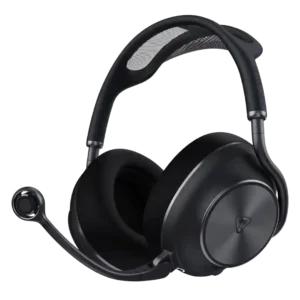
The included second transmitter is a major convenience for switching between separated systems without moving cables. Expansion units cost extra and have sometimes been unavailable, defective, or unrecognized by Swarm...
Pros: Codec support, Packaging quality
Cons: Multipoint connectivity reliability, Replaceable ear plates
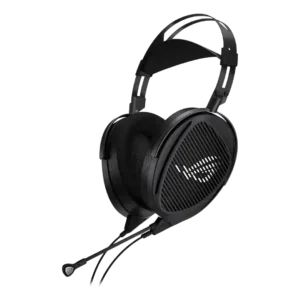
The included USB-C adapter improves compatibility and often raises volume, but results vary by device and some users report limited power or inconsistent Windows behavior.
Pros: Maximum volume clarity, Frequency response accuracy
Cons: Active noise cancellation, Bluetooth
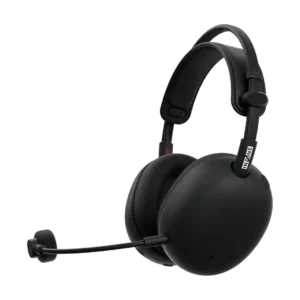
The USB-C dongle provides dependable low-latency wireless and useful PC/console switching, but its physical implementation is not perfect. Some users disliked blocked adjacent ports, adapter needs, or the lack of...
Pros: Instrument separation, Maximum volume clarity
Cons: Packaging quality, Console compatibility limitations
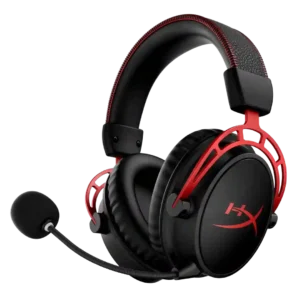
Dongle feedback is mixed: wireless range can be strong in one test but limited or compatibility-constraining in others.
Pros: Maximum volume clarity, Earpad replacement ease
Cons: Bluetooth, Xbox compatibility
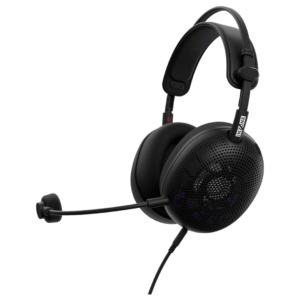
The USB audio box was useful for saving settings, but one reviewer found it added little practical improvement on console.
Pros: Weight comfort, Battery
Cons: Noise isolation (passive), Sound leakage
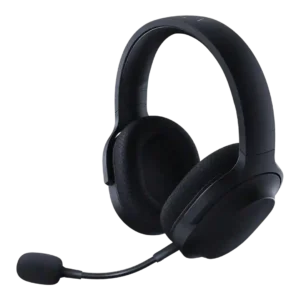
The dongle enabled broad USB-C wireless use, but reviewers frequently criticized its width, port blocking, storage issues, or occasional reconnection problems.
Pros: Cable quality, Hinge durability
Cons: aptX, Active noise cancellation
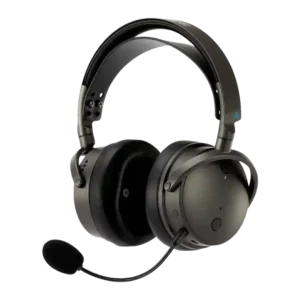
Dongle impressions are mixed, with praise for range or form factor offset by artifacting, connection failures, or USB-controller sensitivity.
Pros: Instrument separation, Maximum volume clarity
Cons: Hinge durability, Carry case quality
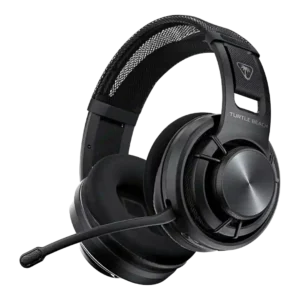
The dongle works well for low-latency wireless, but one reviewer disliked the always-flashing transmitter light.
Pros: Weight comfort, Cable quality
Cons: Active noise cancellation, Noise isolation (passive)
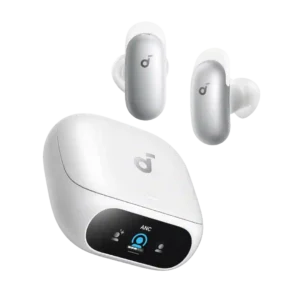
PC-focused buyers may miss a dedicated dongle. One reviewer wanted a UC dongle for easier computer integration, even though multipoint helped soften the complaint.
Pros: Maximum volume clarity, Noise isolation (passive)
Cons: Apple H2 chip support, Treble clarity
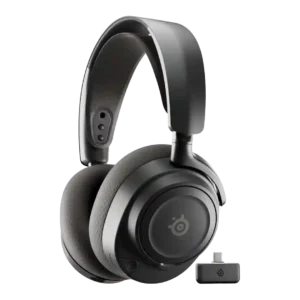
The dongle was the most repeated design complaint: reviewers disliked its width, port blocking, or merely adequate range, despite functional wireless use.
Pros: Connectivity versatility, Multi-platform compatibility
Cons: Transparency mode quality, Active noise cancellation
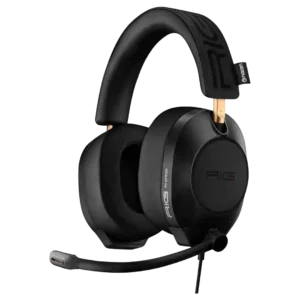
The dongle was polarizing: some liked its compact USB-C design, while others found it distracting, unhelpful on console, large, or faulty.
Pros: Audio-video sync accuracy, Battery
Cons: Bluetooth, Active noise cancellation
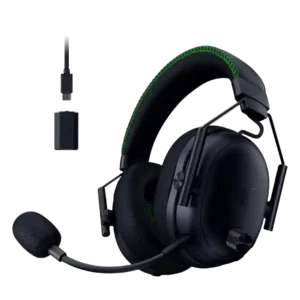
Dongle feedback was the clearest hardware complaint: most reviewers disliked the wired/bulky dongle, though one praised its technology and range.
Pros: Audio-video sync accuracy, Multi-platform compatibility
Cons: Cable quality, Preset EQ profile quality
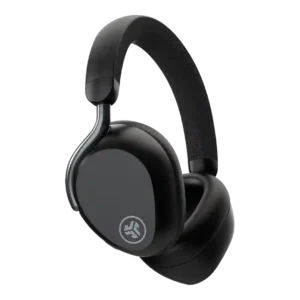
Dongle support was a minor missing feature in one review, which suggested adding a dongle in a future version.
Pros: Award recognition, Audio-video sync accuracy
Cons: ANC sound impact on audio, ANC effect on sound signature
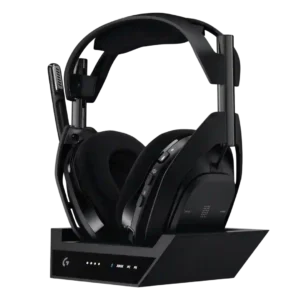
One reviewer wished for a separate USB dongle for PC, suggesting the current dock-only approach limits versatility.
Pros: Positional audio accuracy, Soundstage width
Cons: Active noise cancellation, Hinge durability
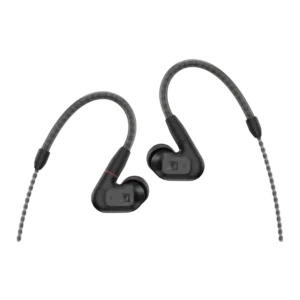
Dongle dependence was a usability annoyance for modern phones without headphone jacks.
Pros: Maximum volume clarity, Weight comfort
Cons: Water/sweat resistance rating, Microphone quality for calls
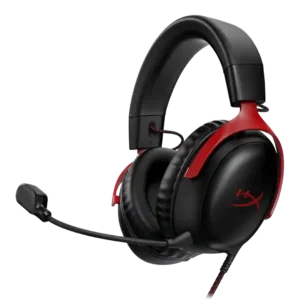
Dongle reliance was a common concern because reviewers disliked patchy behavior, easy loss, and dependence on one connection method.
Pros: Hinge durability, Wireless latency
Cons: Preset EQ profile quality, Xbox compatibility
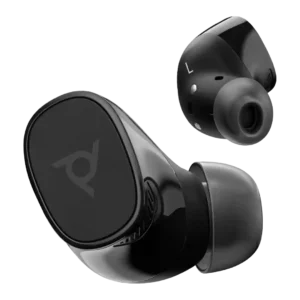
The lack of a dongle hurt computer and softphone convenience for reviewers who wanted stronger PC reliability or business-call controls.
Pros: Charging, Instrument separation
Cons: Spatial audio, Sidetone adjustment quality
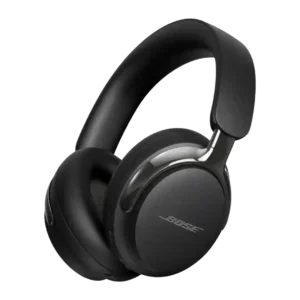
The lack of a low-latency dongle is a drawback when compared with more flexible rivals.
Pros: Award recognition, ANC sound impact on audio
Cons: Water/sweat resistance rating, LE Audio readiness
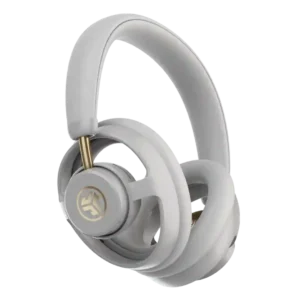
Direct PS5 and PS5 Portal use may require a separate Bluetooth dongle. That extra purchase undermines convenience for console buyers.
Pros: Headband adjustability, Voice assistant integration
Cons: Maximum volume clarity, Xbox compatibility