Best for Multi-platform compatibility
JBL Tour One M3 Headphones
4.8 feature score
Highest scored product for this feature based on supporting review evidence.
Highest scored product for this feature based on supporting review evidence.
Balances feature score, supporting reviews, and overall product strength.
Has the broadest review evidence for this feature.
Strongest overall product among items with scored evidence for this feature.
Showing Over-Ear Headphones only. Switch back to all Headphones & Earbuds anytime.
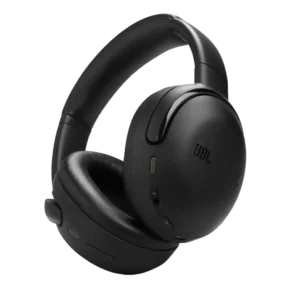
Multiple reviews frame the Tour One M3 as unusually compatible with a wide range of source devices.
Pros: Battery, Connectivity options
Cons: Water/sweat resistance rating, Replaceable earpads
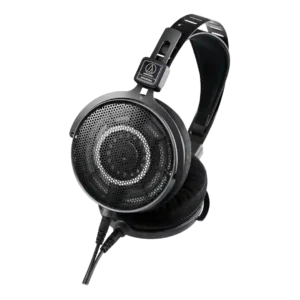
One review explicitly lists iOS, Android, macOS, and Windows, and another says they suit everyday listening, mixing, mastering, and gaming.
Pros: Wired connection sound quality, 3.5mm analog input availability
Cons: Travel friendliness, Sound leakage
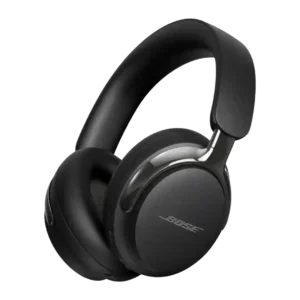
Cross-platform use is a common strength, with reviewers noting smooth switching between phones and computers across iOS and Android ecosystems.
Pros: Android compatibility, Multi-platform compatibility
Cons: Water/sweat resistance rating, Dongle

With included adapters and standard wired connections, the Wesley is framed as easy to use across phones, laptops, music players, and older audio gear.
Pros: Charging, Design and Aesthetics
Cons: Active noise cancellation effectiveness, Maximum volume clarity
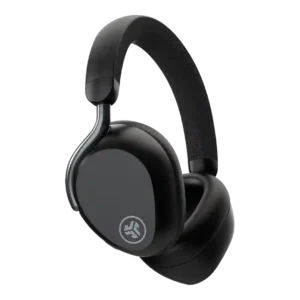
Platform support is broad, with evidence of good behavior across Android phones, iPhones, Macs, laptops, consoles, Teams, and wired sources.
Pros: USB-C, Award recognition
Cons: Water/sweat resistance rating, Sidetone adjustment quality
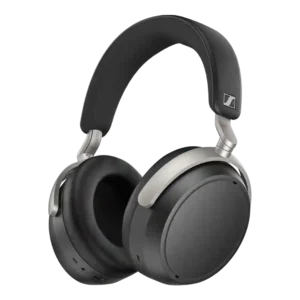
Multi-platform use is a core strength thanks to Bluetooth plus USB-C and analog options, with the dongle helping iOS users access higher-quality codecs.
Pros: Battery, Equalizer customization
Cons: Xbox compatibility, Water/sweat resistance rating
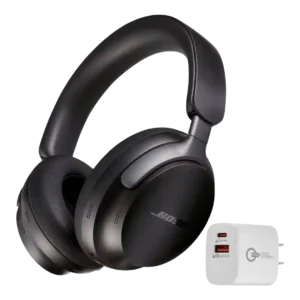
Cross-platform use is strong overall, working well with iOS, Android, and computers for everyday listening.
Pros: Volume output, Comfort during long use
Cons: Water/sweat resistance rating, USB-C
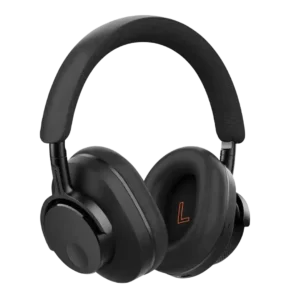
Multi-device use across iOS, Android and computers is reported as smooth overall, helped by Bluetooth 5.3, multipoint and app support on both mobile platforms.
Pros: Battery, Replaceable battery
Cons: LDAC, Water/sweat resistance rating
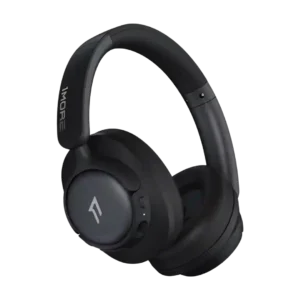
Cross-platform use appears strong. One review specifically praised smooth switching between iOS, macOS, and Android devices.
Pros: Battery, Charging
Cons: Carry case quality, Sensors
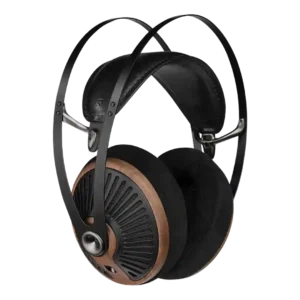
Reviewers frequently describe good compatibility across sources (phones with dongles, laptops, DAPs, and desktop amps), helped by easy drivability. Some note it scales with source quality and can reveal harshness...
Pros: Sustainability materials, Replaceable earpads
Cons: Noise isolation (passive), Portability/foldability
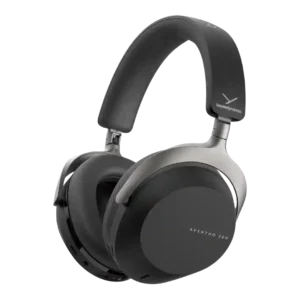
Multi-device compatibility is a plus, spanning phones and computers and supported by both multipoint Bluetooth and wired inputs.
Pros: aptX, Battery
Cons: Frequency response accuracy, Clamping force comfort
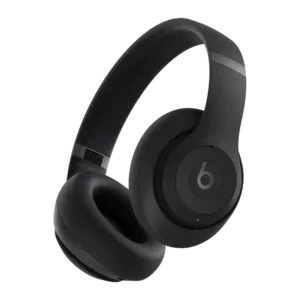
Cross-ecosystem support is a defining strength: multiple reviews emphasize convenient pairing, syncing, and feature access on both iOS and Android. The tradeoff is that some Apple-exclusive perks and universal multipoint...
Pros: Design and Aesthetics, Multi-platform compatibility
Cons: aptX, LDAC
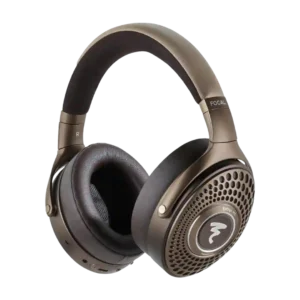
The Bathys MG works broadly across phones, computers, tablets, and wired sources, making it easy to use across mixed-device setups.
Pros: Build quality, Instrument separation
Cons: LDAC, Touch control responsiveness
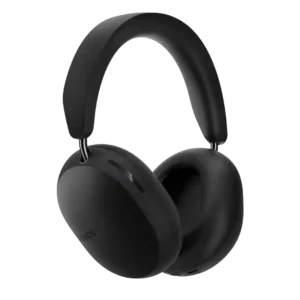
Multi-platform compatibility is generally strong for phones and computers, and the Ace can also integrate with compatible Sonos soundbars. The biggest platform caveats are codec differences (Android vs iOS) and...
Pros: USB-C, Replaceable earpads
Cons: Water/sweat resistance rating, Cable quality
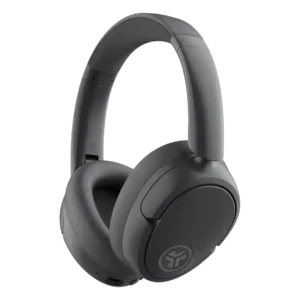
Compatibility is broad across common devices and operating systems (phones, tablets, laptops), with reviewers generally reporting easy pairing on both Apple and Android ecosystems.
Pros: Battery, Cable quality
Cons: aptX, LDAC
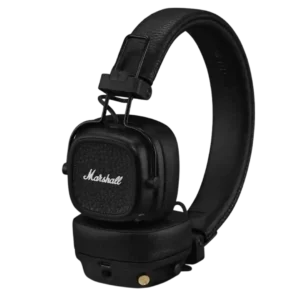
Multi-platform use was supported by one reviewer using the headphones with an Android phone and MacBook Pro.
Pros: Battery, Connectivity options
Cons: Active noise cancellation, Transparency mode quality
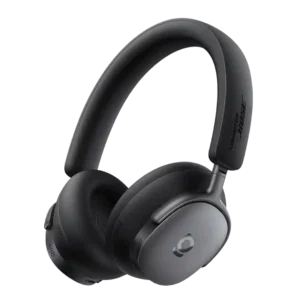
The XH1 works across phones and computers via Bluetooth and analog input, but wired mode is best treated as an emergency option and there is no USB audio.
Pros: Battery, Charging
Cons: Sensors, Wired connection sound quality
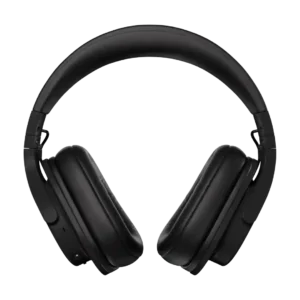
Compatibility is broad across phones, tablets, and computers via Bluetooth; WL500 content adds instrument and studio compatibility through its transmitter base.
Pros: Weight comfort, Audio-video sync accuracy
Cons: Active noise cancellation effectiveness, Noise cancellation adjustability
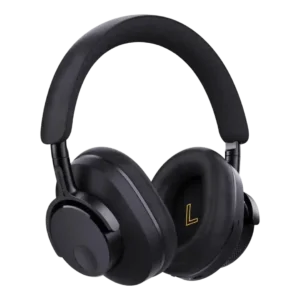
Multi-platform performance is generally good across phones and computers, but at least one review reports less smooth behavior with certain Apple devices compared with Android or Windows.
Pros: Replaceable earpads, Replaceable battery
Cons: Water/sweat resistance rating, Touch control responsiveness
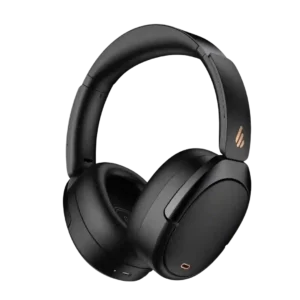
The headphones can be used across Apple and non-Apple devices, though not on equal terms.
Pros: Microphone quality for calls, Comfort during long use
Cons: aptX, Water/sweat resistance rating

The headphones work across iOS, Android, Bluetooth, and analog wired use, though high-res LDAC favors Android.
Pros: Bluetooth version, Battery
Cons: Water/sweat resistance rating, Wind noise handling
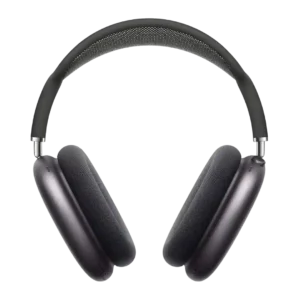
Works across platforms as basic Bluetooth headphones, but the feature set is strongest on Apple devices and limited elsewhere.
Pros: Hinge durability, Transparency mode quality
Cons: aptX, LDAC
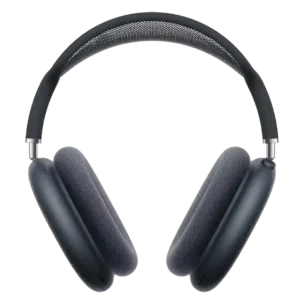
Review evidence is mixed for multi-platform compatibility, showing useful capability alongside clear limits.
Pros: Premium feel, Award recognition
Cons: aptX, LDAC