Best for Omnidirectional sound
Samsung HW-Q990F Soundbar
5.0 feature score
Highest scored product for this feature based on supporting review evidence.
Highest scored product for this feature based on supporting review evidence.
Balances feature score, supporting reviews, and overall product strength.
Has the broadest review evidence for this feature.
Strongest overall product among items with scored evidence for this feature.
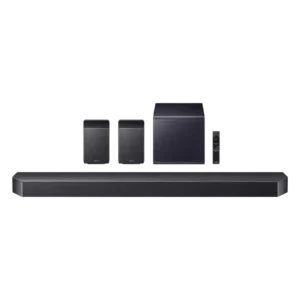
The system’s bass and spatial presentation are described as non-directional or room-filling enough to feel omnidirectional.
Pros: Multi-speaker pairing reliability, Gaming HDMI passthrough
Cons: Google, Cabinet construction / bracing

Omnidirectional-style immersion was praised in one review that described sound arriving from every direction.
Pros: Multi-speaker pairing reliability, Spotify Connect reliability
Cons: Gaming HDMI passthrough, Video passthrough support
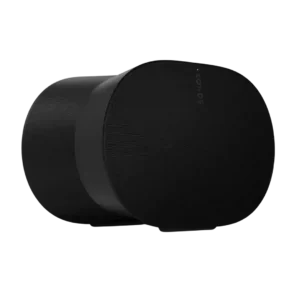
Omnidirectional/spatial presentation was the dominant strength, with reviewers repeatedly praising room-filling, enveloping sound.
Pros: Control button responsiveness, Smart features
Cons: Chromecast compatibility, Google
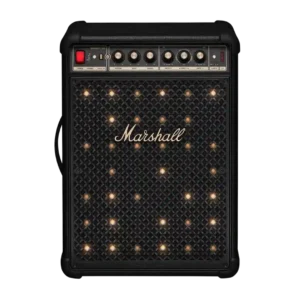
Marshall's True Stereophonic design works extremely well here, spreading sound evenly around the cabinet with little sense of a single sweet spot.
Pros: Stereo imaging accuracy, Multi-speaker pairing reliability
Cons: Remote control usability, Bluetooth codec support
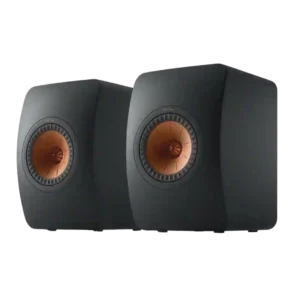
One measurement-focused review praised off-axis behavior, saying response dropped evenly and smoothly in any direction.
Pros: Dialogue clarity (for TV/soundbar use), Low-volume performance
Cons: Soundstage height, Subwoofer
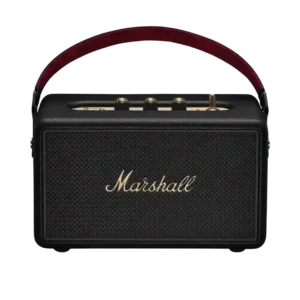
Omnidirectional sound is widely praised, with reviewers describing clear sound at every angle, no dead spots, and useful 360-degree coverage.
Pros: Voice clarity, Bluetooth range
Cons: Multi-speaker pairing reliability, Inter-speaker connectivity
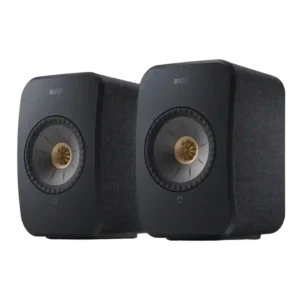
Off-axis and room coverage were strong in the few direct mentions, with reviewers praising sound quality away from the sweet spot.
Pros: Soundstage height, Amplifier power requirements
Cons: On-device controls, Surround sound simulation

Omnidirectional sound was a major strength, with reviewers praising the 360-degree output and the freedom from careful speaker positioning.
Pros: Google, Dust resistance rating
Cons: Wired input, Remote control usability
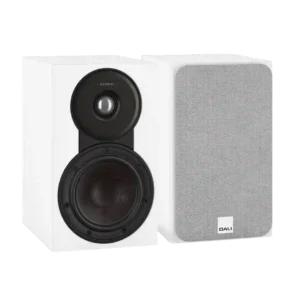
Wide dispersion spreads sound evenly enough that listeners do not need to remain locked into a narrow central seat.
Pros: Distortion at high volume, Dynamic headroom
Cons: Warranty support, Included accessories
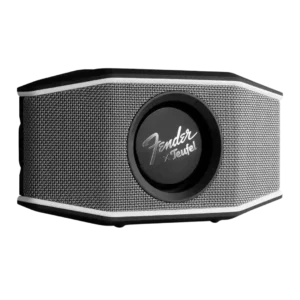
One reviewer described the Dynamore effect as wrapping around the listener, supporting a convincing sense of broad sound.
Pros: Dust resistance rating, Cohesive presentation
Cons: Speakerphone quality, Microphone
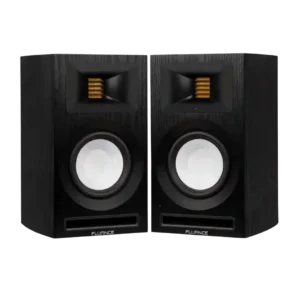
One measured/listening review praised wide, even coverage, supporting a broad listening area rather than a tiny sweet spot.
Pros: Setup simplicity, Bluetooth connection stability
Cons: optical, Smart features
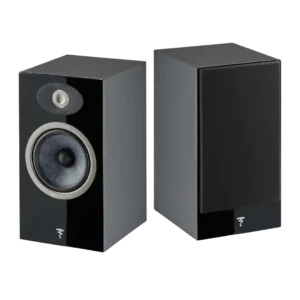
Wide horizontal coverage is praised in one technical review, which says the speaker offers broad, balanced listening coverage without many bad seats.
Pros: Dialogue clarity (for TV/soundbar use), Loudness / maximum volume
Cons: Wired input, Low-volume performance
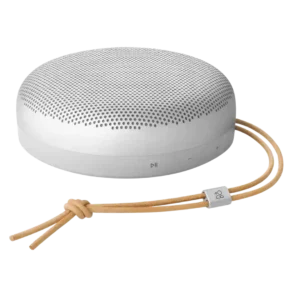
Omnidirectional sound was generally positive, though one reviewer disputed true 360-degree behavior while still finding placement easy.
Pros: Multi-speaker pairing reliability, Handle or strap quality
Cons: Wi-Fi streaming reliability, AirPlay compatibility
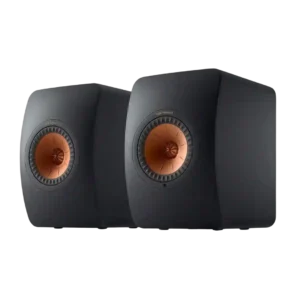
Dispersion and sweet-spot evidence is positive, with Uni-Q/coaxial design helping wider seating and room coverage.
Pros: AirPlay compatibility, Chromecast compatibility
Cons: Spotify Connect reliability, Status indicators
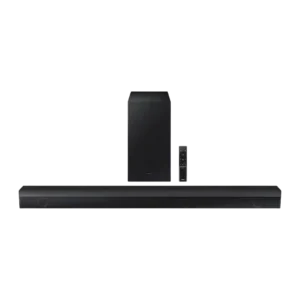
One review specifically praised DTS Virtual:X for a 360-degree-like sound effect.
Pros: Bluetooth connection stability, Value for money
Cons: Smart assistant integration (Alexa, Video passthrough support
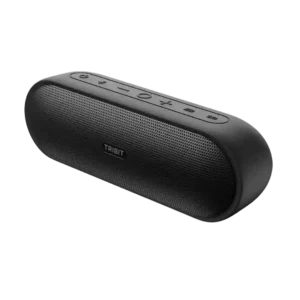
Off-axis sound is praised in one review, which found little degradation outside the sweet spot despite the forward-facing design.
Pros: Latency with TV (lip sync), Price / value for money
Cons: Dust resistance rating, Bluetooth codec support
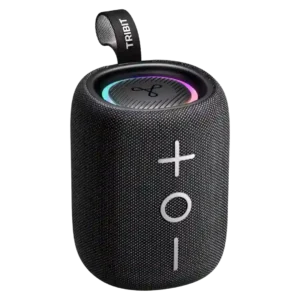
Omnidirectional sound is mixed-to-positive: many reviewers liked the consistent 360-degree dispersion, while TechRadar thought the 360-degree sound was not great.
Pros: Multi-speaker pairing reliability, Drop resistance durability
Cons: Multipoint connectivity, Smart features
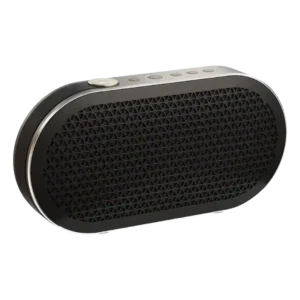
One review praises the sound as bigger than the enclosure with a big, open character.
Pros: Wired input, Latency with TV (lip sync)
Cons: Dust resistance rating, Water resistance rating
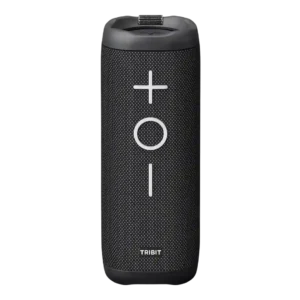
The 360-degree sound was generally praised, though one reviewer disliked the side-firing presentation and another found placement affected bass.
Pros: Cohesive presentation, Stereo imaging accuracy
Cons: Surround sound simulation, App reliability

The 360-degree design makes placement forgiving and keeps sound more consistent around the room, although some reviewers heard little practical advantage over simpler up-firing designs.
Pros: Wi-Fi streaming reliability, Inter-speaker connectivity
Cons: Wired input, Frequency response balance
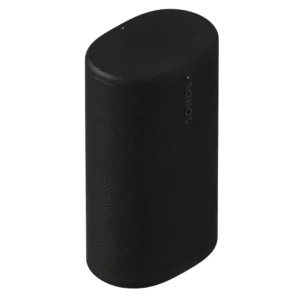
Off-axis sound is better than many compact speakers, and some testers found it surprisingly consistent from the rear or side. It is not a true 360-degree design, though, so orientation...
Pros: Dialogue clarity (for TV/soundbar use), Multi-speaker pairing reliability
Cons: Surround sound simulation, Protective case inclusion
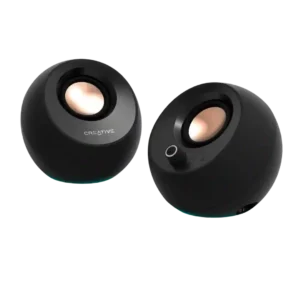
These are near-field speakers that sound best aimed toward a listener at the desk. Room-filling performance varies, and both volume and tonal quality can drop with distance or poor positioning.
Pros: Battery life (if portable), Detail retrieval
Cons: optical, Audio format support

The Go 5 is a directional mono speaker rather than a true 360-degree design. It is adequate for personal listening, but omnidirectional rivals may serve groups better.
Pros: Google, Latency with TV (lip sync)
Cons: Charging cable inclusion, Chromecast compatibility
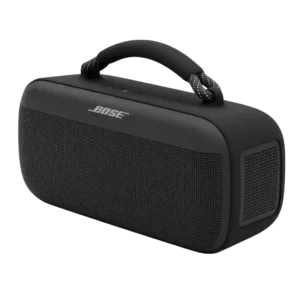
Omnidirectional sound was mixed: one review warned it was not omnidirectional, while user reviewers perceived more 360-degree-style dispersion.
Pros: Dust resistance rating, Low-volume performance
Cons: Charging time, Microphone
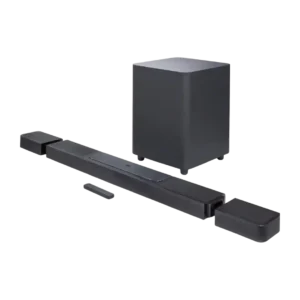
Off-axis or omnidirectional coverage was limited in one review, which described the experience outside the central seat as lopsided.
Pros: Inter-speaker connectivity, Audio format support
Cons: optical, Gaming HDMI passthrough
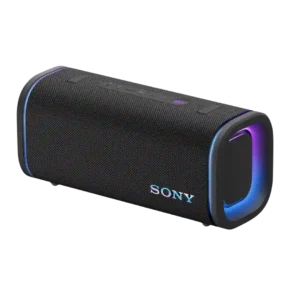
The Field 5 is not truly omnidirectional; reviewers note reduced expansiveness vertically and wish it offered 360-degree sound.
Pros: Latency with TV (lip sync), Multi-speaker pairing reliability
Cons: Energy efficiency, Amplifier power requirements
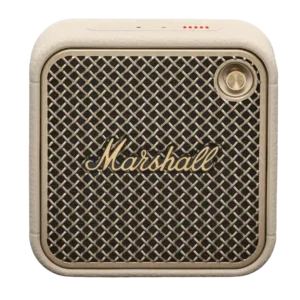
Omnidirectional performance was a weakness compared with 360-degree rivals, and one reviewer noted the experience changes depending on placement and listening angle.
Pros: Status indicators, Bluetooth connectivity
Cons: Wired input, Power bank function

One reviewer noticed lower perceived loudness when sitting off to the side, limiting side-room coverage.
Pros: Distortion at high volume, Setup simplicity
Cons: Dolby Atmos height effects, On-device controls
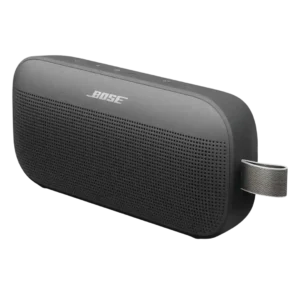
Omnidirectional sound was weak because the speaker was described as directional rather than broad or room-filling in all directions.
Pros: Bluetooth connection stability, Dust resistance rating
Cons: Wired input, Power bank function
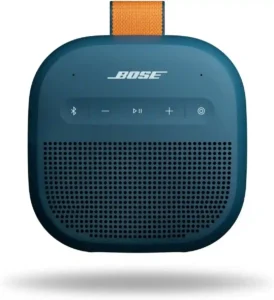
Omnidirectional performance is limited because reviewers describe the front-firing design as directional or poor off-axis.
Pros: Everyday usability, Bluetooth range
Cons: LED lighting effects, Lighting effects

Omnidirectional performance is limited because the forward-facing design can sound one-directional and lose clarity off-axis.
Pros: Setup simplicity, Bluetooth connection stability
Cons: Wired input, Power bank function

Omnidirectional sound is weak in the available evidence because one reviewer says the speaker is very directional.
Pros: Latency with TV (lip sync), Setup simplicity
Cons: Smart assistant integration (Alexa, Speakerphone quality

Omnidirectional sound was weak, with one reviewer describing the speaker as fairly mono-directional.
Pros: Bluetooth range, App reliability
Cons: Bluetooth codec support, Omnidirectional sound

The Muo is primarily directional rather than truly omnidirectional. Listening from the front gives the clearest result.
Pros: Dialogue clarity (for TV/soundbar use), Multi-speaker pairing reliability
Cons: Power bank function, Float capability

Sound is directional rather than truly room-filling in every direction. Reviewers often preferred laying the speaker face-up, while listening from behind it produced a muffled and narrower presentation.
Pros: Voice clarity, Multipoint connectivity
Cons: Cohesive presentation, Soundstage height